



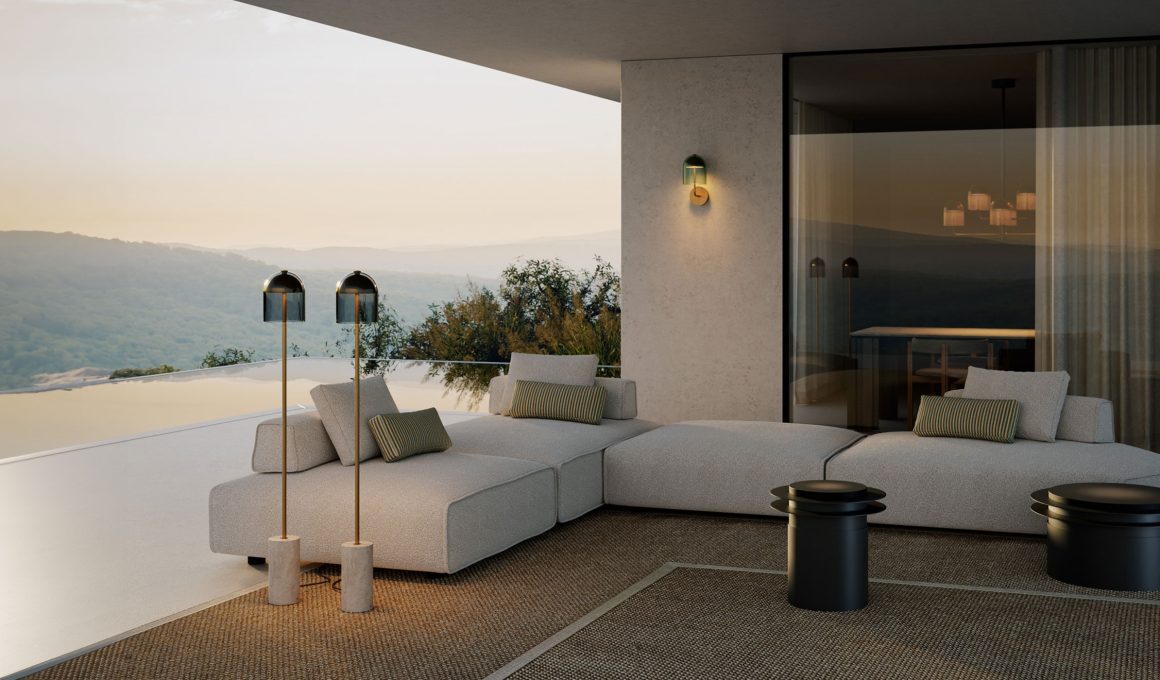
The subtle yet profound influence of light on our perception and experience of space is undeniable. Beyond mere illumination, the color of light, measured as its temperature, plays a critical role in shaping ambiance, functionality, and even our well-being. This guide delves into the intricacies of light temperature, providing a comprehensive understanding of its impact across various environments, from the intimacy of our homes to the demands of commercial and outdoor settings. By understanding and strategically applying the principles of light temperature, individuals can transform their spaces into havens of comfort, productivity, and aesthetic appeal.
1. Understanding the Basics of Light Temperature
At the heart of understanding light color lies the concept of Kelvin (K), the unit of measurement used to describe the Correlated Color Temperature (CCT) of a light source . CCT essentially indicates whether a light source appears warm (yellowish) or cool (bluish) . The scale typically ranges from 1,000 to 10,000 Kelvin, with most residential and commercial lighting falling between 2000K and 6500K .
The spectrum of light temperature can be broadly categorized from warm to cool. Lower Kelvin values, typically in the range of 2700K to 3000K, produce a light that appears warm, often described as yellowish or reddish, akin to the glow of an incandescent bulb or candlelight . Conversely, higher Kelvin values, generally between 4000K and 5000K, emit a cooler light that is whiter or even bluish, resembling natural daylight . In between these extremes lies neutral light, which typically falls in the range of 3000K to 4000K, offering a balance between warmth and coolness .
The choice of light temperature is not merely an aesthetic preference; it significantly impacts the ambiance and functionality of a space . Warm light is often associated with creating a cozy, relaxing, and inviting atmosphere, making it ideal for spaces where comfort is paramount . On the other hand, cool light tends to promote energy, alertness, and focus, rendering it more suitable for areas where tasks requiring concentration are performed . The strategic selection of light temperature can therefore profoundly influence how a room feels and how effectively it serves its intended purpose.
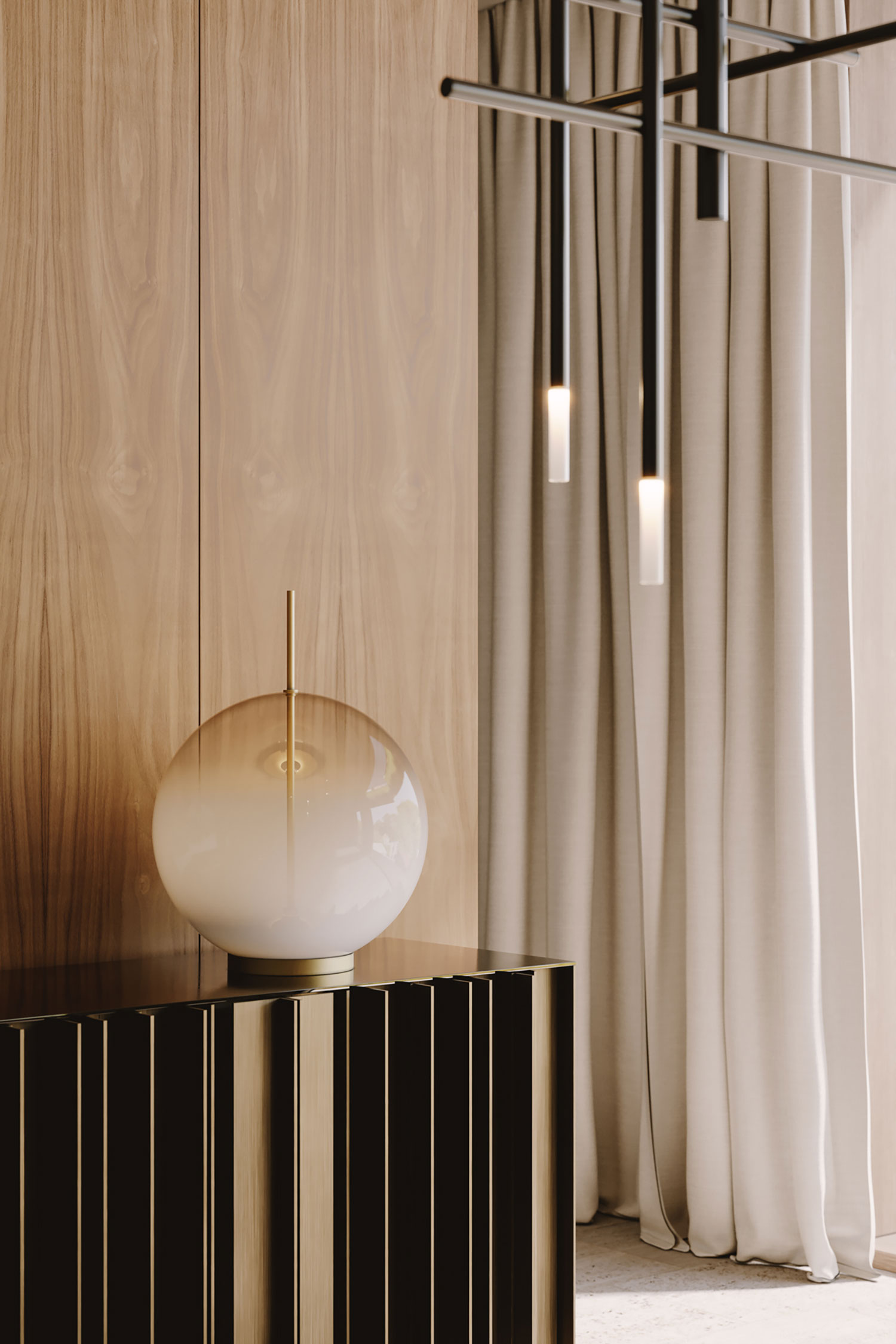
2. Illuminating Your Home: A Room-by-Room Guide
The optimal light temperature for a home varies considerably depending on the specific room and its function. Understanding these nuances allows for the creation of a harmonious and functional living environment.
Living Room: Creating a welcoming and relaxing atmosphere
The living room, often the heart of the home, benefits from a light temperature that fosters relaxation and conviviality. A warm white light, typically in the range of 2700K to 3000K, is generally recommended for this space . This temperature range creates a cozy and inviting ambiance, perfect for unwinding after a long day or entertaining guests . Utilizing LED or CFL bulbs in this range can provide both energy efficiency and the desired warmth . To enhance versatility, consider incorporating dimmable lamps, allowing for adjustments to the light intensity to suit different activities, from watching movies to reading . Furthermore, a well-designed living room lighting scheme often incorporates layered lighting, combining ambient, task, and accent lights to create depth and visual interest . Some sources suggest a slightly broader range, up to 3300K or even 4500K, depending on whether the living room is also used for tasks requiring more focused light .
Kitchen: Balancing task lighting with a comfortable feel
The kitchen, a hub of activity, requires a balance between bright, functional lighting for tasks and a comfortable atmosphere. A neutral white light, generally in the 3000K to 4000K range, is often recommended . For specific task areas, such as countertops and cooking surfaces, a slightly cooler temperature, around 4000K to 5000K, can provide enhanced visibility . Some guides suggest a slightly warmer range of 3000K to 3500K for an overall inviting feel . Many kitchens benefit from a combination of warm and cool lighting in different zones, allowing for both task-oriented brightness and a more relaxed ambiance in dining areas or seating nooks . LED or halogen bulbs are popular choices for kitchen lighting due to their brightness and energy efficiency .
Bedroom: Promoting rest and relaxation
The bedroom, a sanctuary for rest, should prioritize soft, relaxing lighting. A very warm to warm white light, ranging from 2200K to 3000K, is ideal for creating a calming environment conducive to sleep . It is generally advisable to avoid daylight or blue light hues in the bedroom, especially in the evening, as these can be overstimulating and interfere with sleep . Dimmer bulbs and switches are particularly beneficial in bedrooms, allowing for the creation of a low and lovely ambiance when preparing for sleep . Some recommendations extend the upper end of the range slightly, up to 3750K, but the emphasis remains on warmer tones to promote relaxation .
Bathroom: Optimizing for grooming and hygiene
The bathroom requires lighting that is both functional for grooming tasks and pleasant for relaxation. A neutral to warm white light, typically in the 3000K to 4000K range, strikes a good balance . Many people prefer a brighter light in the bathroom to mimic daylight, which is beneficial for accurate reflection when applying makeup or shaving . Some sources suggest considering slightly cooler temperatures, up to 5000K, for a very clean and bright effect . To add softness and minimize harsh shadows, consider incorporating wall lights on either side of the mirror .
Home Office/Study: Enhancing focus and productivity
For a home office or study space, the primary goal is to enhance focus and productivity. A neutral to cool white light, generally in the 3000K to 5000K range, is most suitable for this purpose . Cooler light tends to have a more energizing effect, promoting alertness and concentration . If the workspace receives ample natural daylight, warmer options might be considered for the evening to reduce eye strain . The need for bright light for detail-oriented tasks is paramount in these areas .
Dining Room: Setting the mood for meals
The dining room serves as a space for both eating and socializing, requiring a light temperature that is both inviting and functional. A warm white light, typically in the 2700K to 3000K range, is often recommended to create a warm and welcoming atmosphere . It is important to achieve a balance between an inviting ambiance and sufficient brightness to see the food clearly . Installing a dimmer in the dining room allows for easy adjustment of the lighting to create the perfect mood for any occasion .
Hallways and Entryways: Providing safe and inviting illumination
Hallways and entryways serve as transitional spaces and should offer both safety and a welcoming feel. Often, a neutral white light (3000K-3500K) or a warm white light (2700K-3000K) is recommended to achieve this . Neutral LED lighting is a common choice for entryways due to its balanced illumination . In open-concept homes, it is important to aim for consistent lighting temperatures throughout to maintain a cohesive feel .
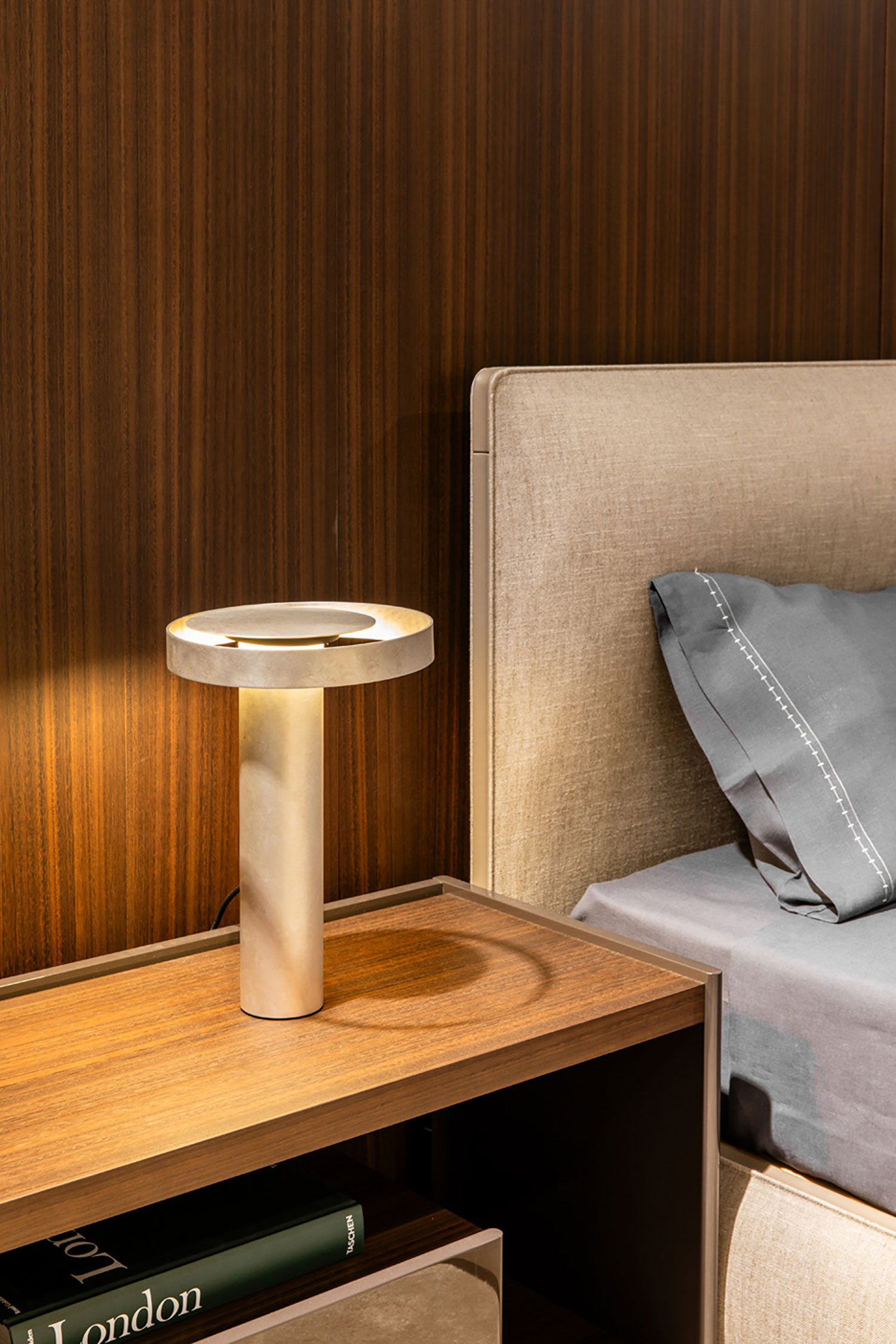
3. Beyond the Walls: Light Temperature in Commercial and Outdoor Spaces
The principles of light temperature extend beyond residential settings, playing a crucial role in commercial and outdoor environments as well.
Offices: Maximizing productivity and employee well-being
In office spaces, the focus is often on maximizing productivity and employee well-being. A neutral to cool white light, generally ranging from 3500K to 5500K, is typically recommended . It is generally advised to avoid light temperatures below 3500K in work areas, as they can be too yellow and potentially reduce productivity . Cooler light encourages alertness and productivity, creating an environment conducive to work . For areas like cafeterias and break rooms, where relaxation is encouraged, warmer temperatures in the 3000K to 3500K range can be more suitable . In conference rooms, a neutral lighting around 4000K to 4500K can help create a professional atmosphere conducive to meetings and concentration .
Retail Spaces: Enhancing product appeal and customer experience
In retail environments, light temperature plays a vital role in enhancing product appeal and influencing customer experience. A warm to neutral white light, typically between 2700K and 4000K, is often used . Most retail applications tend to favor a range of 3000K to 3500K . However, for creating a higher-energy environment or to make specific colors stand out, cooler temperatures in the 4000K to 5000K range might be employed . The optimal choice often depends on the specific brand, the desired atmosphere, and the location of the store . For instance, jewelry stores might opt for brighter, cooler light, up to 5000K, to showcase the brilliance of their products .
Outdoor Lighting: Balancing security, aesthetics, and functionality
Outdoor lighting serves a variety of purposes, from security and safety to enhancing aesthetics and functionality. Consequently, the recommended Kelvin range can vary widely. For areas like patios, gardens, and outdoor seating, a warm white light in the 2000K to 3000K range creates a cozy and inviting ambiance . For pathways, driveways, and entryways, a natural white light between 3500K and 4000K often provides a good balance of visibility and a pleasant appearance . In areas where security is a priority, cool white light in the 4000K to 6500K range is often preferred due to its brighter and more alert feel . To highlight architectural elements, a warmer light in the 2500K to 2700K range can add a touch of elegance without harshness .
4. The Impact of Light Temperature on Human Experience
Light temperature has a profound effect on various aspects of human experience, influencing our biological rhythms, mood, and even health.
The link between light temperature and circadian rhythms
The color temperature of light plays a significant role in regulating our circadian rhythms, the body’s natural sleep-wake cycle. Cooler color temperatures, characterized by higher Kelvin values and a greater presence of blue light, can suppress the production of melatonin, a hormone crucial for sleep . Exposure to such light, especially in the evening, can disrupt our natural sleep patterns. Conversely, warmer color temperatures, with lower Kelvin values and less blue light, help prepare the brain for rest in the evening . Recognizing this link has led to the development of human-centric lighting, which aims to improve well-being by mimicking the natural light cycles of the day, providing cooler, brighter light during the day and warmer, dimmer light in the evening .
Effects on mood, alertness, and sleep patterns
Different light temperatures can evoke distinct emotional and physiological responses. Cooler temperatures are generally associated with promoting energy and alertness, making them suitable for tasks requiring concentration . Warmer temperatures, on the other hand, tend to foster feelings of rest and coziness, creating a more relaxed atmosphere . While these are general trends, some research suggests more complex interactions. For instance, one study indicated that a positive mood might be higher in environments with cool colors and warm lighting . Furthermore, while warm light is often linked to positive mood, cool light has been shown to potentially enhance productivity . These findings highlight the intricate relationship between light temperature and human psychological and cognitive states.
Considerations for eye health
The impact of light temperature on eye health is also an important consideration. Warmer color temperatures, particularly in the range of 2700K to 3500K, are generally recommended for better eye health due to their lower emission of blue light . Excessive exposure to blue light, especially from cooler light sources and electronic screens, can potentially cause eye strain and disrupt sleep patterns . Therefore, opting for warmer light in the evening and in areas where prolonged exposure is expected can be a beneficial choice for visual comfort and overall well-being.
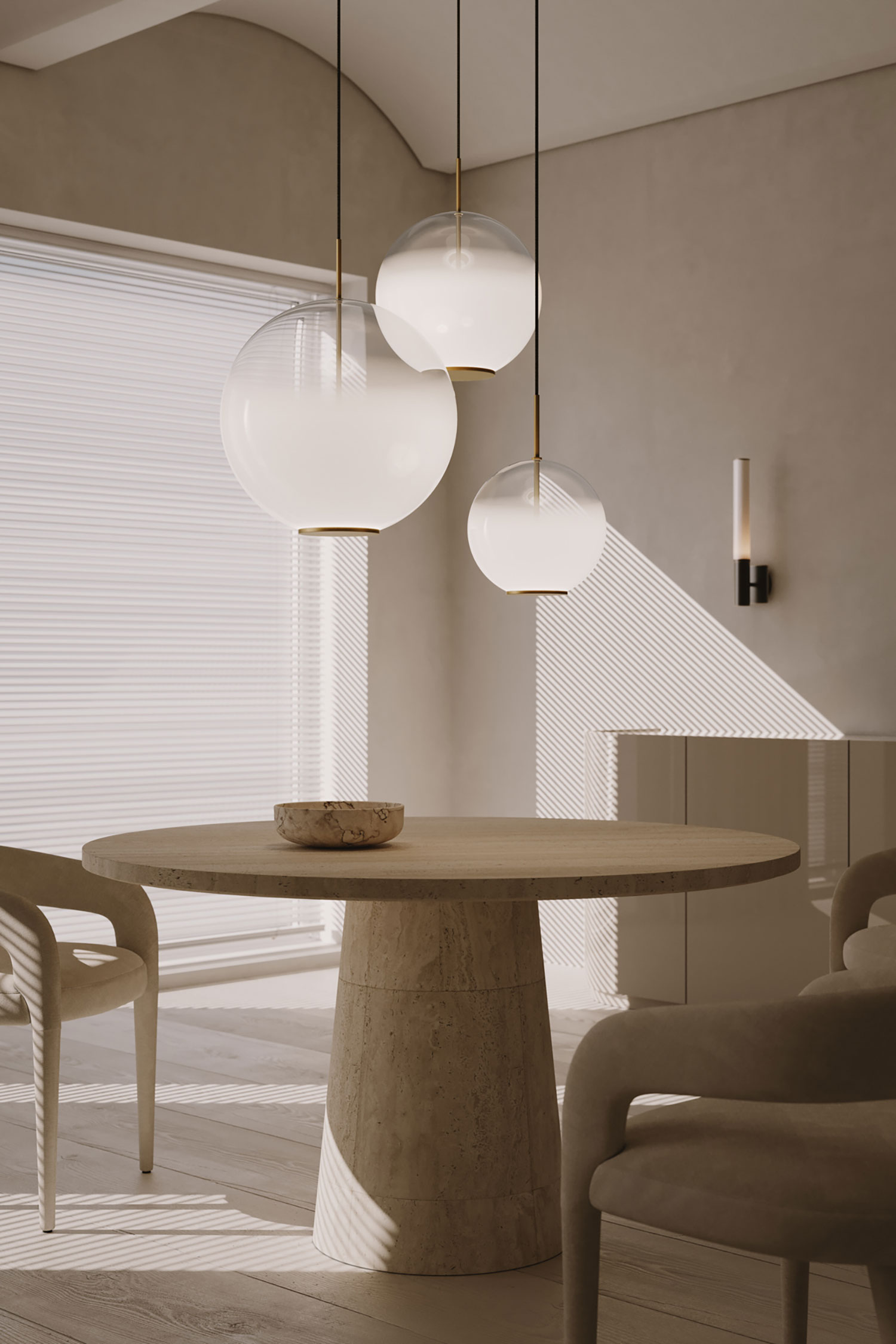
5. Integrating Light Temperature with Design and Efficiency
The selection of light temperature should not only consider functionality and well-being but also how it integrates with the overall design of a space and its energy efficiency.
How light temperature complements different interior design styles
Light temperature can significantly enhance or detract from the intended aesthetic of an interior design style. For example, in homes with warm wood tones, such as those in the Craftsman style, lower Kelvin temperatures tend to complement the rich, natural hues . Conversely, in contemporary houses with sleek finishes, a crisp white light at a higher Kelvin can accentuate the clean lines and modern feel . Traditional interior designs often benefit from the inviting warmth of lower CCTs, highlighting rich fabrics and ornate details . Modern and contemporary styles, with their emphasis on minimalism, often pair well with neutral to cool CCTs, maintaining a clean and stark aesthetic . Industrial and urban interiors frequently utilize cooler color temperatures to reflect their raw, unfinished aesthetic . Scandinavian and Nordic designs, which prioritize bright and airy spaces, often employ neutral to cool CCTs to mimic natural daylight . Even eclectic and bohemian styles can leverage a blend of warm and cool CCTs to reflect their varied and vibrant nature .
The relationship between light temperature and energy efficiency of various lighting technologies (LEDs, etc.)
While light temperature itself is a measure of color appearance, the technology used to produce that light has significant implications for energy efficiency. LEDs (Light Emitting Diodes) are a highly energy-efficient lighting technology, using considerably less energy than traditional incandescent bulbs, often by at least 75% . LEDs are available in a wide range of color temperatures, making it possible to achieve both the desired ambiance and significant energy savings. Incandescent bulbs, in contrast, are the least energy-efficient option, with most of their energy being released as heat rather than light . LEDs also emit very little heat compared to incandescent and even compact fluorescent (CFL) bulbs . Therefore, when considering light temperature for a space, opting for LED technology allows for a greater flexibility in color choice while also minimizing energy consumption and reducing environmental impact.
6. Practical Tips for Choosing and Implementing Light Temperature
Selecting the right light temperature involves considering several factors to ensure optimal results.
Considering the purpose and activities in each space
The most crucial step in choosing light temperature is to consider the purpose and activities that will take place in each space . The desired mood or ambiance should also be a primary factor in the decision-making process . For areas where relaxation is the goal, warmer temperatures are generally preferred, while spaces dedicated to tasks requiring focus benefit from cooler light . It is also important to consider any detail-oriented tasks that will be performed, as these often require brighter light, which is more readily available in the neutral to cool part of the spectrum .
The role of light layering and fixture selection
A well-designed lighting scheme often incorporates light layering, using a combination of ambient, task, and accent lighting to achieve both functionality and visual appeal . Functional lights, such as those used for reading or food preparation, typically benefit from higher color temperatures to provide adequate illumination . In contrast, mood lighting, intended to create a specific atmosphere, often utilizes lower temperatures to evoke warmth and intimacy . The selection of light fixtures should also complement the chosen light temperature and contribute to the overall aesthetic of the space.
Maintaining consistency across light sources
To create a visually comfortable and harmonious environment, it is essential to maintain consistency in light temperature across all light sources within the same room . Mixing different Kelvin temperatures can lead to an unbalanced and uncomfortable feeling, disrupting the overall ambiance . Therefore, when selecting bulbs or fixtures for a particular room, it is advisable to ensure that they all fall within the same recommended Kelvin range.
Utilizing dimmers and adjustable temperature fixtures
For added flexibility and control over the lighting environment, consider utilizing dimmers and adjustable temperature fixtures . Dimmers allow for easy adjustment of the light intensity, enabling the creation of different moods and atmospheres as needed . Adjustable temperature LED lights offer an even greater level of customization, allowing users to switch between warm and cool color temperatures to suit various activities or times of day . These features provide the ability to adapt the lighting to specific needs and preferences, enhancing both the functionality and the experience of the space.
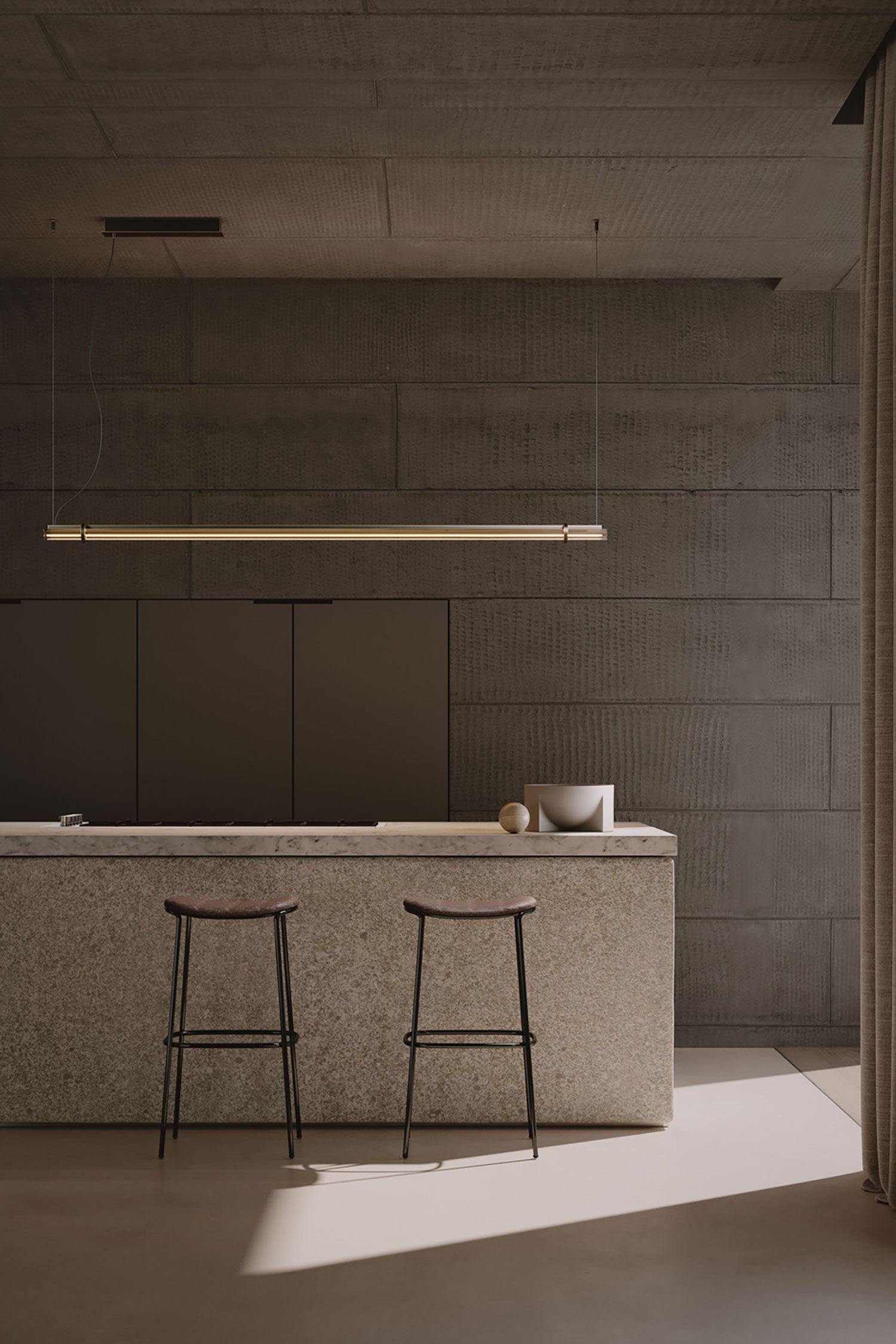
7. Exploring the Latest Trends in Adjustable Light Temperature
The field of lighting is continuously evolving, with several exciting trends emerging in adjustable light temperature technology.
Tunable white lighting and its benefits
Tunable white lighting is a significant trend that allows users to adjust the color temperature of their lights across a spectrum of white, typically from warm to cool . This versatility offers numerous benefits, including the ability to customize lighting for different activities or times of day . Tunable white systems can also be designed to mimic natural light cycles, supporting healthy circadian rhythms and improving overall well-being . This technology is becoming increasingly popular in various spaces, including homes, offices, and hospitality environments, where flexible lighting solutions are highly valued . Furthermore, studies suggest that tunable white lighting can even improve productivity and alertness in work or study areas .
Smart lighting systems with color temperature control
The rise of smart lighting systems has brought unprecedented control over home and commercial lighting. These systems often include the ability to adjust not only the brightness but also the color temperature of the lights via smartphones or integration with home automation platforms . Users can remotely control their lights, set lighting schedules based on their preferences or the time of day, and even create customized lighting scenes for different occasions . Beyond convenience, smart lighting systems can also contribute to energy efficiency by ensuring lights are only used when and where needed .
Human-centric lighting concepts
Human-centric lighting (HCL) represents a paradigm shift in lighting design, focusing on the impact of light on human health and well-being . HCL systems are designed to mimic the natural changes in daylight intensity and color temperature throughout the day . The goal is to promote alertness and productivity during the day by providing cooler, brighter light, and to support relaxation and sleep in the evening with warmer, dimmer light . By aligning indoor lighting with our natural circadian rhythms, HCL aims to reduce eye strain, improve sleep quality, and enhance overall mental and physical well-being .
Conclusion: Mastering Light Temperature for Optimal Spaces
The journey through the spectrum of light temperature reveals its profound influence on our lives. From setting the mood in our homes to enhancing productivity in workplaces and ensuring safety outdoors, the color of light is a powerful tool. By understanding the principles of Kelvin and CCT, and by thoughtfully considering the specific needs of each space, individuals can make informed decisions that optimize their environments for comfort, functionality, and well-being. The latest trends in adjustable and smart lighting technologies offer even greater control and customization, paving the way for human-centric lighting solutions that align with our natural rhythms. Ultimately, mastering light temperature is about more than just illumination; it is about harnessing the power of light to create spaces that truly enhance the human experience.