


The 2026 edition of Milan Design Week marked a decisive return to intentionality, focusing on projects that bridge the gap between high-tech research and human emotion. Moving beyond the traditional product showcase, our selection focuses on the installations that resonated most deeply—those that challenged our perception of space, material innovation, and collective well-being. This is the urdesign guide to the essential experiences that defined the conversation in Milan this year.

1. Radical Introspection: Pink Labyrinth by Lina Ghotmeh
At Palazzo Litta, Lina Ghotmeh’s Pink Labyrinth stood as a masterstroke of slow-design. This geometric journeyforced a meditative pace amidst the frantic energy of the week, demonstrating how architecture can dictate a psychological rhythm and foster discovery through silence.
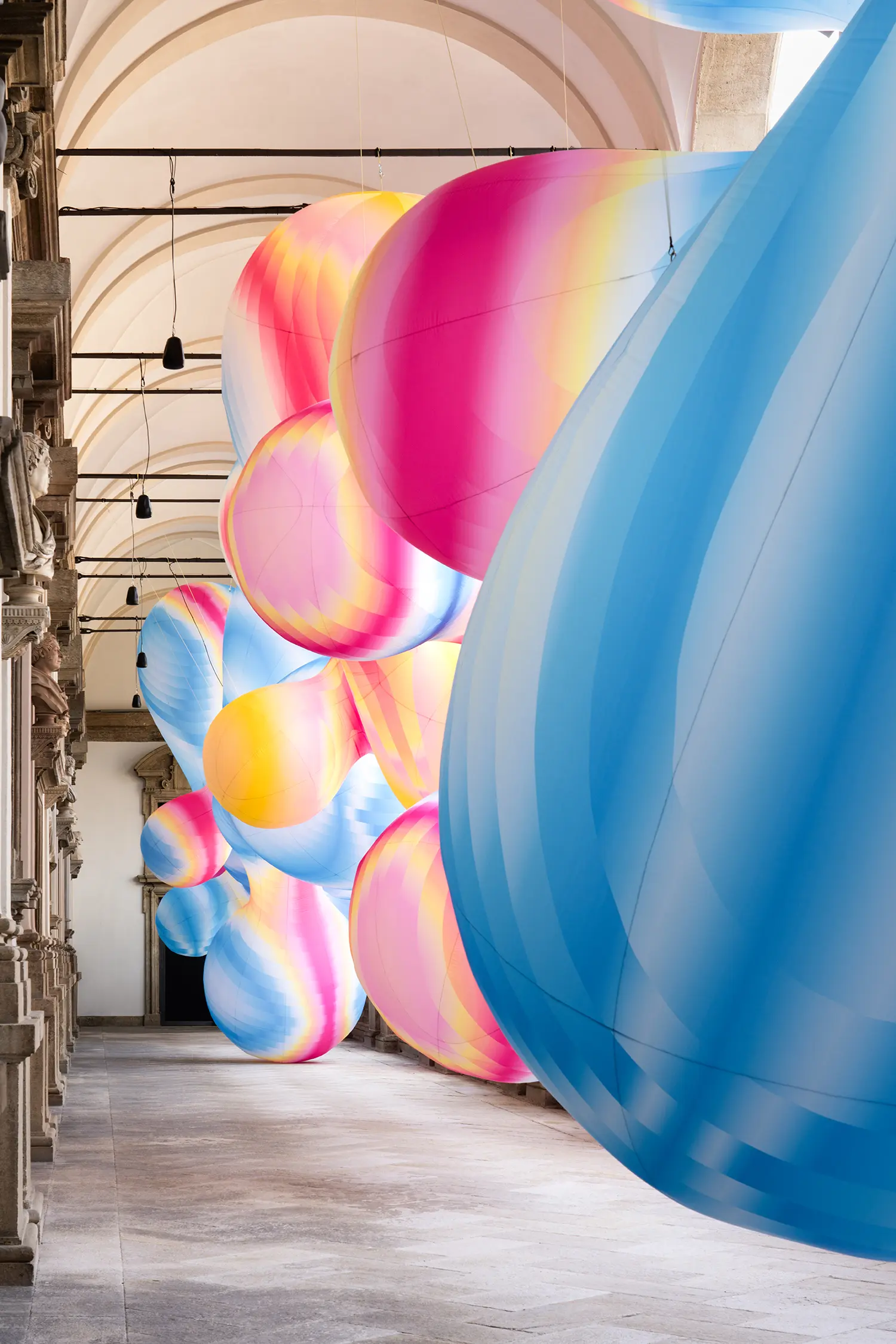
2. Neuro-Aesthetics: Serotonin by Sara Ricciardi
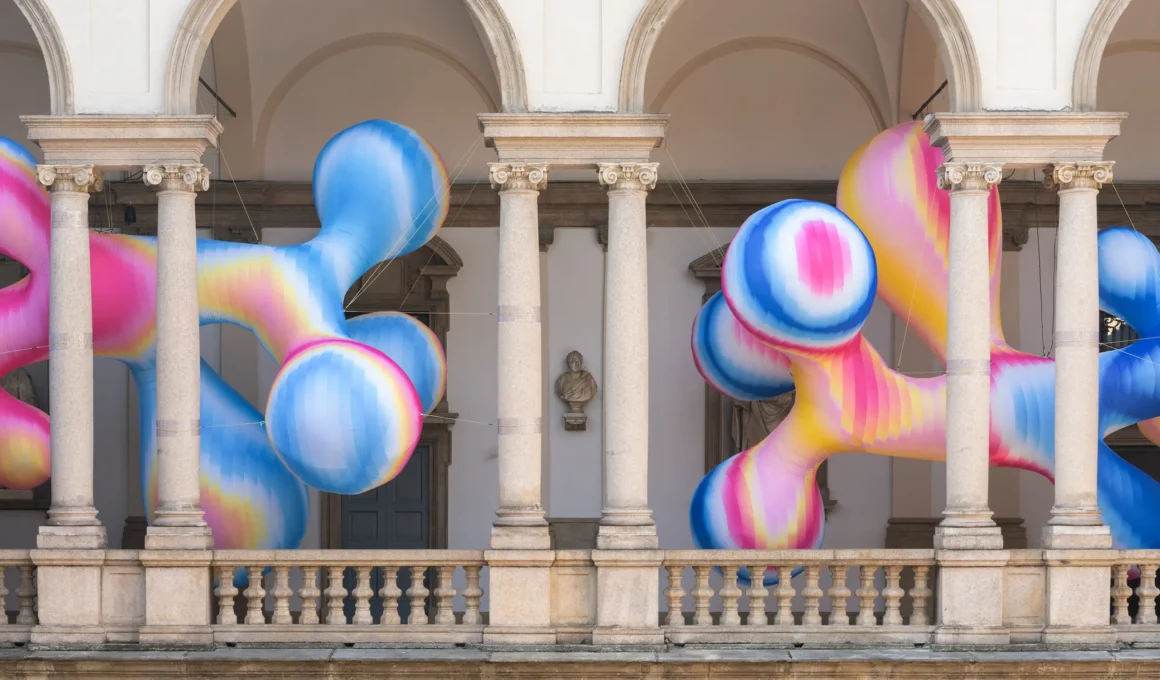
A bold experiment in collective joy. Sara Ricciardi’s “Serotonin” for American Express at Palazzo Cusani translated the biochemistry of happiness into a physical, inflatable landscape, proving that neuro-design is a powerful tool for redefining public environments and commercial hospitality.
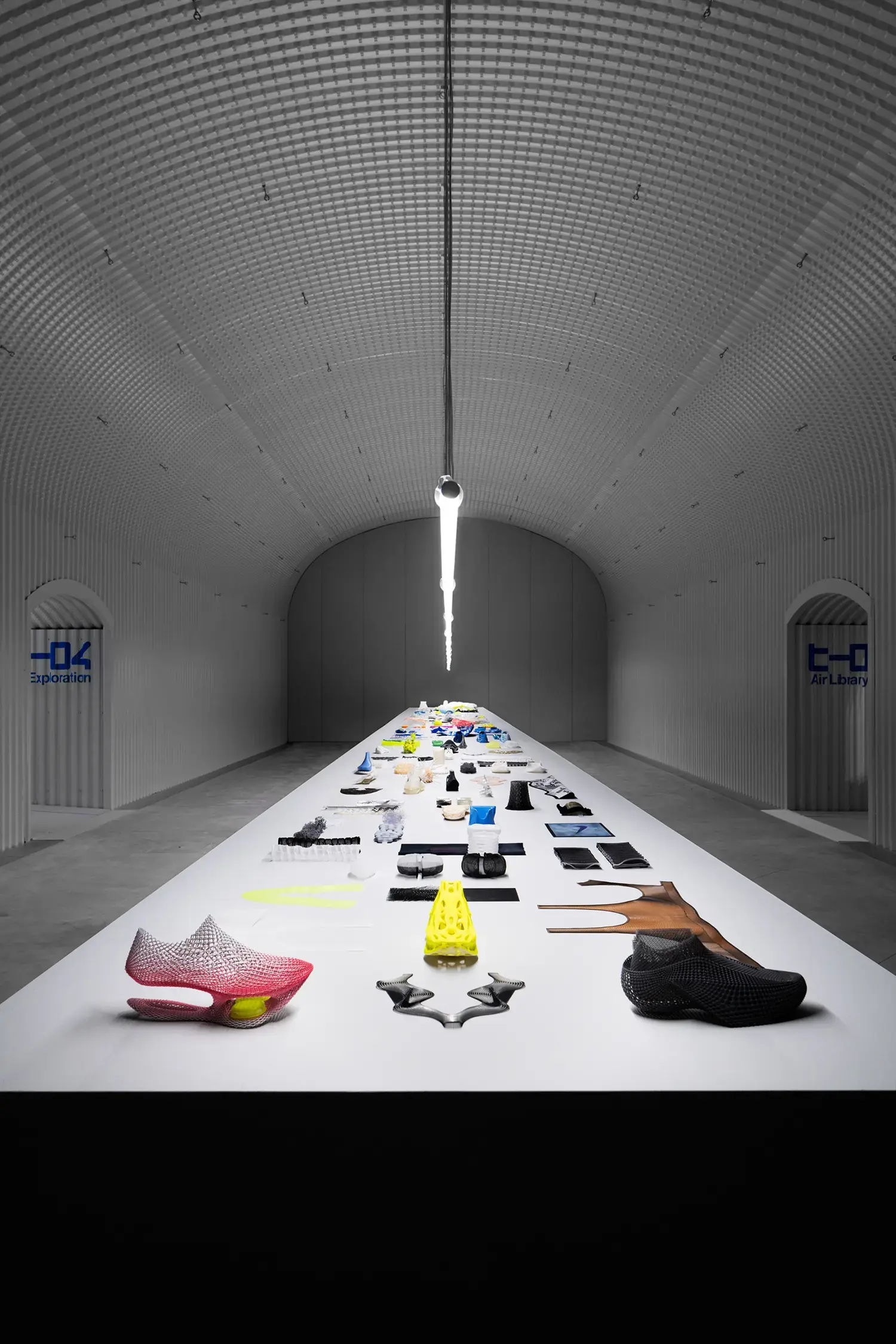
3. High-Performance Circularity: Nike Airlab at Dropcity
Located in the industrial tunnels of Dropcity, the Nike Airlab was a technical highlight. By treating pressurized air as a primary building block, Nike showcased the future of sustainable innovation and high-performance materials in a raw, immersive setting.

4. Space Age Nostalgia: MCM Disco on Mars by Atelier Biagetti
Atelier Biagetti’s “Disco on Mars” for MCM brought a much-needed sense of irony and narrative to the week. It was a high-energy exploration of fashion, design, and travel, merging intergalactic aesthetics with functional luxury lifestyle.
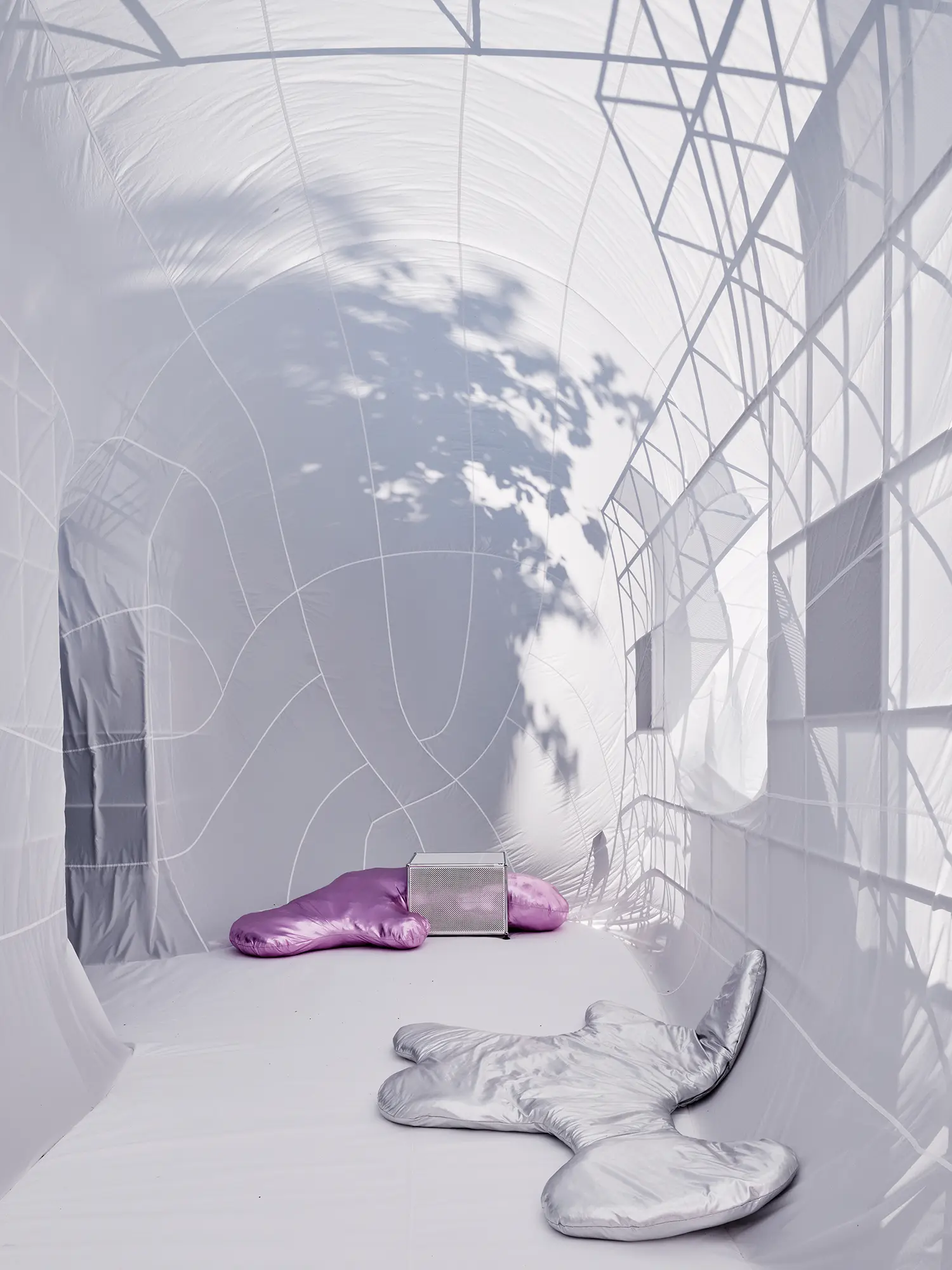
5. Material Honesty: Renaissance of the Real by Snøhetta x USM
In the Brera Design District, the collaboration between Snøhetta and USM offered a powerful antidote to the digital blur. Focusing on tactile presence and modular longevity, it reaffirmed the importance of the physical world in a hyper-digital age.
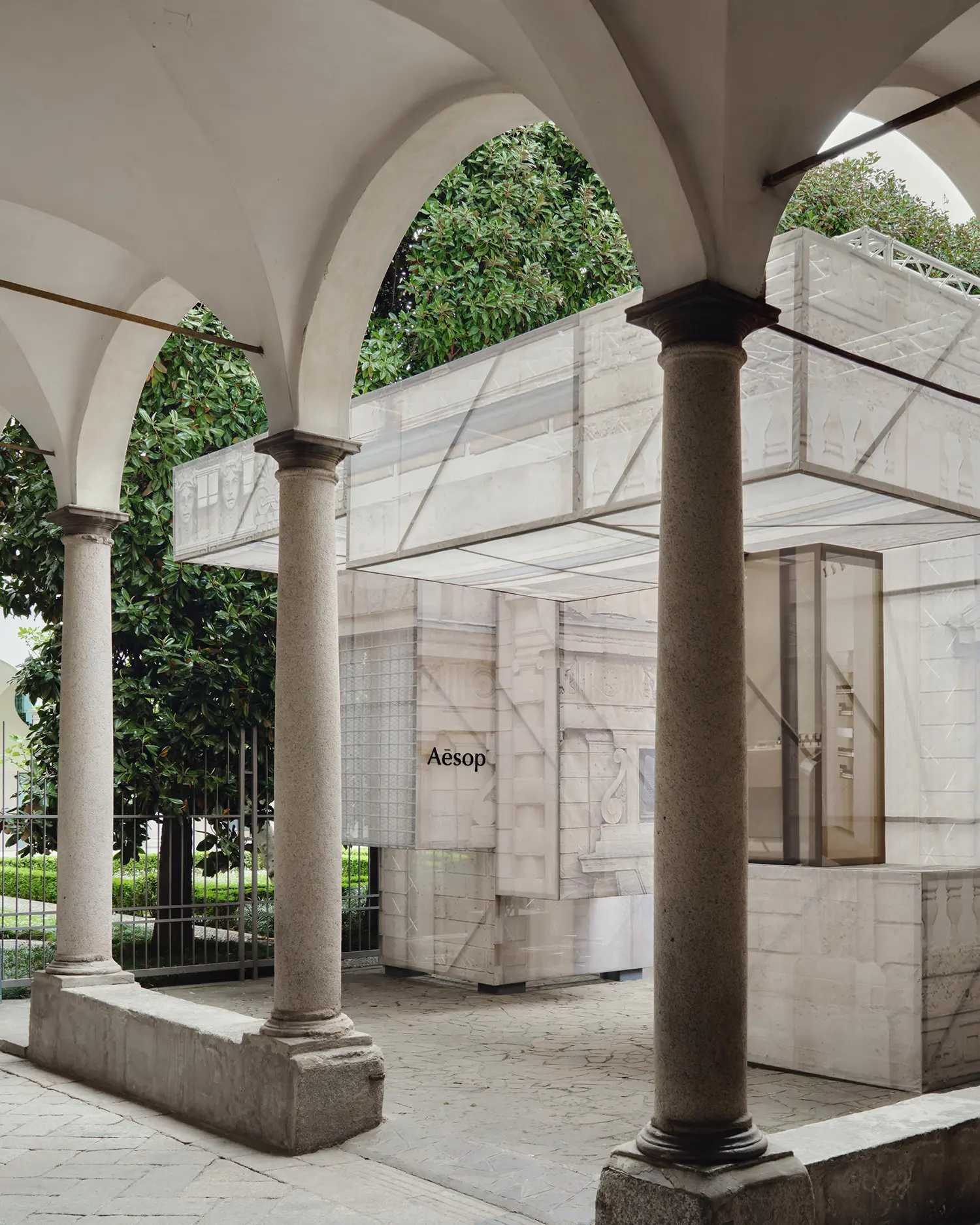
6. Atmospheric Clarity: Aesop’s Factory of Light
By Rodney Eggleston within the Oratory of San Carlo, Aesop’s “Factory of Light” manipulated illumination as a raw material. The use of translucent architectural layers created an atmosphere of profound clarity, sharpening the sensory perception of the historic space.
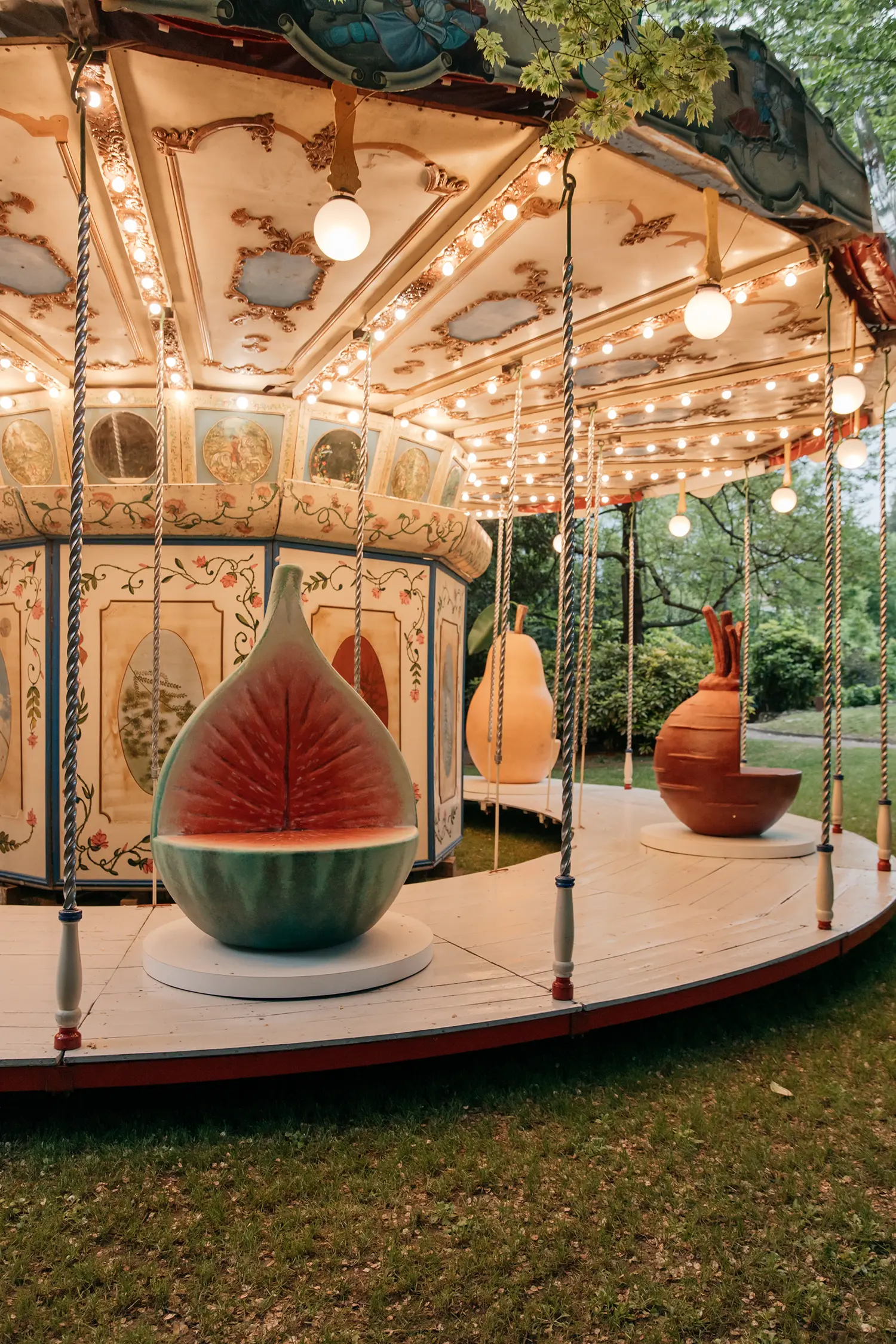
7. Playful Hospitality: Arket Carousel by Laila Gohar
Food and design converged at the Arket Carousel by Laila Gohar. This project reimagined the ritual of the snack as a whimsical, kinetic experience, highlighting how spatial storytelling can transform even the simplest human interactions.
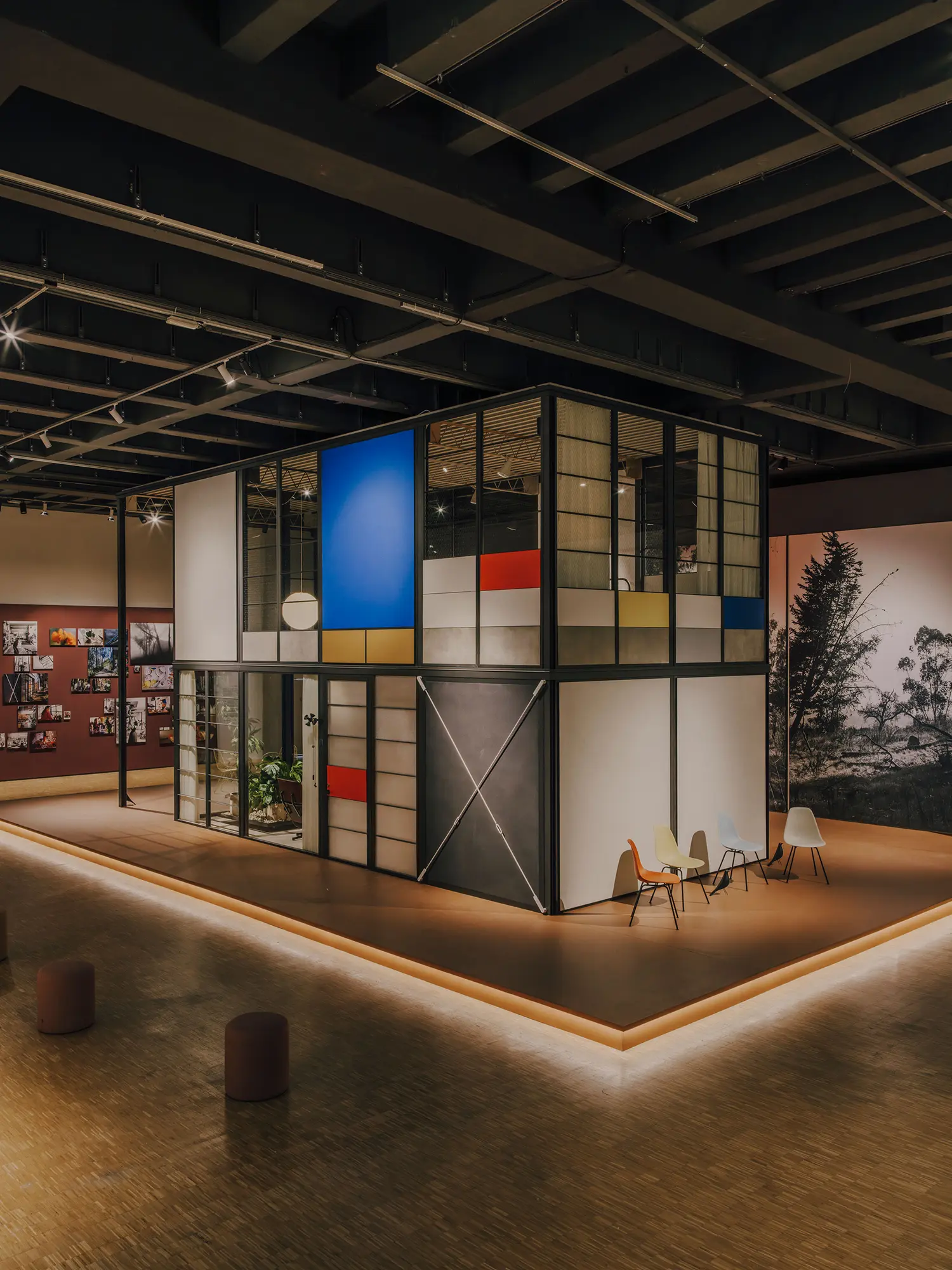
8. Architectural Fluidity: Eames Pavilion System by Kettal
Presented at the Triennale, the Eames Pavilion System by Kettal revisited the legacy of Ray and Charles Eames. It was a masterclass in modular flexibility, adapting historical design principles to modern needs for indoor-outdoor living environments.
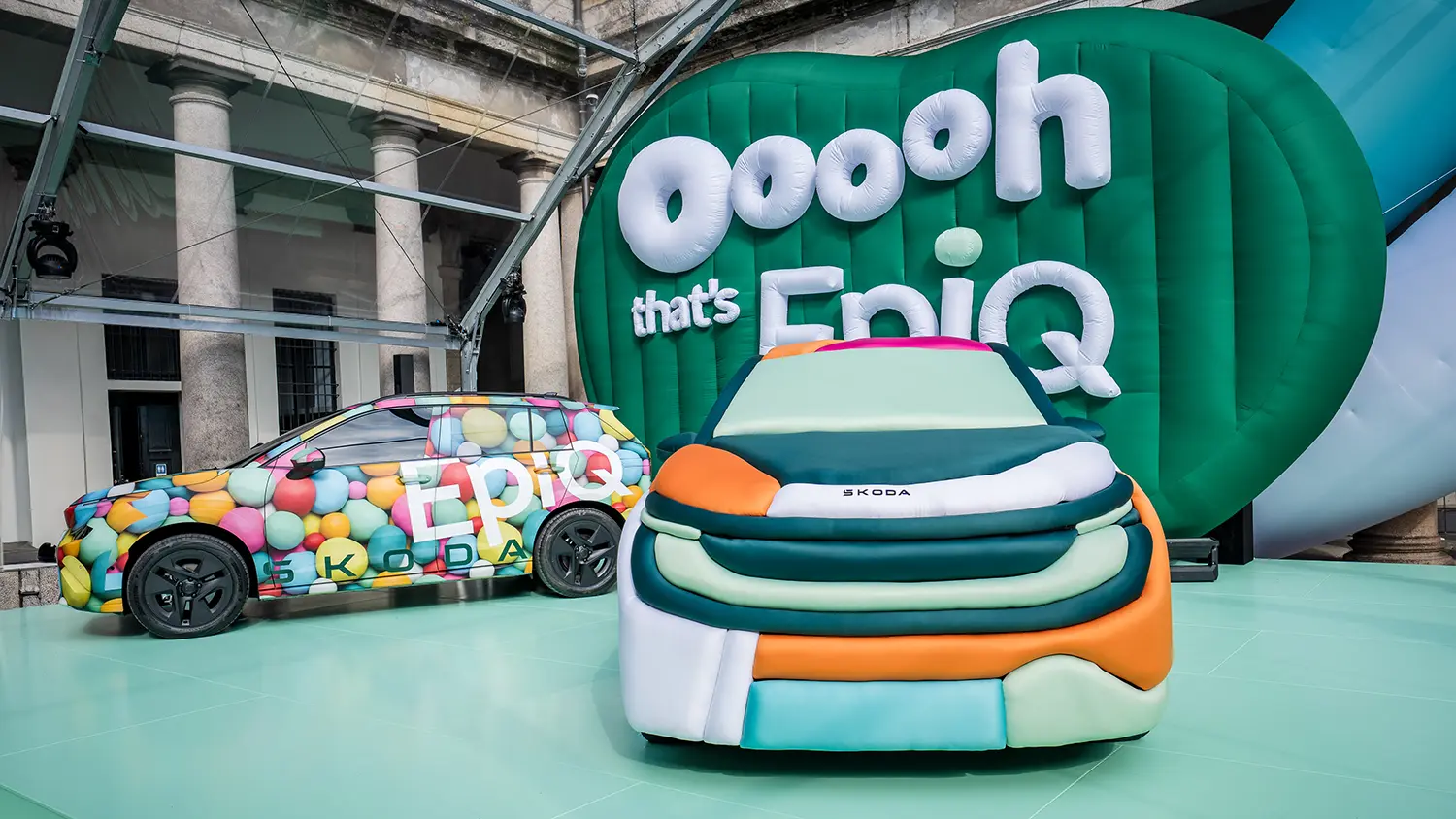
9. Digital Nature: Skoda x Ulises Studio
At Palazzo Senato, the collaboration between Skoda and Ulises Studio explored the intersection of mobility and the natural world. This installation used AI-driven aesthetics to imagine a future where automotive technology and organic forms coexist in a seamless, dreamlike landscape.
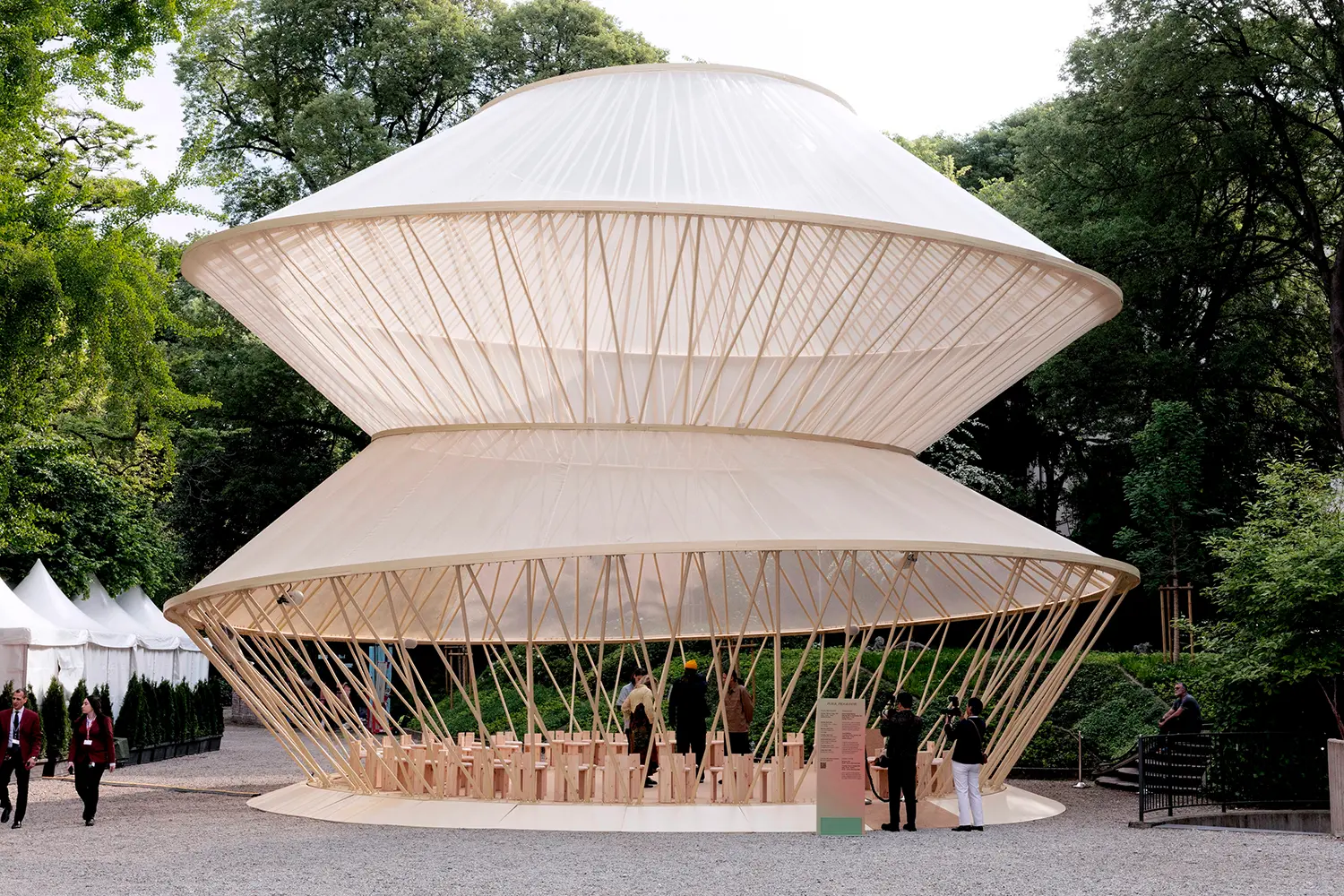
10. Poetic Ecology: When Apricots Blossom by WHY Architecture
The Garden Pavilion by WHY Architecture was a delicate study in biophilic design. Focusing on the narrative of the apricot blossom, the pavilion served as a sanctuary of soft materials and natural light, reminding us of the urgent need for a more empathetic relationship with our environment.