


The 2026 edition of the Milan Design Week has definitively shattered the traditional boundaries of the display, evolving into a sensory landscape where the emotional resonance of a space takes precedence over the physical furniture within it. This year, the shift toward a more profound, visceral experience is not just a trend but a collective response to our digital fatigue. As we navigate the city, from the hidden courtyards of the center to the industrial vaults of the outskirts, it becomes clear that we are no longer just observing a showcase; we are being absorbed by a series of choreographed atmospheres that redefine our relationship with reality.
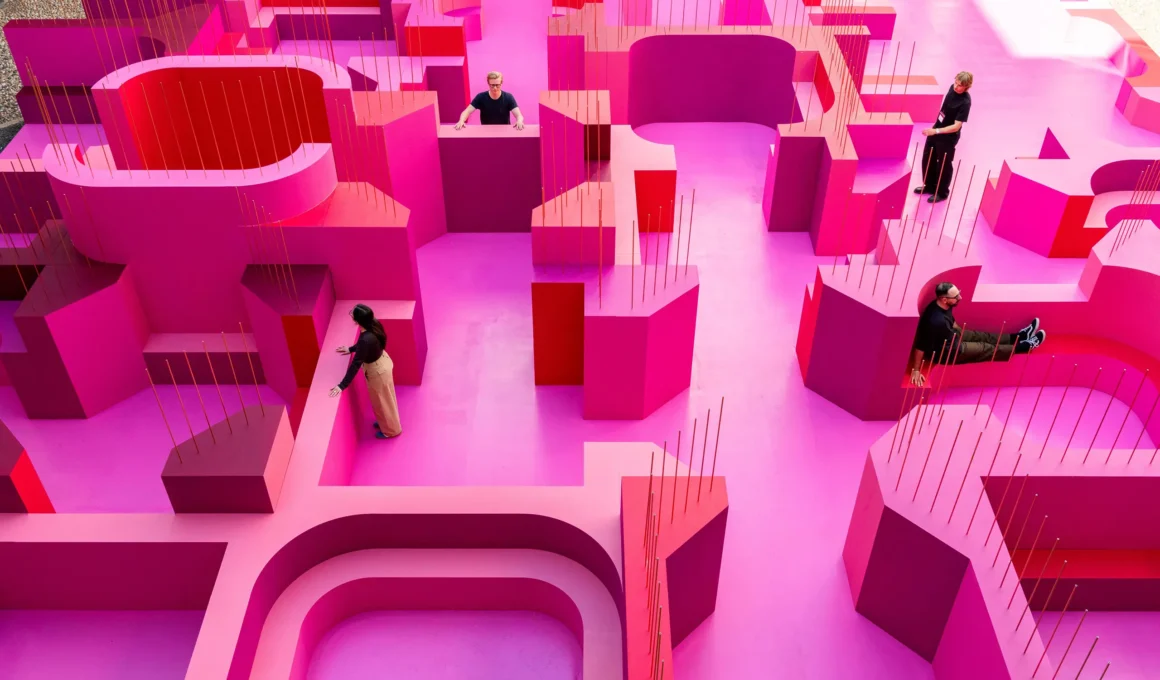
At the heart of this transformation is a renewed Renaissance of the Real, a concept masterfully explored by installations that reclaim the physical “here and now.” This emotional architecture finds its most poetic expression in the Pink Labyrinth designed by Lina Ghotmeh at Palazzo Litta. Here, the visitor is not a spectator but a protagonist lost in a structured dream. The labyrinth doesn’t just occupy space; it dictates a pace, forcing a slow-down that is rare in the frantic Milanese marathon. It is a masterful use of color and geometry to evoke a sense of discovery and introspection that lingers long after leaving the palace gates.
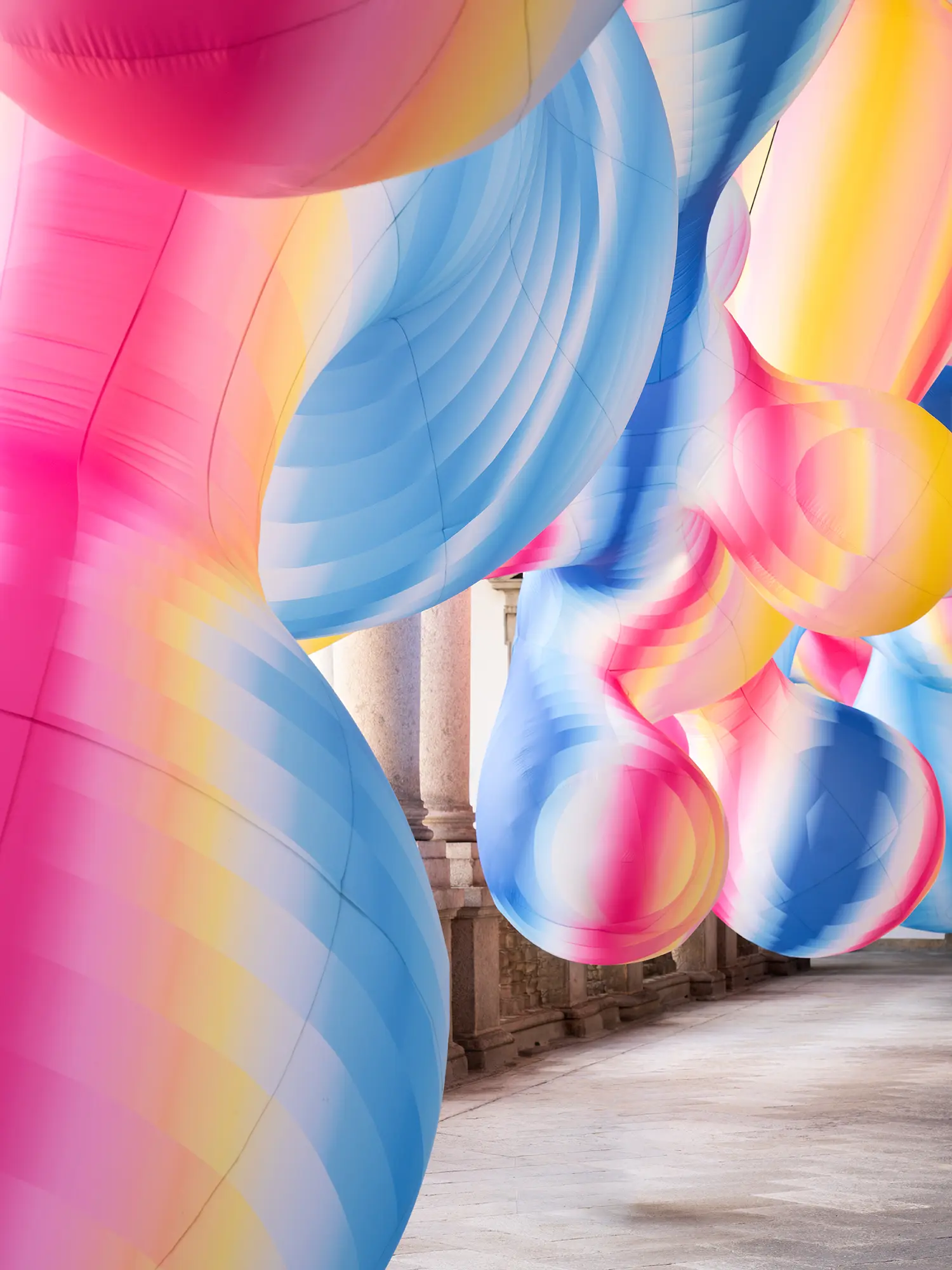
The dialogue between science and feeling continues with “Serotonin” by Sara Ricciardi for American Express. By translating the biochemistry of happiness into a physical journey, Ricciardi proves that creativity can be a tool for well-being on a molecular level. It is an unapologetic celebration of joy, reminding us that the environments we inhabit are powerful enough to alter our internal chemistry through sensory play and vibrant, immersive forms.
Even the most tech-driven giants have embraced this visceral shift. Lexus at Superstudio Più has moved far beyond the traditional display, creating an interactive landscape of light and motion. In this installation, technology is sculpted not into products, but into atmospheres. By utilizing complex light frequencies and a literal sea of mist, Lexus simulates a future that feels surprisingly human, inviting visitors to experience a deep sense of connection with the built environment. It is a powerful closing reminder that the most sophisticated technology remains our own innate capacity to perceive and feel.
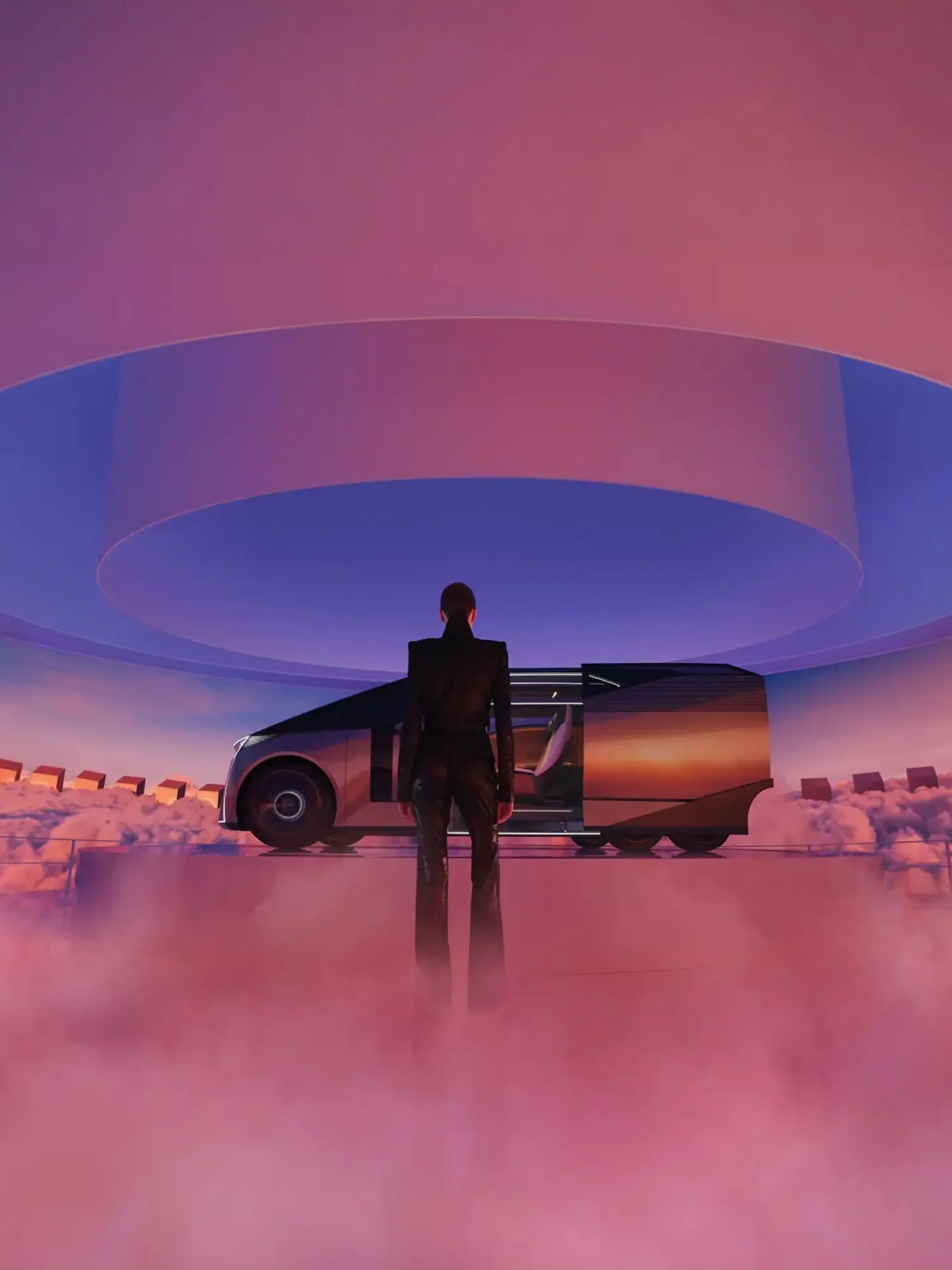
What we are witnessing is the birth of a new Neuro-Architecture. From the pressurized innovation of the Nike Airlab at Dropcity to the dopamine-rich courtyards of the center, and finally into the boundless, misty horizons of Lexus, Milan 2026 has proven that the future of design isn’t a product—it’s a state of mind. The architect’s goal is no longer to simply house the body, but to speak directly to the human nervous system.
As the sun sets on this edition, the takeaway for the global community is profound. Milan has demonstrated that while a project may begin with a sketch, its success is now measured by the depth of the emotional memory it leaves behind. In an age of artificial perfection, our most valuable resource remains our capacity for wonder. Milan Design Week 2026 hasn’t just shown us beautiful objects; it has staged a living, breathing experiment on what it means to be truly present in a designed world.