

A vision of the “imminent-future” took center stage at Le Jardin d’Acclimatation in Paris, where Louis Vuitton Men’s Creative Director Pharrell Williams unveiled a collection that fundamentally shifts the dialogue from seasonal trends to structural endurance. Moving away from the abstract sci-fi tropes that often plague futuristic fashion, Williams presented a wardrobe rooted in “Timelessness”—a philosophy where garments are treated as essential equipment for human life. The collection explores a luxury measured by utility, where the artisanal heritage of Studio Homme meets a scientific rigor, resulting in a sartorial language that prioritizes protection, breathability, and adaptability above mere aesthetic artifice.
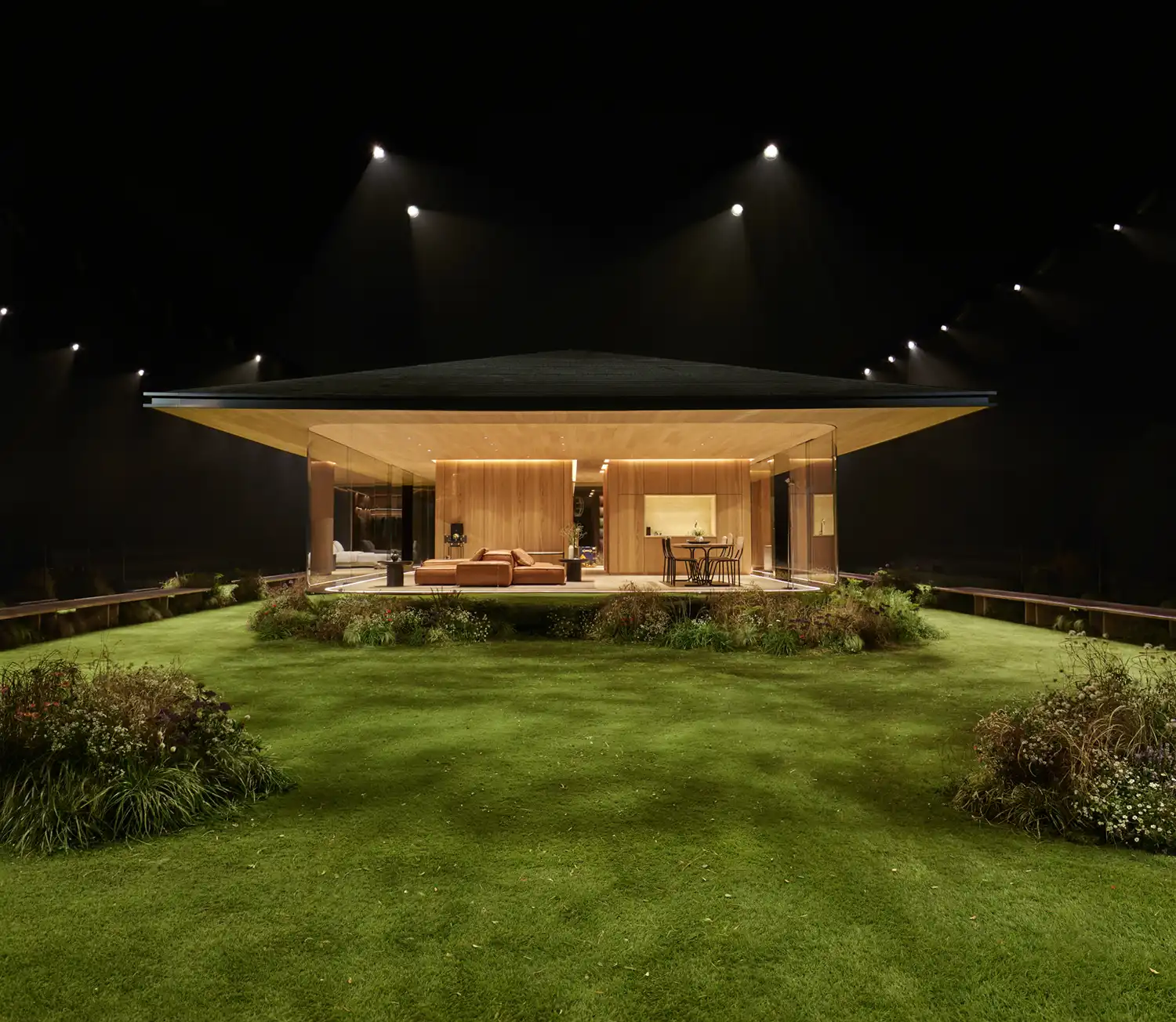
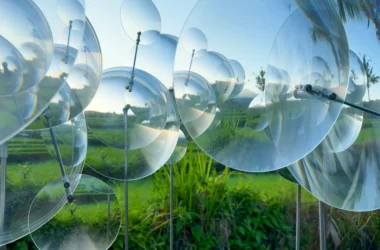
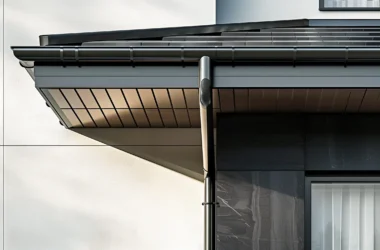
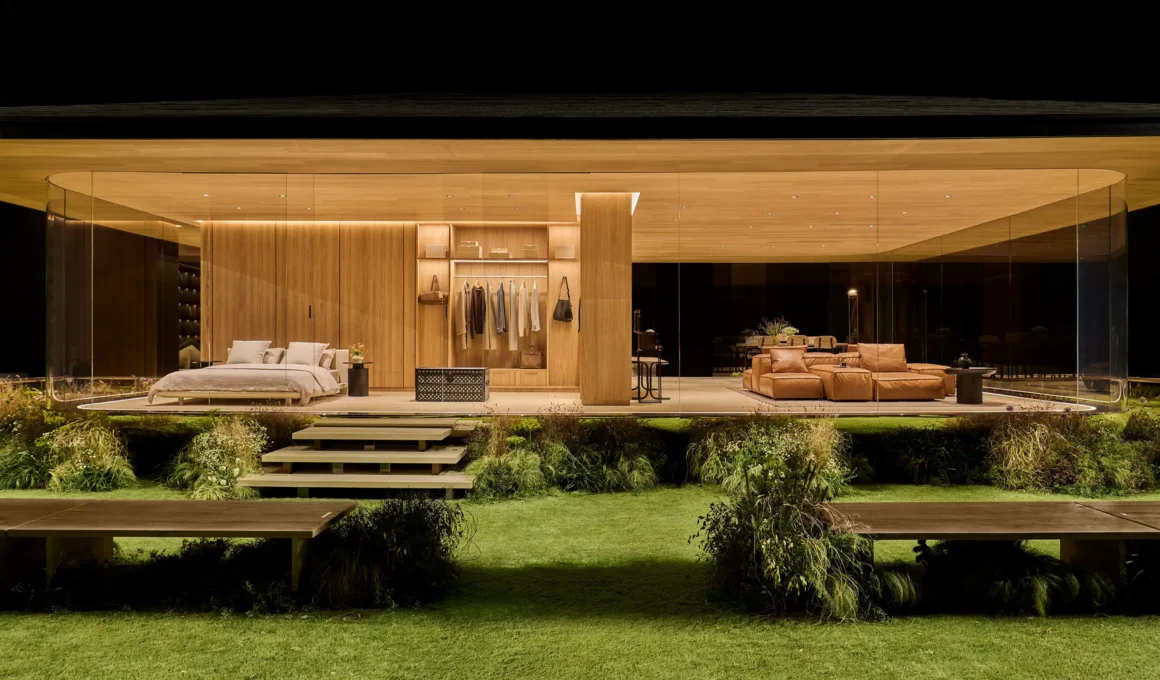
The sensory centerpiece of the event was the DROPHAUS, a prefabricated residential concept born from the collaboration between Williams and the disruptive Japanese hospitality brand Not A Hotel. Arriving on-site as a wooden freight crate, the structure unfolded into a droplet-inspired sanctuary, symbolizing the ripple effect of design on human habitability. This “world within a world” was further elevated by a bespoke olfactory landscape crafted by Jacques Cavallier Belletrud, whose scent captured the damp, verdant notes of the surrounding Parisian gardens, blurring the boundaries between the internal domestic space and the external natural environment.
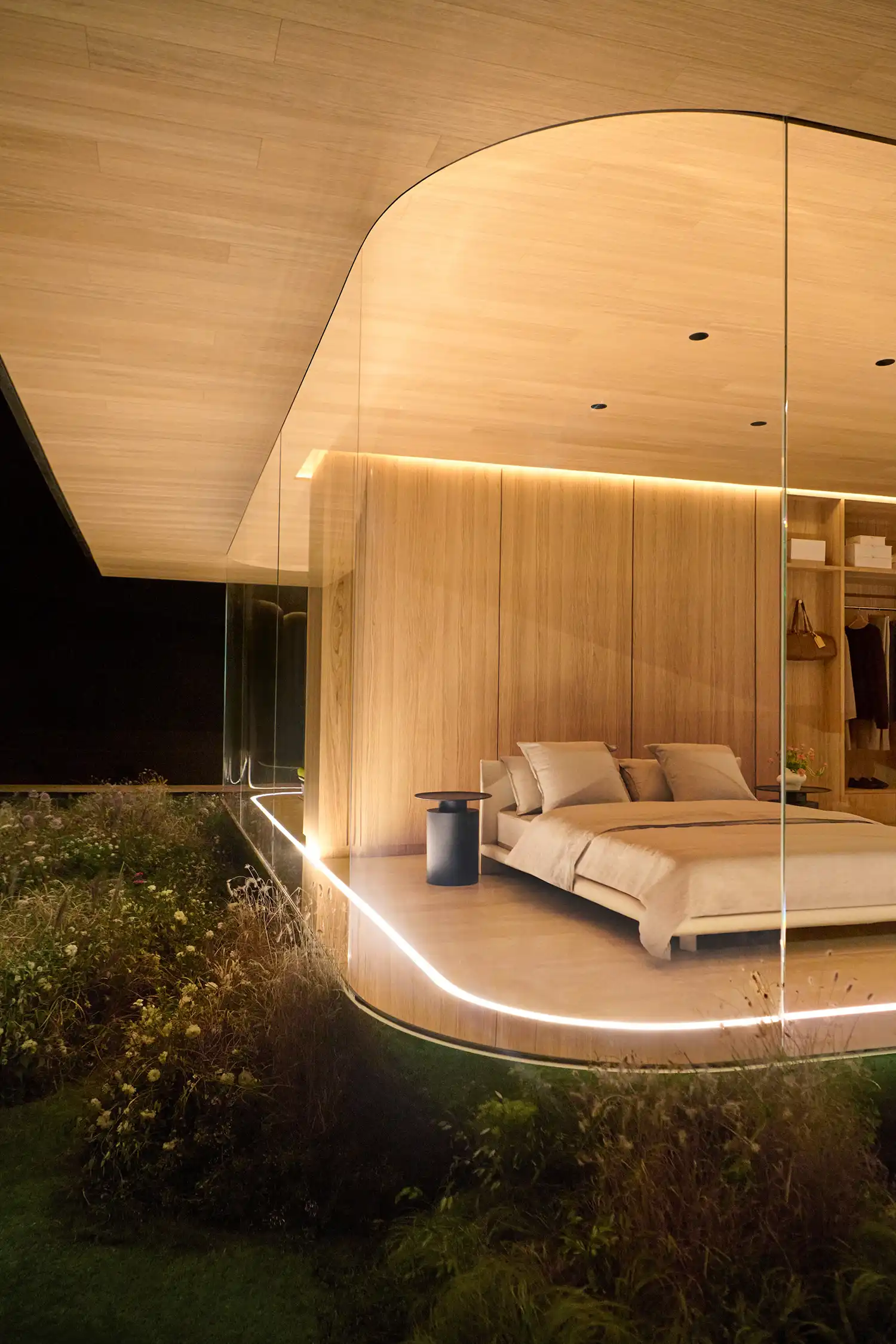
Architectural synergy and the nomadic spirit have long been at the heart of Williams’ creative output, echoing his previous ventures into high-end modular living. This latest structure feels like a spiritual evolution of the Japa Valley luxury villas in Tokyo, where Williams and Nigo first explored the intersection of heritage and hospitality. By integrating the DROPHAUS into the runway, Louis Vuitton bridges the gap between the clothes we wear and the spaces we inhabit,suggesting that the future of the Louis Vuitton dandy is one of curated, intentional nomadism where “home” is a high-performance, prefabricated reality.
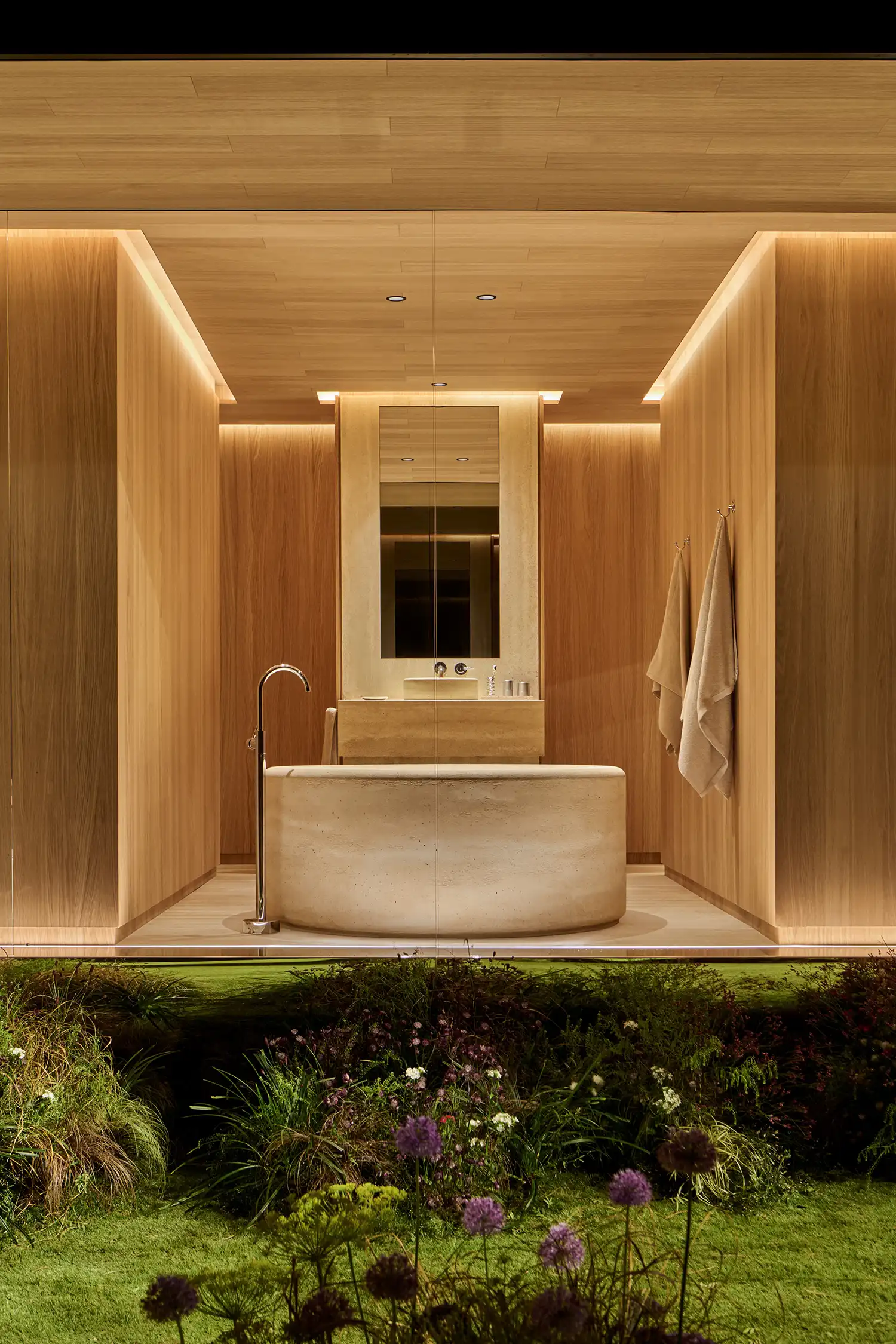
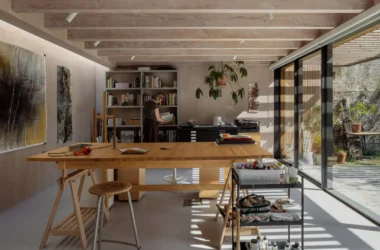
Technical ingenuity defines the “Timeless Textiles” that comprise the season’s silhouettes. Developed by the craftsmen of the Louis Vuitton Studio Homme, these materials perform a dual role: they are both illusory in their finish and performative in their function. We saw silhouettes that appeared weightless yet structural, engineered to withstand the elements without sacrificing the tactile luxury of the Maison’s savoir-faire. The “hand” of the artisan remains visible throughout, particularly in the HOMEWORK furniture pieces decorating the house, where craggy, irregular lines celebrate the human touch in an era of increasing digital sterilization.
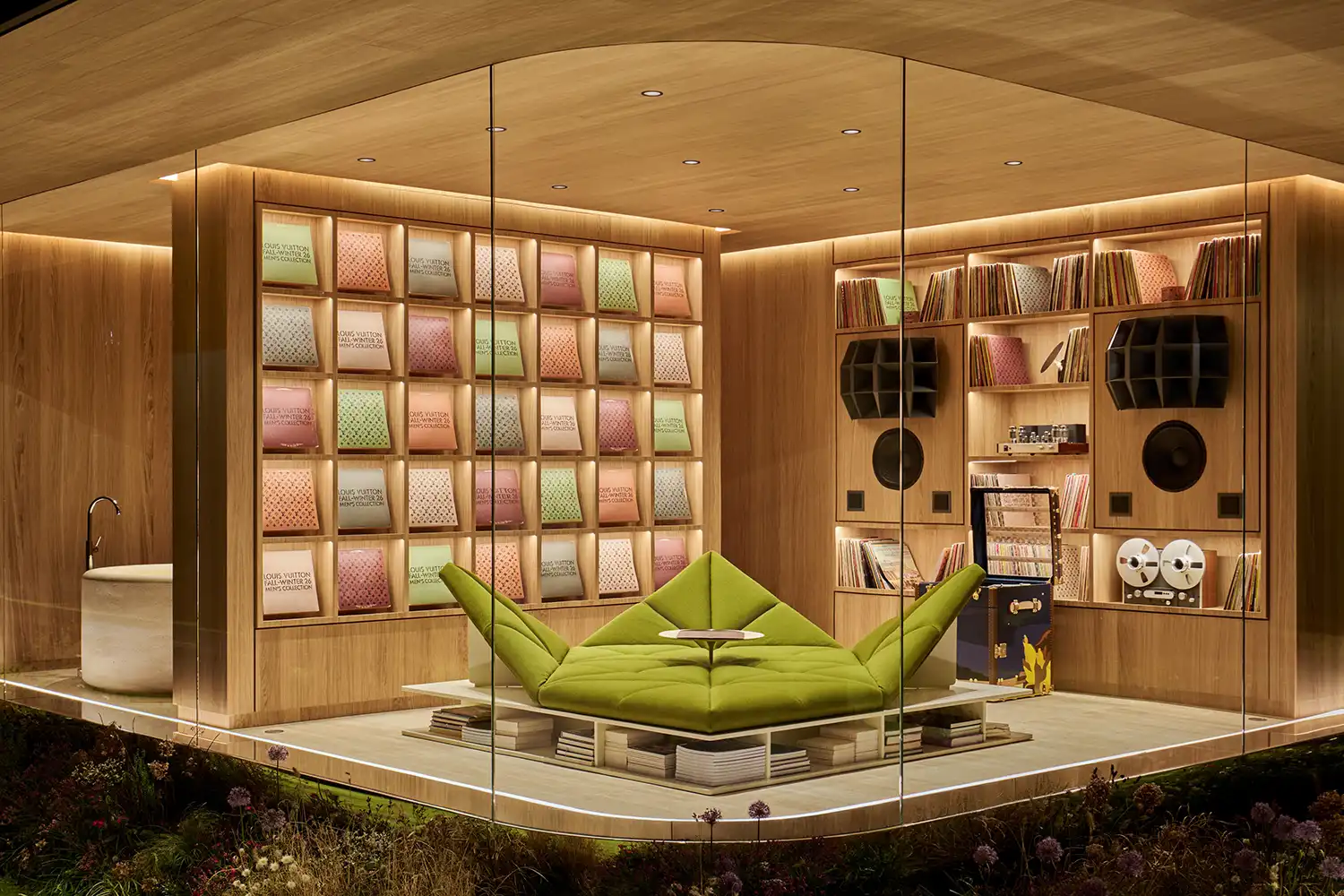
Functionalism as the new luxury was articulated through garments that acted as sartorial building blocks. The collection moved through a series of “habitual” pieces—coats that felt like shelters and trousers that suggested fluid movement. By framing the wardrobe through the lens of engineering, Williams has created a foundation for a global community that values discernment over flash. The palette and textures responded to the DROPHAUS’s organic geometry, creating a cohesive visual ecosystem where the human form is protected by both the architecture of the garment and the architecture of the home.
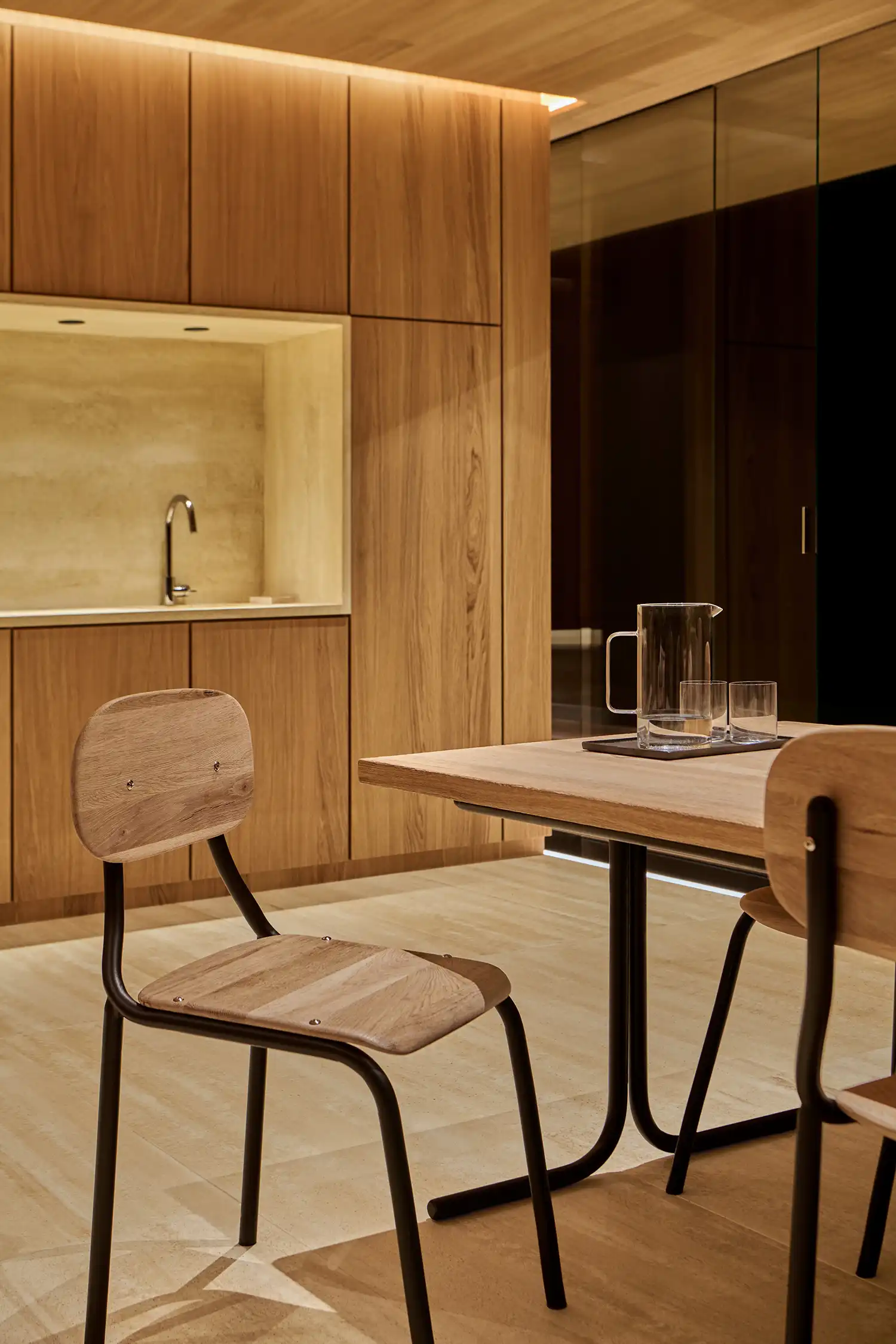
A lasting legacy for the modern era is established not through repetition, but through the refinement of quality and taste. This Fall-Winter 2026 proposal suggests that the future is not something to be feared or anticipated, but something to be built with intention. By centering the human experience—from the olfactory notes of a garden to the technical weave of a waterproof wool—Louis Vuitton reaffirms its position at the vanguard of a meaningful future. It is a bold statement on the longevity of design, proving that when function and artisanal mastery align, the result is a lifestyle that is truly timeless.