



In an era where artificial intelligence is predominantly marketed as a tool for hyper-efficiency and automated labor, a new collaborative project between London-based Map Project Office and HCI researcher Chanwoo Lee proposes a radical pivot toward the internal. Titled Cognitive Bloom, the project envisions a near-future domestic ecosystem that reframes AI as a facilitator for self-reflection rather than a shortcut to productivity. By moving away from the “black box” nature of traditional smart home devices, the team has developed a speculative interface that treats human data not as a resource to be mined, but as a living landscape to be tended.
The antithesis of digital overstimulation, the project arrives at a moment of profound fatigue within the tech landscape. As we navigate an environment increasingly saturated with “AI slop” and a relentless stream of notifications that reward surface-level engagement, our cognitive autonomy has begun to feel fragile. Cognitive Bloom addresses this by introducing a slow-technology approach, drawing on the meditative qualities of gardening to encourage a meaningful pause. It is a deliberate response to the high-pressure digital environments that have maximized screen time while arguably eroding the quality of our mental presence.

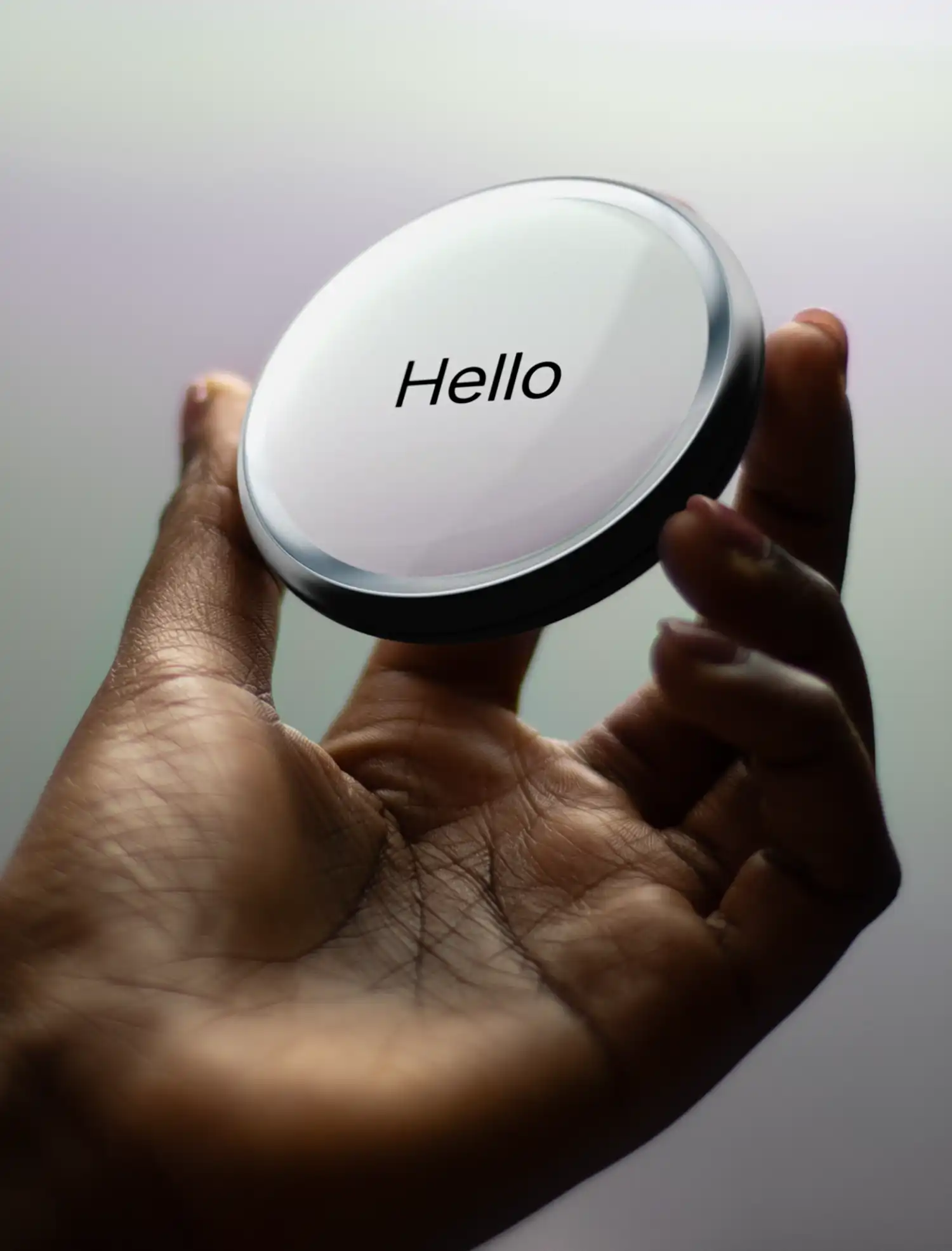
A tactile interface for the mind, the first component of this system is “The Pond,” a handheld device designed to be the primary point of physical interaction. Eschewing the glowing glass rectangles of contemporary smartphones, The Pond prioritizes a sensory, haptic-driven experience. With a simple gesture, the user can activate a flowing “word-stream” on the device’s surface—a series of first-person prompts that invite a pause for thought. These prompts guide the user through four essential domains: self-understanding, emotional support, critical thinking, and decision-making. It is a quiet, intimate ritual that transforms the act of “checking a device” into an act of self-inquiry.
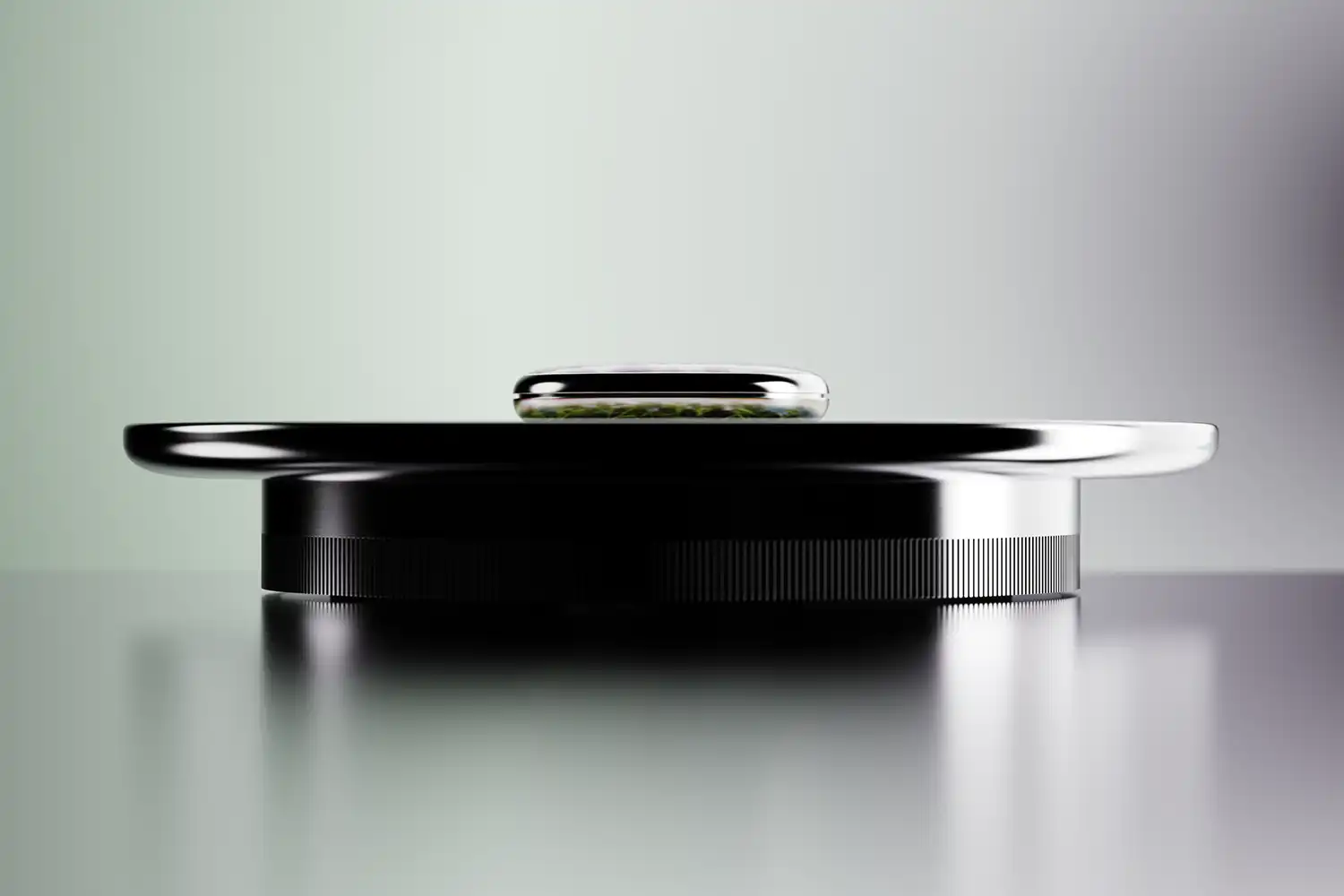
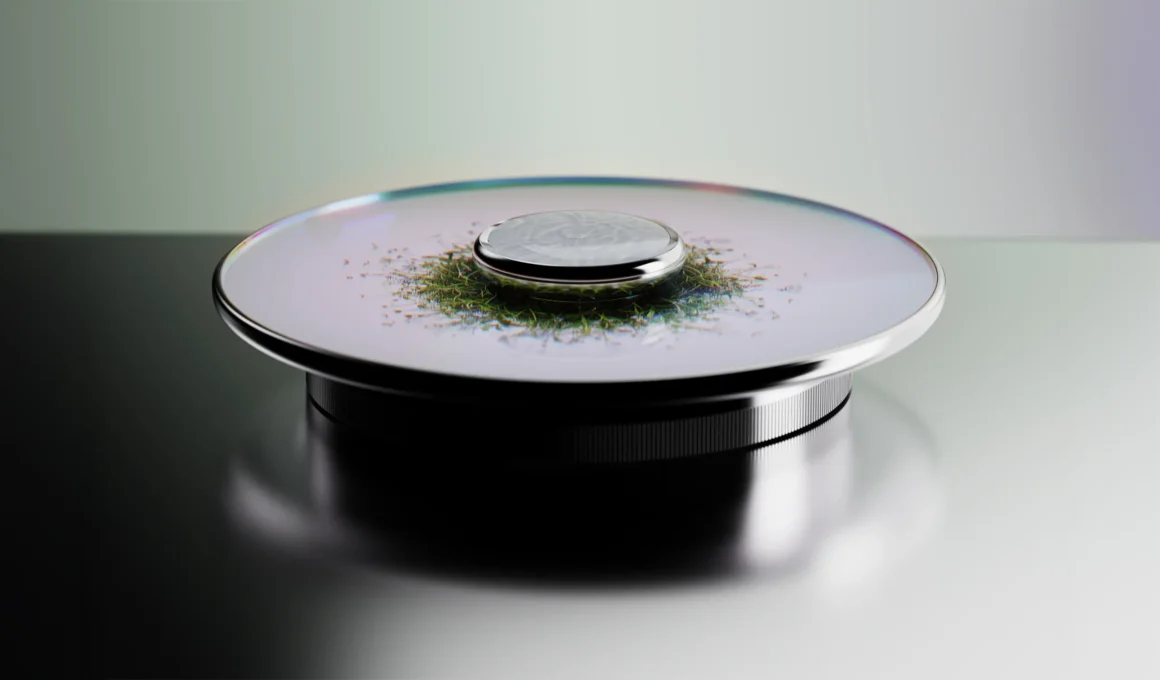
Visualizing the intangible landscape of thought, the data gathered through these reflections is fed into “The Garden,” an ambient display that serves as a living mirror of the user’s internal world. This is where the project’s mastery of industrial design and human-computer interaction (HCI) becomes most apparent. Rather than presenting the user with cold graphs or health-app percentages, the system translates mental wellbeing into a botanical allegory. When a user provides care and attention to a specific area of their life, new buds appear on the digital display; conversely, neglected areas are represented by yellowing leaves and wilting stems. This abstraction makes complex psychological data intuitive, allowing the user to sense their mental state at a glance.

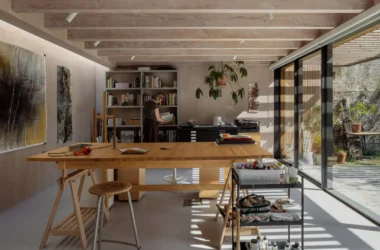
Bridging the gap between academic research and physical prototyping, the collaboration leverages Chanwoo Lee’s background at Imperial College London and the Royal College of Art, alongside the strategic rigour of Map Project Office. The project functions as a critique of current human-centric AI paradigms, which often prioritize instant gratification over long-term mindfulness. By utilizing the in-house workshop at Map, the team has moved beyond mere speculation, creating prototypes that explore the interplay between people and technology through a process of “design through making.” The result is a system that feels grounded in the physical world, despite its digital heart.

The significance of Cognitive Bloom lies in its ability to reimagine the domestic environment as a place for genuine contemplation. As AI continues to accelerate the pace of modern life, there is a growing need for “companion technologies” that help us slow down. By transforming the data of our daily lives into a living ecosystem of growth and care, this collaboration suggests a future where technology does not just provide answers, but gives us the necessary space to ask the questions that matter most. In this new ritual of digital gardening, the goal is not a finished product, but the ongoing process of self-discovery and the cultivation of a more mindful relationship with our digital surroundings.