


The reinvention of domestic space often requires a radical departure from historical constraints to embrace the fluidity of modern life. In the heart of Rome, Italy, architects Martino Fraschetti and Vincenzo Tattolo, founders of Studio Strato, have orchestrated a profound transformation of a traditional 1960s apartment. What was once a rigid sequence of compartmentalized rooms and corridors has been deconstructed into an expansive, open-plan sanctuary that prioritizes light, movement, and a rhythmic play of textures. This project, aptly named Itaca House, serves as a testament to the studio’s ability to navigate the complexities of urban living while maintaining a deeply human-centric approach.
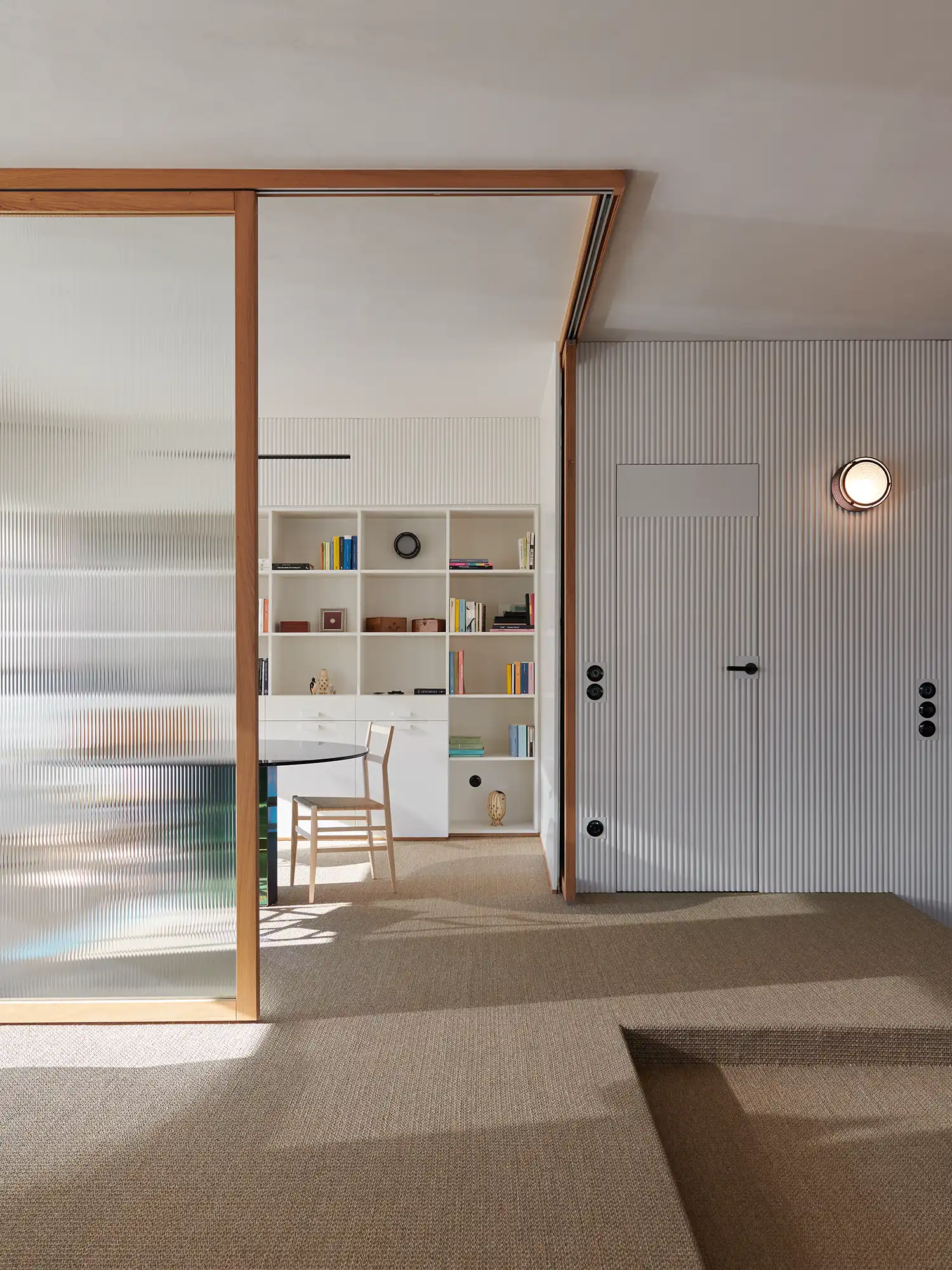
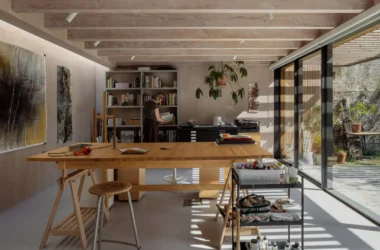
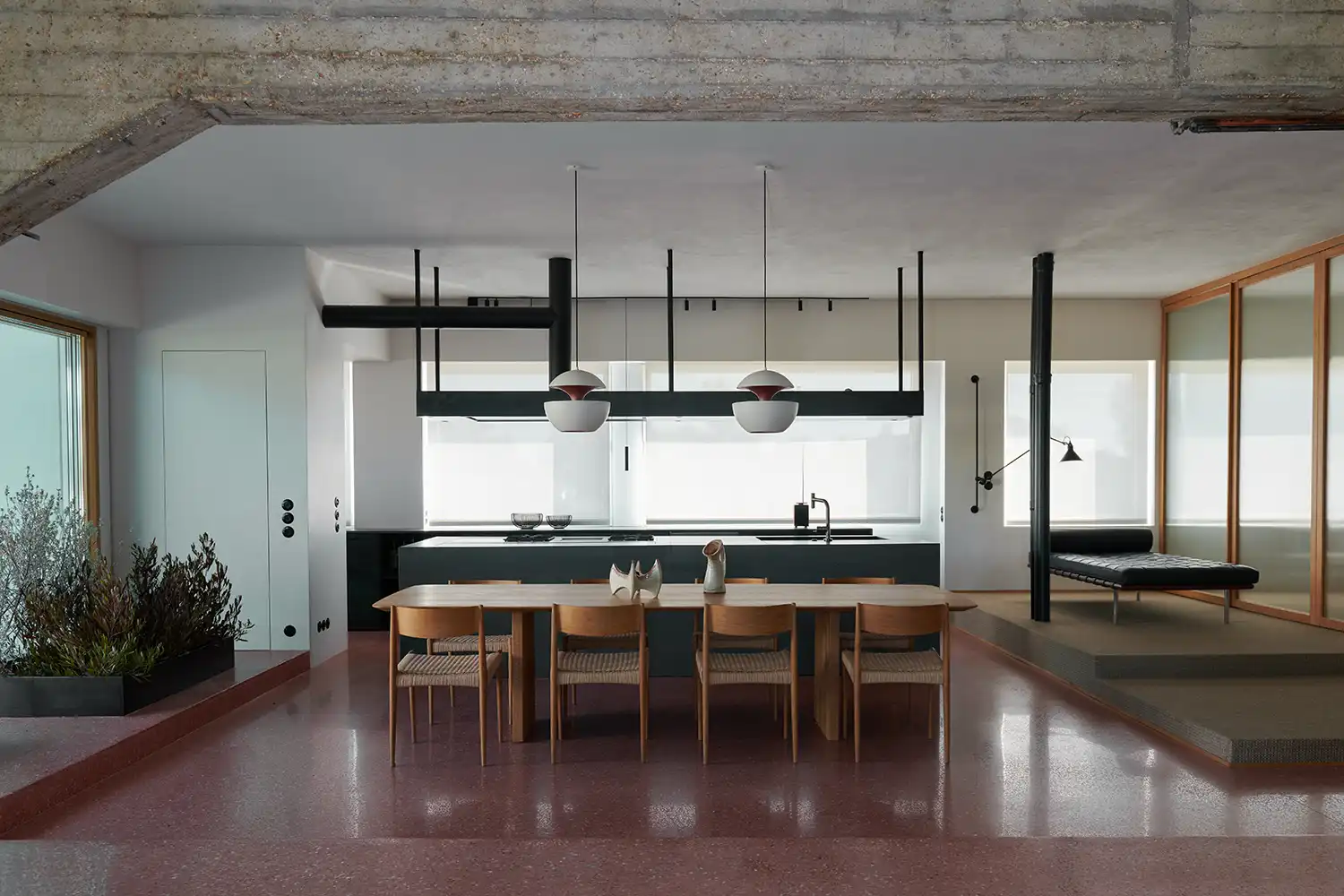
Defining boundaries without walls became the central thesis for the renovation. To achieve a sense of openness that doesn’t sacrifice intimacy, the architects utilized architectural devices such as sliding screens, variations in floor levels, and a deliberate mix of materials. The third-floor residence revolves around a generous central volume that seamlessly integrates the lounge, kitchen, and relaxation areas. “Our aim was to demarcate the different functions without necessarily resorting to walls,” explains Vincenzo Tattolo. This philosophy is most evident in the use of oak and ribbed glass partitions, which allow the study and yoga room to either merge with the living area or retreat into privacy, creating a home that breathes and adapts to the resident’s daily rituals.
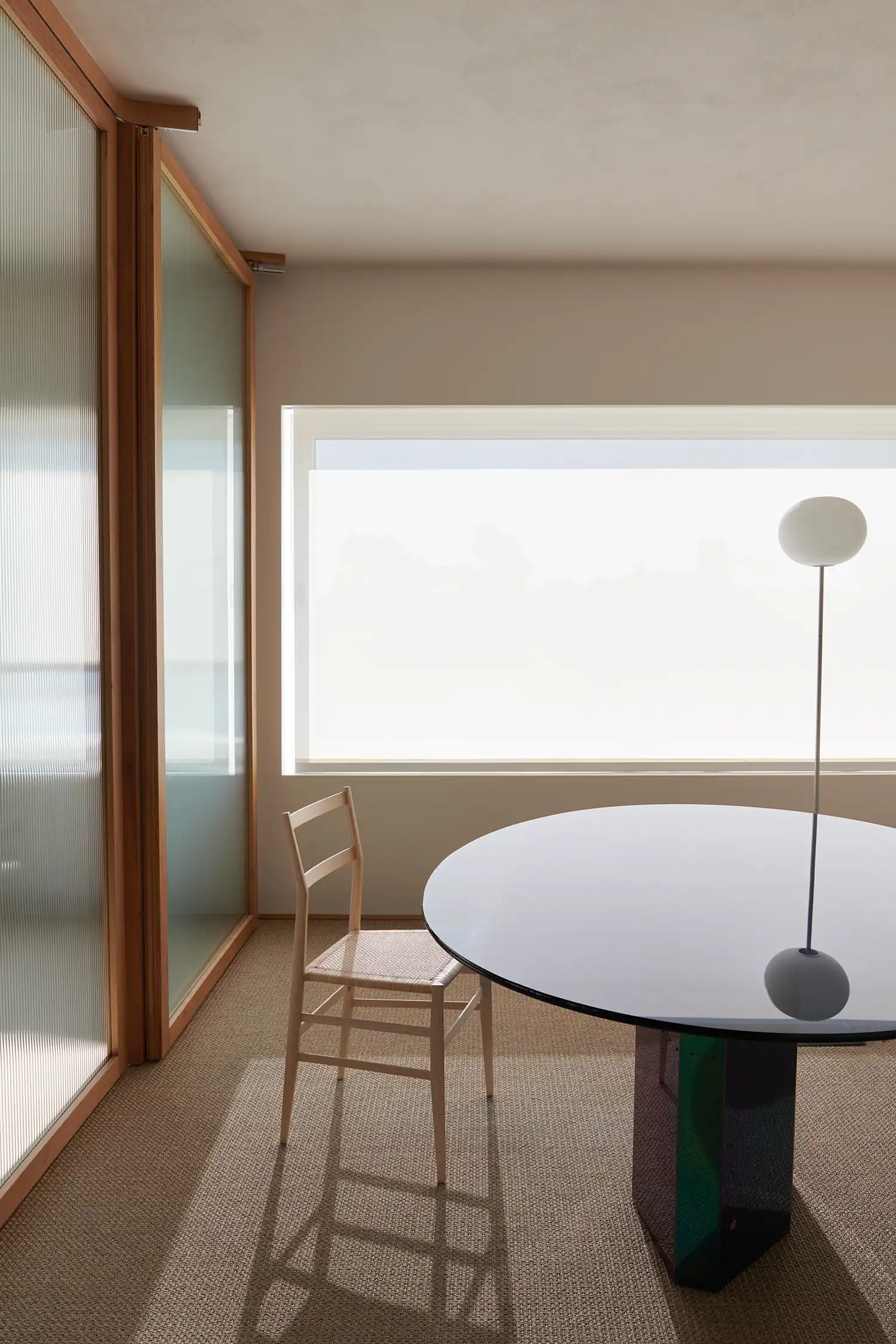
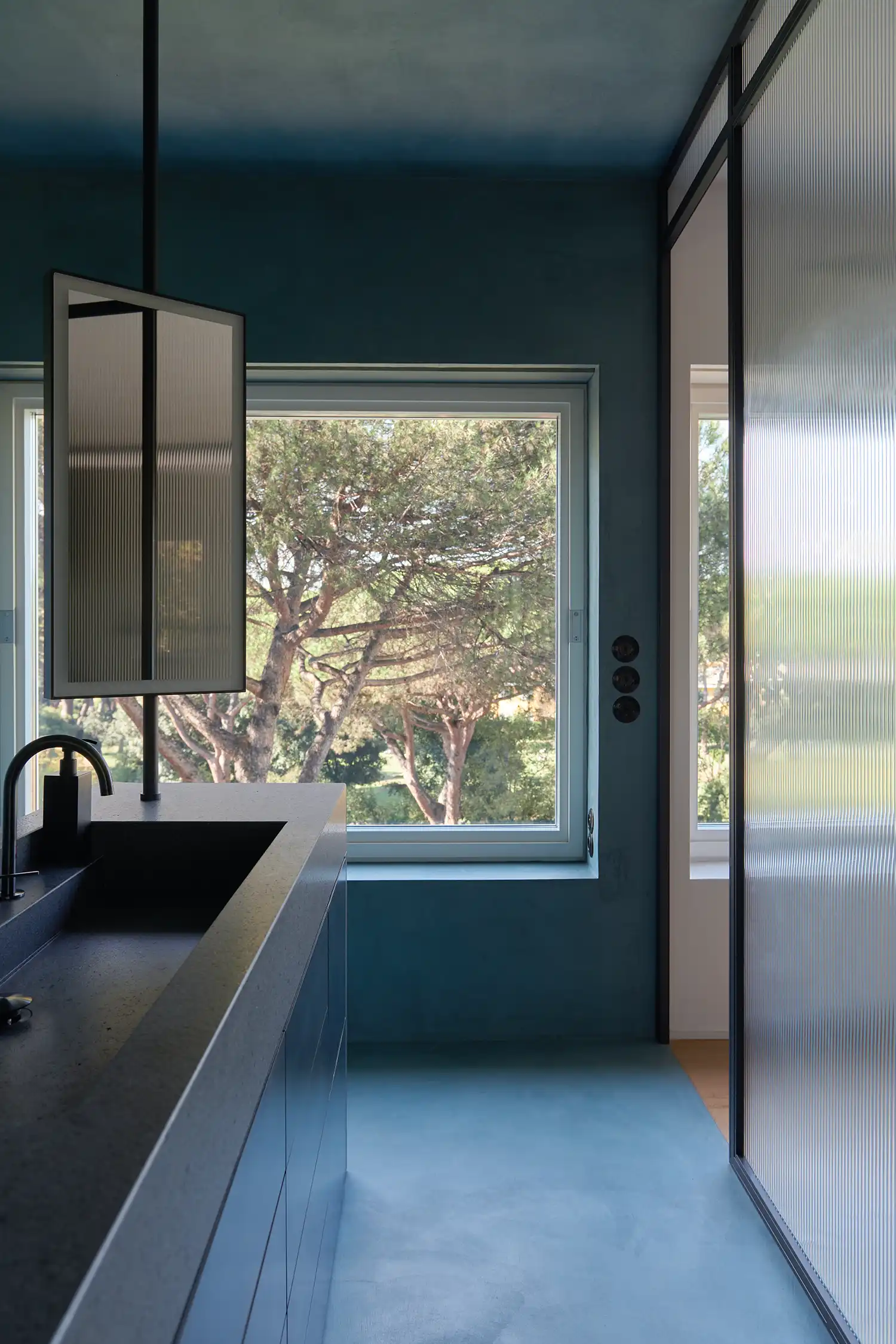
A sensory exploration of materiality defines the interior landscape, where raw elements meet refined finishes. In the lounge, the grounding warmth of red crushed brick and lime plaster floors contrasts with the organic softness of coconut matting. These tactile surfaces are juxtaposed against the unapologetic honesty of raw concrete, which retains the marks of time as a subtle nod to the building’s 1960s heritage. The tactile continuity is further enhanced by ribbed wooden paneling that wraps through the entrance and bedroom, echoing the linear texture of the glass screens. Every surface has been curated to interact with the natural light flooding through large windows, creating a shifting atmosphere that evolves from dawn to dusk.
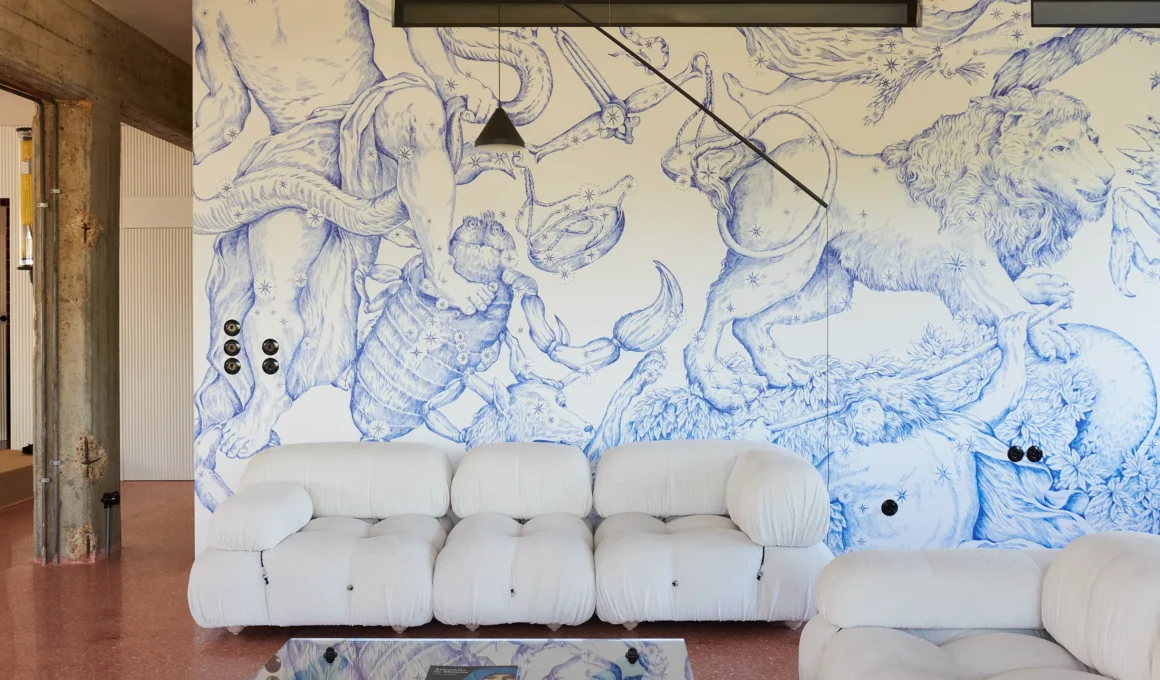
Artistic interventions and structural voids elevate the transition between the social and private spheres. The master suite, containing an en-suite bathroom and walk-in wardrobe, is accessed via a striking partition of dark waxed iron near the entrance. While a physical wall separates this retreat from the living area, Studio Strato introduced a horizontal “cut” near the ceiling to prevent a sense of definitive closure, allowing the volume to feel lighter and connected. Adding a layer of narrative depth, the Roman artist Pietro Ruffo transformed this dividing wall into a site-specific canvas, turning a structural necessity into a poetic focal point that blurs the line between architecture and fine art.
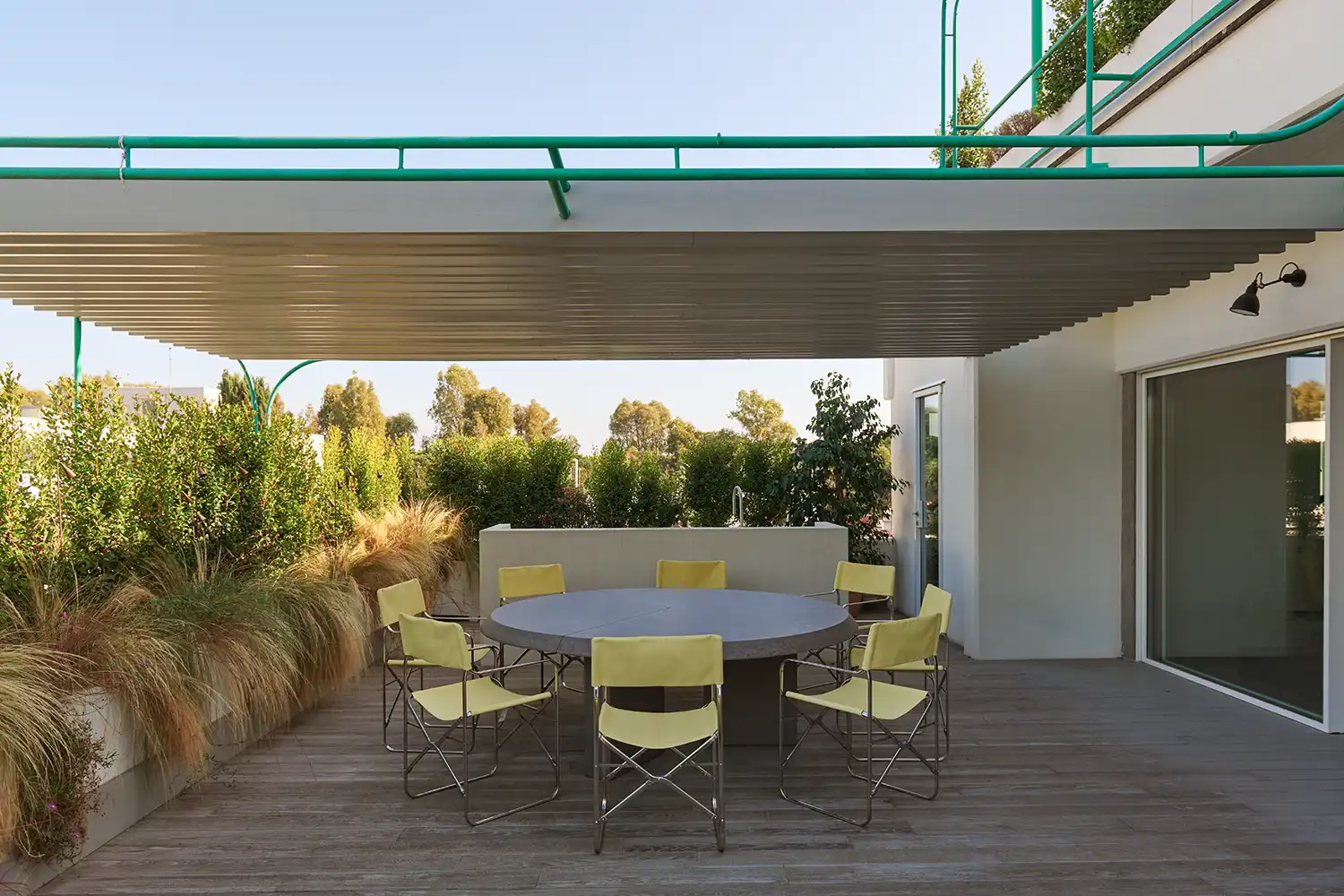
The seamless transition to the outdoors extends the living experience onto an airy terrace, where the Mediterranean climate of Rome is fully embraced. Here, the material palette shifts toward a vibrant, sun-drenched aesthetic. Yellow April chairs by Gae Aulenti and Mario Marenco’s Arflex sofas sit atop wooden decking, shielded by a wooden pergola supported by a slender, aqua-green curved structure. This bold chromatic contrast against the muted tones of the interior creates a distinct “outdoor room” that feels both energetic and restorative. It is an exercise in balanced tension—where the cool, analytical interior meets the vivid, sensory warmth of the Italian sun.
Contextualizing Roman modernism, the Itaca House joins a growing movement of sophisticated residential interventions within the capital. This project shares a certain DNA with other recent Roman works, such as the Modernist Villa in Castelli Romani by Studiotamat, which similarly explores the relationship between historical structure and contemporary flow. Much like the Apartment 02A by Station123, Studio Strato’s work reflects a broader shift toward versatile, light-filled environments that honor the “genius loci” of the Eternal City while looking firmly toward the future. By stripping away the superfluous, Fraschetti and Tattolo have crafted a home that is not just a place of residence, but a dynamic stage for modern life.