



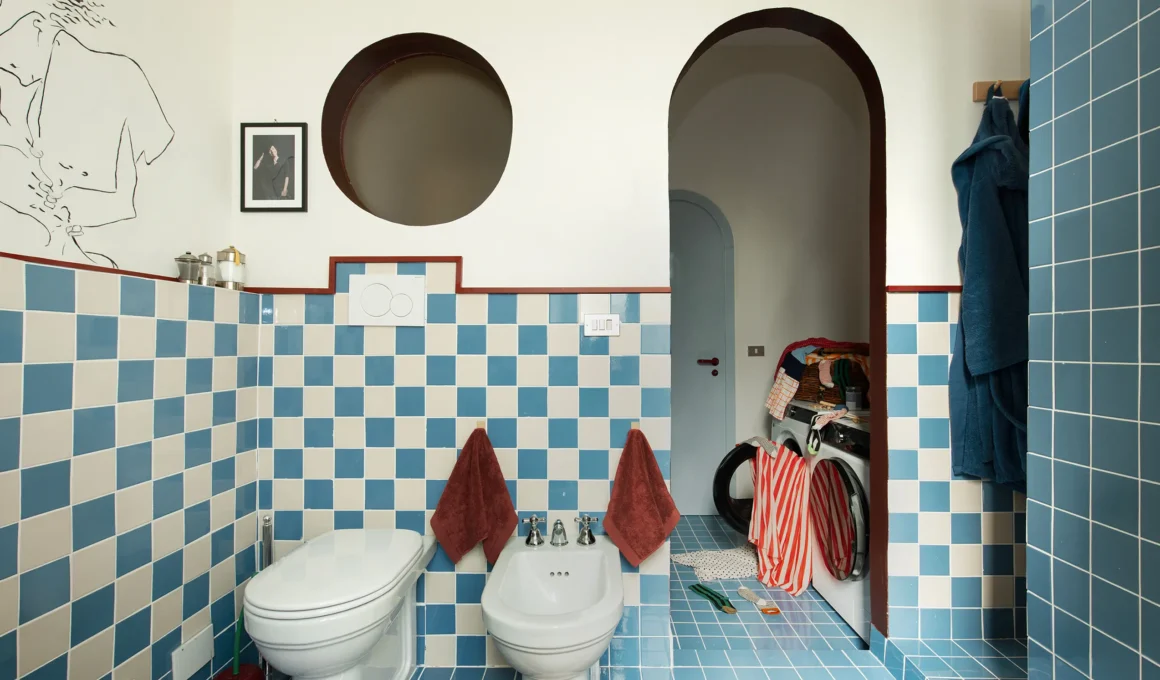
The domestic bathroom is undergoing a silent metamorphosis. No longer viewed as a purely utilitarian service room, it has transitioned into a highly engineered environment where invisible infrastructure determines the success of both aesthetic and performance goals. In an era where water scarcity is no longer an abstract threat but a regulatory pressure, the selection of a modern bathroom upgrade has become a critical technical decision influencing the long-term viability of residential projects.
The Performance Shift: Regulatory Pressure in 2026
The implementation of LEED v5 and BREEAM v7 has fundamentally altered the landscape of sustainable configuration. These frameworks have migrated from theoretical design intent to real-world performance metrics, requiring projects to implement long-term monitoring and post-occupancy reporting for at least five years. This shift incentivizes the integration of smart water management and leak detection sensors, treating water as a finite, high-value asset rather than a fixed expense.
As Renzo Piano observed, making green buildings is a practical necessity, but the discipline is fundamentally about the pursuit of dreams. To bridge this gap, the new generation of high-performance cisterns utilizes blow-molded tanks made of high-density polyethylene (HDPE). Unlike injection-molded alternatives, this seamless manufacturing process eliminates joint seams, preventing the structural decay and insurance liabilities associated with hidden leaks in wall cavities.
The Luxury of Silence
In high-end hospitality and modern luxury living, acoustic comfort is now a baseline expectation rather than an amenity. Systems such as the Geberit Sigma concealed cistern and the Grohe Rapid SL installation system prioritize Class 1 noise ratings under the DIN 4109 specification. By achieving sound levels below 21 dB(A)—effectively the volume of a human whisper—these systems preserve the quietude of the home through hydraulic damping and structural decoupling from the building’s frame.
Engineering Depth and Spatial Economy
The successful configuration of small interiors requires a rigorous approach to spatial economy. By detaching fixtures from the floor and embedding services within the wall, designers can reclaim significant sellable square footage. This approach is central to the spatial tactics for 5×8 bathroom remodeling that dissolve the traditional boundaries of the room, replacing physical thresholds with a monolithic, cohesive volume.
This “invisible” approach echoes the philosophy of Louis Kahn, who categorized these technical zones as “servant spaces” that exist solely to empower the “served” habitable rooms. By utilizing slim-line systems from TECE, which offer an installation depth as shallow as 80mm, developers can optimize the Net Internal Area (NIA) while providing a “floating” typology that enhances perceived depth.
Asset Resilience through Data
Beyond the aesthetic of the uninterrupted floor plane, the integration of wireless water submetering and leak detection sensors provides a measurable return on investment. Property managers now utilize granular data to identify abnormal consumption, often reducing utility costs by 30-70 percent. In multifamily developments, this data-driven stewardship protects the net operating income (NOI) while ensuring the asset’s resilience in water-stressed regions.
In this era of performance-driven configuration, the longevity of a project is defined by the systems hidden within its walls. Selecting an intelligently monitored, high-efficiency system is not merely a plumbing choice, but a high-yield investment in the future—reconciling the demands of luxury with the mandates of environmental stewardship.