

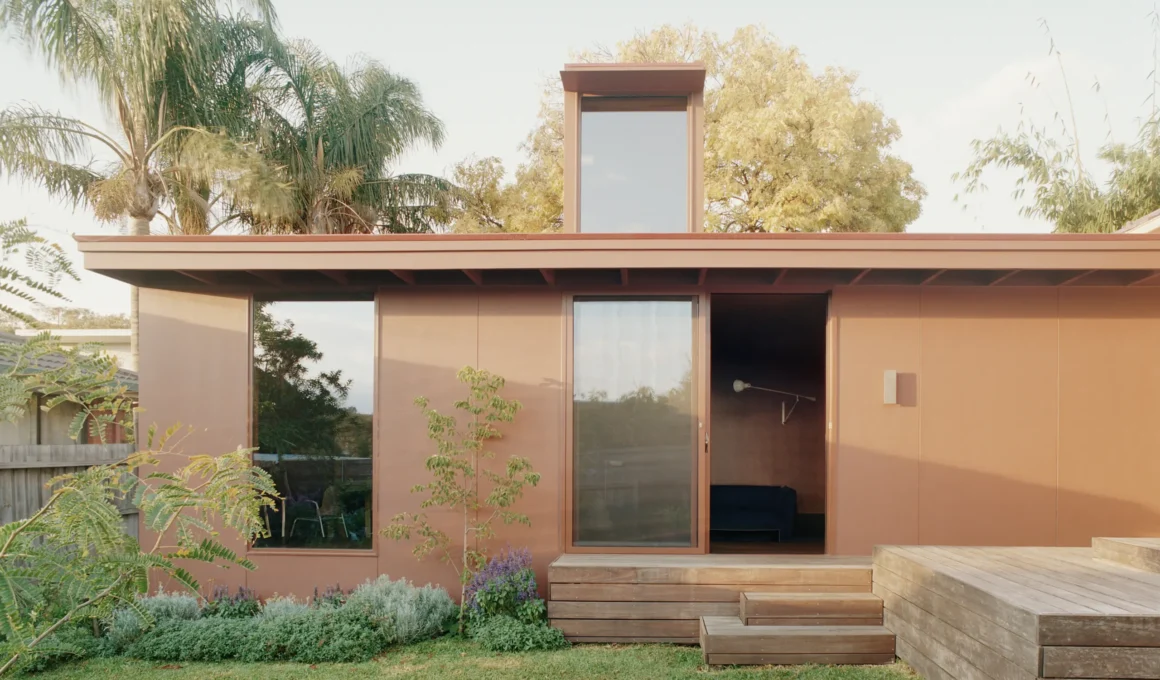
In Coburg North, Victoria, Sonelo Architects has masterfully reimagined a humble 1950s triple-fronted brick dwelling into Cascade House, a multi-stage residential transformation that harmoniously bridges the original post-war structure with a thoughtful, earth-toned addition.
Conceptual Evolution defined the six-year journey of this renovation, which was meticulously executed in four distinct phases to adapt to the growing needs of a young family. Rather than a swift overhaul, the process adopted a philosophy of “go, pause, assess, and repeat,” allowing the spatial design to mature alongside its inhabitants. The initial stages focused on updating functional areas like the kitchen and bathrooms, followed by landscaping to create immediate, usable outdoor pockets. This deliberate pacing ensured that the final residential intervention was not just a structural change, but a tailored response to daily life.
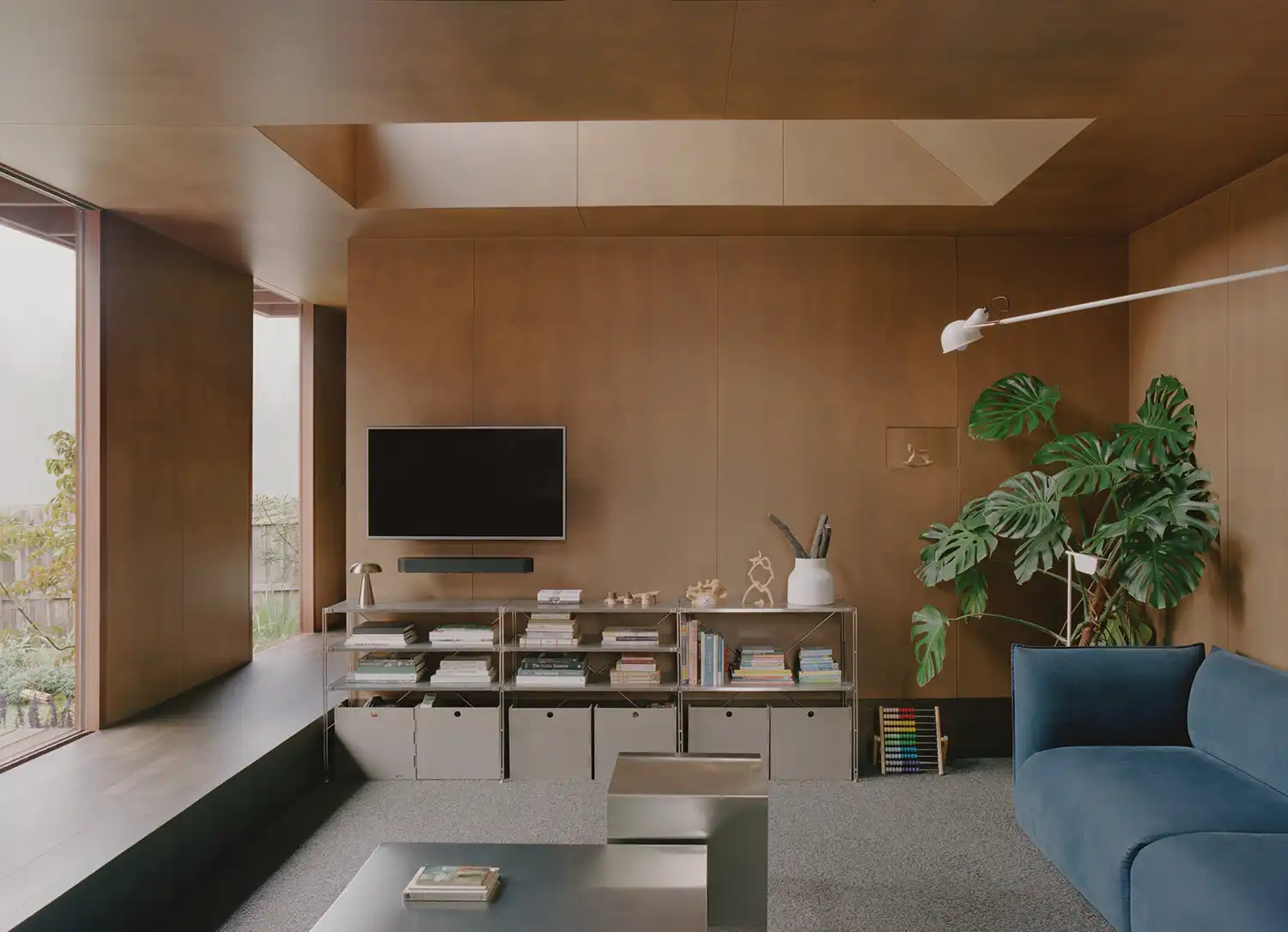
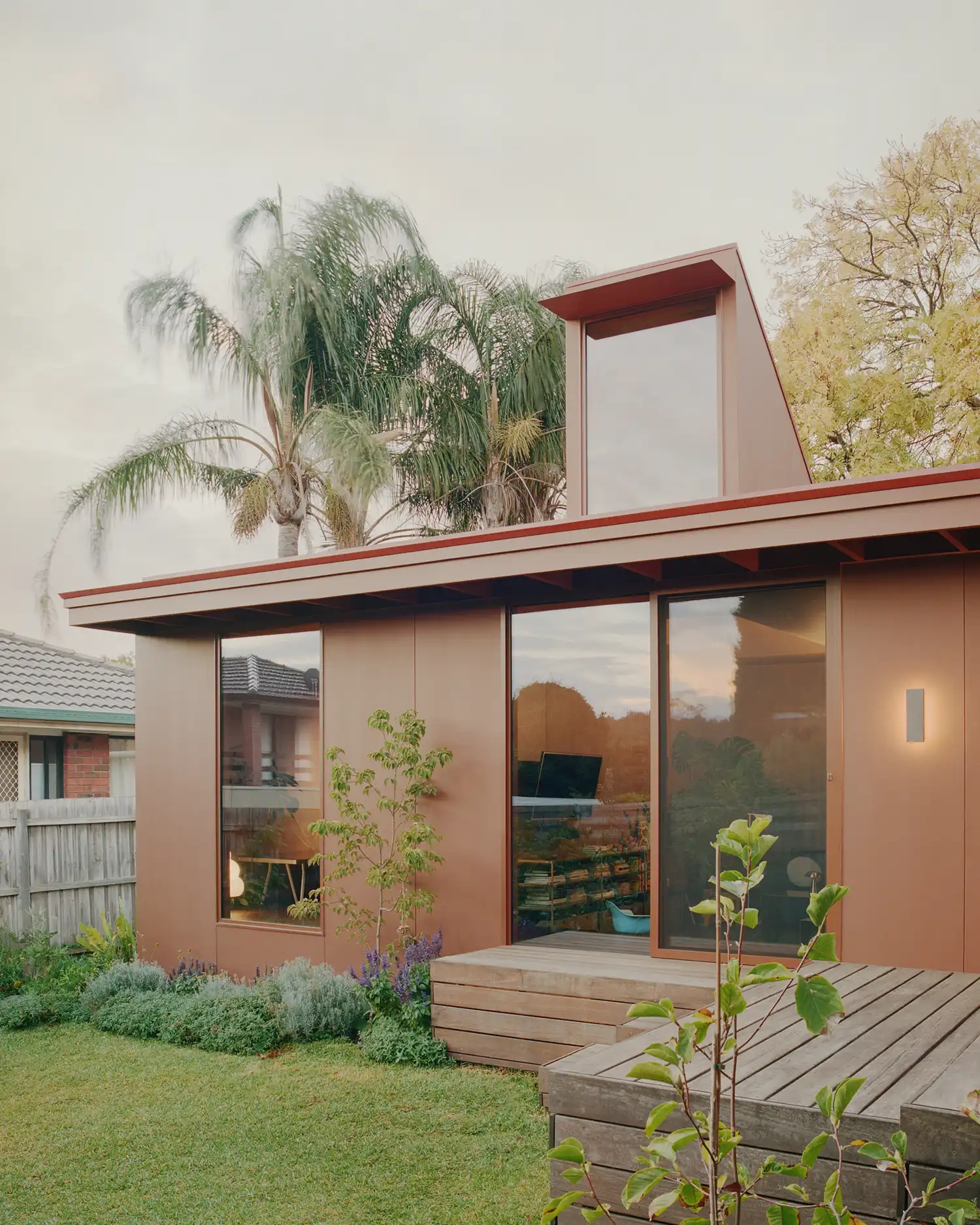
Topographical Harmony served as the guiding principle for the final, single-storey addition, which seeks to connect the home intimately with its sloped site. Instead of excavating the earth, the architects embraced the existing topography, creating a series of cascading planes—steps, plinths, and pits—that manage level changes while fostering a layered connection between the interior and the exterior landscape. This approach minimizes site disturbance while enhancing the natural indoor-outdoor flow of the home.
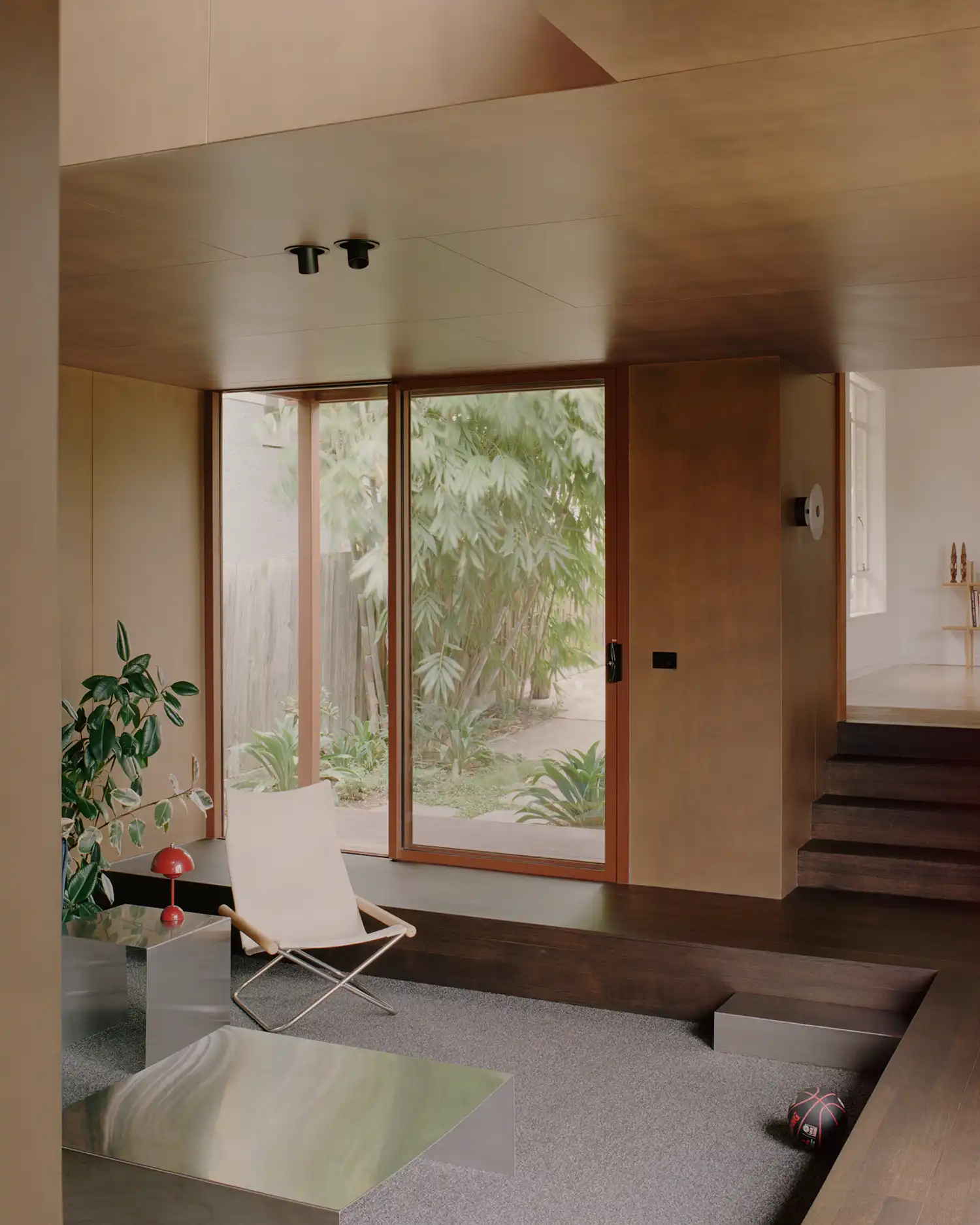
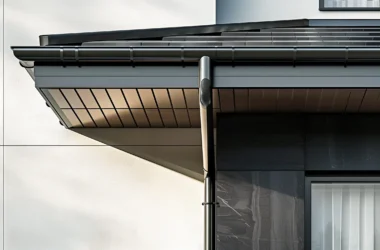
Material Contrasts define the sensory experience moving through the house, where the renovation deliberately juxtaposes the old and the new. Within the largely intact original structure, the mood remains light and airy, with new interventions designed to elevate the period detailing of the 1950s. Conversely, the addition embraces a grounded, earthy atmosphere, featuring warm, bronze-like paneling that references the clay overlay of the local area and frames the garden views with a sense of quiet prominence.
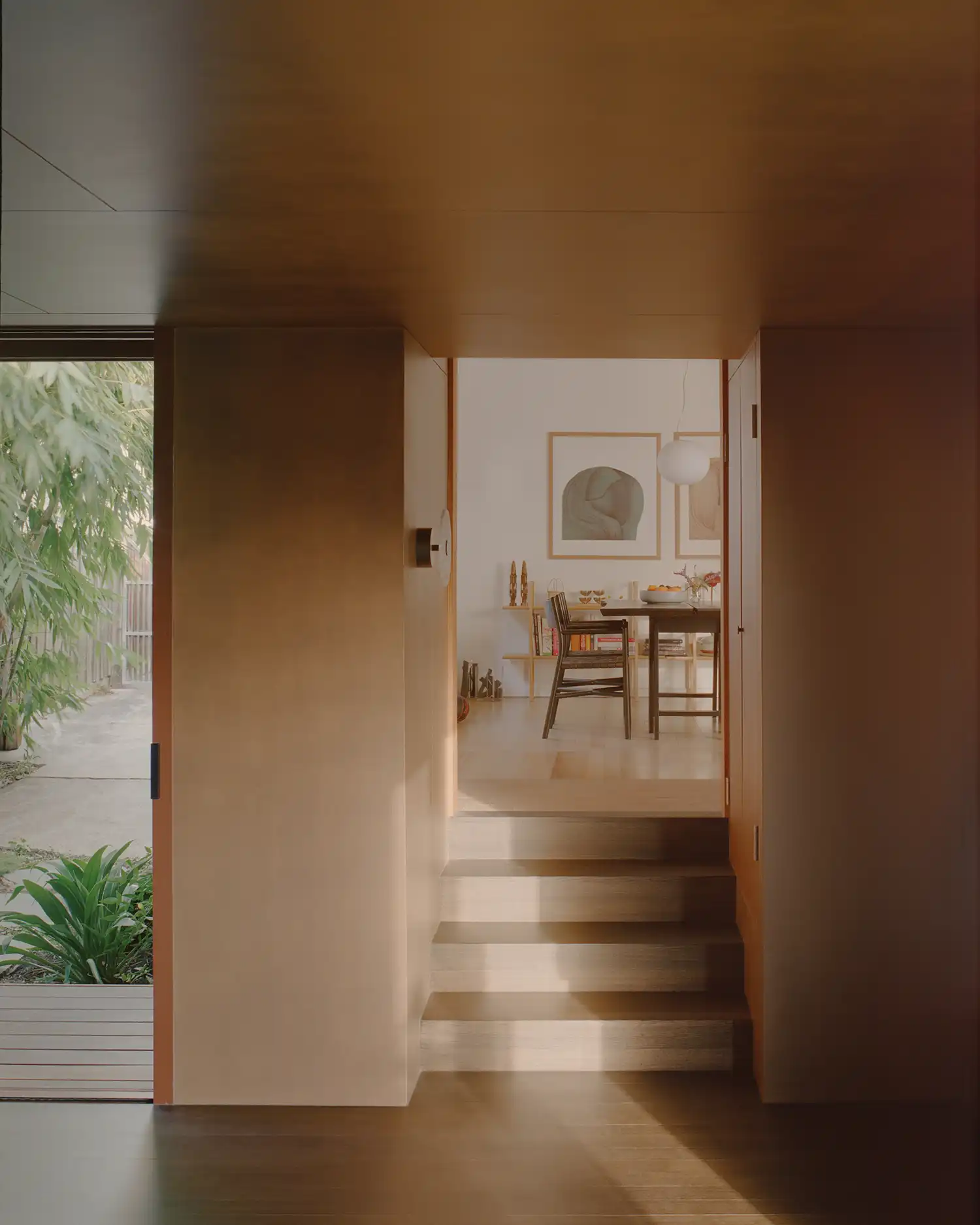
Strategic Zoning was employed to unlock the potential of the existing floor plan, which initially restricted sunlight to only a few rooms. By rezoning the home into two distinct halves, the design team located the private bedrooms in the west-facing front portion, where they benefit from the shade of a mature Eucalypt street tree. The living areas were then consolidated in the eastern, rear half, maximizing exposure to the desirable northerly aspect.
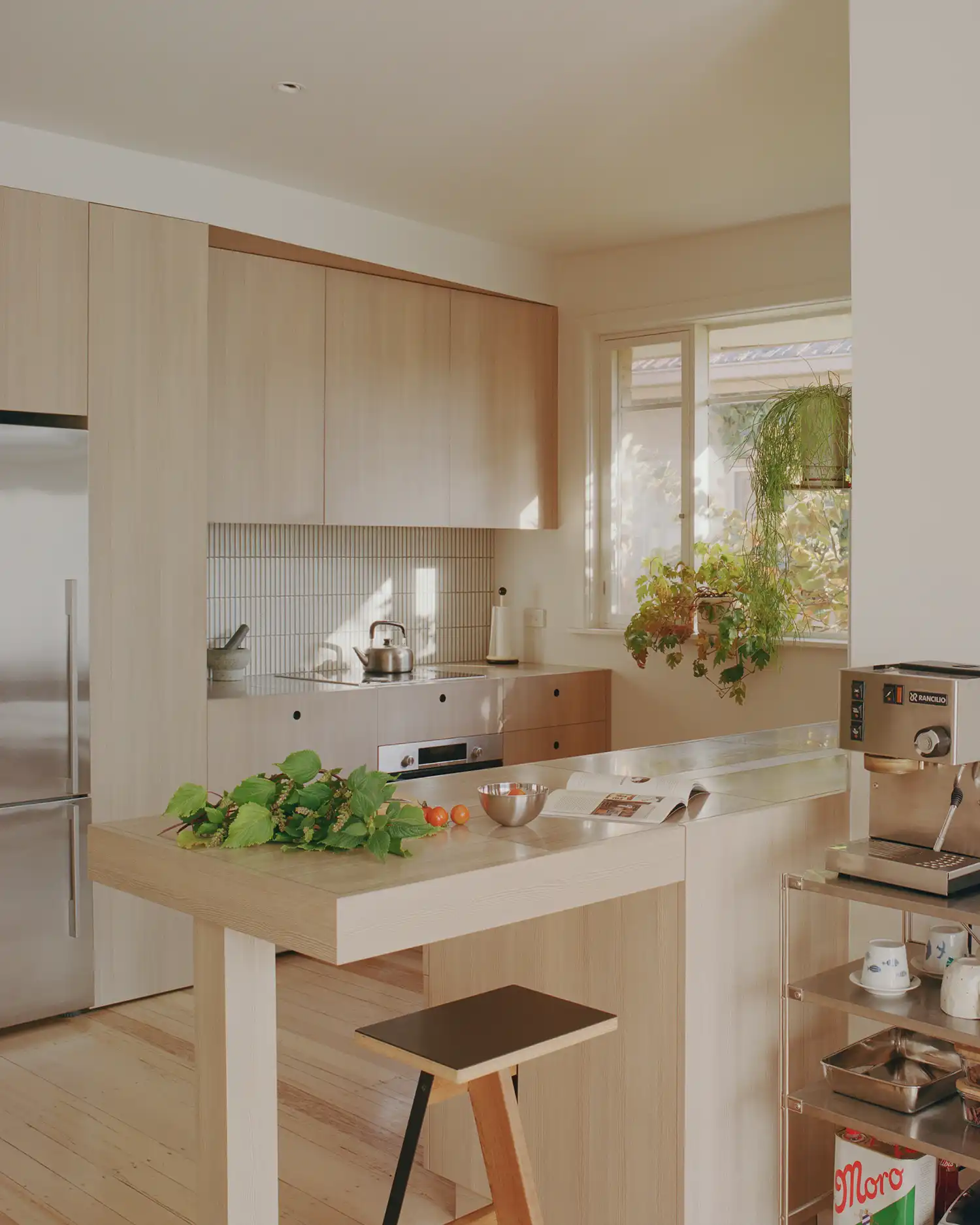
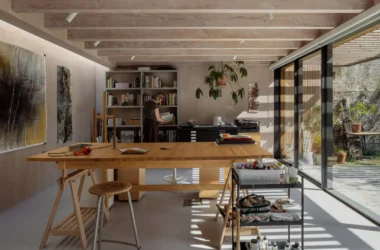
Functional Rituals are celebrated through small, deliberate details, such as the new engawa—a raised timber porch—that replaces a shortened concrete driveway. This element marks a transition, offering a space to pause and remove shoes, honoring the ritual of entering the home. Similarly, the sunken living room and home office within the new addition provide a cozy, focused environment that remains visually connected to the sprawling garden.
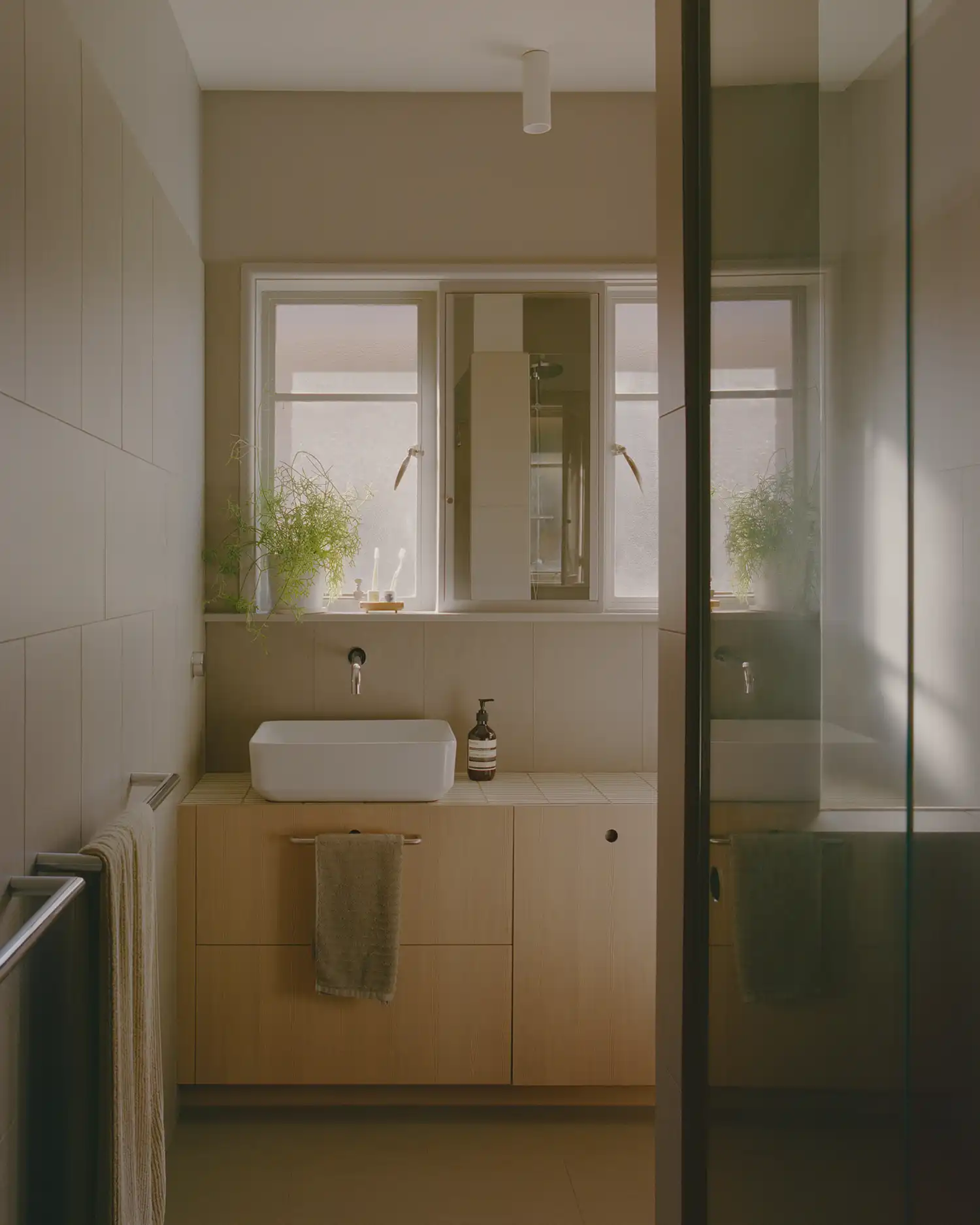
Light Manipulation brings the quiet presence of the addition to life, specifically through a singular pop-up lantern that rises above the low-lying flat roof. This feature acts as a beacon, drawing uninterrupted natural light deep into the interior spaces throughout the day. It is this careful attention to light, combined with humble materiality and a restrained budget, that defines the project’s success.
Contextual Resonance is evident in how Cascade House fits within the broader landscape of Australian residential projects, echoing the thoughtful approach seen in other local renovations, such as this thoughtfully renovated coastal timber home in Victoria. For those interested in exploring more about sustainable residential design and how modern renovations can redefine historical homes, urdesignmag.com offers a wealth of insights and inspiration.