



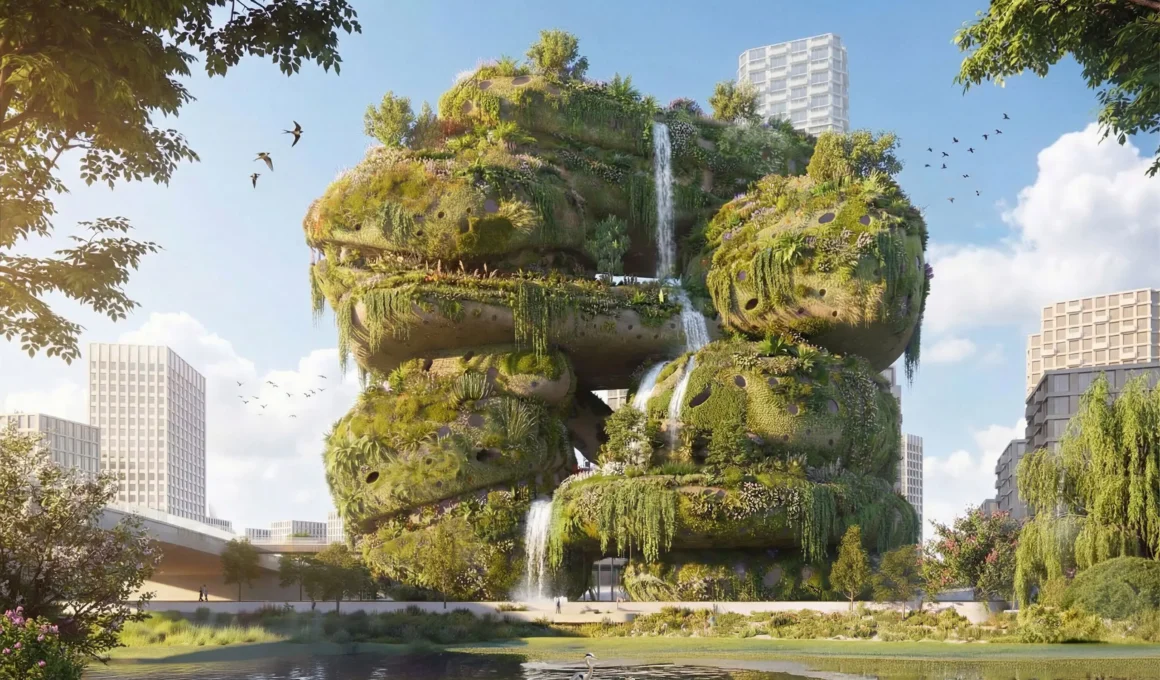
The “World Wonder” competition in Rotterdam has reached a pivotal milestone with the announcement of five shortlisted international firms tasked with envisioning a new global landmark for the city’s waterfront.
Redefining the urban icon. Organized by the developer Shift, the “World Wonder” initiative seeks to move beyond traditional monumental structures. The competition challenges participants to propose a destination that balances tourist appeal with local social value, creating a functional piece of the city rather than a static monument. Located in the Maashaven area, the project aims to revitalize the former industrial port into a vibrant public hub that resonates with the city’s maritime history while looking toward the future.
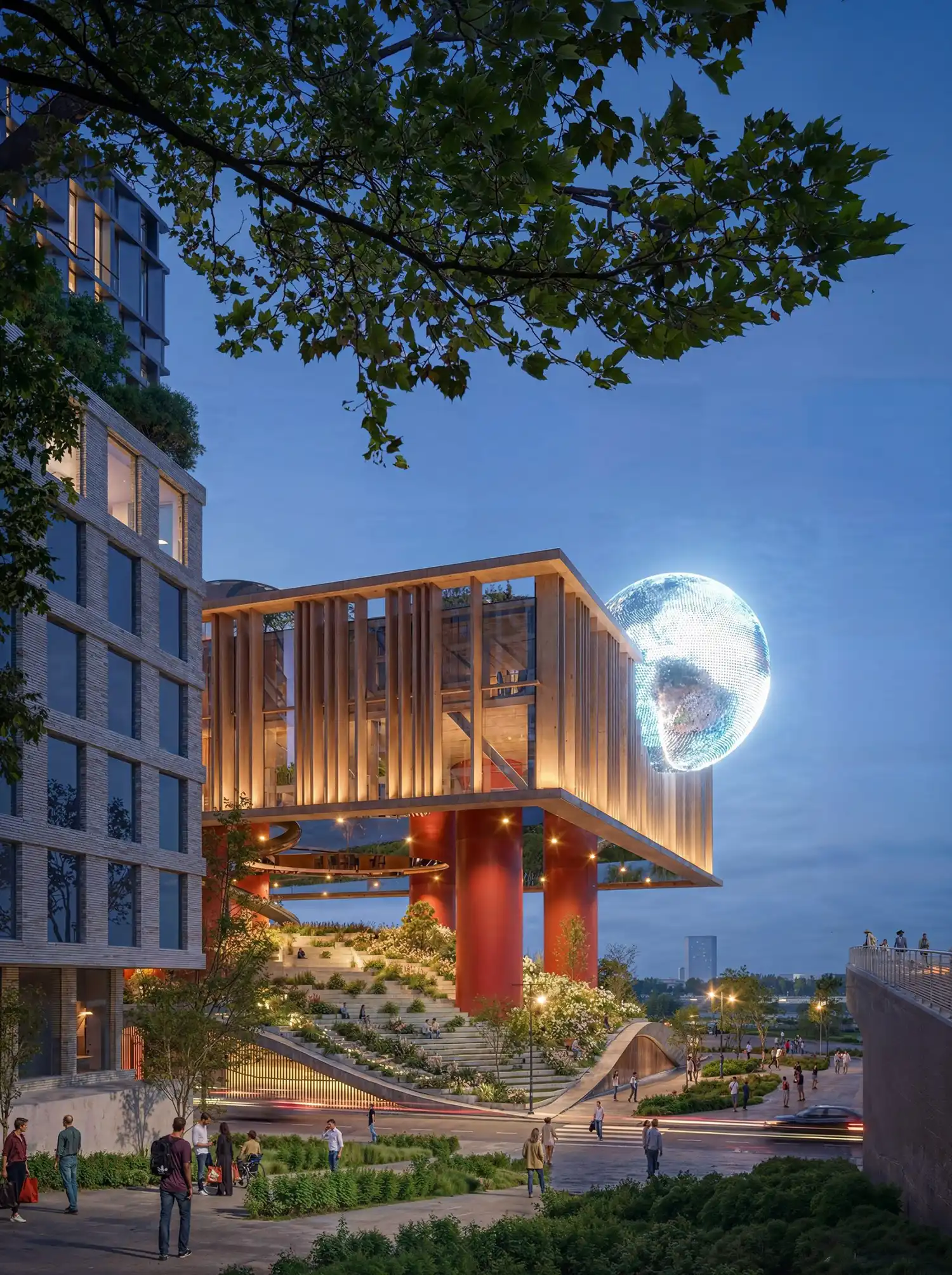
Global expertise and local roots. Among the finalists, MVRDV brings its signature approach to high-density, multi-functional urbanism, while Heatherwick Studio is recognized for its ability to create sculptural yet highly tactile public spaces. Both firms are known for pushing the boundaries of structural innovation, making them strong contenders for a site that demands a bold visual identity. Their involvement suggests a high level of technical complexity and a focus on creating a recognizable silhouette on the horizon.
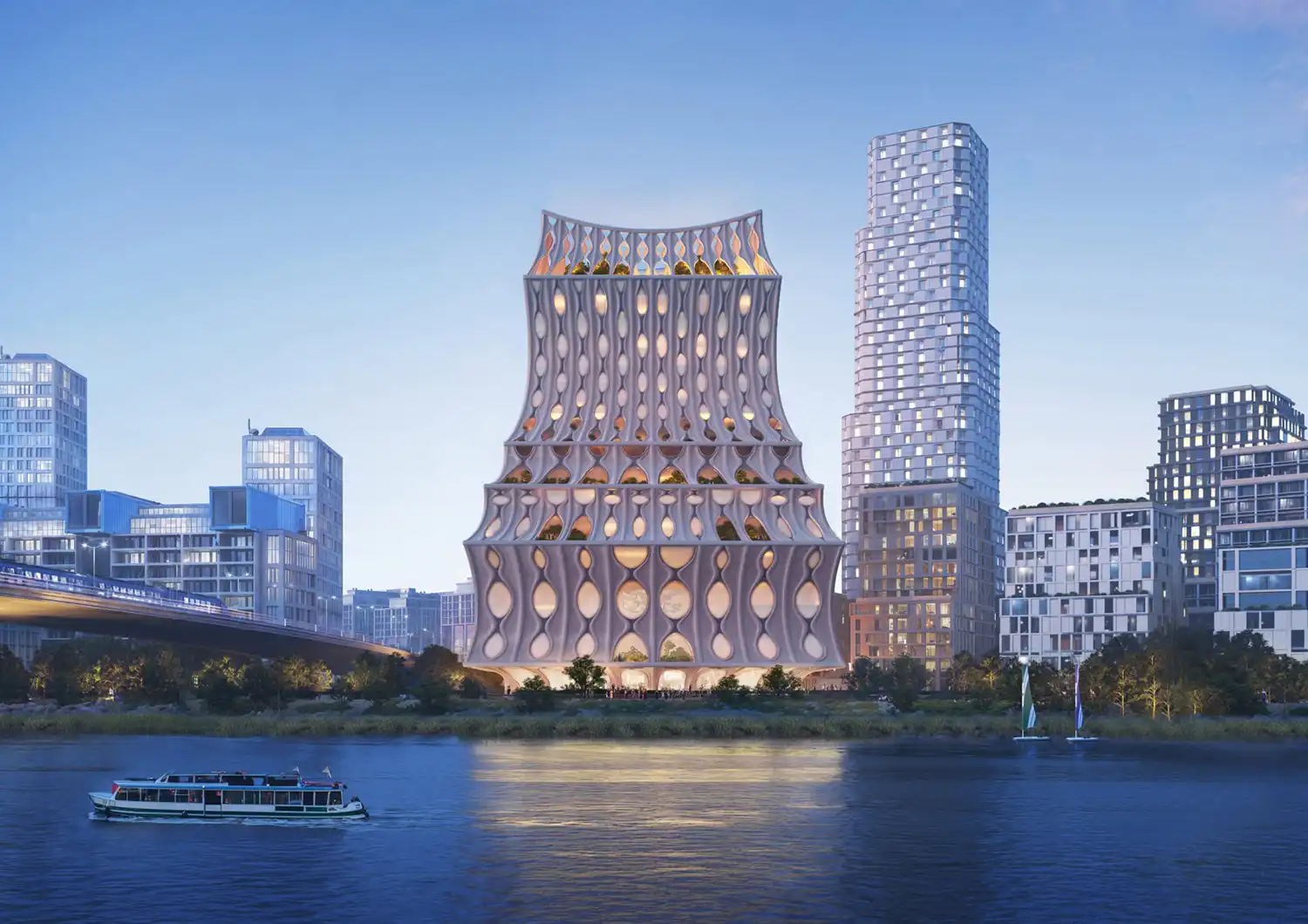
Innovation in public space. Mecanoo, a firm deeply embedded in the Dutch tradition of social-spatial planning, is joined by the Office for Public Imagination (OPI). These teams focus on the intersection of storytelling and physical space, suggesting that the winning proposal will likely emphasize community engagement and the psychological impact of the environment on its users. The goal is to move the conversation away from purely aesthetic merit toward a more holistic integration of social infrastructure.
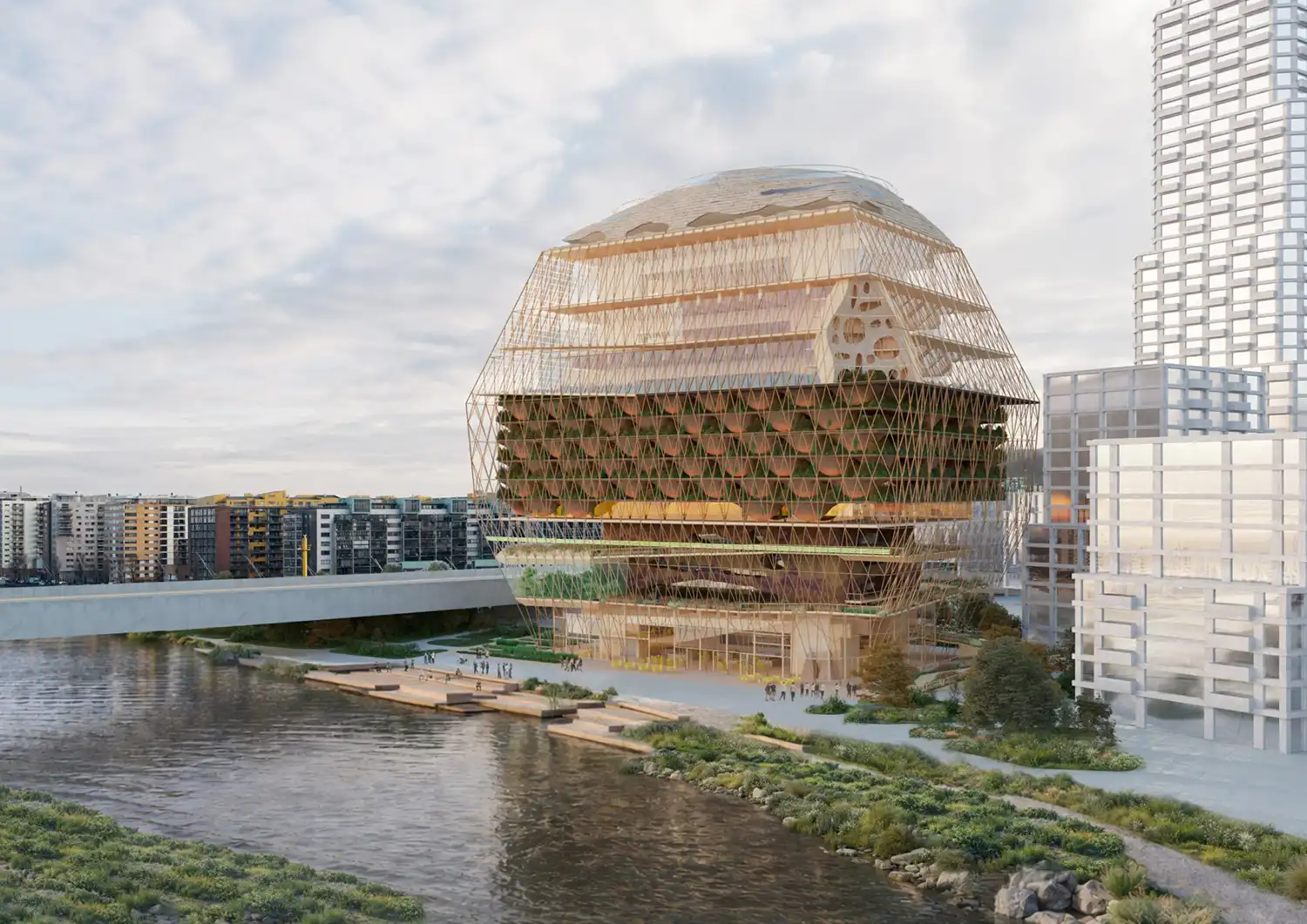
Sustainability and social climate. Rounding out the shortlist is Ecosistema Urbano, a firm specializing in “bioclimatic” interventions. Their inclusion signals a strong interest from the organizers in projects that address the climate crisis and urban heat islands. This ensures that the new landmark serves as a resilient piece of infrastructure, capable of adapting to environmental shifts while providing a comfortable and sustainable environment for the residents of Rotterdam.
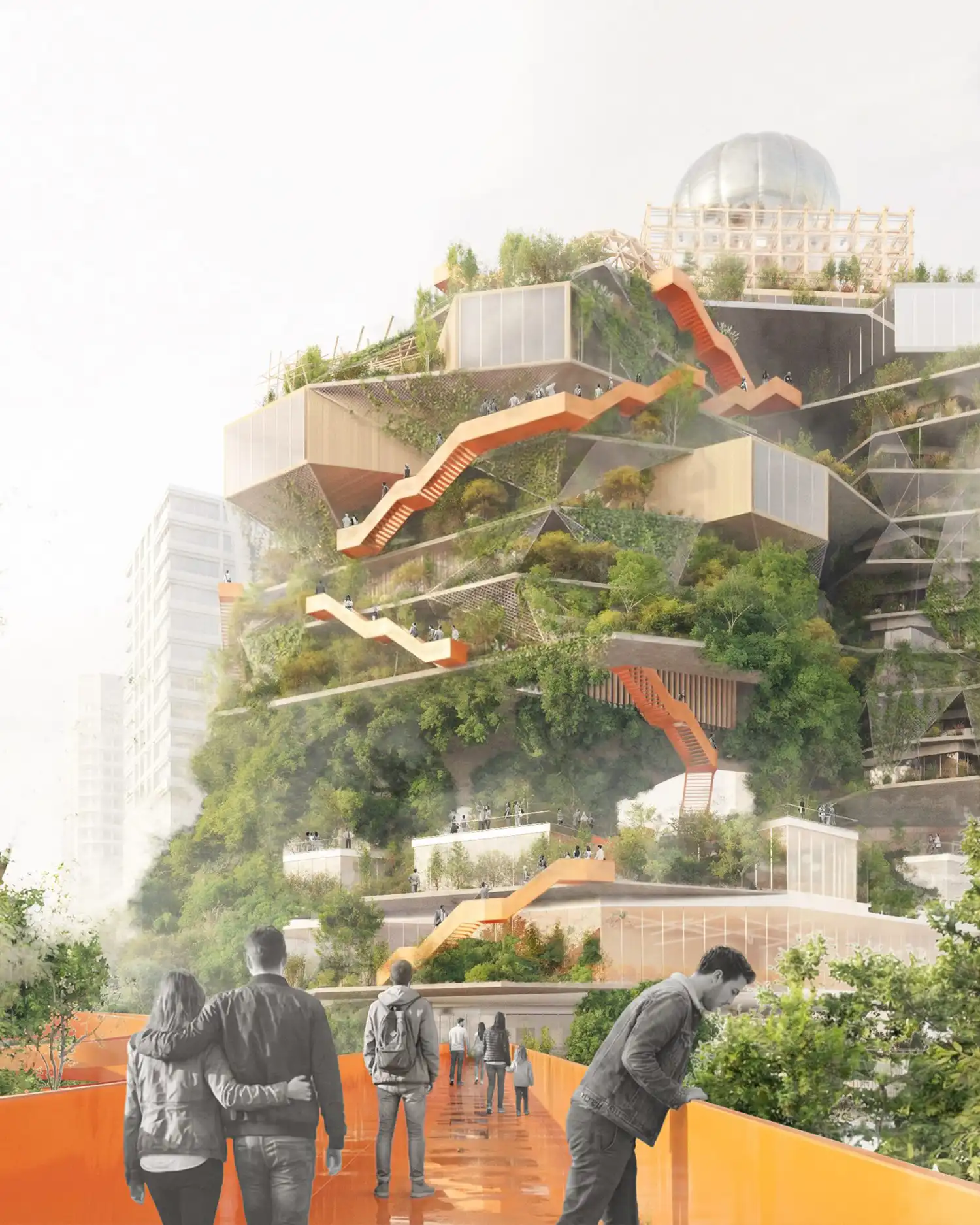
A future-oriented skyline. The next phase of the competition will see these five teams develop their concepts into detailed proposals. The final selection will not only define the aesthetic future of the Maashaven but also set a new standard for how modern cities integrate large-scale attractions within existing social fabrics. The results are expected to be unveiled later this year, potentially altering the maritime character of the city and providing a new focal point for international interest.