



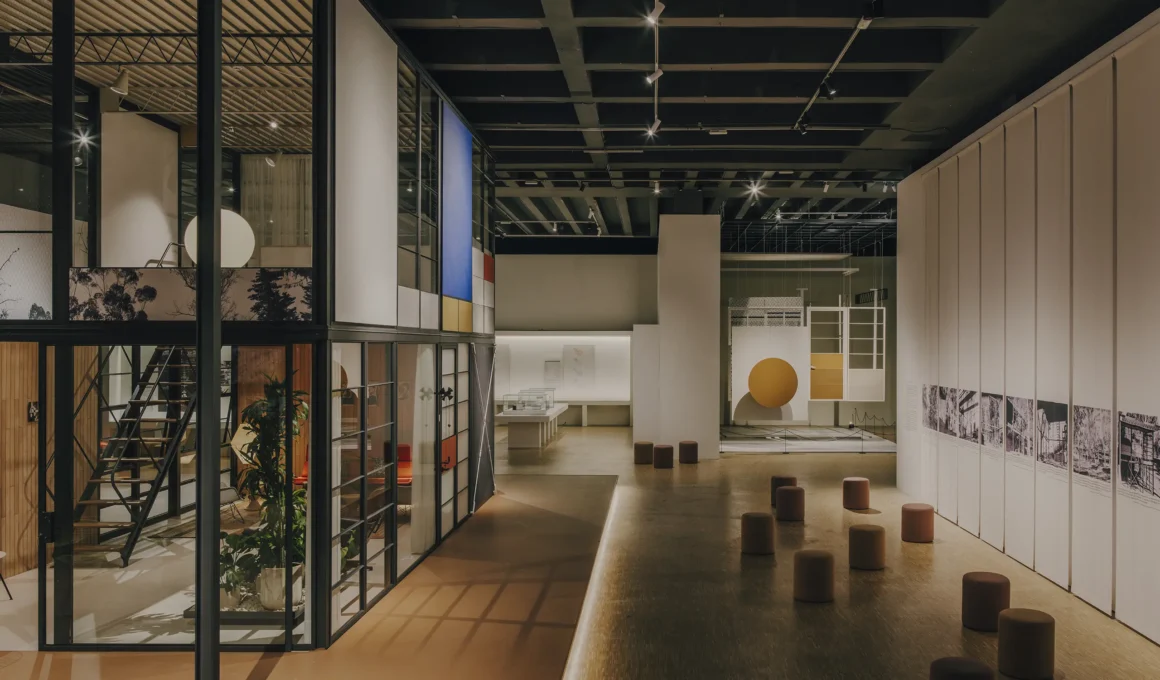
For Milan Design Week 2026, the Eames Office and Spanish manufacturer Kettal unveil the Eames Pavilion System at Triennale Milano, a transformative architectural initiative that translates Charles and Ray Eames’ mid-century vision for modular, prefabricated, and human-scale living into a versatile construction kit for the contemporary era.
A living legacy in steel and timber is at the heart of the exhibition The Eames Houses—occupying 800 square meters at the Triennale Milano—which serves as a physical manifesto, grounding decades of archival research into a tangible experience. By presenting unseen drawings and studies alongside full-scale, walk-in installations, the project proves that the Eameses’ domestic experiments were never static objects, but rather flexible systems for living.
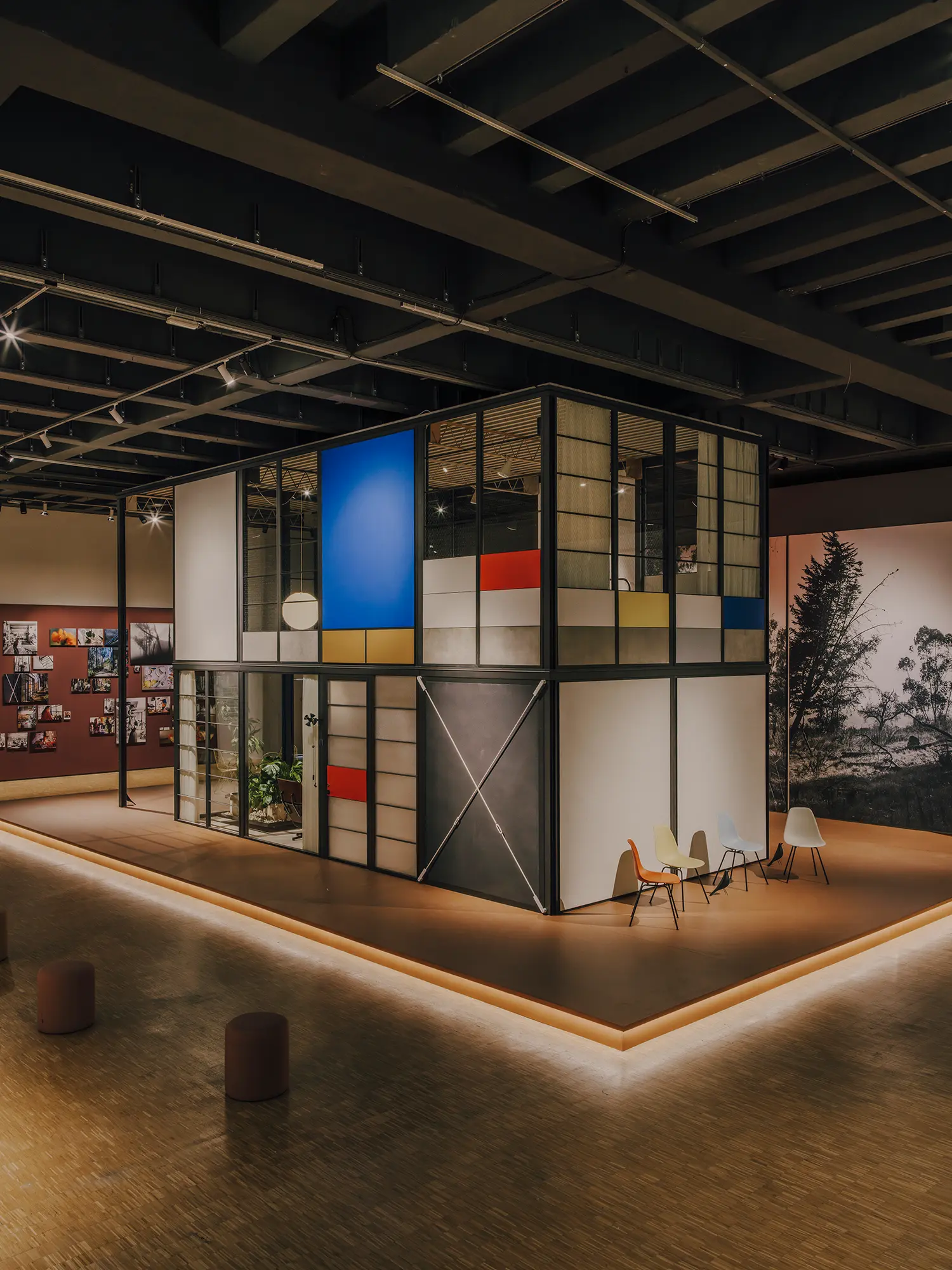
The logic of the grid defines this new expansion, a collaboration with Barcelona-based Kettal that distills the architectural grammar of Case Study House No. 8 and the Entenza House into a modular ecosystem. The system relies on a rational grid that maximizes volume while maintaining a small footprint, allowing visitors to feel the “spatial lightness and clarity” that defined the original Eames vision, now reinforced by modern engineering.

From prototype to product, transitioning from a 1940s experiment to a 2026 reality required nearly three years of rigorous research to adapt the designs to today’s technical and regulatory frameworks. As Antonio Navarro, Creative Director at Kettal, explains, going from prototype to product means standardization and simplification to increase usability. This evolution introduces high-precision aluminum profiles, bioclimatic roofs, and integrated HVAC systems into the Eamesian grammar.
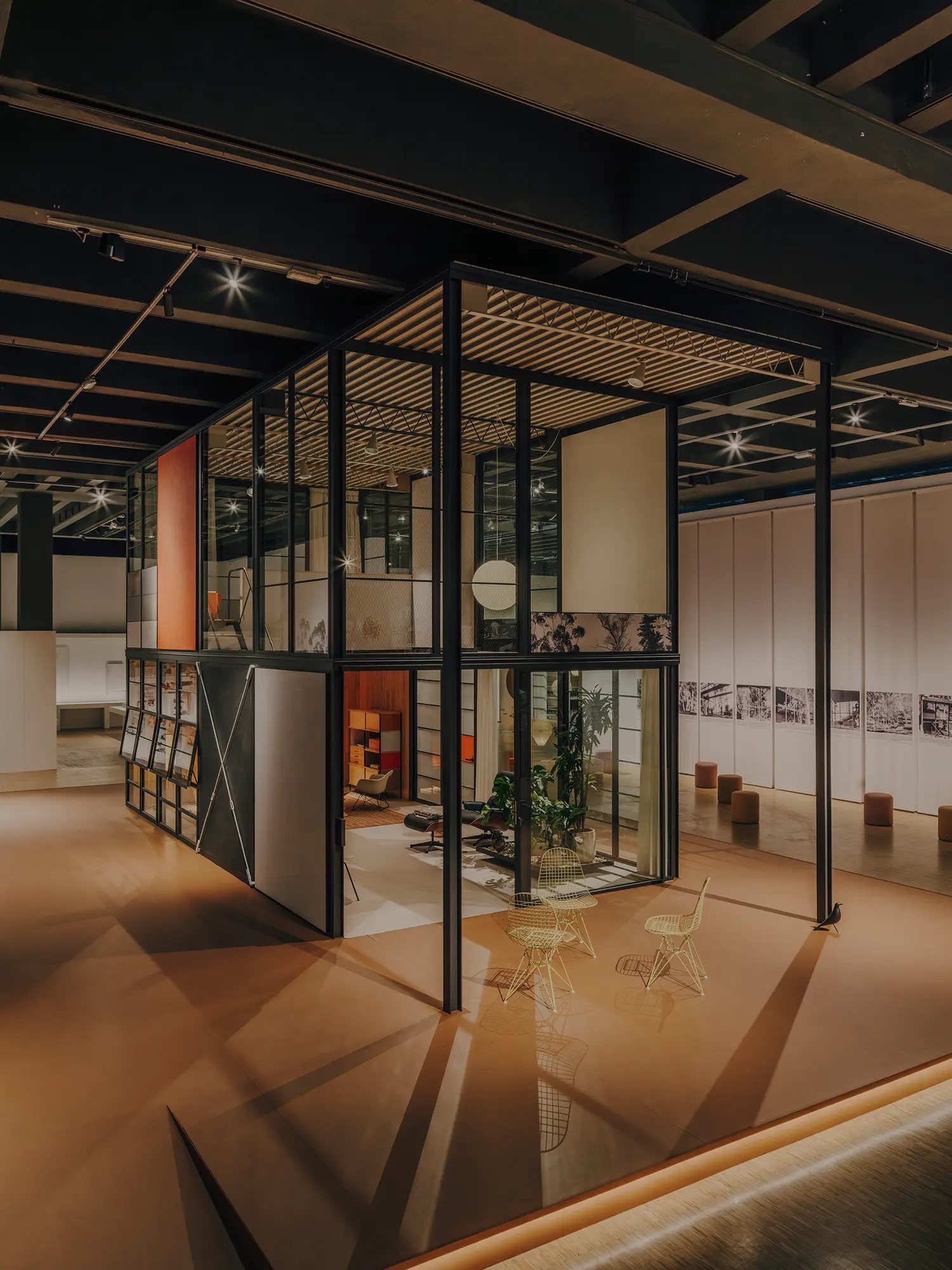
An intergenerational caretaking approach, led by Eames Demetrios and curator Eckart Maise, ensures the initiative avoids the trap of “canonization” by treating the work as a living system. Demetrios notes that the goal was never to create a “facsimile,” but a fully engineered architectural ecosystem that advances prefabricated Eames buildings from milestone prototypes to available products. It is a natural progression that situates their thinking firmly in the present.
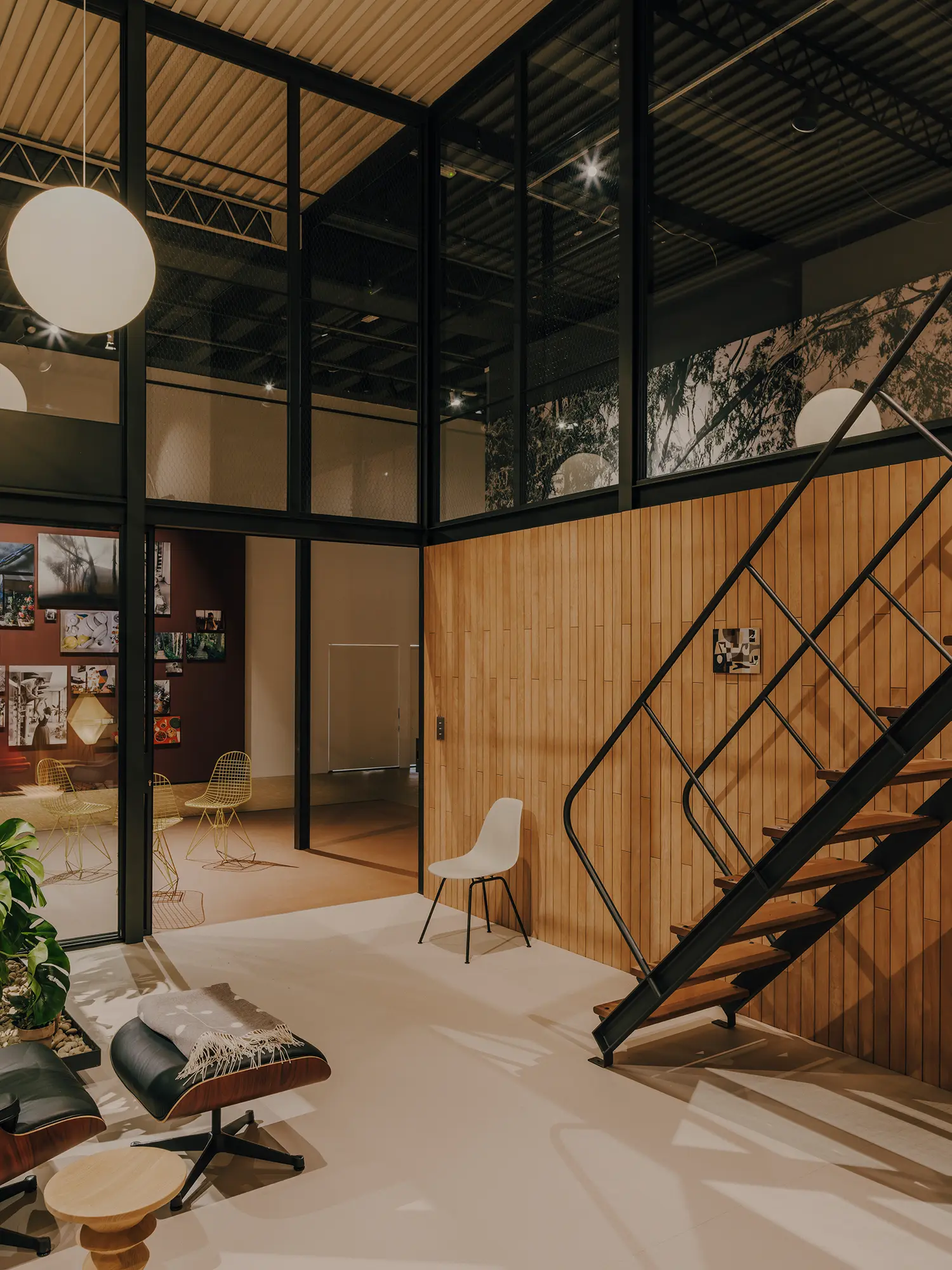
Modularity as a solution is expressed through repeatable structural modules that can be configured into anything from a 16-square-meter garden studio to fully equipped, two-story houses. This flexibility is achieved through an integrated “kit of parts” including interchangeable facade infills, textiles, and glazing. Components are produced through factory-controlled processes in Spain, reflecting a balance between industrial efficiency and human touch.
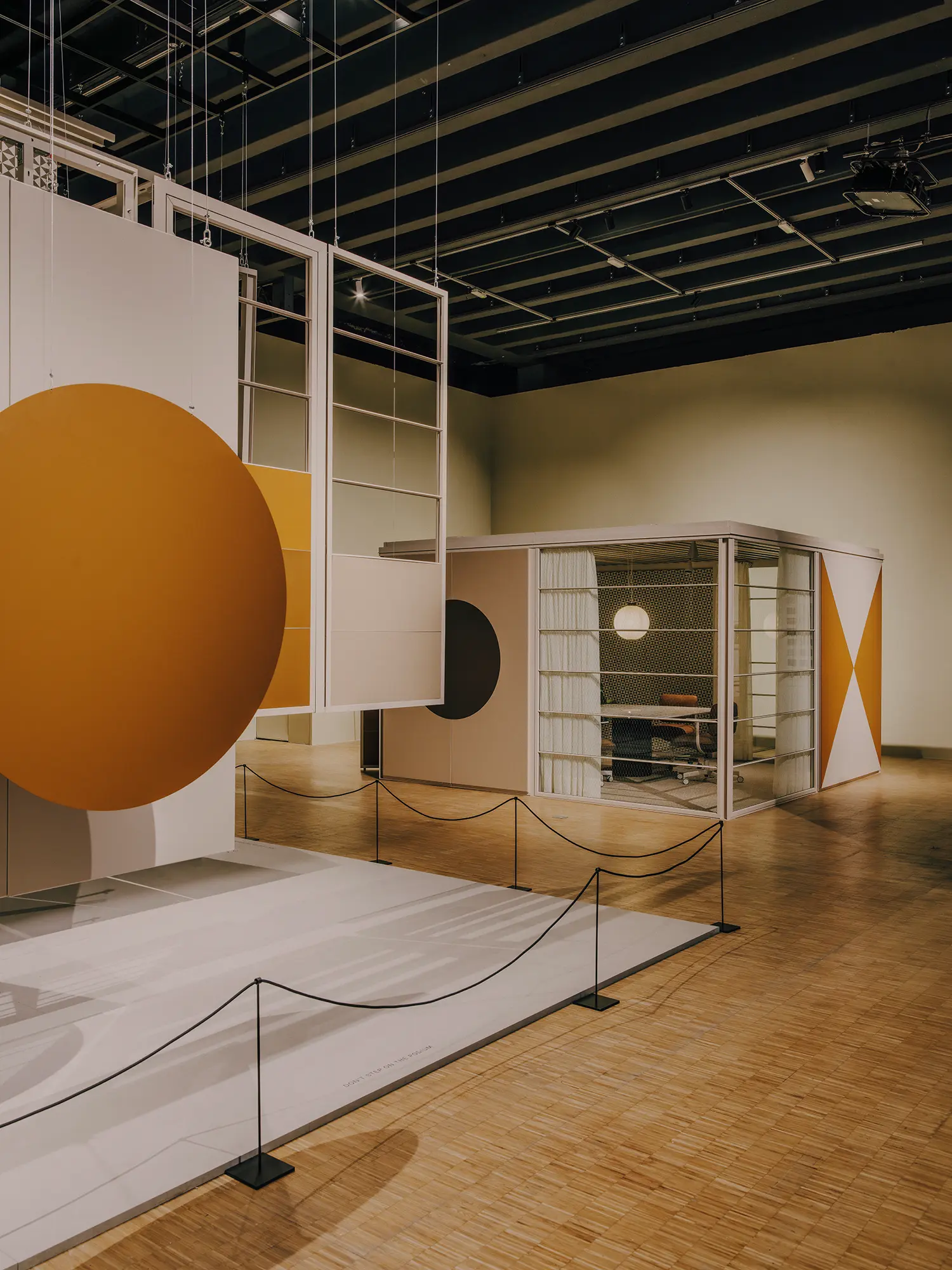
Sustainable longevity is embedded at the core of the system, which prioritizes repairability and long-term adaptability over replacement. By utilizing recyclable aluminum and durable surface treatments, the partnership reflects the conviction that good design should endure and evolve. This emphasis on material honesty ensures the structures remain relevant across residential, hospitality, and workplace environments.
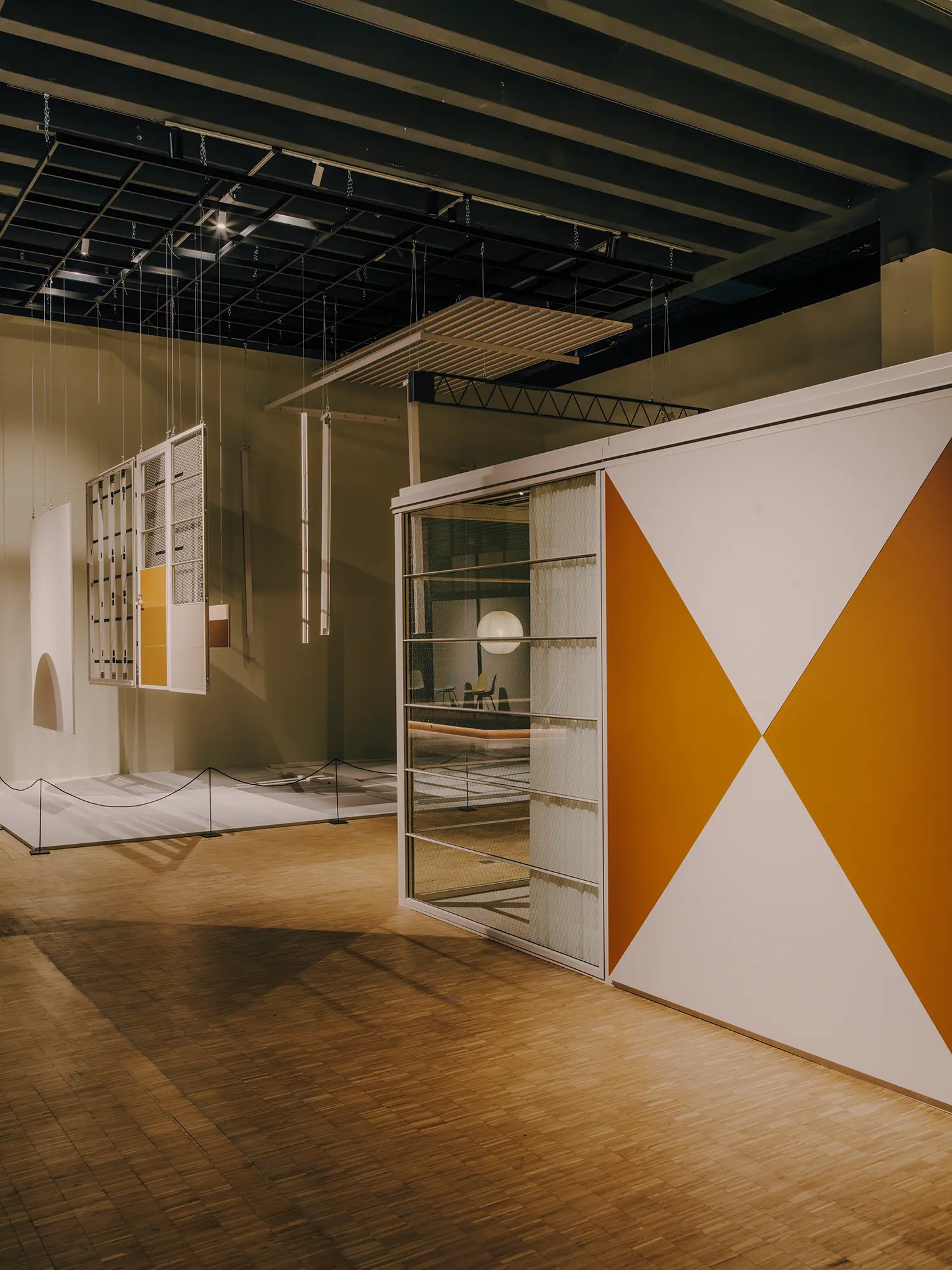
The definitive sourcebook accompanying the launch, published by Phaidon and titled The Eames Houses, establishes residential architecture as a central pillar of the Eames legacy. Authored by Maise with contributions from Catherine Ince and a foreword by Norman Foster, the book constitutes the first comprehensive sourcebook devoted to these projects. It provides the historical evidence for a vision that always intended the series production of human habitation.
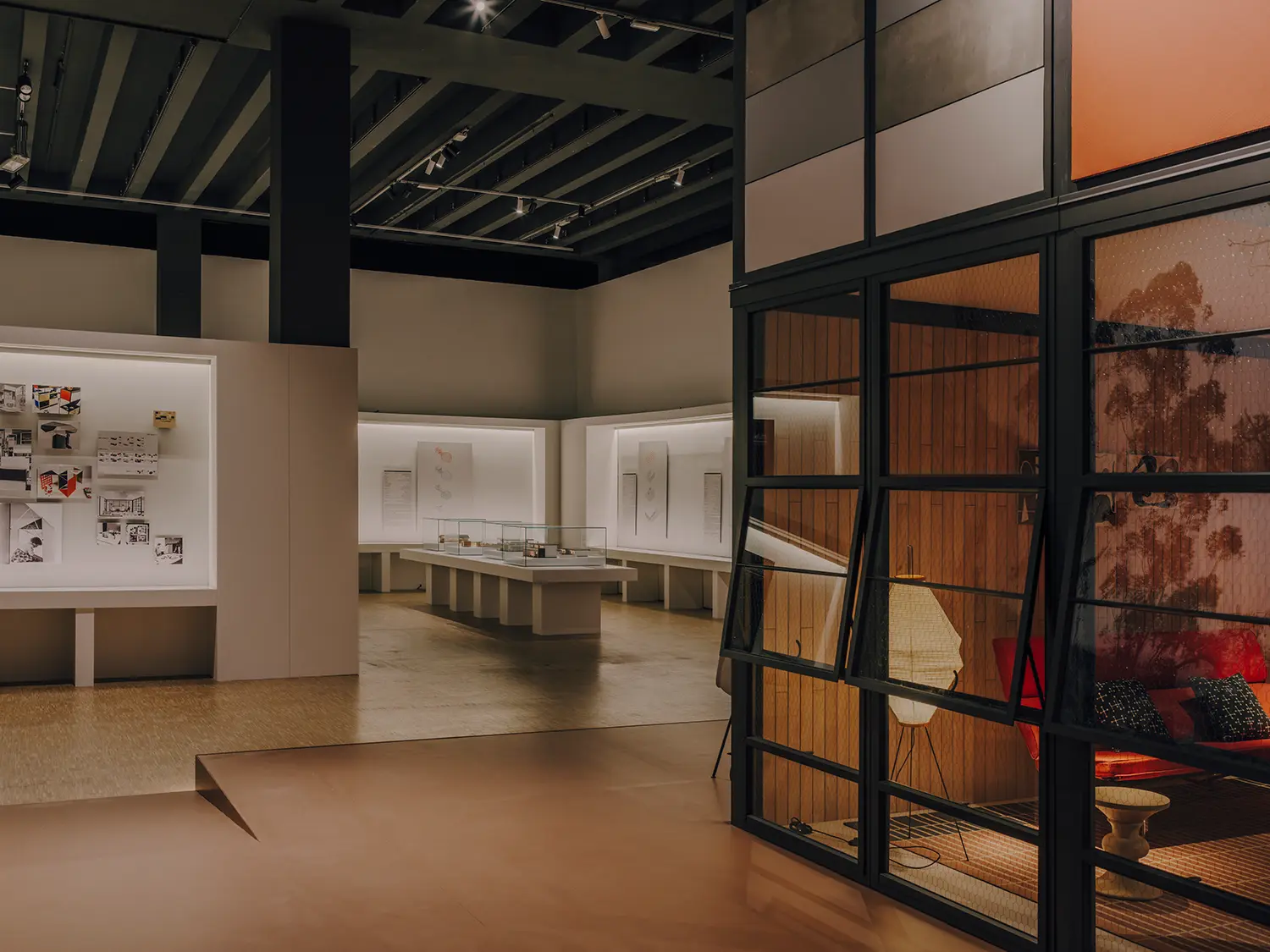
A new way of building is revealed as visitors move through the Triennale Milano, where the sensory experience of the pavilions reaffirms that the Eameses’ systemic thinking was always ahead of its time. This initiative marks the moment where the archive moves back into the landscape, offering a sophisticated, flexible background for contemporary life.
The Eames Houses by Eames Office & Kettal | Where: Triennale Milano, Viale Emilio Alemagna 6, Milan – When: April 21 – May 10, 2026