

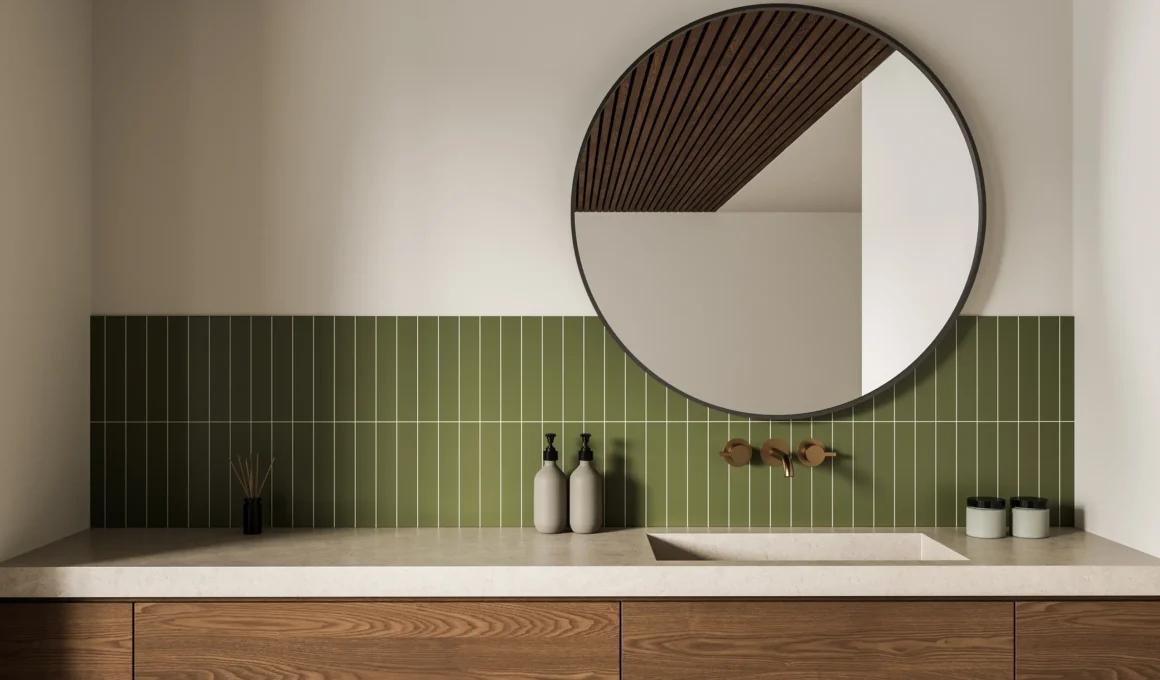
Bathroom design rarely gets the same spotlight as kitchens or living rooms, yet it has gone through one of the most significant transformations in residential interiors over the past decade. This change did not happen with a dramatic trend or a single viral product. It happened gradually, fixture by fixture, as designers and homeowners started paying closer attention to details once considered purely functional. Nowhere is this more visible than in the humble faucet, a piece of hardware that has quietly moved from afterthought to focal point.
Finishes expanded beyond chrome and nickel, shapes softened or sharpened depending on the room, and manufacturers began treating bathroom fixtures less like commodity parts and more like design objects, a shift especially visible among teams sourcing directly from a faucet manufacturer china for expanded finish and mechanism options. The result is hardware that looks nothing like it did fifteen years ago.
Material Choice Drives the Change
Material choice has been central to this evolution. Chrome remains a reliable default, but it now competes with brushed nickel, matte black, warm brass, and even unlacquered finishes that develop a natural patina over time. This last option has become particularly popular among homeowners who want their fixtures to age visibly, giving the bathroom a sense of character rather than a showroom perfect look that fades with use.
Designers have leaned into this by specifying materials that complement the overall material palette of a space, whether that means pairing brass with warm wood tones or matte black with cool toned stone.
How Shape and Form Have Evolved
Shape has followed a similar quiet trajectory. Older faucet designs tended toward bulky, rounded forms dictated largely by internal mechanisms. As manufacturing techniques improved, designers gained more freedom to slim down profiles and introduce angular or sculptural elements without compromising function.
Some of the most striking modern faucets look almost architectural, with straight lines and geometric bases that mirror the broader minimalist movement in interior design. Others take a softer approach, using gentle curves that feel more organic and tactile.
The Role of Global Sourcing in Fixture Design
Global sourcing has played an underappreciated role in accelerating this evolution. Designers working on both residential and commercial projects increasingly look beyond their immediate region for fixtures that match a specific vision, and this has opened access to a wider range of options than local markets alone could offer.
A studio specifying fittings for a boutique hotel bathroom, for example, might work directly with an overseas supplier to get a finish or mechanism that fits the exact aesthetic they are after, often at a price point that would be difficult to match through smaller regional distributors. This broader access has made it easier for independent designers to compete with larger firms on the quality and originality of their fixture choices.
Function Has Kept Pace With Form
Function has evolved just as much as appearance, even if the changes are less visually obvious. Touchless activation, once limited to airports and hospitals, has made its way into residential bathrooms as hygiene awareness grew. Temperature memory settings allow users to preset their preferred water temperature, removing the guesswork from daily routines.
Flow restrictors and improved aerator design have made water conservation a built in feature rather than an add on, which matters increasingly as regions tighten regulations around residential water use. None of these changes shout for attention, but together they represent a meaningful upgrade in how a basic daily task gets performed.
Wellness and the Rise of the Bathroom Retreat
The broader shift toward wellness focused bathroom design has also quietly influenced fixture choices. As more homeowners think of their bathrooms as personal retreats rather than purely utilitarian spaces, every element in the room gets reconsidered through that lens.
A faucet that feels good to touch, sounds pleasant when water flows, and looks intentional rather than generic contributes to that sense of calm just as much as a well chosen tile or lighting fixture. This has pushed manufacturers to think about tactile experience alongside visual design, something that was rarely a priority in earlier generations of bathroom hardware.
Kitchens Follow the Same Design Logic
Kitchens have absorbed some of this same energy, though the priorities differ slightly given the demands of daily cooking. Pull down sprayers, articulating arms, and single lever mixers have become common even in modest renovations, reflecting a broader expectation that hardware should perform well without looking like an industrial afterthought.
The line between kitchen and bathroom fixture design has blurred somewhat as homeowners increasingly want consistency across a home rather than treating each room as a separate design problem.
Why This Evolution Has Stayed Under the Radar
What makes this evolution worth paying attention to is precisely how understated it has been. There was no marketing campaign built around better faucet design, no influencer moment that made matte black spouts suddenly desirable. Instead, incremental improvements in material science, manufacturing precision, and global supply access combined to quietly raise the baseline expectation for what a bathroom fixture should look and feel like.
Homeowners renovating today simply expect more thoughtful design than they did a decade ago, often without realizing how much the category itself has changed to make that possible.
What Comes Next for Bathroom Fixtures
Looking forward, this quiet momentum shows little sign of slowing. Modular fixture systems, expanded finish options, and continued refinement of water saving technology suggest the next phase of this evolution will be just as gradual and just as significant as the last.
The faucet, once one of the least discussed elements of interior design, has become a small but telling indicator of how much thought now goes into spaces that used to be treated as purely functional.