

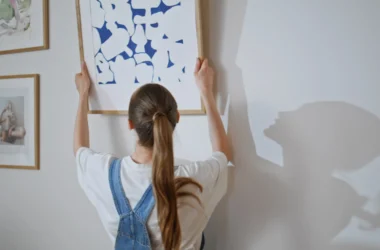
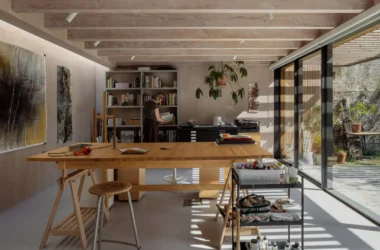
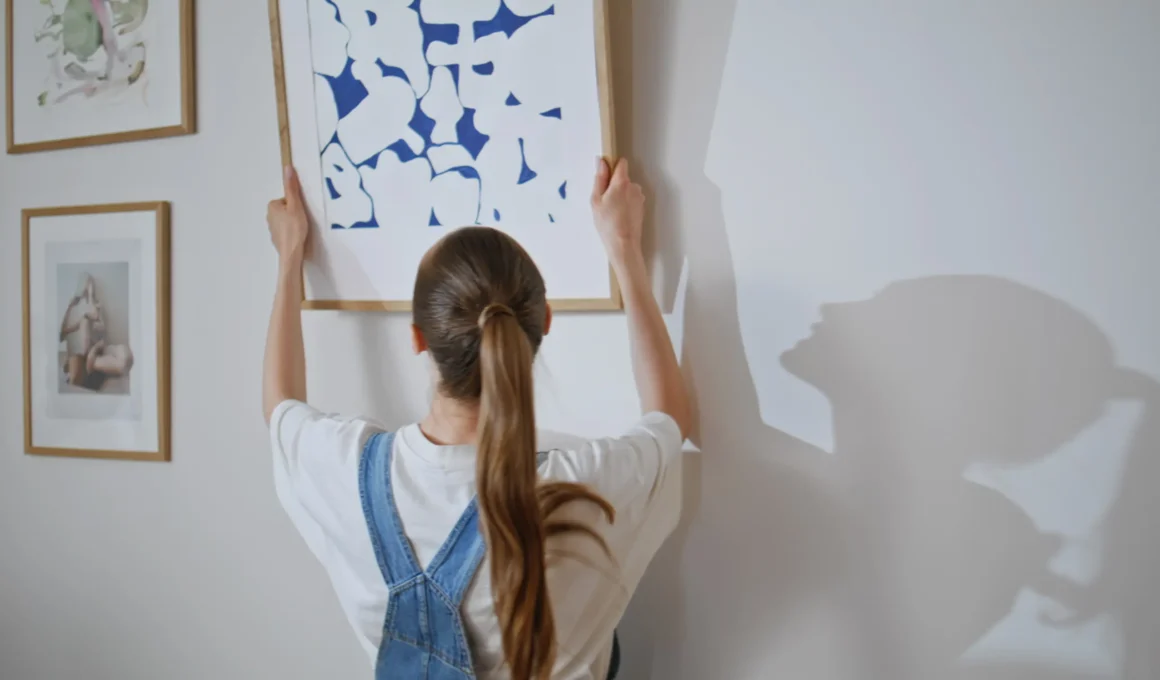
Home interiors in 2026 are drifting away from mass-produced prints and toward things that actually mean something to the people living with them. Original pieces, handmade textiles, one-off ceramics – the whole point is that it looks like someone made a choice, not a purchase. Structured, step-by-step art kits sit right at the crossing point of that shift and the broader wellness-through-creativity movement that’s been building for years. They’re not just a rainy-afternoon hobby anymore. For design-literate homeowners, they’ve become a legitimate way to fill a wall with something personal, sized and shaped for the exact spot it needs to go.
That’s the angle worth taking seriously here: not “is painting good for you,” but how a structured, guided painting process fits into the way people actually plan their rooms.
The Rise of Structured Art-Making in Modern Interiors
The global paint-by-numbers kit market hit USD 1.67 billion in 2025 and is projected to grow at a 7.1% CAGR through 2034, according to Growth Market Reports. That’s not a niche craft-fair statistic. It reflects a real shift in how adults – not just kids – are spending unstructured time, and increasingly, what they’re choosing to hang on their walls afterward.
Picture someone redecorating a reading nook that’s been bare for two years because nothing in the budget felt right. Instead of ordering another framed print off a marketplace site, they pick up one of the step-by-step art sets built for people with zero painting background. There’s no blank canvas staring back at them, no decision paralysis about composition. The lines and numbers are already there.
What comes out the other end is still theirs, still handmade, but it didn’t require an art degree to get there. That’s a meaningfully different value proposition than a hobby shop craft kit, and it’s why the category keeps showing up in curated home tours instead of just kids’ activity boxes.
The Science Behind Why It Calms the Mind
The appeal isn’t only aesthetic. A systematic review of creative arts interventions found that 81.1% of the 37 studies included reported a significant reduction in participants’ stress levels, with art-specific interventions showing meaningful reductions in 76% of the studies reviewed, per the PMC/NCBI review on creative arts interventions for stress management.
The mechanism is fairly simple once you sit with it. A blank page asks you to make a hundred decisions before you’ve made a single brushstroke – what to paint, how to compose it, where to start. That decision load is itself a source of stress for people without formal training. Remove it, and what’s left is closer to a moving-meditation exercise: repetitive, low-stakes, and hard to do badly. The American Art Therapy Association has long framed structured creative activity as a tool for supporting cognitive and emotional wellbeing, and the American Psychiatric Association has written about art-based practices showing measurable benefits even in clinical settings, including studies involving cancer patients.
For design readers, this is the part that matters: the hobby’s popularity isn’t a fluke of social media trends. It’s showing up in curated, wellness-minded homes because it actually does something, and because the finished object earns its place on the wall rather than just filling space.
Designing Wall Art Around Your Space
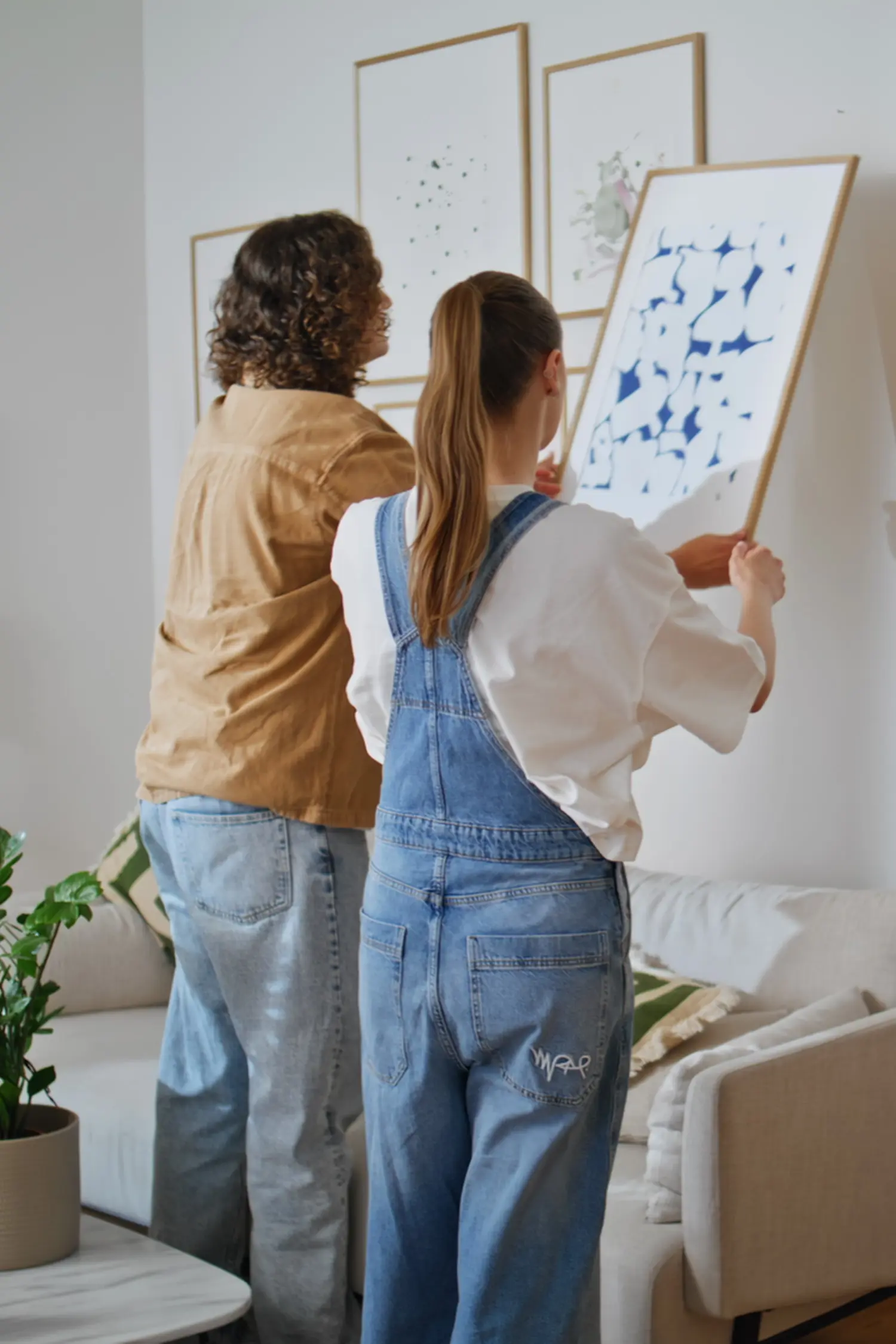
Here’s where most coverage of this hobby stops short. Nearly everything written about step-by-step painting treats the finished piece as an afterthought – as if any canvas, any size, works for any wall. It doesn’t. A twelve-inch square looks lost above a seven-foot sofa. A tall narrow piece disappears in a wide hallway. Anyone who’s spent time actually hanging pieces gallery-style knows that proportion is doing half the work before color or subject matter even enters the conversation.
This is where format choice starts to matter as much as subject choice. A wide wall above a sectional, a long run above a headboard, a narrow hallway that never quite fits a standard frame – these are common problems in real rooms, and a standard square kit rarely solves them. Say someone’s staring at a nine-foot stretch of wall behind their bed with nothing on it because every framed piece they’ve tried looks like a postage stamp. A long painting horizontal fills that run the way the space actually calls for, instead of forcing a square format into a rectangle problem. It’s a small shift in thinking, but it’s the difference between decor that fits a room and decor that just occupies it.
Bringing It Into the Rest of the Home
The living room and bedroom aren’t the only places this fits. A focus-friendly home office setup benefits from the same logic – a single, calming piece near a desk does more for a workday than a cluttered pinboard ever will, and a hand-painted piece adds a layer of personal texture that a stock print can’t. Color choice matters here too. Softer, nature-inspired color palettes – sage, clay, muted blue – tend to hold up better in spaces meant for concentration or rest than anything too saturated or busy.
None of this requires overhauling a room. It’s a matter of treating one wall, one piece, as a deliberate decision rather than an afterthought purchase made under deadline pressure before guests arrive.
Where This Leaves Design-Minded Homeowners
Step-by-step art has moved a long way from the kids’ craft table. It’s now a legitimate entry point into a genuinely calming hobby that also happens to solve a real design problem: how to fill a wall with something personal instead of something mass-produced. The stress-reduction research backs up why people keep coming back to it, and the market growth backs up that this isn’t a passing trend. What’s been missing from most coverage is the room-level thinking – proportion, orientation, where a piece actually belongs – and that’s exactly the piece worth carrying into any 2026 interior plan.