



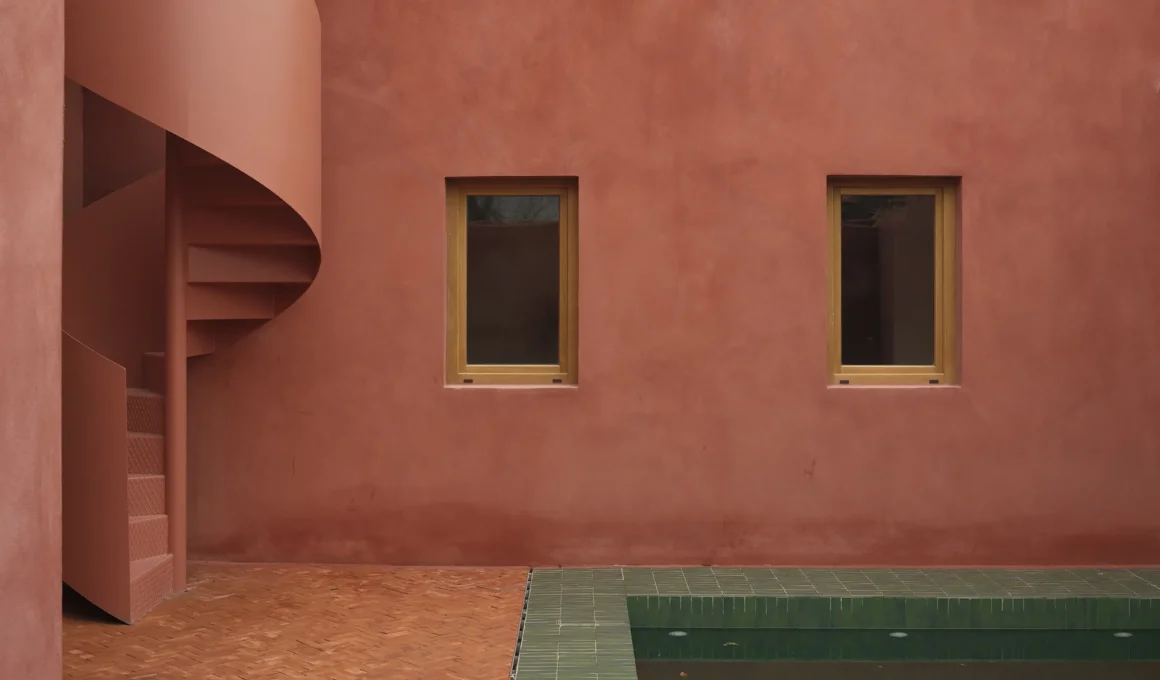
La Casa de la Charca Verde represents a profound urban metamorphosis in Madrid, where aceboXalonso estudio has meticulously deconstructed a century of domestic layers to transform a decadent 1920s residence into a high-performance, contemporary home defined by a revolutionary green hydraulic heart.
A palimpsest of modern history. The project began as an archaeological exercise within one of Madrid’s historic housing estates. Originally built to house the capital’s working class in the 1920s, the structure had spent decades drifting away from its architectural origins. By the time the studio arrived in 2021, the house was a “kitsch palimpsest”—a chaotic assemblage of DIY additions, tangled wiring, and outdated awnings. It was a site defined by decadence, where the only remaining spark of character was a peeling, multi-toned blue pool from 1971, a relic of Spain’s era of developmentalism when individual hedonism began to replace communal utility.
Reclaiming the void. The central challenge for aceboXalonso estudio was to reconcile the home’s working-class heritage with the client’s desire for a modern lifestyle. The 1970s intervention had sacrificed the entire 28-square-meter backyard for a static blue basin, effectively killing the patio’s role as a site for chores and play. The new vision sought to recover this lost ground without renouncing the luxury of water. Instead of a fixed element, the patio was reimagined as a dynamic environmental mechanism capable of shifting roles based on seasonal needs and domestic reality.
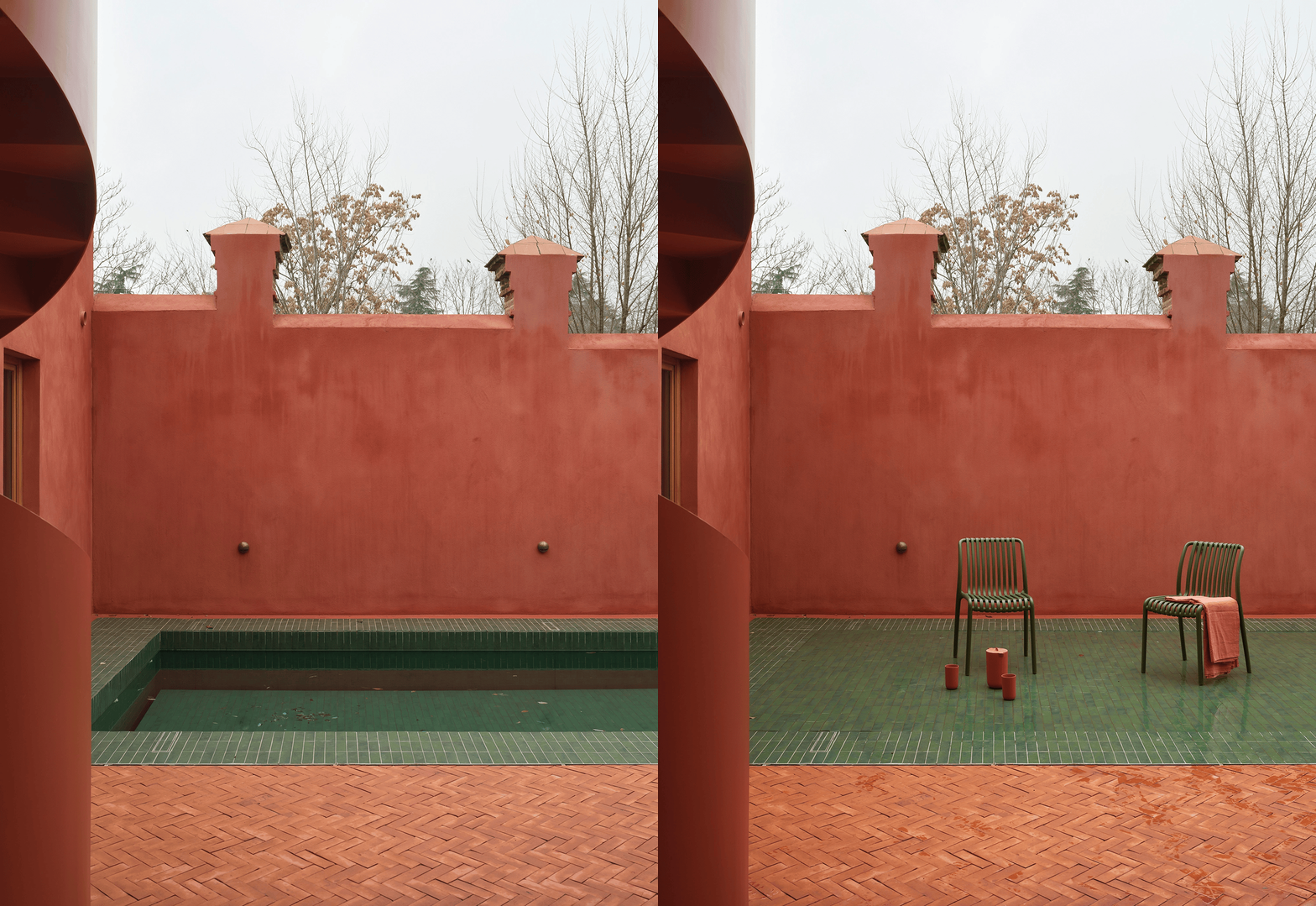
The green hydraulic shift. Moving away from the static, postcard-blue imagery of the past, the architects introduced a bespoke mobile platform that redefines the backyard’s potential. This precision-engineered element allows the patio to physically transform in minutes, sliding or pivoting to serve as a dry, walkable courtyard for social gatherings, a shallow decorative pond, or a full-depth swimming pool. The choice of a deep green hue for the basin is a deliberate aesthetic departure; it references the memory of traditional Spanish cisterns and irrigation ponds, grounding the project in a more sustainable, earth-bound narrative rather than a plastic, consumerist one.
Environmental mindfulness. This transformation is not merely theatrical; it is deeply functional. The water management system has been optimized for resource conservation, utilizing advanced recirculation and naturalized treatment processes. By treating the pool as a “charca” (pond) rather than a chemical-heavy tank, the project speaks to a new form of domestic health. The water becomes a thermal regulator for the microclimate of the home, shifting from a status symbol to a vital component of the building’s performance.
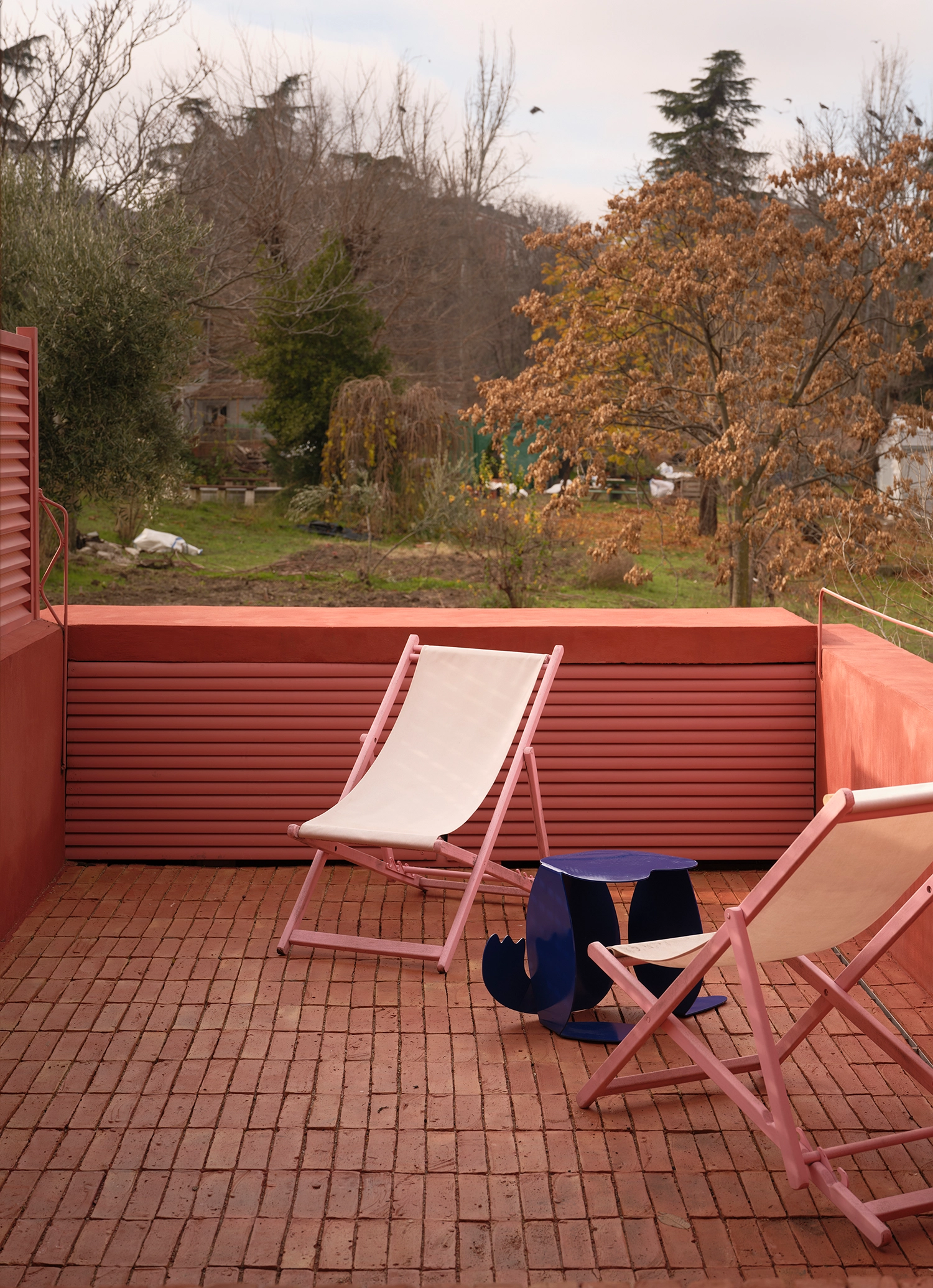
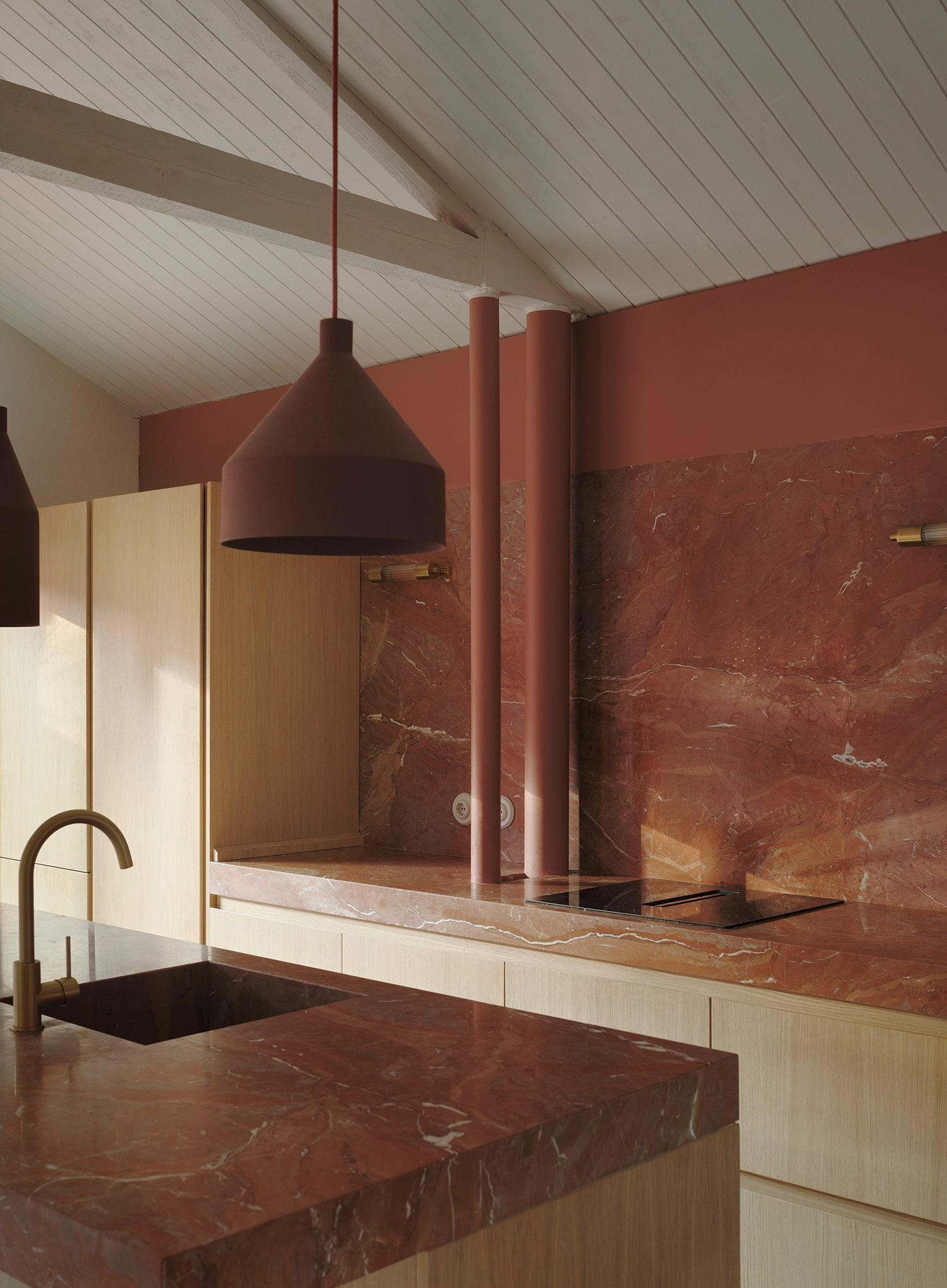
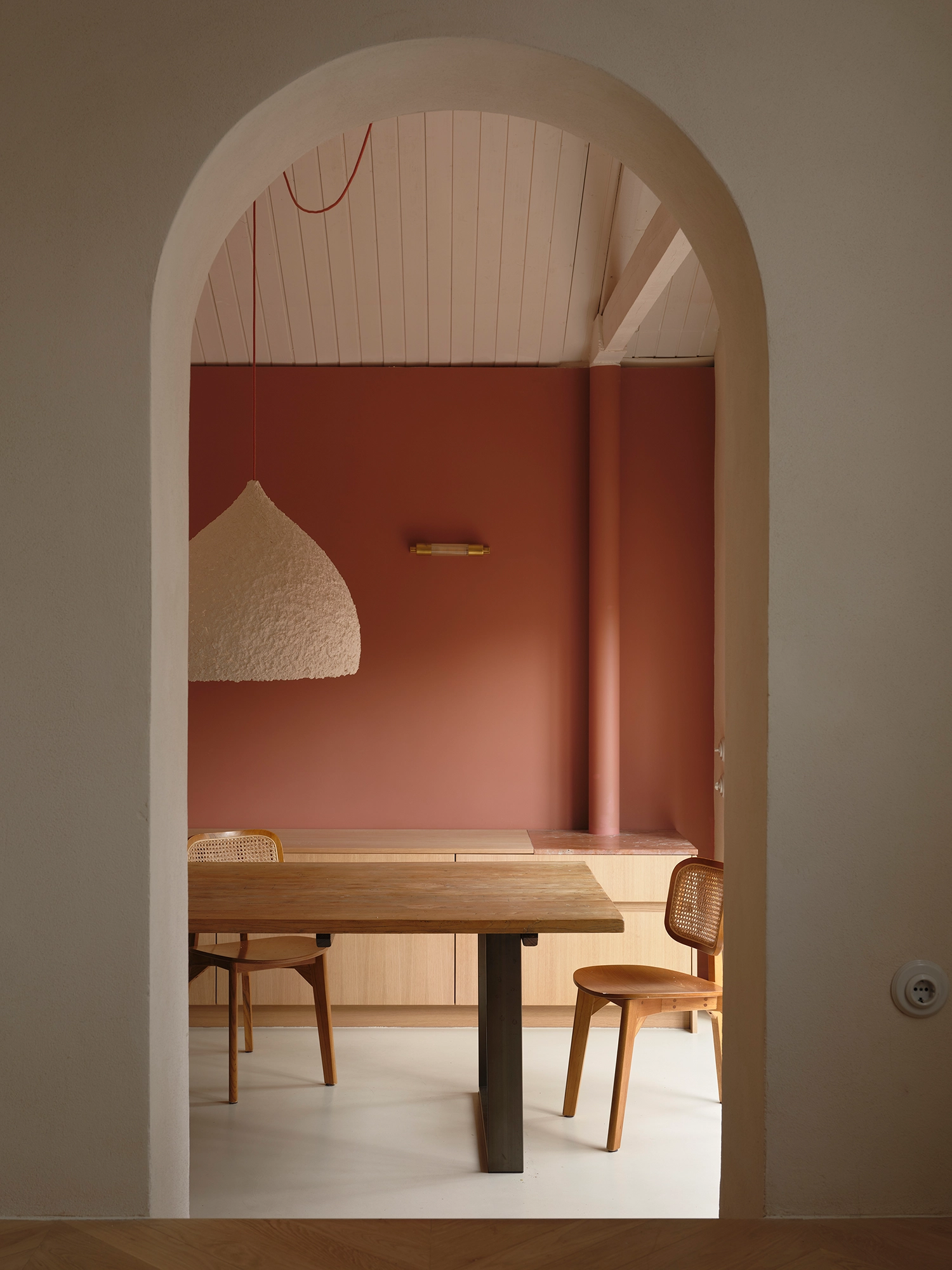
Structural restoration. Inside the main volume, the intervention focused on “cleaning” the architecture. Negative impacts from years of neglect were stripped away to reveal the original model’s proportions. The design team focused on spatial fluidity, ensuring that the interior and the newly recovered patio operate as a single, cohesive unit. The resulting atmosphere is one of thoughtful restraint, where the quality of light and the movement of the mobile platform dictate the rhythm of daily life.
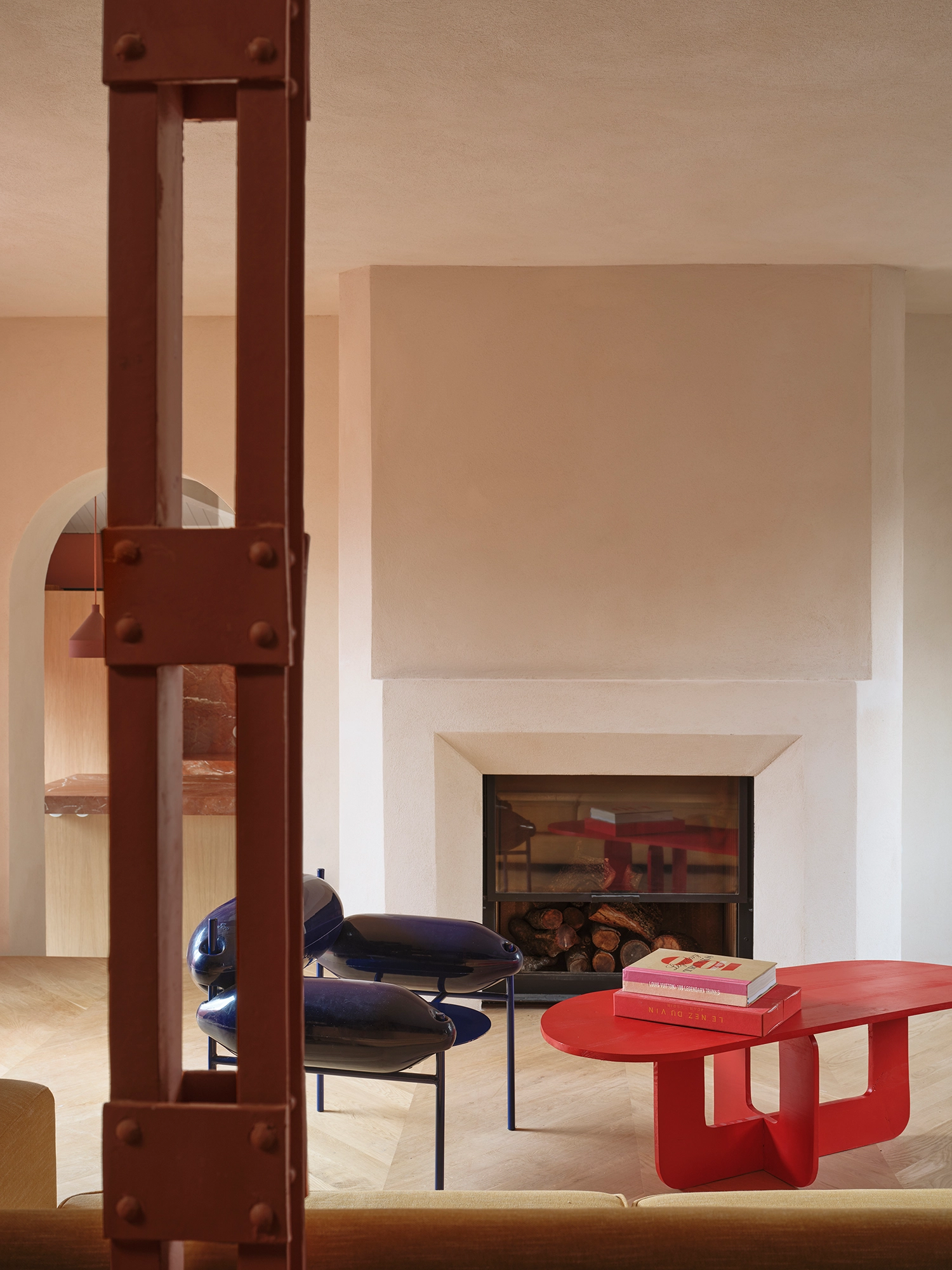
Material honesty. Every new element added to the house serves to highlight the contrast between the old and the new. The materials are tactile and honest, emphasizing the sensory experience of the space—the cool touch of the water, the smooth movement of the platform, and the dappled light reflecting off the green depths. It is a home that feels alive, capable of breathing and adapting to the harsh Madrid sun while maintaining a respectful dialogue with its working-class roots.
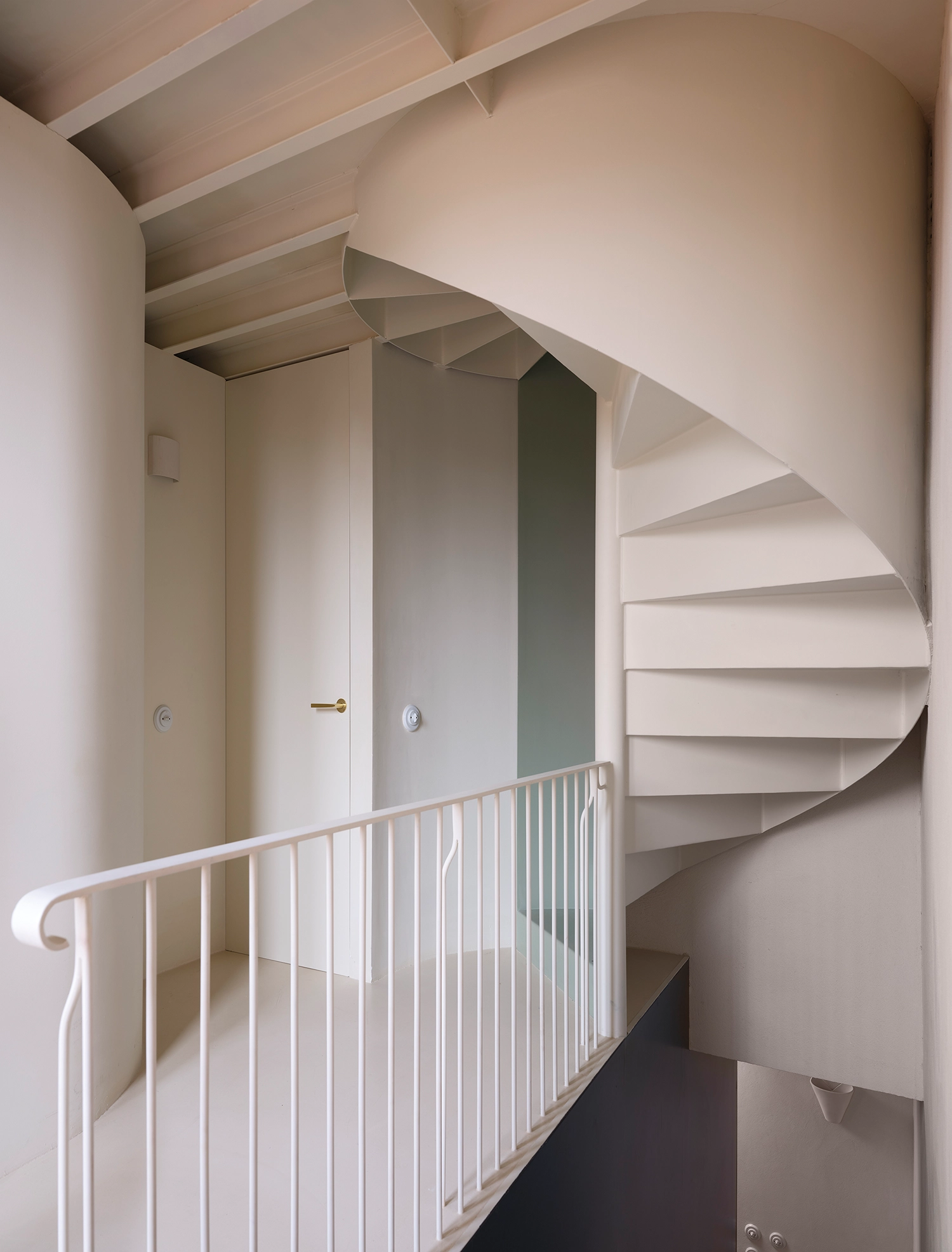
A new residential paradigm. This intervention mirrors a broader shift in the Iberian Peninsula, where architects are increasingly moving away from “blank slate” construction toward a more surgical, adaptive reuse approach. We see this same spirit of “architectural acupuncture” in projects like the Solar Casa Castelar in Madrid, which similarly breathes new life into existing urban tissue through solar integration. While the Casa Tres Patis in Albons explores the courtyard as a Mediterranean archetype, and the Camiral House sets benchmarks for wellness-certified living, La Casa de la Charca Verde finds its unique voice through mechanical ingenuity.
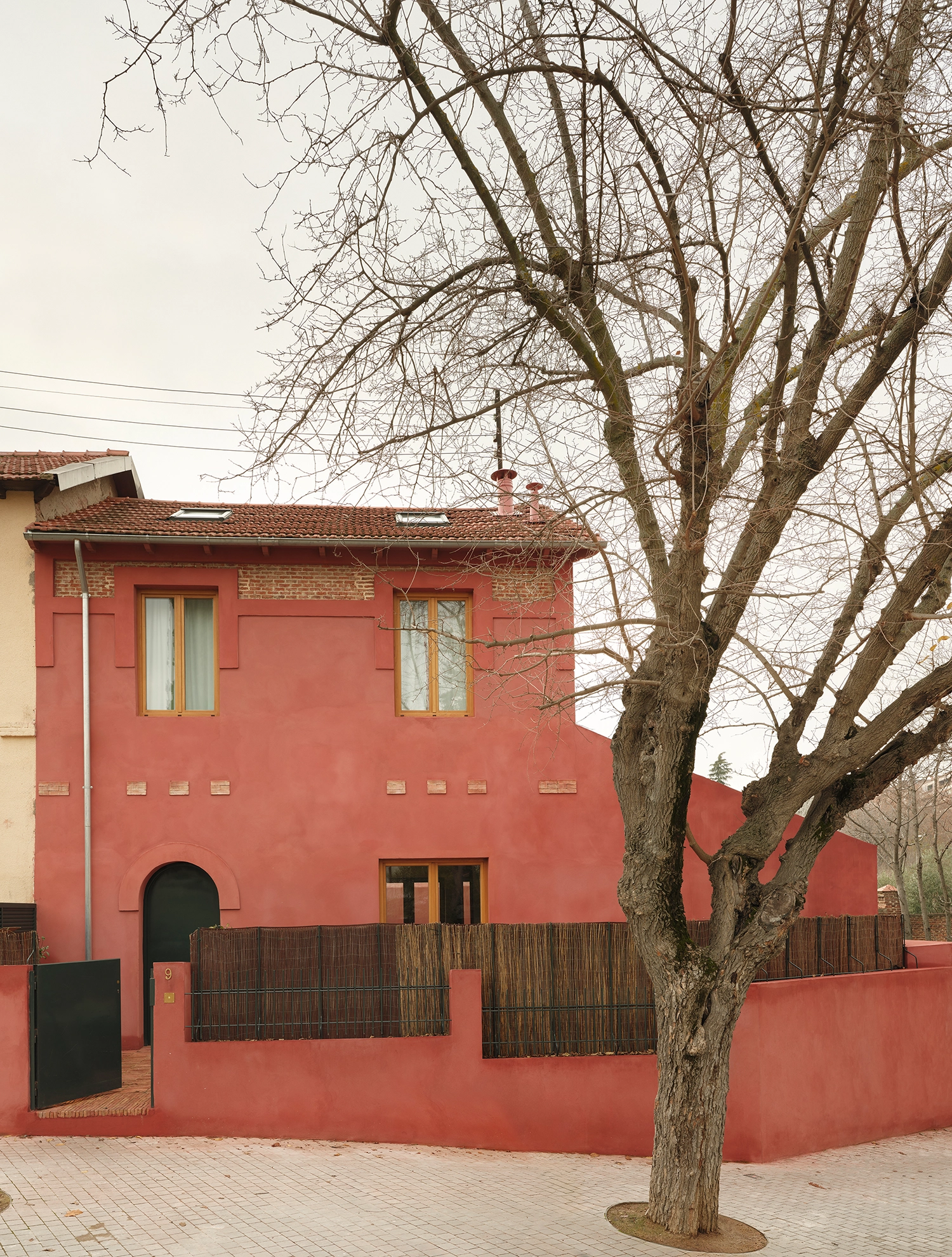
The evolution of the Spanish home. Comparing these works reveals a maturing residential landscape in Spain. Whether it is the precision-heavy Casa Puerto Lucas or the transformative patios of aceboXalonso estudio, the common thread is a rejection of the static. The Spanish house is no longer a rigid container but a flexible, intelligent system. By evolving the “blue pool” fantasy into a functional green pond, this project proves that even the smallest urban footprints can harbor complex, multi-layered ecological and social lives.