


Bohemian home design Toronto projects are about making a space feel personal and lived in rather than staged. Most homes here start with neutral finishes, simple layouts, and builder-grade materials that work but carry no character. A good bohemian transformation adds warmth, texture, and individuality without sacrificing a practical place to live.
Unlike minimalist trends that strip a room down, bohemian interiors lean into collected pieces, natural materials, and global influence. The goal is not a showroom copy. It is a space that reflects the homeowner’s experiences and taste.
The style has caught on across Toronto, especially in neighbourhoods like Lawrence Park and Etobicoke, where homeowners blend original architecture with modern updates. The result feels curated over time, not finished in a single phase.
The Foundations of Bohemian Home Design
The best bohemian interiors start with strong foundational materials. Flooring, wall treatments, lighting, and architectural detail shape the result more than accessories ever will.
Warm palettes form the backbone. Terracotta, sage, sand, clay, and warm white set a relaxed tone, while textured finishes like limewash and plaster add depth without overwhelming the room. Flooring carries just as much weight. Wide-plank hardwood, reclaimed wood, patterned tile, and natural stone age well and supply the texture the style depends on.
Homeowners in Vaughan and Aurora often find that investing in structural finishes first beats spending heavily on decor. When the architecture feels intentional, the decorative layers fall into place.
Why Furniture Selection Matters
The biggest myth about bohemian design is that a matching furniture set will get you there. It will not. The style thrives on contrast.
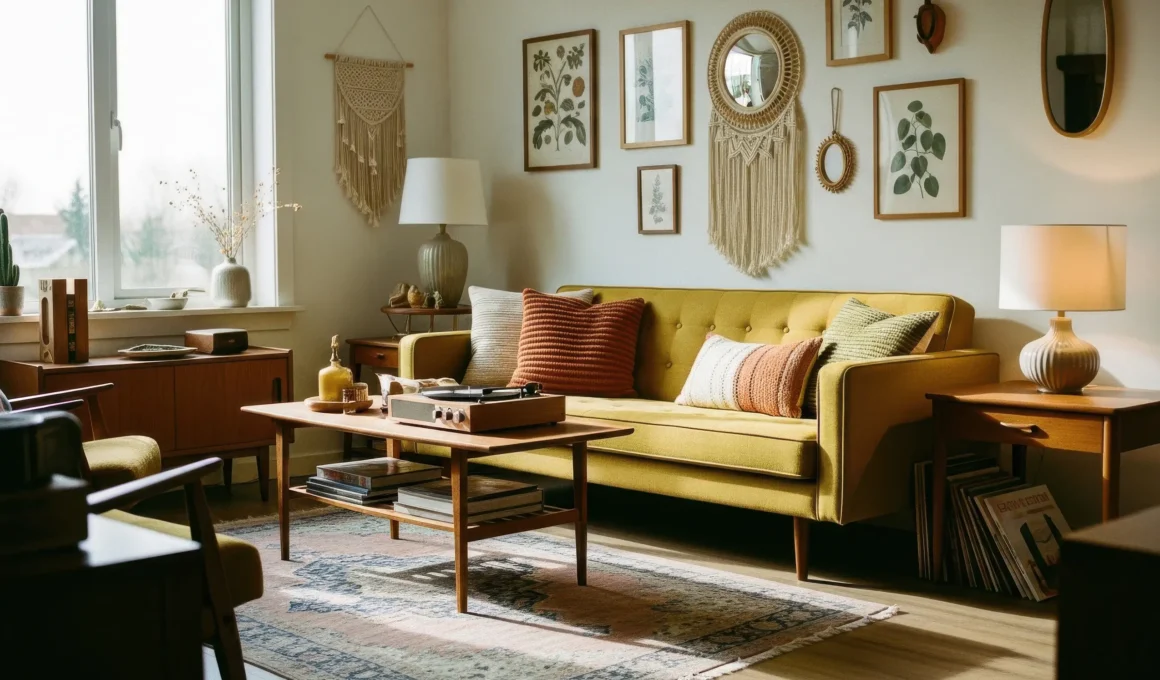
A strong room might pair a vintage coffee table, a modern sofa, handmade ceramics, woven lighting, and art collected over years. Anchor pieces from retailers like West Elm, Crate&Barrel, or Pottery Barn give the room its bones, a rattan headboard or a raw-edge dining table, while vintage markets and independent makers supply the character. Designers usually recommend settling one or two anchor pieces before layering, which keeps a space from reading cluttered.
How a Bare House Becomes a Boho Haven
The transformation works best in stages.
Stage one is structural. New flooring, updated trim, better lighting, wall texture, and features like niches or arches give a home the character newer homes often lack. This is the phase most homeowners cannot tackle alone, and it sets the ceiling on everything that follows. A Toronto firm with a track record on millwork and layout work, like Mirage Renovations, is what separates a convincing conversion from a surface-level one.
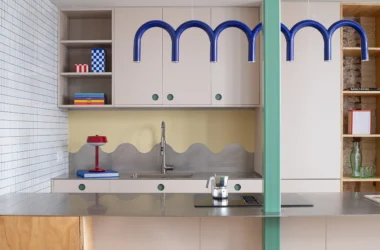
Stage two adds fixed design features. Backsplashes, custom shelving, vanities, and light fixtures set the visual identity. Natural and handcrafted materials carry this phase.
Stage three is where personality lands. Textiles, art, books, plants, and collected objects create the layered look. These pieces reflect real interests, so they cannot be copied from a catalogue. Homeowners in Markham, Whitchurch-Stouffville, and Welland tend to find this phased approach more authentic than chasing the look through furniture alone.
Bringing Natural Elements Into the Design
Natural materials define the style. Wood, rattan, linen, cotton, wool, and jute add texture and keep rooms relaxed. The woven textiles and ceramics in the home collection at Bohemian Beach Boutique are a practical starting point for the soft layer that gives a boho room its warmth.
Plants matter just as much. Large floor plants, hanging greenery, and smaller accents bring movement and colour, and in dense urban areas they restore a connection to nature that the space might otherwise lack. Natural light deserves the same priority, with layered window treatments that soften sun without blocking it.
Accessories should support the look, not dominate it. Handmade ceramics, woven baskets, and artisan accents hold their value longer than trend pieces.
Best Practices for Bohemian Home Design Toronto Projects
The best bohemian home design Toronto projects share a few traits.
They prioritize quality materials over accessories. Flooring, lighting, and durable finishes outlast any trend. They embrace restraint, staying collected without crowding, so every piece earns its place. Toronto designer Jane Lockhart has spoken about editing the collected look so it does not tip into clutter, a principle worth keeping in view. They balance old and new, pairing modern function with vintage character for a result that holds up. And they evolve gradually, growing through deliberate choices rather than arriving finished overnight.
Conclusion
A bohemian home design Toronto project comes down to building a home with personality, warmth, and authenticity. With careful renovation planning, natural materials, layered texture, and well-chosen furnishings, even a plain builder-grade house becomes a welcoming retreat. Get the foundations right first, then let the decorative layers build on them, and the home ends up personal without giving up everyday function.