




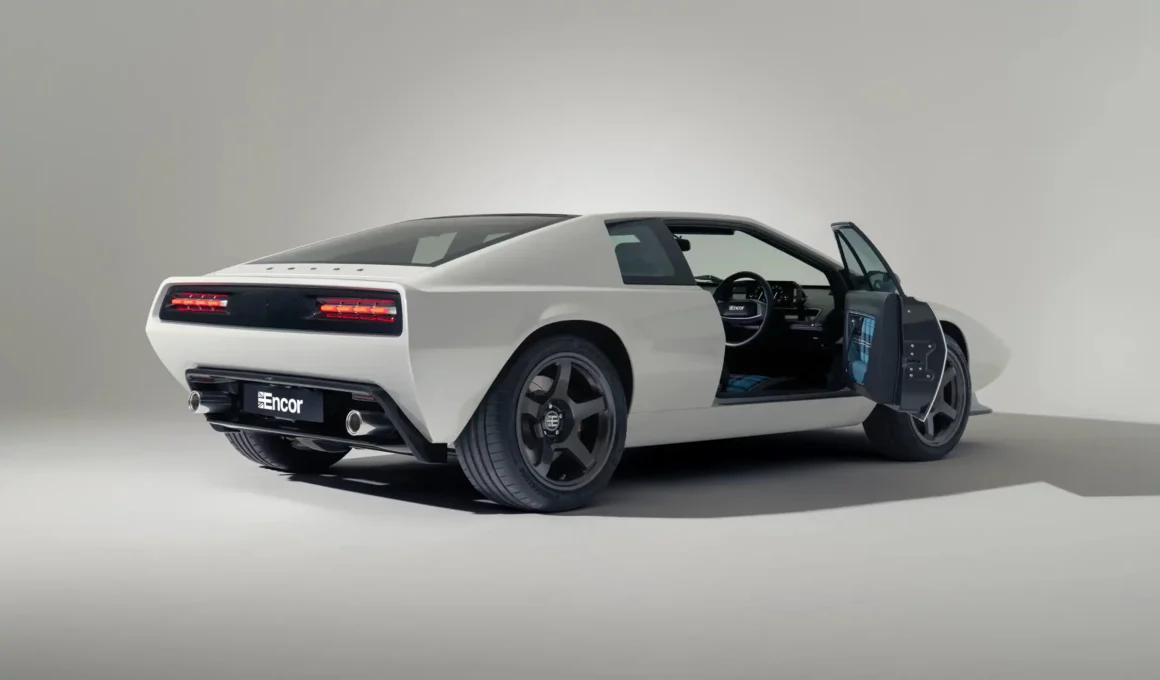
The enduring fascination with the classic restomod market shows no signs of waning, as bespoke manufacturers look to resurrect and re-engineer automotive icons with modern sensibility. The latest project to capture the attention of designand architecture enthusiasts is the Encor Series 1, an ambitious reinterpretation of the legendary Lotus Esprit Series 1. The original wedge-shaped sports car, famously penned by the master, Giorgetto Giugiaro, has been meticulously taken apart and reimagined for a new era, trading its 1970s fibreglass body for a vastly more rigid, contemporary structure crafted entirely from pre-preg carbon fibre.
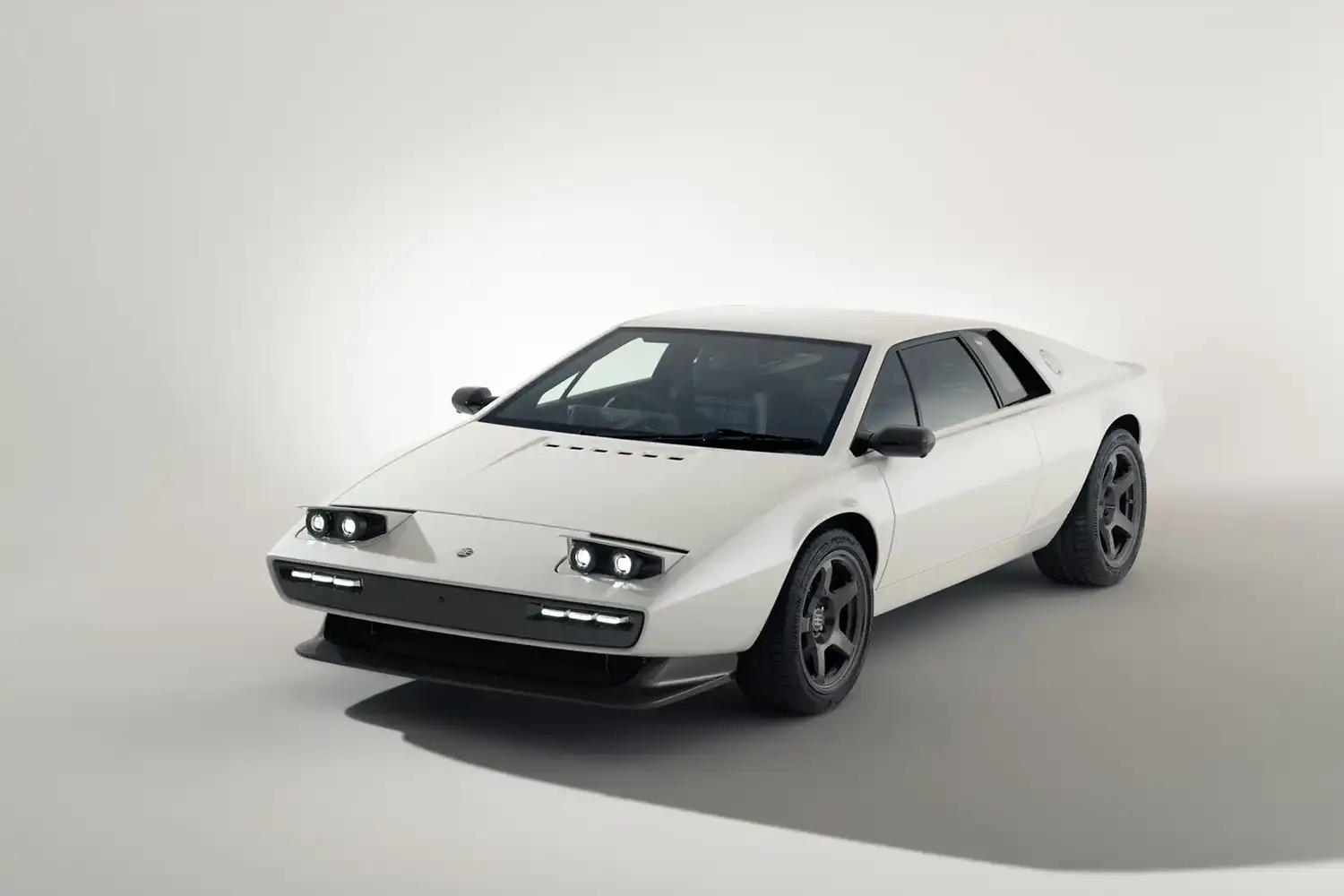
This bold venture is the debut project from Encor, an Essex-based manufacturer founded by a team with serious industry pedigree, drawing experience from hypercar royalty like Koenigsegg and Aston Martin. Notably, the Encor Series 1 team includes former Lotus designer Daniel Durrant, who led the design of the Emira. His involvement ensures that the subtle design refinement is carried out with complete reverence for the original vehicle’s form, ensuring that every line honours the uncompromised purity that defined the 1975 show car.
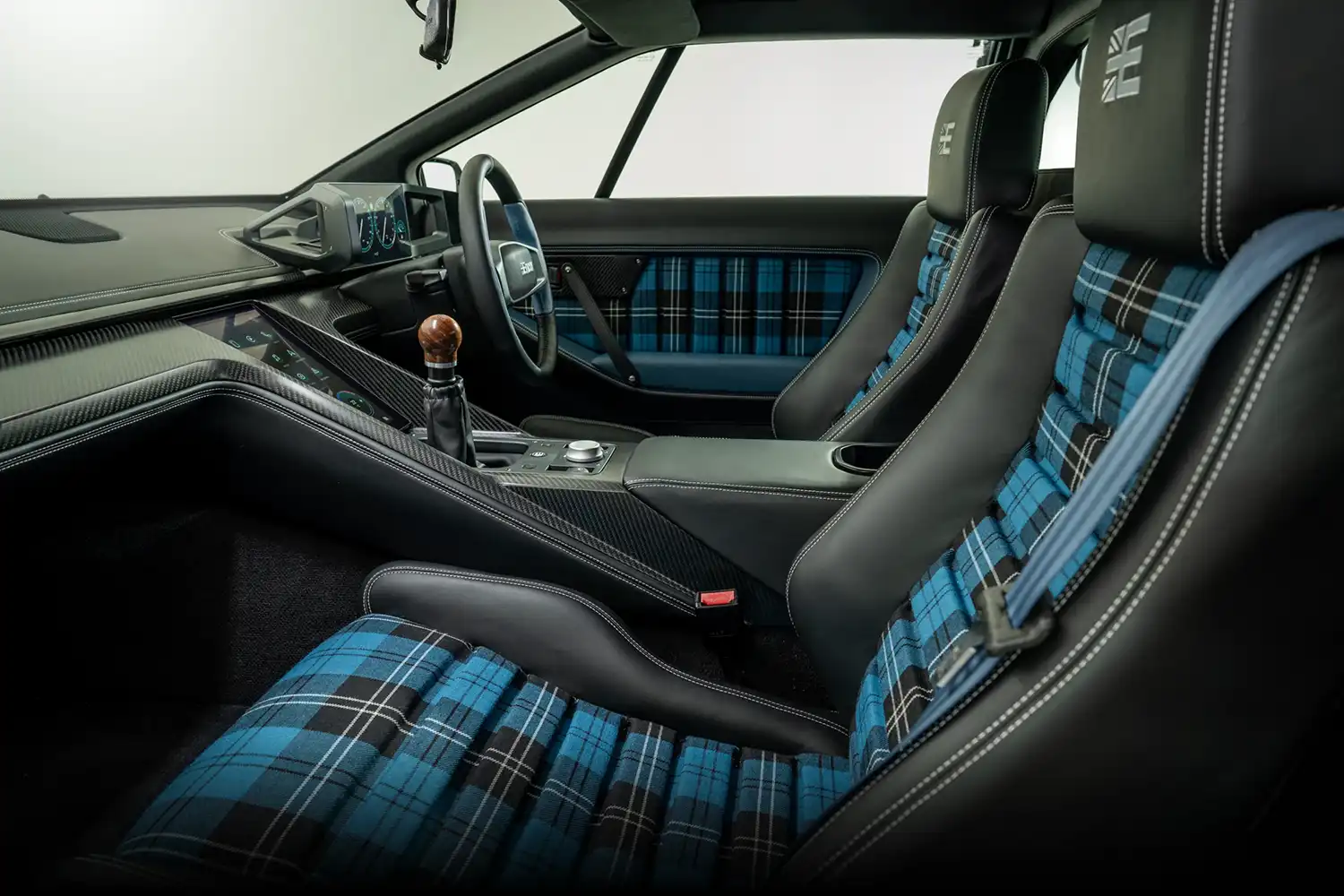
While the striking silhouette remains true to its Giugiaro heritage, the architecture and technology beneath the skin have been profoundly modernised. The Encor Series 1 utilises the robust backbone chassis of the later Esprit V8, around which a brand-new electrical system has been integrated by co-founder William Ives’ company, Skyships. This cutting-edge, yet discreet, electrical system supports integrated climate control, camera systems, and a digital display that floats within a custom-machined aluminium binnacle, seamlessly marrying contemporary technology with a classic aesthetic.
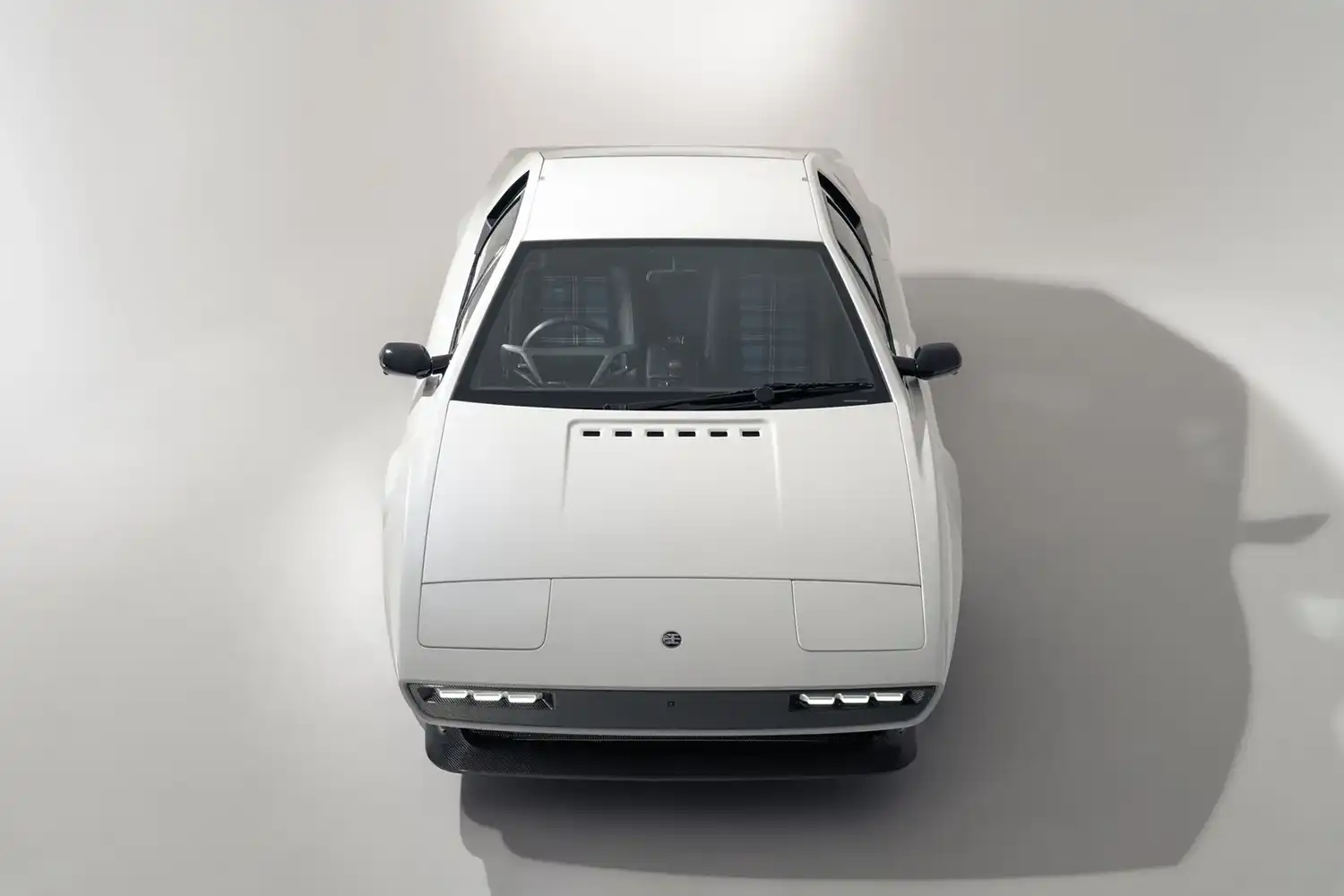
The commitment to enhancing the original’s capabilities is most evident in the performance upgrades. The Series 1 is powered by a fully rebuilt 3.5-litre twin-turbo V8 engine, which now delivers a potent 400bhp—more than double the output of the original Series 1. This significant horsepower increase, combined with a wet kerb weight of just 1,200kg thanks to the lightweight carbon fibre shell, allows the car to sprint from 0-60 mph in a swift four seconds, firmly placing it in modern supercar territory.
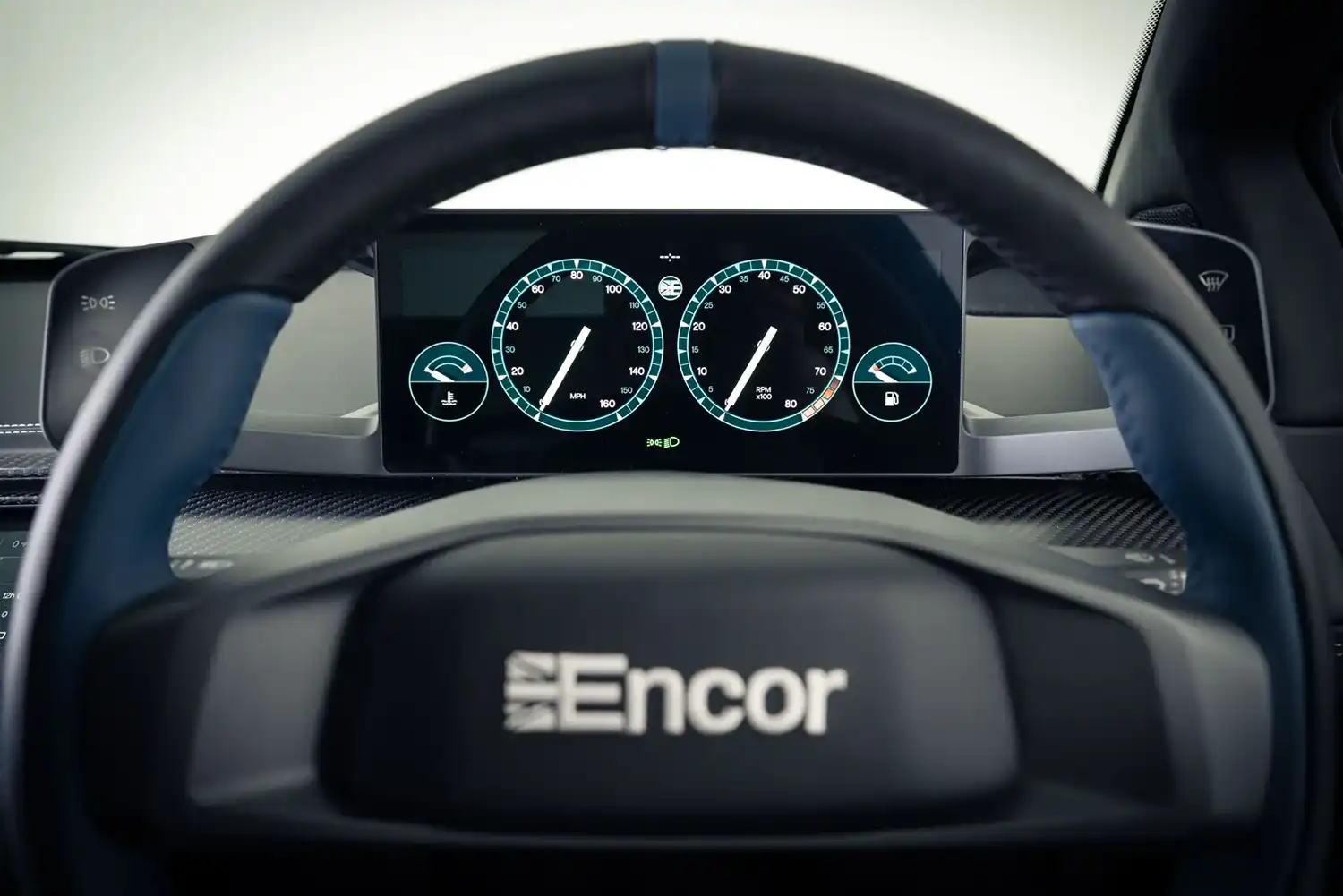
Crucially, the creators aimed to preserve the raw, tactile connection that defined the analogue era of driving. Encor co-founder Simon Lane stresses that the project sought to avoid the modern tendency toward gadgetry, ensuring that the technology serves only to enhance the analogue driving experience, not to dominate it. The car retains hydraulically-assisted steering and a manual five-speed transmission, upgraded with a limited-slip differential by Quaife, cementing its identity as a purist’s machine. Further subtle upgrades include slender LED pop-up headlights and a slightly broader stance to accommodate modern suspension and AP Racing brakes, all while referencing the original wheel designs.

As a high-end, limited edition offering, the Encor Series 1 will see a production run restricted to just 50 examplesglobally, each tailored to the bespoke specifications of the buyer, complete with luxurious retrimmed seats and period-correct materials like tartan upholstery. This level of craftsmanship comes with a price tag starting at £430,000 (approximately $579,000), excluding taxes and the Series 4 donor car, marking the Encor Series 1 as a true collector’s item and a masterful piece of automotive preservation and performance art.