



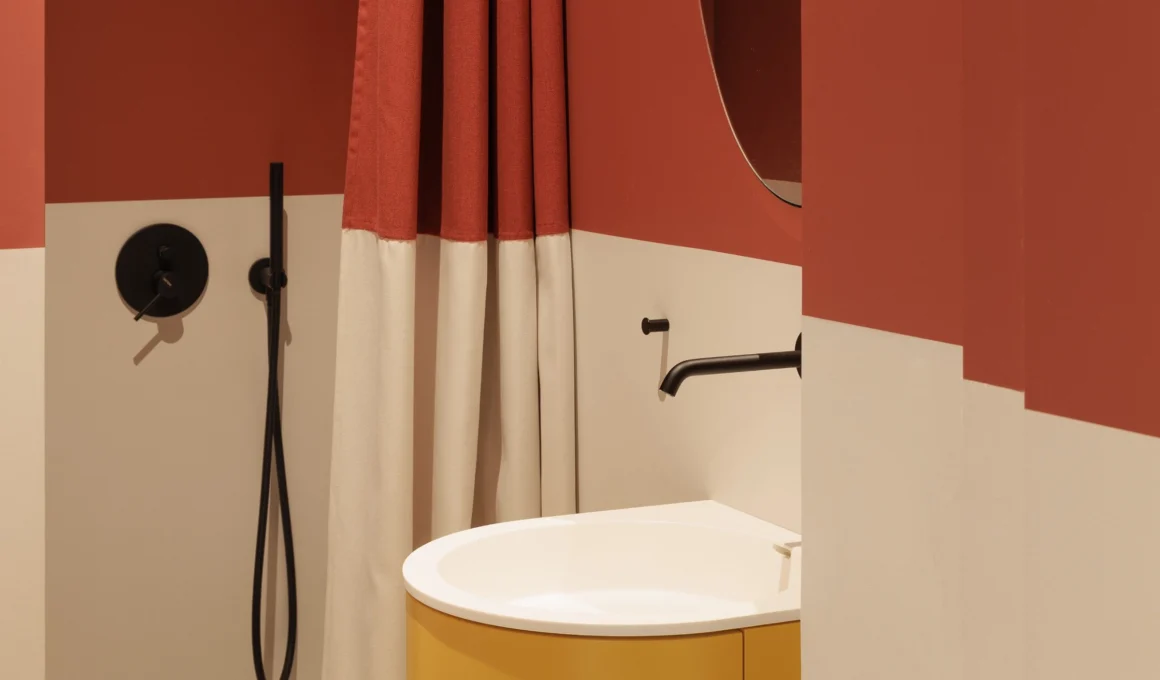
The bathroom, once purely functional, has evolved into a sanctuary of wellness and design. Central to this transformation is the shower, where the choice of wall material dictates both the aesthetic and the long-term maintenance burden. For years, ceramic and porcelain tile have reigned supreme, offering unmatched versatility and texture. However, a new contender has emerged from the world of high-performance coatings: epoxy resin.
This material promises a seamless, waterproof finish that aligns perfectly with the minimalist, clean-line ethos of contemporary architecture. But is it a true rival to the classic tile? This ultimate comparison dives into the pros, cons, and costs to help you determine which material will deliver the optimal blend of design and durability for your modern shower space.
Design and Aesthetic: Texture vs. Seamless Flow
The visual impact of your shower walls is often the first and most lasting impression. Both materials offer distinct design languages, catering to different architectural sensibilities.
The Unbroken Elegance of Epoxy Resin
Epoxy resin is the material of choice for an uncompromisingly minimalist look. Its defining characteristic is the absence of grout lines, creating a vast, unbroken surface that visually expands the space.
- Seamless Finish: The fully waterproof coating forms a continuous, monolithic surface, ideal for achieving a sleek, ultra-modern aesthetic.
- Color and Customization: While often chosen for clean, solid colors (like concrete grey or stark white), epoxy can be custom-pigmented to create subtle marbling, metallic effects, or even a terrazzo-like finish, offering unique artistic possibilities.
- Visual Continuity: It seamlessly connects the wall and floor, making it an excellent option for curbless walk-in showers where a fluid, uninterrupted design is paramount.
The Timeless Versatility of Tile
Tile, from vast large-format porcelain slabs to intricate mosaics, offers an unparalleled breadth of texture, pattern, and color. It’s the go-to for designers prioritizing material depth and detailed craftsmanship.
- Material Variety: Available in ceramic, porcelain, natural stone, and glass, tile offers endless choices for achieving specific tactile and visual effects.
- Intricate Patterns: Tile allows for complex arrangements like herringbone, chevron, or subway patterns, which add a layer of classic or playful design complexity that epoxy cannot replicate.
- Longevity in Trends: A well-chosen tile—especially large-format or a classic subway design—tends to withstand the test of time and fashion cycles better than more trend-driven finishes.
Practicality and Maintenance: The Waterproof Question
In a wet environment like a shower, water resistance and ease of cleaning are not secondary concerns—they are critical to the material’s performance and the prevention of mold and mildew.
The Low-Maintenance Champion: Epoxy
The biggest practical advantage of epoxy resin shower walls is the seamless, non-porous surface. This eliminates the material’s biggest enemy: grout.
- 100% Waterproof: The coating forms a impenetrable, non-porous barrier, making it inherently mold-resistantand mildew-resistant. This is the key answer to the question: How can I eliminate mold and mildew in my shower?
- Effortless Cleaning: Cleaning requires little more than a quick wipe-down with a non-abrasive cleaner. There are no grout lines to scrub or seal.
- Durability and Wear: Epoxy is highly durable and resistant to most common cleaning chemicals, but a significant scratch or gouge will require re-coating the entire affected panel to repair.
Tile’s Grout Challenge
While the tile itself is incredibly durable and waterproof (especially porcelain), its Achilles’ heel is the grout.
- Grout Maintenance: Grout lines are porous and absorb water, dirt, and soap scum, making them a prime location for mold and discoloration. Regular sealing (every 1-3 years) and rigorous cleaning are necessary. Note: Using epoxy grout with tile can significantly mitigate this issue, offering a near-seamless, non-porous grout line.
- Repairability: Individual damaged tiles can be replaced relatively easily without affecting the surrounding wall.
- Lifespan: Properly installed and maintained tile can easily last 20-30 years, often longer than the functional lifespan of the bathroom design.
Cost and Installation: A Critical Comparison
The total cost of a shower wall project is determined by the material price, complexity of installation, and labor rates.
Understanding the True Cost
While the initial square meter price of standard ceramic tile may be lower than a high-quality epoxy resin system, it is crucial to consider the total project cost.
- Epoxy: The cost lies primarily in the specialized materials and the expertise of the applicator. Installation is quicker, reducing total labor hours.
- Tile: The cost is distributed between the tile itself, the time-intensive setting and grouting labor, and the non-negotiable step of professional waterproofing. The risk of failure due to poor waterproofing is a significant, hidden cost.
Which Material Is Right For Your Project?
Ultimately, the choice between epoxy resin and tile depends on your priorities regarding design, maintenance, and budget.
Choose Epoxy Resin if you prioritize:
- A seamless, ultra-modern look with clean, fluid lines.
- Minimal maintenance and effortless cleaning—you want to eliminate grout lines.
- Absolute certainty of a waterproof, mold-resistant barrier.
Choose Tile if you prioritize:
- A classic, textured, or patterned aesthetic.
- Long-term material durability and ease of replacing a single damaged element.
- Unrivaled versatility in color, size, and material selection (porcelain, stone, etc.).
By understanding the distinct advantages of each, designers and homeowners can select the shower wall material that not only elevates the space aesthetically but also guarantees years of functional, low-stress use.