


Isern Serra has hidden Focacha‘s cocktail bar behind the counter of a working focacceria on Barcelona’s Carrer Tuset, so that reaching the bar means opening a door built to look exactly like a refrigerator. The project is part of a wider bet by Grupo La Confitería to revive a street that once defined the city’s nightlife. The bar’s real subject is not cocktails but the reveal itself — the gap between what the street sees and what the door conceals.
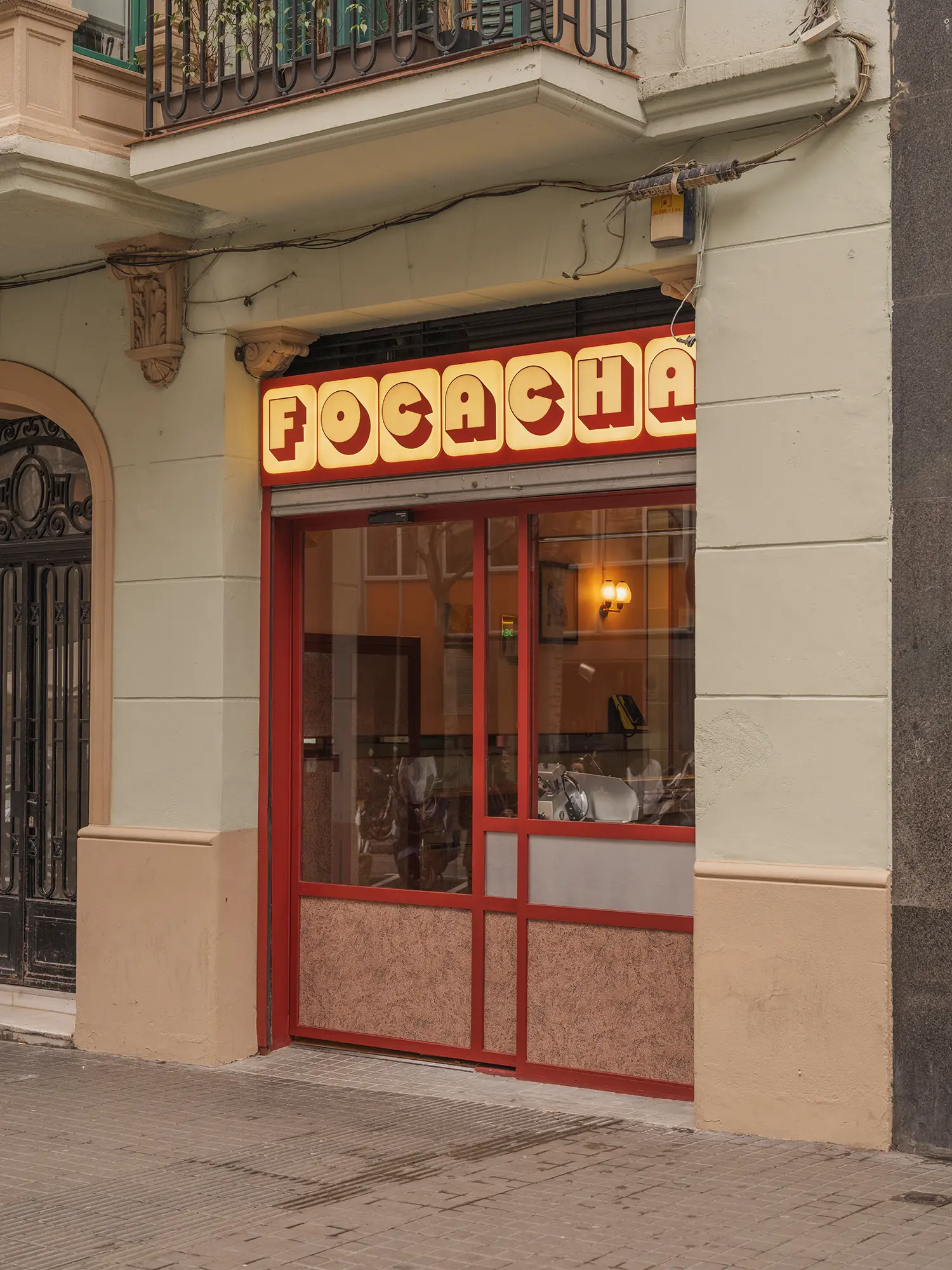
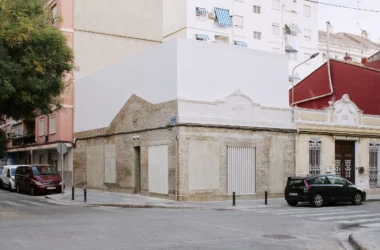
The concealment is not incidental but the entire premise: the speakeasy’s plain, old-fashioned bar façade — designed by Pichy Glass — is deliberately unremarkable, so that the speakeasy cocktail bar hidden behind the walk-in refrigerator door reads as a genuine discovery rather than a themed gimmick. The same logic of a threshold that undersells what’s beyond it shows up in a Milan cocktail bar concealing a full nightclub beneath its street-level counter, where descent replaces disguise as the mechanism of surprise.
Once inside, the project pays direct tribute to Barcelona nightlife history: to the “gauche divine,” the progressive young professionals who defined the city’s 1960s and ’70s social scene, and to Oriol Regàs, the entrepreneur behind the legendary Bocaccio nightclub. Focacha’s own name puns on that legacy, folding a focacceria and a historical discotheque into a single word.
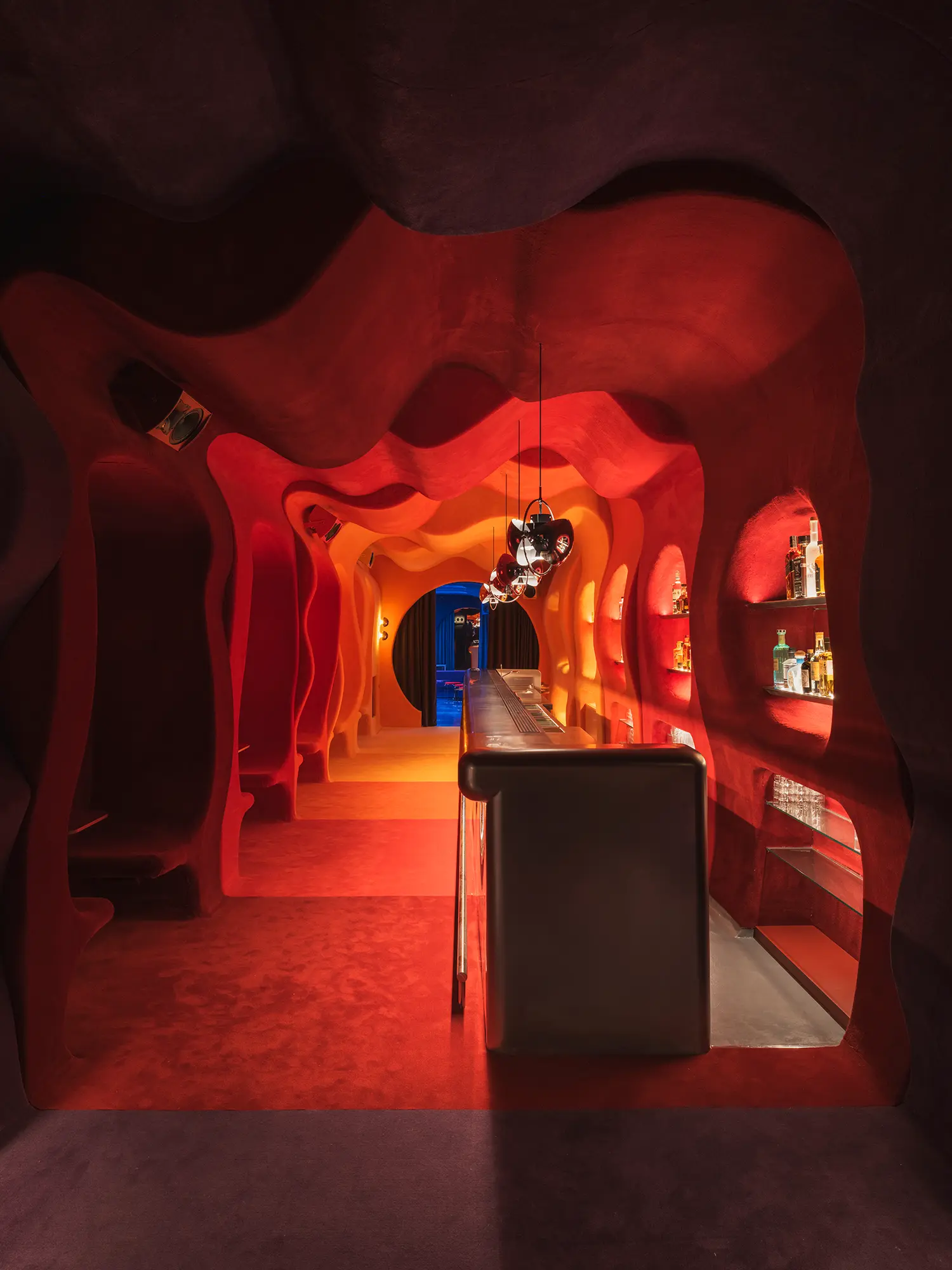
The first room commits fully to a retro-futuristic homage, built around Verner Panton’s Visiona project: organic forms, saturated color and a retro-futuristic design language that feels playful rather than reverent. A stainless-steel bar with rounded edges anchors the space, ringed by seven color modules moving from yellow through red to blue, their hues catching subtly on the steel base.
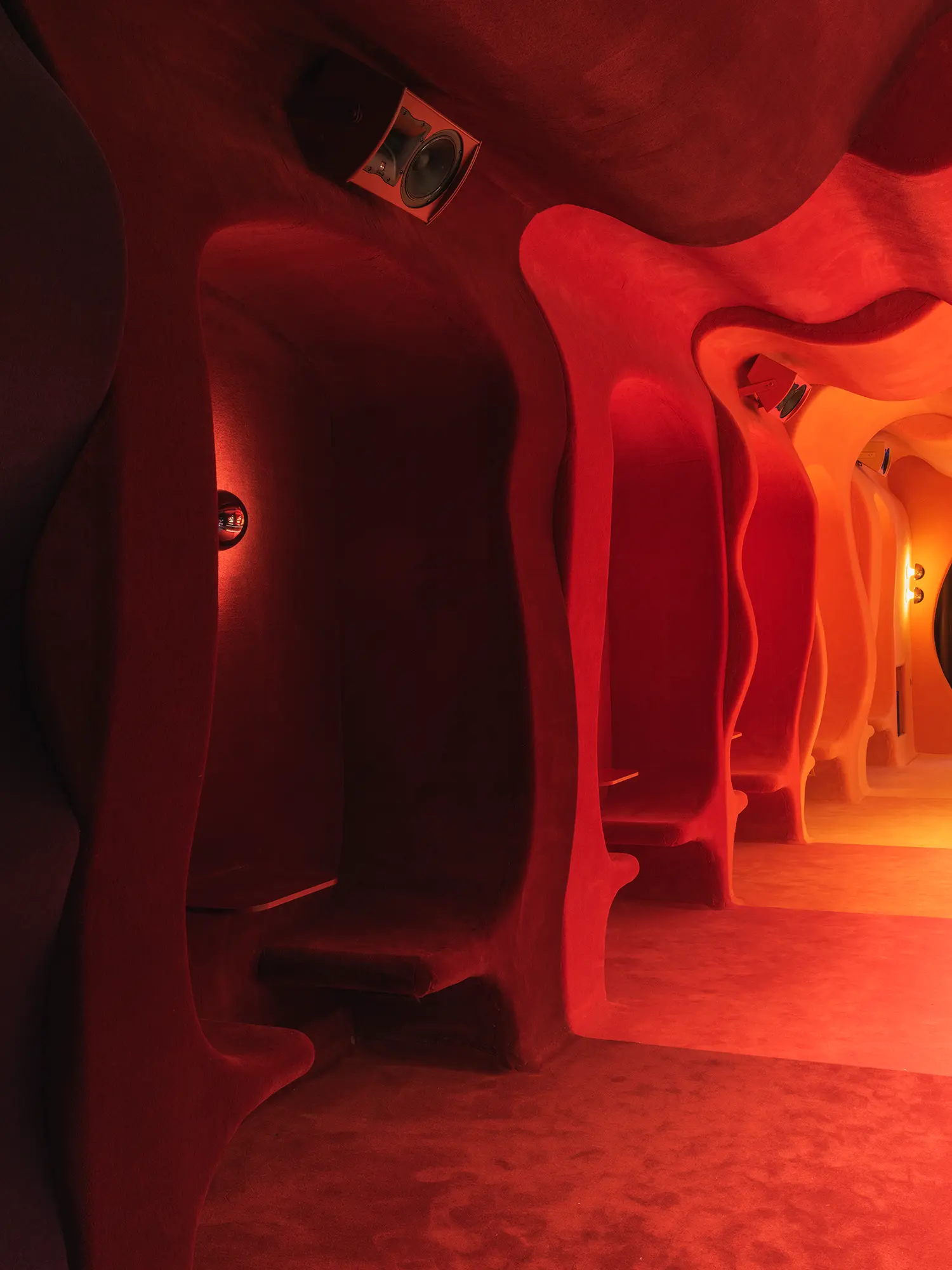
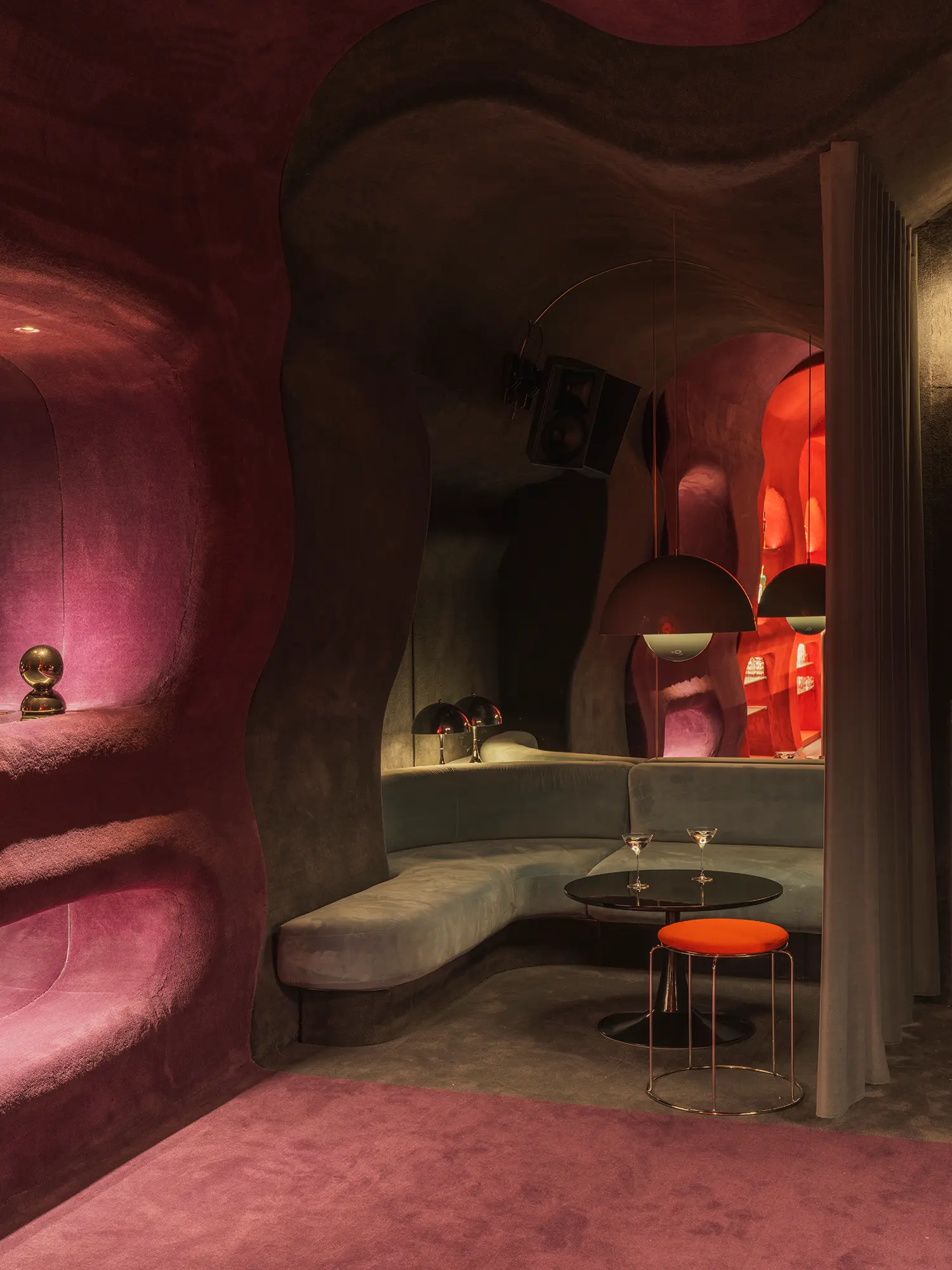
Carpet covers every surface, floor, walls and ceiling alike, turning the room into a single enclosing volume rather than a set of separate finishes. The wall-to-wall carpet intensifies the sense of immersion the design is chasing, adding warmth against the cold logic of the steel bar it wraps around. Organic niches behind the counter double as a bottle display, softening the transition between service and display.
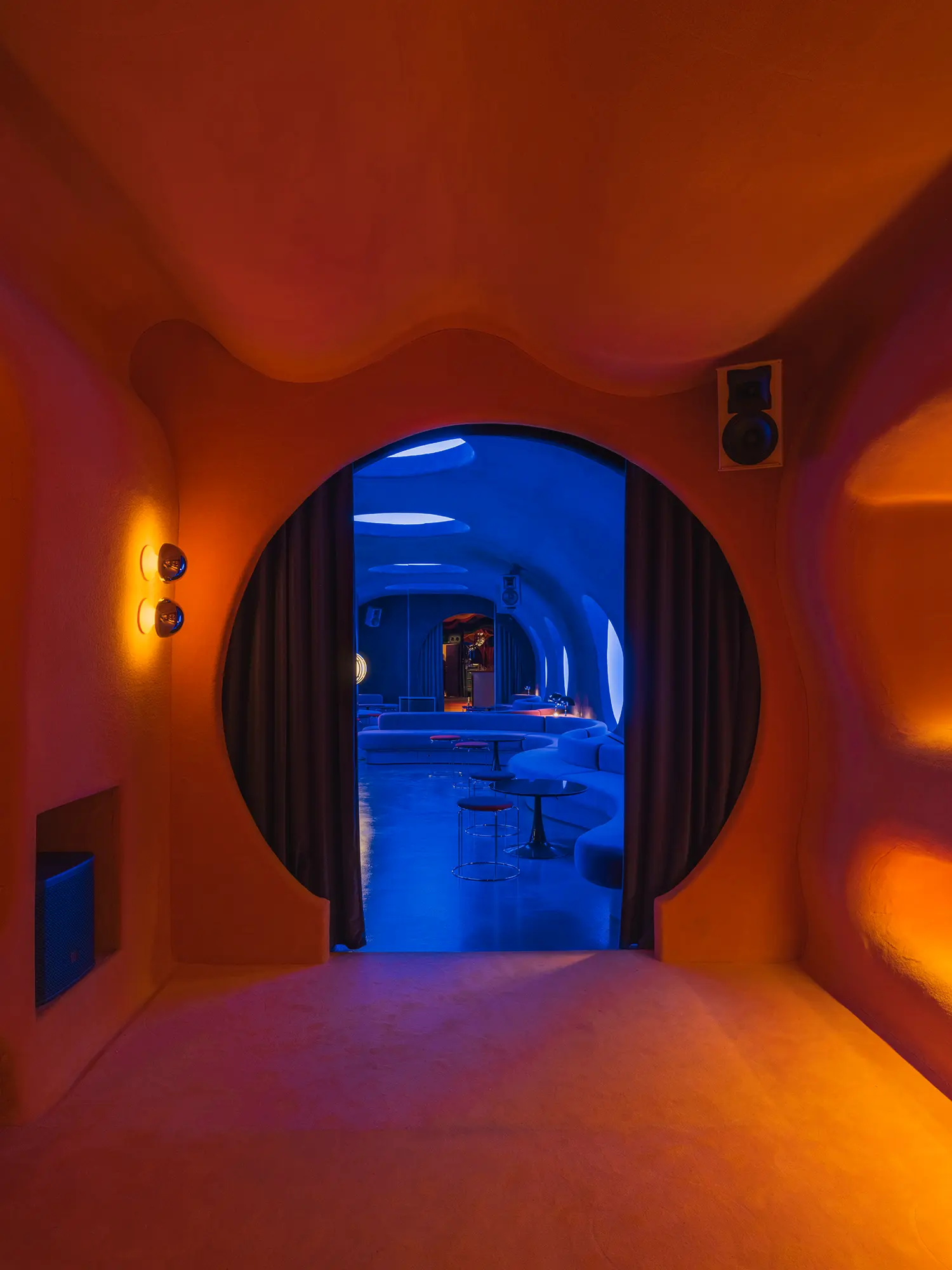
Organic niches offer a quieter register to one side, carved into the wall for more intimate seating, in deliberate contrast to the open, social energy generated by the bar and its end modules. The room, in other words, holds two registers of sociability at once — private niche and shared counter — without a wall separating them.
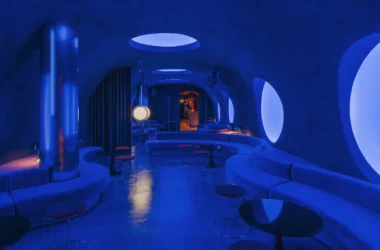
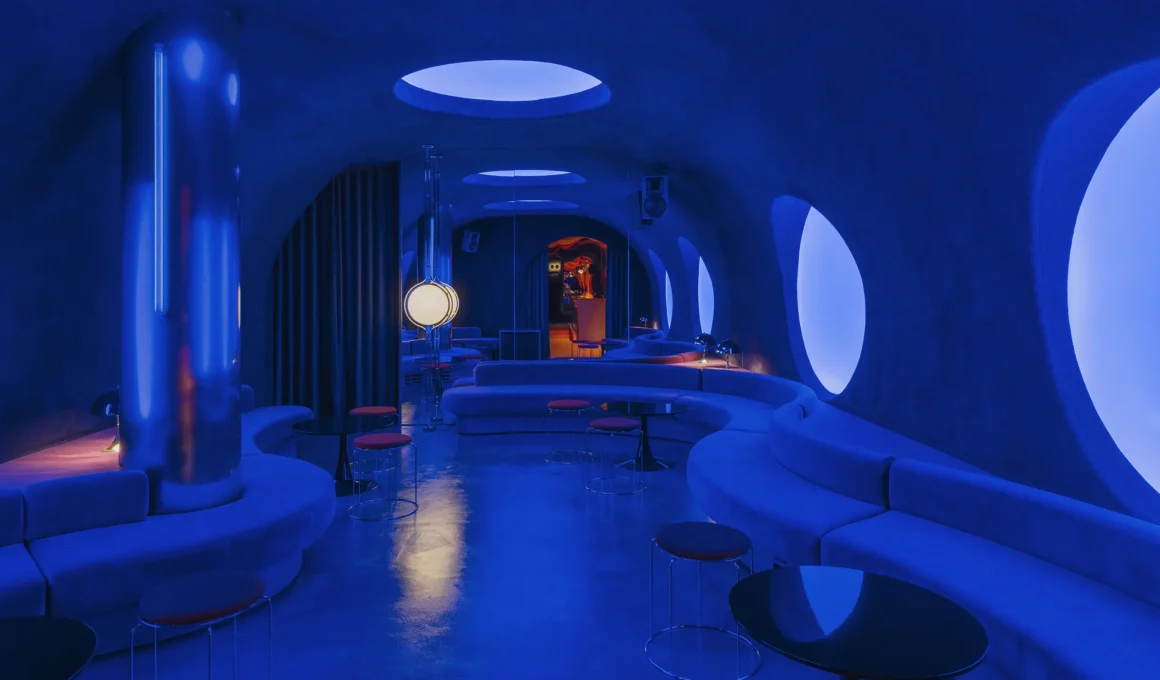
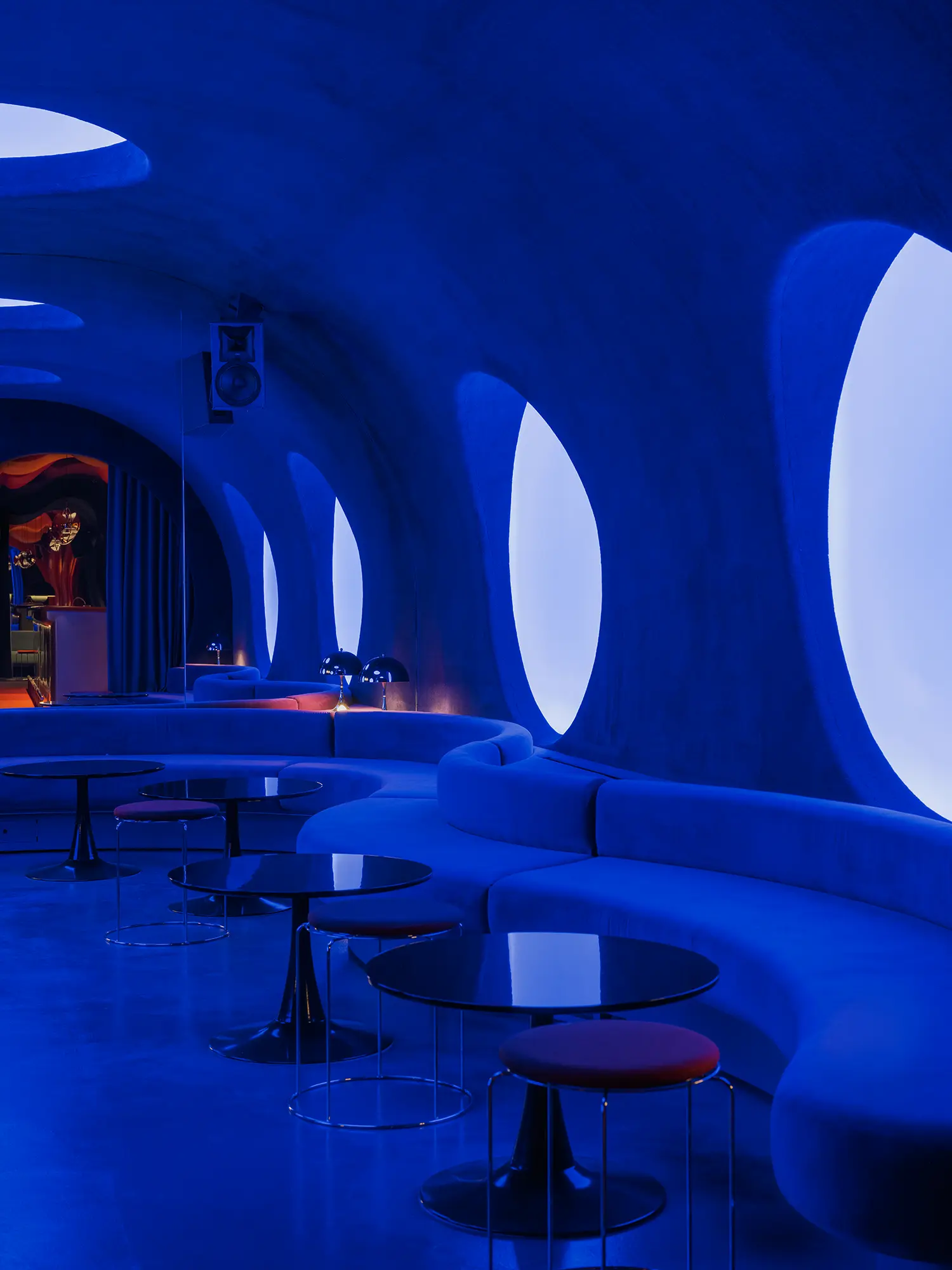
A circular opening leads into the second room, where the DJ room stages a different era of the same reference: a retrofuturist universe that folds 1960s nostalgia into a dystopian vision of the future. Organic, flowing forms recall the psychedelic modularity of the period, treating immersive interior design as sensory experience rather than backdrop — a register a Belgrade listening bar built around a similarly optimistic mid-century vision of the future also leans into, if through a starker material language.
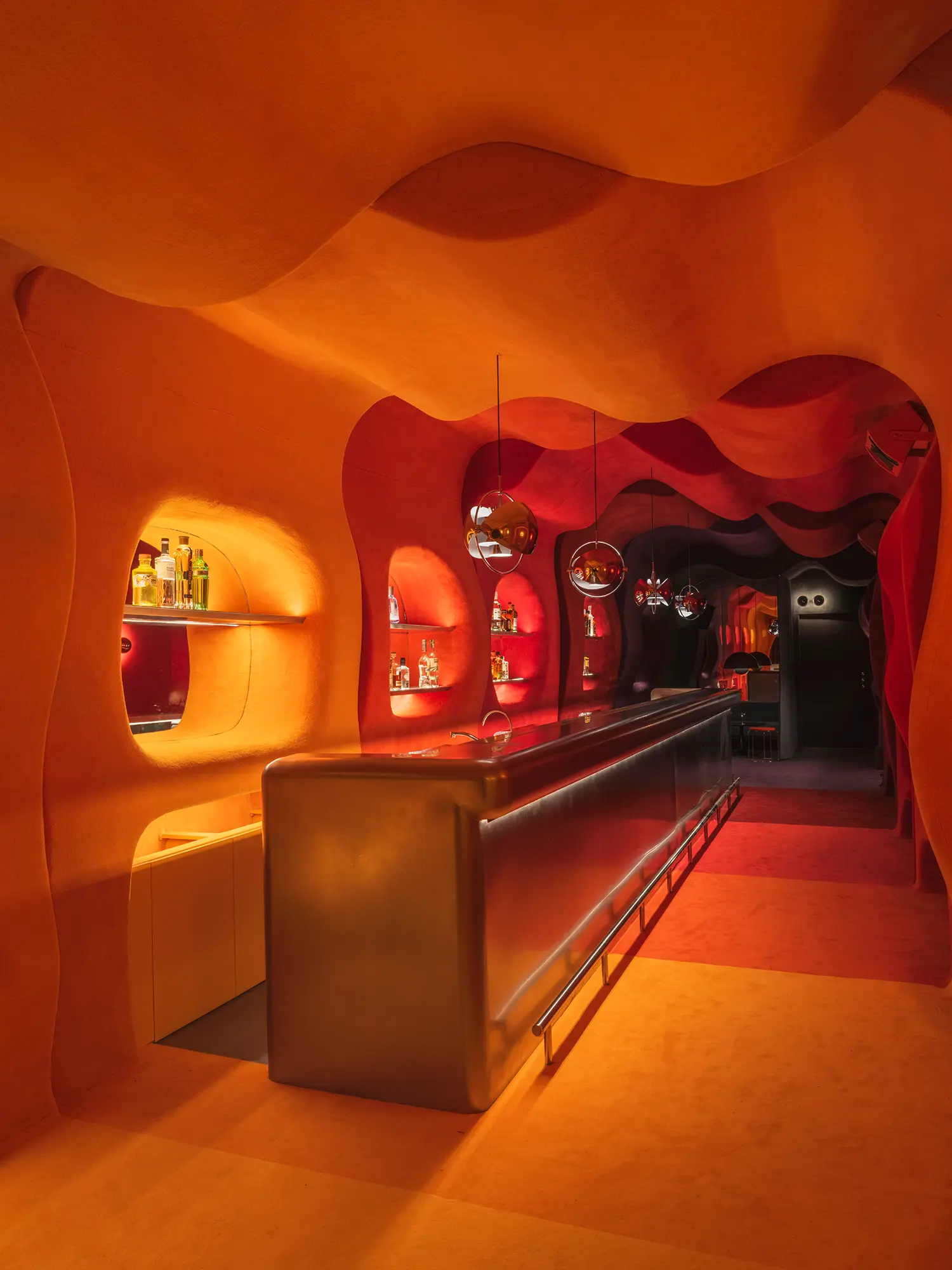
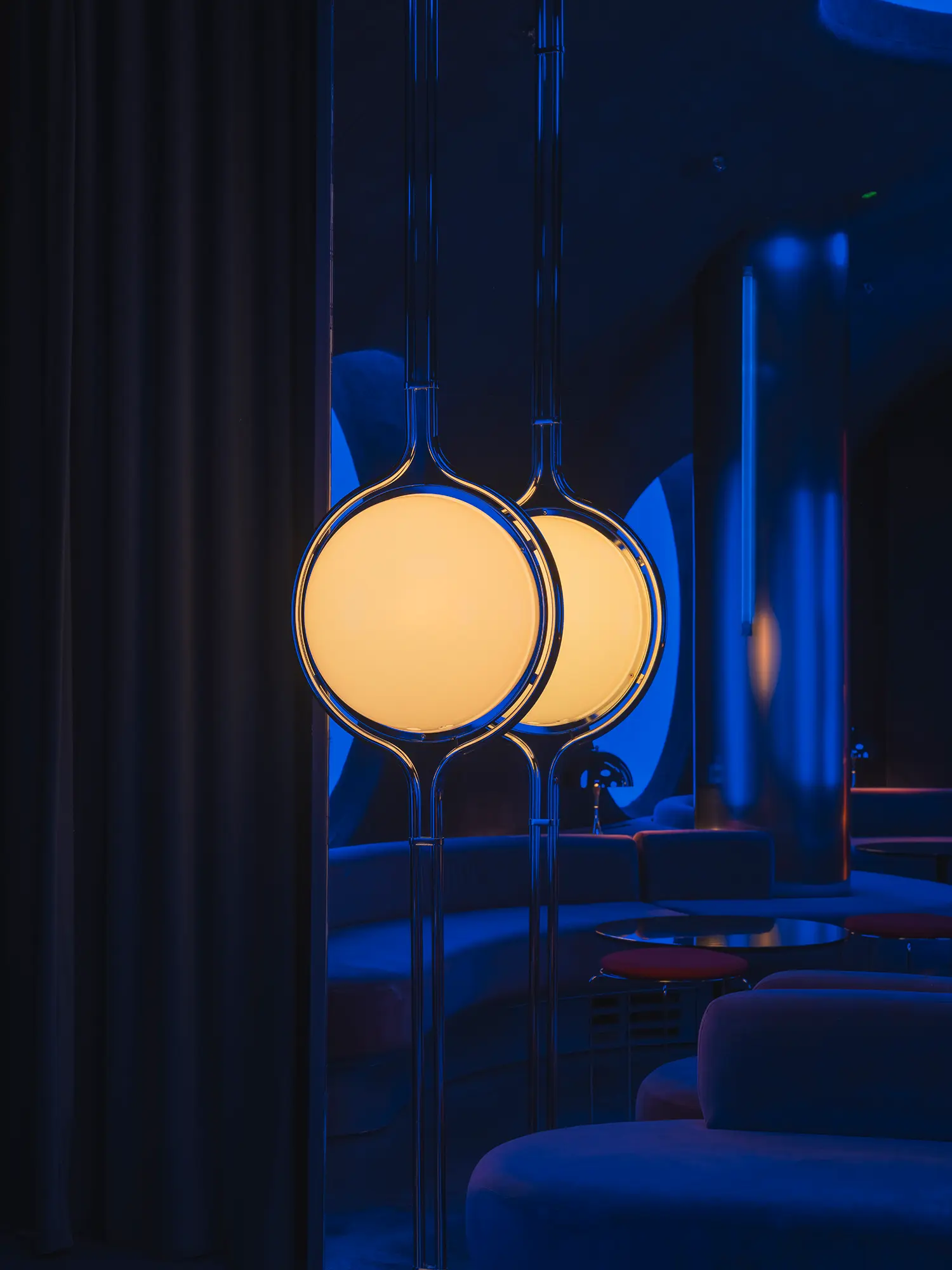
A domed ceiling punctures the room with openings across its surface and side walls, letting light move and shift in response to the music playing below. Fixtures reinforce the period reference directly: a Multi-Lite Pendant by GUBI over the bar, and Verner Panton lighting in the form of Flowerpot VP2 and Panthella lamps in the lounge and DJ areas, with a Dana lamp by Tacchini anchoring the room’s center.
Focacha’s real provocation is a narrow one: that a design language built to evoke a specific utopian decade can still function as a working nightlife venue rather than a museum piece, and whether that balance holds depends entirely on whether guests come back after the novelty of the hidden door wears off.
Focacha by Isern Serra | Location: Carrer Tuset 17, Barcelona, Spain — Year: 2025 — Key materials: stainless steel, wall-to-wall carpet