



A monumental, 90-metre-long structure is now unfurling across Seoul’s Songhyeon Green Plaza, acting as both a physical manifesto and a vibrant public forum. Designed by British designer Thomas Heatherwick for the 5th Seoul Architecture Biennale, which he leads as General Director, The Humanise Wall is the visceral, beating heart of an event dedicated to making our cities radically more human. This isn’t a typical architectural exhibition tucked inside a hall; it is a bold, four-storey-high provocation in a public park, demanding a fundamental rethink of the outsides of our buildings.
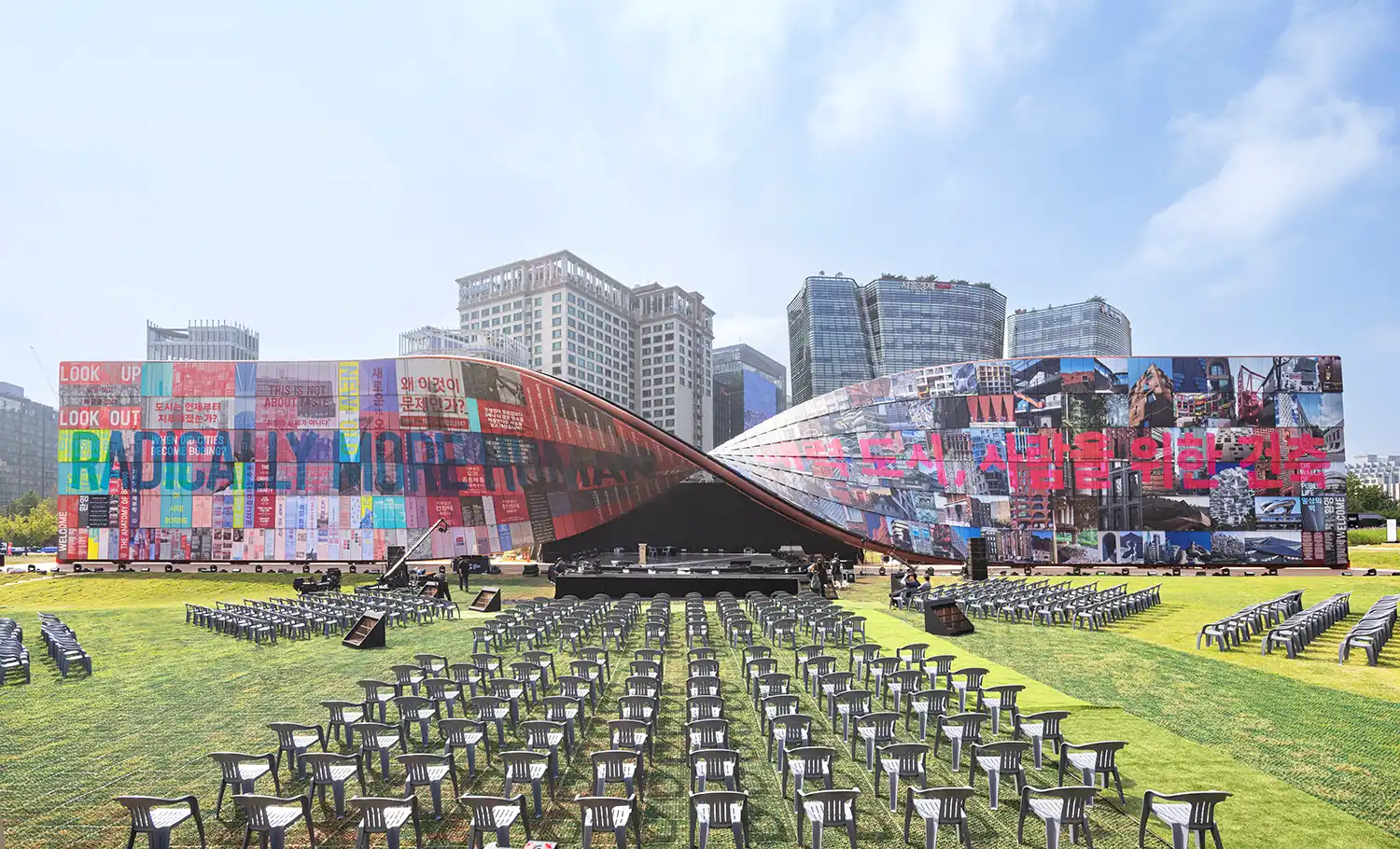
Constructed from an impressive 1,428 individual steel tiles, the wall is a tectonic collage of global creativity. It features a curated survey of 400 buildings from 110 architects across 38 countries, each one serving as an example of what interesting, joyful buildings can look like. The structure itself is the exhibition, designed to be explored at one’s own pace. As Heatherwick’s studio intended, it reveals more texture and detail the closer you get, mimicking the experience of a good, layered building facade. At its centre, the wall dramatically twists to form a gateway, physically drawing visitors into the heart of the debate. Here, the tiles are emblazoned with the core tenets of the Humanise movement, a global campaign championing more engaging and characterful architecture.

The Biennale’s central argument is that the bland, impersonal facades dominating cities worldwide have a tangible, negative impact on public wellbeing. “In a world where people are feeling stressed, divided and alone, we need buildings that bring us together and make us feel valued,” Heatherwick stated. The initiative is backed by compelling new research from Seoul, which reveals that nine out of ten citizens believe building design affects their emotions, with half expressing a desire to be actively involved in shaping their urban environment. This public participation is a cornerstone of the entire event, positioning the Biennale as a platform for citizen voices rather than an exclusive industry gathering.

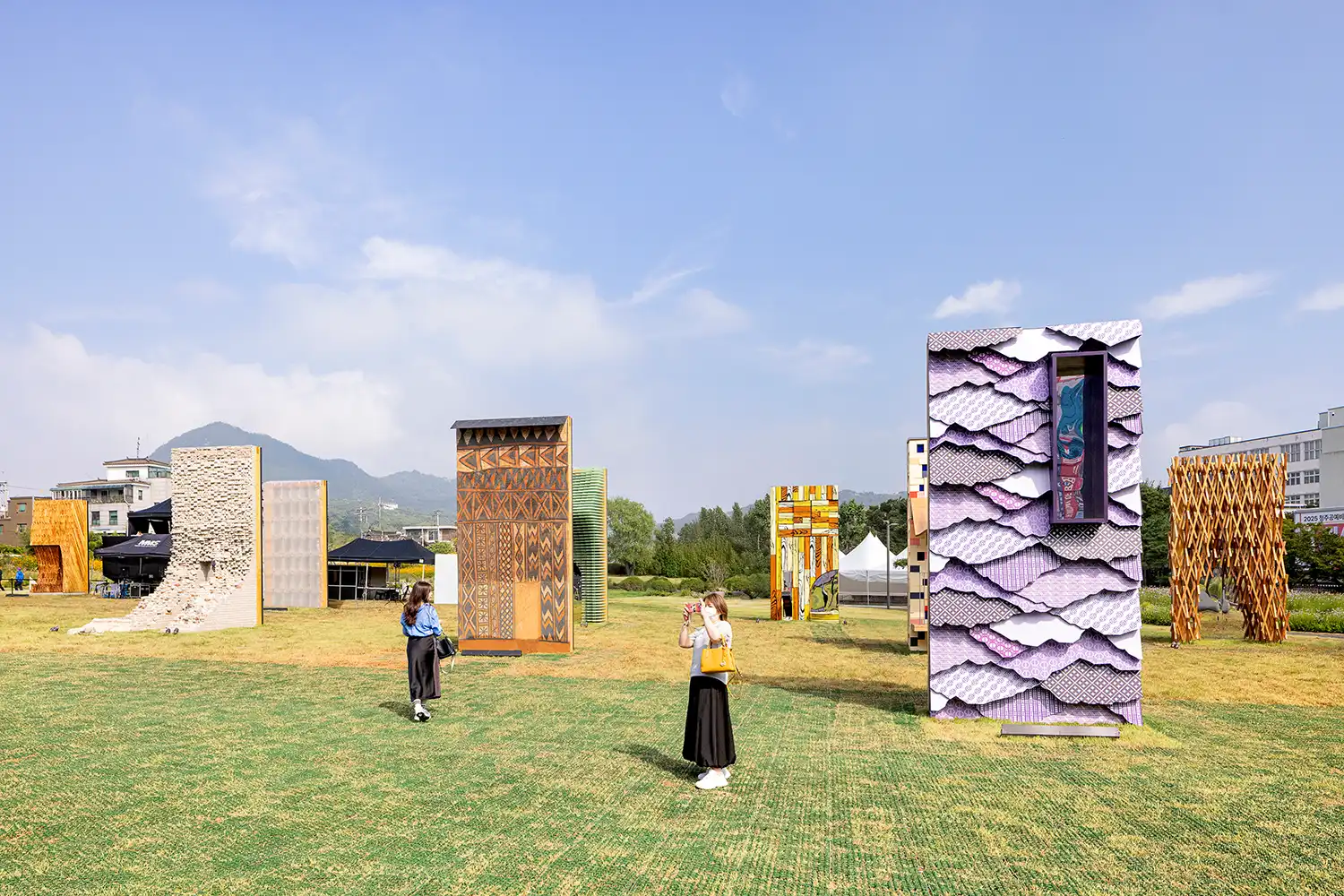
Flanking the main installation are 24 ‘Walls of Public Life’—giant, freestanding fragments of buildings created by a remarkably diverse group of 24 international design teams. The participants deliberately include many non-architects, such as Korean American chef Edward Lee, British fashion designer Stella McCartney, and a car manufacturing team from Hyundai, alongside traditional builders from Burkina Faso. This eclectic mix underscores the core message: creating a better built environment is not solely the responsibility of architects, but a collective societal duty.
The opening ceremony, led by Seoul Mayor Oh Se-hoon, kicked off a two-day global forum titled ‘Emotional City,’ gathering hundreds of international thinkers to debate the impact of building facades on public health. The event blends academia with culture, featuring newly commissioned dance, poetry, and a guest appearance by Squid Game star Lee Jung-jae, ensuring the conversation reaches a broad audience.

Beyond the park, the Biennale continues with several complementary exhibitions across Seoul. ‘Emotionally yours, Seoul’ is a global participatory event that invites the public to submit photos and feelings about building exteriors, weaving them into a collaborative digital artwork. Other shows, like “The City’s Face,” use 25 international projects to explore the potential for human-centered architecture, cementing the Biennale’s status as Asia’s biggest public architecture festival. As Chang su Lim of the Seoul Metropolitan Government noted, this is a festival that makes the city more livable “through the perspectives and participation of citizens.” Heatherwick’s Humanise Wall is the powerful, unmissable catalyst for this urgent and joyful civic conversation.