



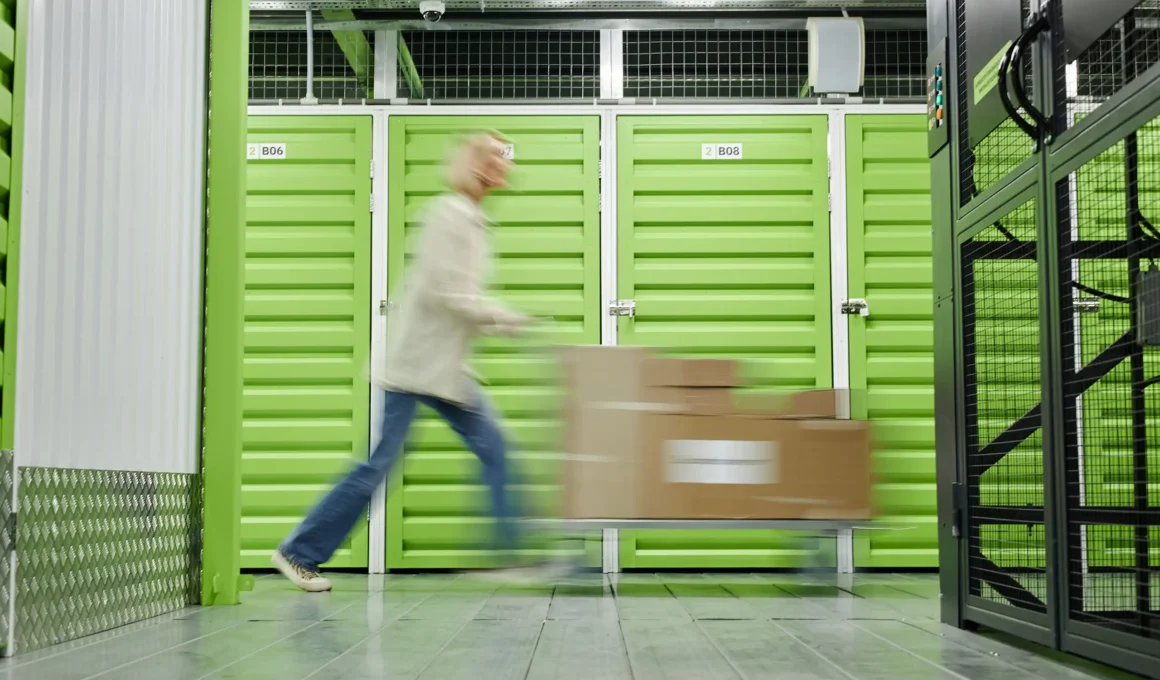
The self-storage industry used to be a simple business. Build some boxes, put up a sign, answer the phone and rent them out to people who need storage space. For decades, that model worked. These days, however, if you go to a meeting of storage facility owners you’re going to hear a different story. There’s big changes taking place in the industry, and those who don’t know about them are starting to find themselves left behind.
The Biggest Change in Storage Is How Customers Look for It
The biggest change in the storage business hasn’t been to the storage units themselves. It’s how their customers look for storage online. In the past, they would drive around the neighborhood, stop in a few places that looked promising, and pick one. These days, they do all of their research online before they ever step foot in a facility or pick up the phone to make a call.
Customers expect that they’re going to find up-to-date photos of units online, be able to compare storage pricesbetween multiple facilities in seconds, and read a whole collection of customer reviews from previous renters. Facilities that think their customers will still just drop by are seeing themselves lose business to those who have adapted to a digital customer experience.
Finding Customers Means Being Visible Online
These days, most people begin their search for storage online. That means being visible on search engines and comparison websites matters far more than having a hot location with a big sign on the road. Storage owners need to start thinking about digital visibility and local SEO the same way they would think about location.
Signing up with the top AD networks for advertisers can ensure that facilities who do this see plenty of occupancy rates just like small family-run facilities do. When it comes to finding customers online, this puts everyone on about the same level as long as they can follow these steps.
Staffing Needs Are Diminishing
Storage facilities used to need someone on hand for most hours of the day. Someone had to show units, handle payments and cash, and act as a general office worker for the business. That is changing rapidly. Automated access codes, online payment processing, and digital management software means that you can run most facilities with very little human interaction.
Some facilities have become almost entirely unmanned storage facilities. Renters enter, exit, and take care of everything they need through mobile apps or automated methods. You still need to pay attention as an owner, but these changes have made it so that facilities can operate with far fewer staff than they ever had before.
Security Measures Are Evolving
Storage facilities used to have simple lock and key systems. Today, they are busy updating their surveillance systems, access logs, and general security measures in order to remain competitive. High-tech security measures are available at prices that even small facilities can appreciate in ways that would not have been possible a decade ago.
These upgrades are now required by most insurance companies when it comes to facility use. Cloud-based security systems are now what users expect before they ever rent from a facility.
Corporate Facilities Are on Every Block
Self-storage facilities used to be somewhat rare outside of big cities with high populations. However, corporate self-storage chains are popping up everywhere across the country. Many local storage facilities are losing their battle against chains that purchased and built over years. This means that independent storage owners face competition with businesses far larger than themselves with far bigger budgets for digital marketing.
The good news? Corporate facilities often only focus on technological advantages. More local owners are still able to win favor by building relationships within the communities and offering flexible storage plans for renters looking for storage.
Dynamic Pricing is Becoming More Popular
Another practice shift storage owners need to be aware of is the rise of dynamic pricing strategies rather than simply setting prices and leaving them for long periods of time. Prices still do change from time to time in these dynamic models, but it is more market-dependent pricing and more popular than old pricing strategies.
When units experience higher occupancy rates than other facilities—or if occupancy rates are lower than desired—corporate facilities often change these rates accordingly. Setting different prices according to seasonality has also become more common in comparison with standard price-setting mechanisms.
Customers Are Leasing Storage for Different Reasons
Self-storage is no longer just being utilized by people going through life changes. Renters now range from ecommerce businesses waiting for inventory to arrive to small businesses looking for equipment storage.
This change has huge implications for independent facility owners. They are not only placed with the opportunity to capture a new target market but should consider how best they can tailor their offerings to suit this evolving customer base.
The Demographic Using Storage Is Changing
There’s another huge change many facility owners have failed to notice over time. The demographic of storage users is also changing over time. Renters still include people going through life events like divorce or moving. However, others also include small business storage needs for tools and products.
Ecommerce merchants have become a target market that many small facilities have catered more toward with great success. This makes it so that some customers may have unique needs when it comes to how often they can access their 24/7 facility access. Knowing the top items you can store in a storage unit is essential for these new business users to optimize their rented space.
Customer Communication Is Evolving
Customers are changing how they communicate with one another, and this includes how they wish to communicate with businesses. Millennial and Gen Z renters often want more flexibility when communicating with businesses.
They expect fast communication regardless of who is receiving their request. People who only stick to phone call inquiries may miss out on communicating with younger generations looking for texting and email support rather than just during business hours.
Impacts Moving Forward
The self-storage business is not dying despite what some owners might feel. In fact, changes within the industry have caused it to become highly profitable in several markets across the country today.
The self-storage market is increasing in areas all around the nation today compared to previous decades. Facility owners do need to understand that they cannot run their storage facility using models from the 90s anymore. Understanding where the future of self-storage is heading allows people who own these types of rental spaces time to adjust their thinking, spending habits, and marketing tools in an increasingly competitive market.