

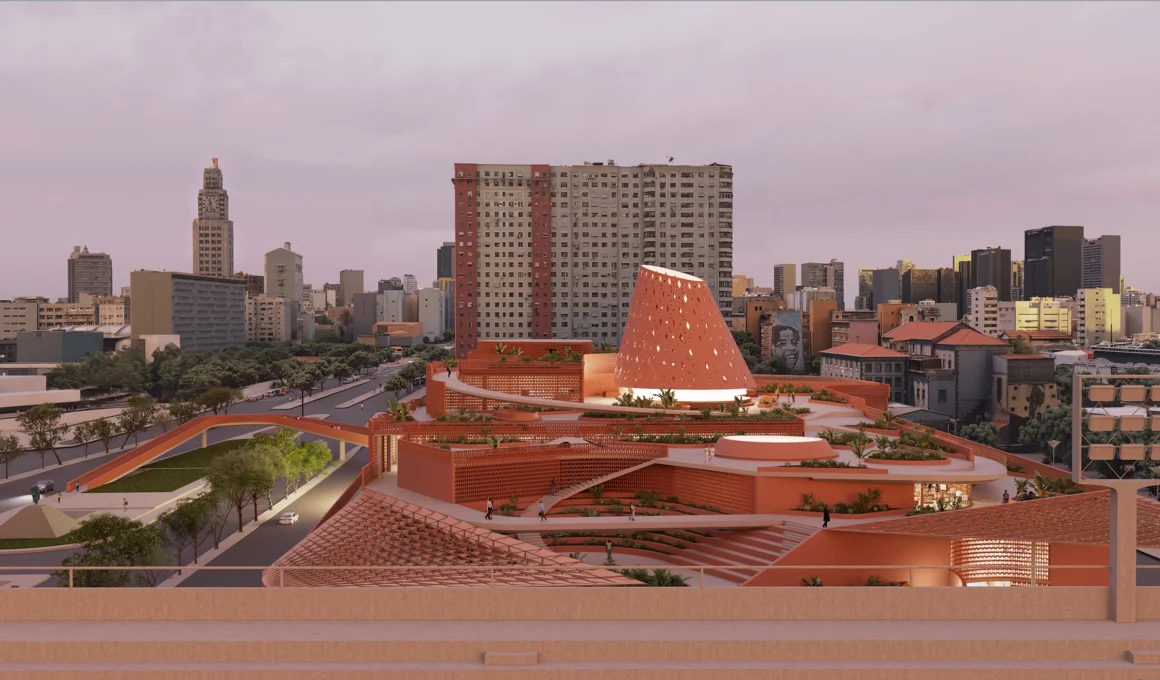
The renowned firm Francis Kéré/Kéré Architecture has unveiled the plans for the Biblioteca dos Saberes, or The House of Wisdom, set to be a transformative public library and cultural center in Rio de Janeiro’s historic Cidade Nova neighborhood. The ambitious project, commissioned by the Rio de Janeiro City Hall, is strategically positioned to serve as a pivotal anchor for a major urban development and revitalization effort in this area, linking the city’s past with a vibrant future. This major piece of architecture was presented to the local community on November 20th, a date significant in Brazil as the National Day of Zumbi and Black Consciousness.
The location for the new structure holds profound cultural weight, situated near the historically critical Valongo Wharf and the culturally rich Little Africa neighborhood. The Biblioteca dos Saberes is envisioned to breathe new life into the city center, transforming it into a more accessible, walkable, and active zone. By integrating the new building into the fabric of the community, Kéré’s design seeks to honour the city’s complex history and ensure its legacy as a meeting point for diverse cultures, paying homage to the Atlantic, African, and portside formations that have shaped this plural Rio.
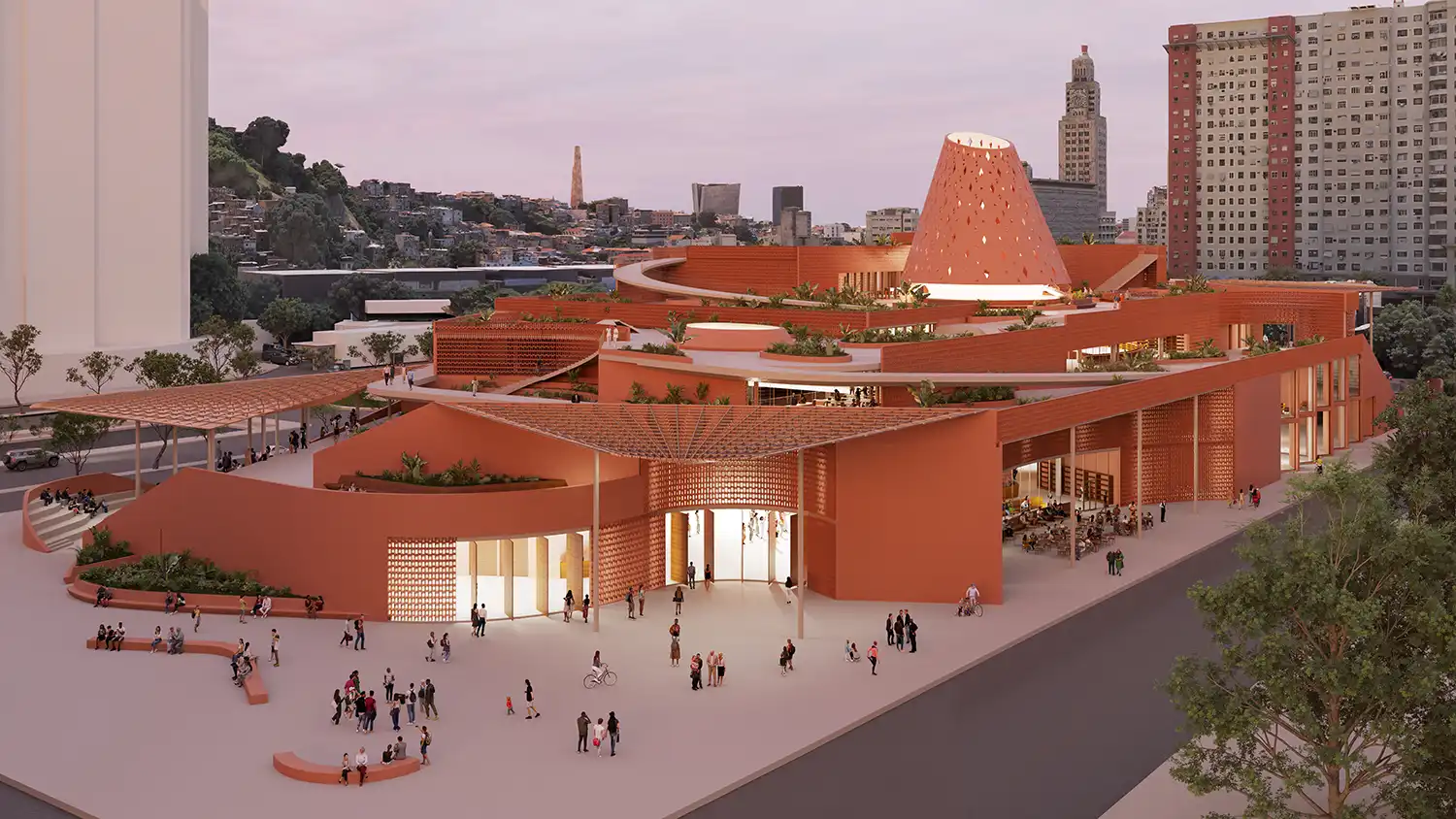
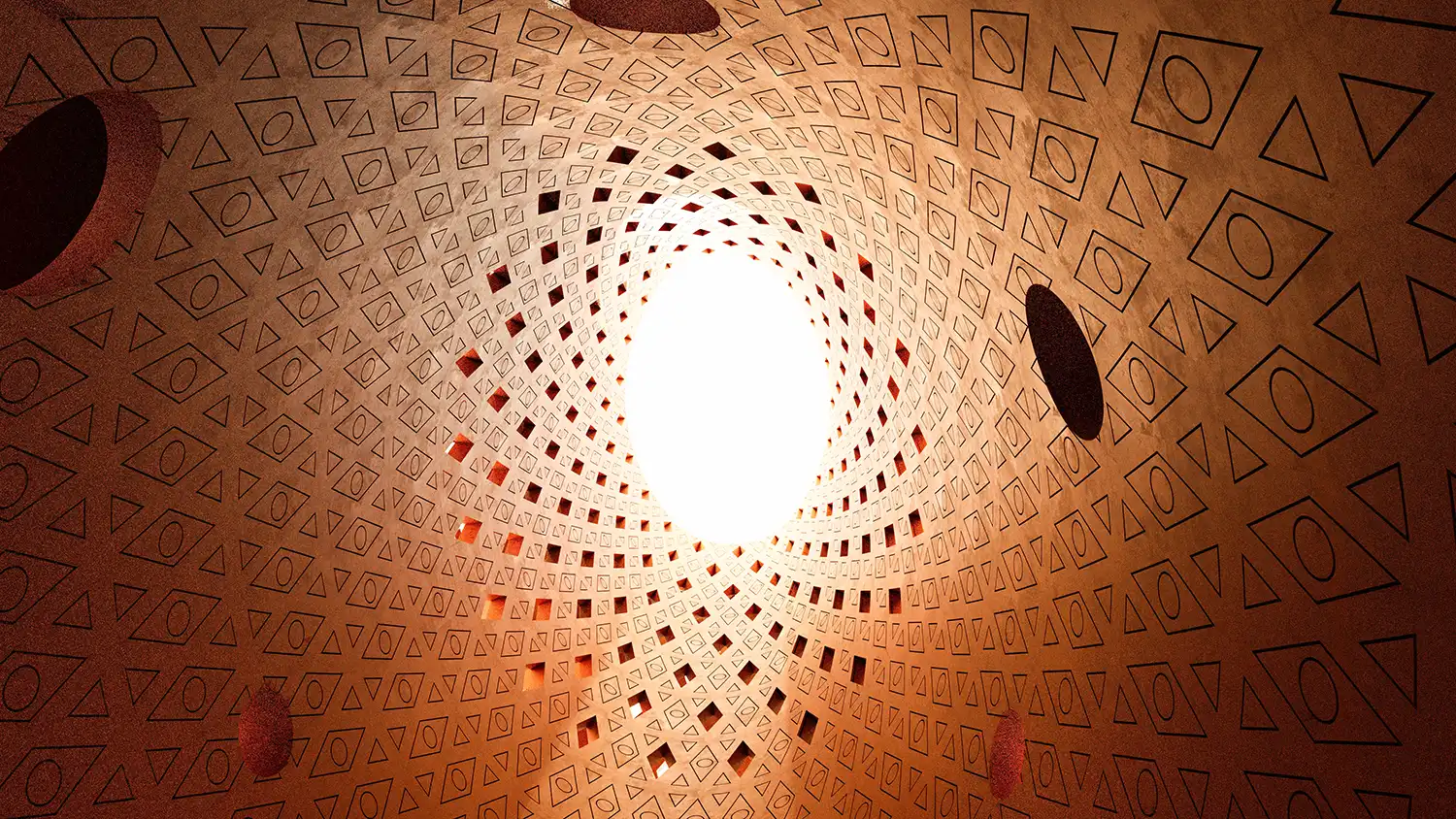
Central to the library’s aesthetic and programmatic approach is the concept of “the tree of knowledge.” This striking vertical cylinder, which references indigenous flora of the Tijuca Forest and the gathering role of trees in Kéré’s own hometown of Gando, Burkina Faso, acts as the primary connector for the building’s three stories. This core element physically and metaphorically unites the internal spaces, which include essential amenities like dedicated reading rooms, library stacks, exhibition spaces, an auditorium, and a café, all integral to a modern library.
The activities within the building are thoughtfully structured to progress from quiet contemplation to lively community engagement. The programmatic sequence moves from reading and knowledge acquisition to sharing, gathering, performing, making, eating, and playing. This deliberate flow underscores the structure’s role beyond mere book storage, cementing its identity as a dynamic cultural center and a true “home for knowledge that belongs to everyone,” in Kéré’s own words, where past and future are designed to meet beneath one roof.
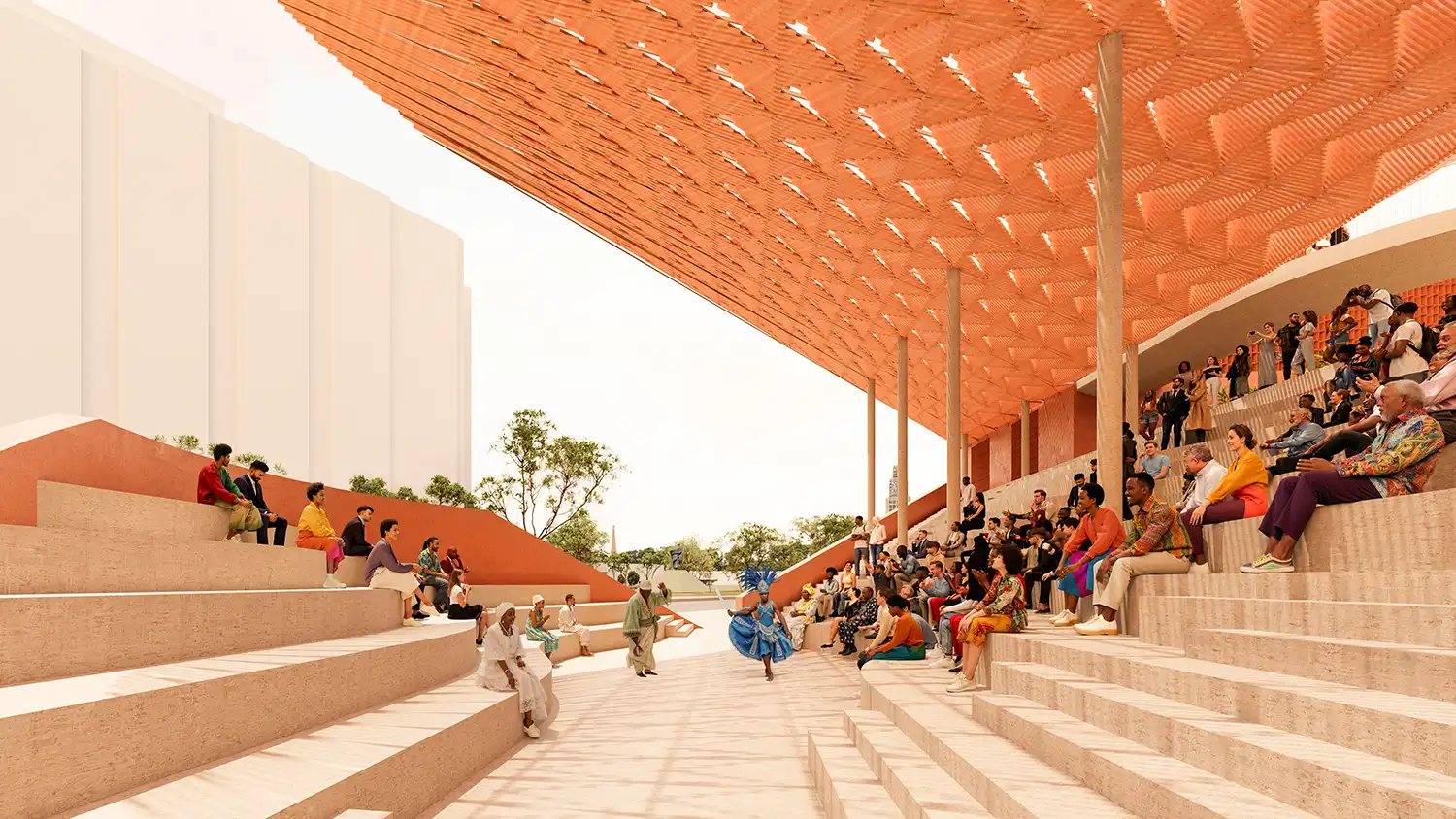
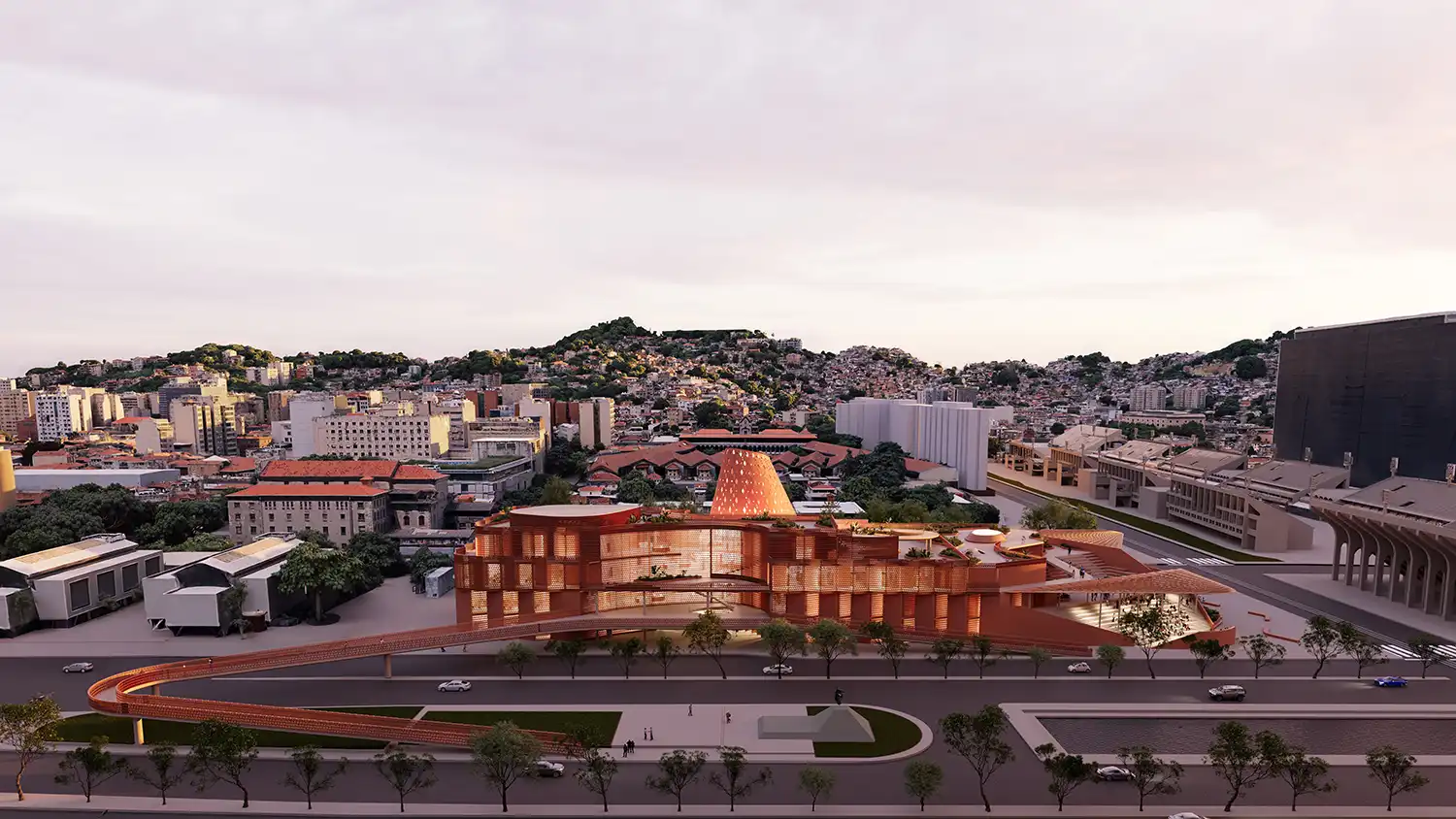
Beyond the interior, the exterior spaces have been carefully planned to facilitate community interaction and contribute to the building’s overall sustainability. The design incorporates expansive landscaped terraces, open-air areas, and shaded courtyards, alongside a canopied amphitheater and a practical rooftop garden. Furthermore, a pedestrian bridge is planned to connect the library to a monument dedicated to the anti-slavery resistance leader Zumbi dos Palmares, reinforcing its cultural commitment. A distinctive perforated facade provides essential protection from the intense sun, while the green roof gardens and central tower enhance the cooling and passive ventilation systems, demonstrating a sophisticated approach to sustainable architecture.
The entire project is deeply rooted in the cultural and historical context of Rio de Janeiro. The site itself is the former Praça Onze—the birthplace of Brazil’s first samba school—and is adjacent to Oscar Niemeyer’s iconic Sambódromo. By reflecting this layered history, the library celebrates the city’s rich indigenous and Afro-Brazilian heritage, oral traditions, and samba as a vital, living form of knowledge. Drawing on Francis Kéré’s extensive experience building in Africa, the structure reimagines the Atlantic not as a divider, but as a river of shared heritage, linking Brazil and Africa and shaping a hub designed to inspire generations of Cariocas to come.