

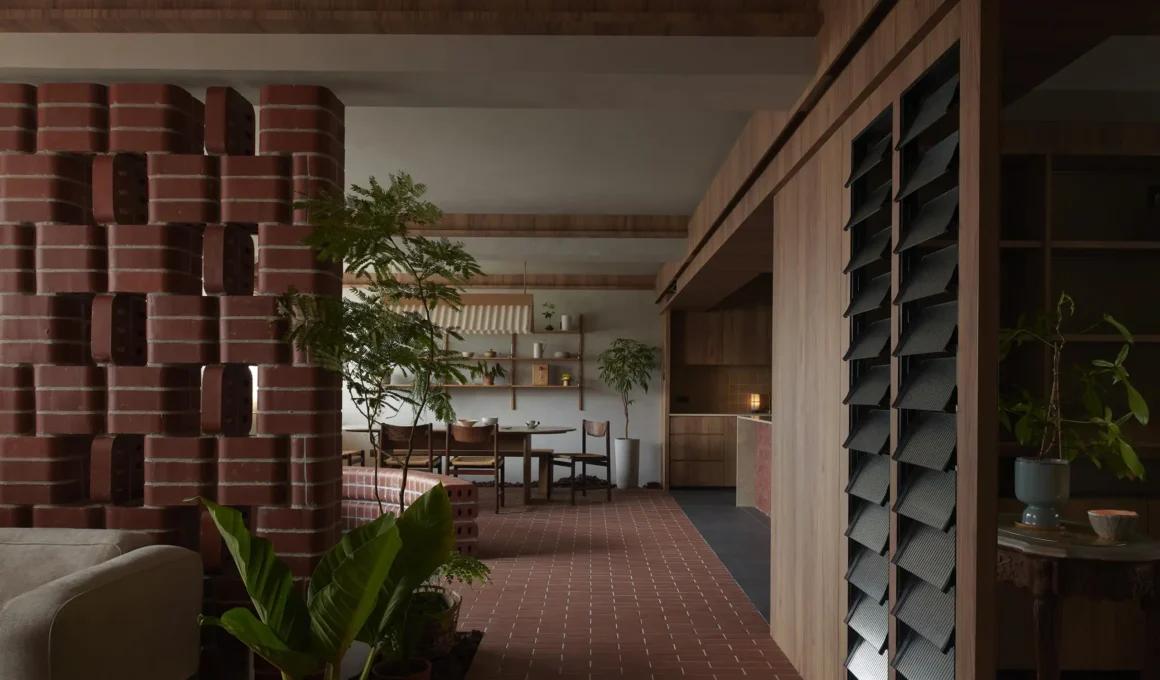
The pandemic-induced shift toward biophilic living has left a lasting imprint on how we perceive the boundaries of our homes. While many briefly toyed with the idea of indoor gardening during the lockdowns of recent years, for others, the cultivation of greenery became a fundamental lifestyle shift that their existing architecture was ill-equipped to support. In the northeast region of Singapore, a three-bedroom apartment renovation titled “In a Park” addresses this very friction. Designed by L Architects for a dedicated horticulturist, the project transcends the typical “plant-filled interior” to explore a deeper, more structural integration of nature and domesticity.
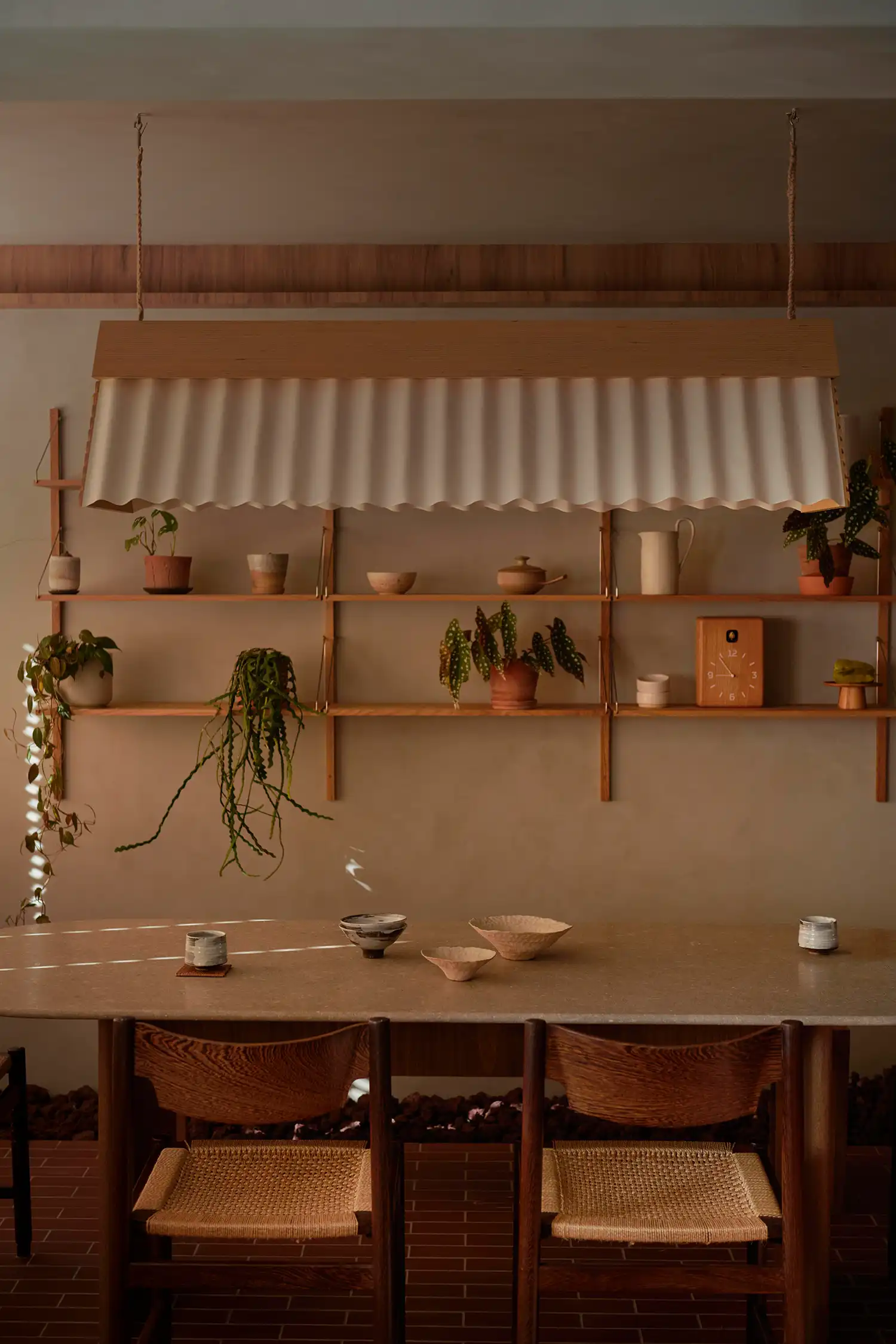
The conceptual catalyst for the renovation emerged from a poignant realization by the homeowner: despite a vast and growing collection of flora, he did not truly “wake up to them.” This observation prompted L Architects to move beyond decorative greenery and instead treat the apartment as a micro-urban landscape. The goal was to dismantle the rigid constraints of the original layout, which relegated plants to the periphery, and replace it with a fluid environment where the daily routines of the inhabitants—both human and botanical—could overlap seamlessly. This approach mirrors the broader movement of how to create a beautiful and thriving indoor garden, where the success of a space is measured by its ability to sustain life through light, air, and thoughtful placement.
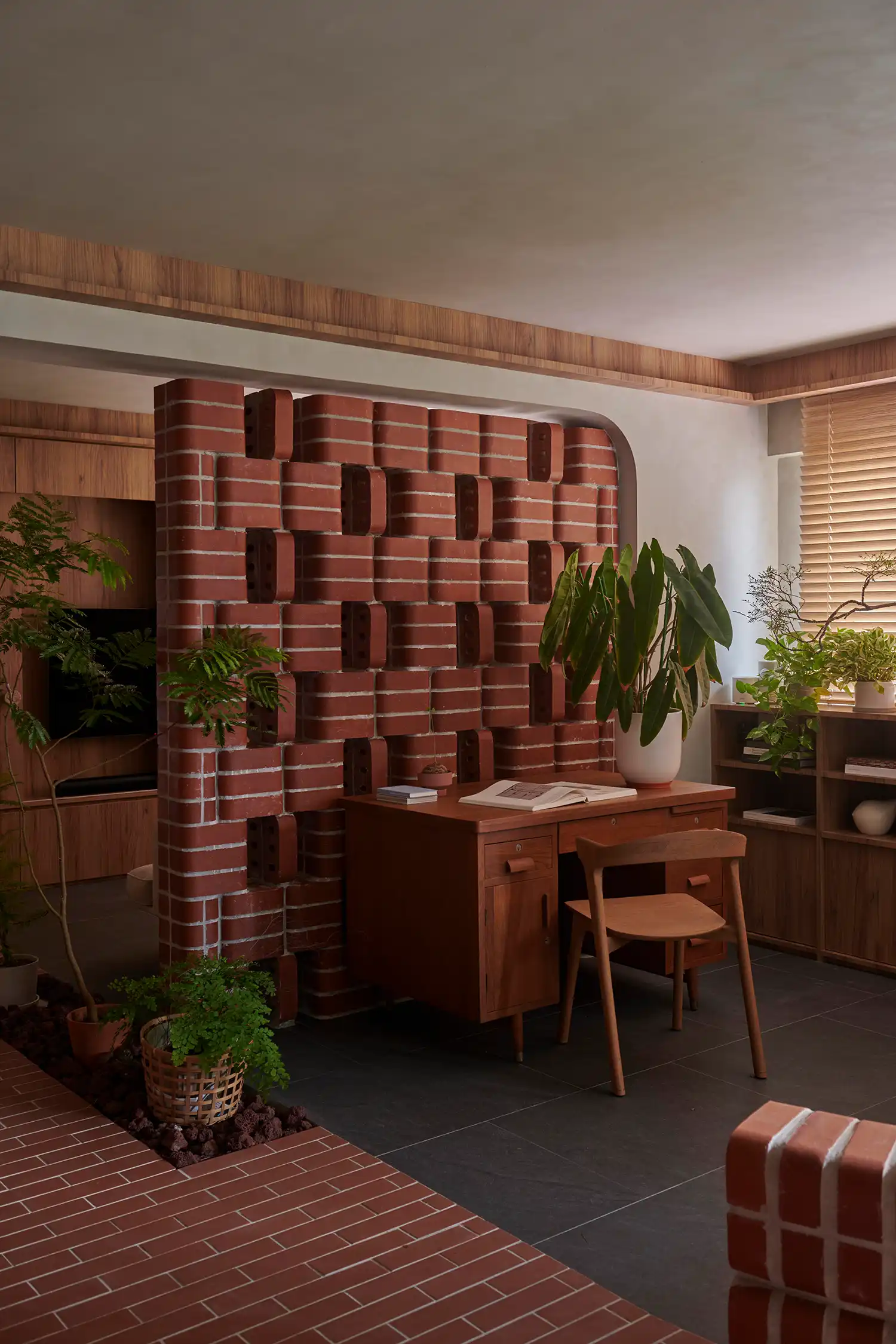
A nostalgic materiality anchors the project in the specific cultural history of Singapore. In seeking a visual language for this interior “park,” the design team looked toward the public infrastructure of the city’s past. They rediscovered the double-bullnose brick—a humble, rounded masonry unit once ubiquitous in the planters and benches of old Singaporean parks. This material, now nearly extinct in local production, carries a tactile memory of the outdoors. Upon discovering that only 571 pieces remained in a local factory’s inventory, the architects treated this finite resource with the reverence of a precious stone, making it the focal point of the home’s material palette.
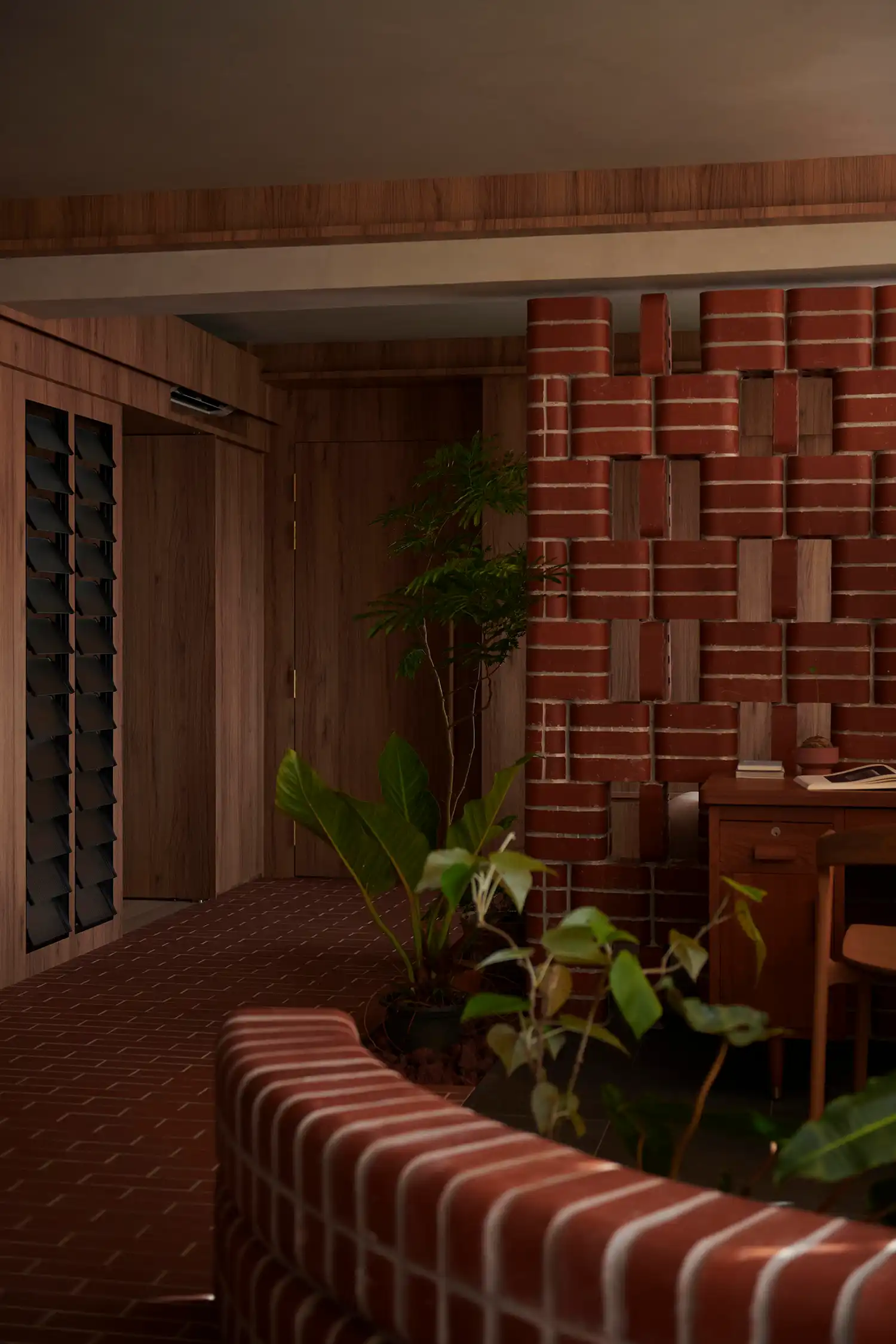
Spatial fluidity and technical precision define the core of the residence. The limited supply of bullnose bricks was meticulously tessellated to create a freestanding wall that separates the study from the living room without the harshness of a standard partition. The rounded edges of the bricks facilitate gentle transitions, leading to a curved bench that straddles the threshold between the dining and work areas. This multifunctional element functions as a shared piece of “street furniture” within the home, encouraging rest and conversation. By prioritizing these organic forms and reclaimed materials, the project aligns with essential sustainable design tips for your home, proving that environmental consciousness often starts with the preservation of local craft and materials.
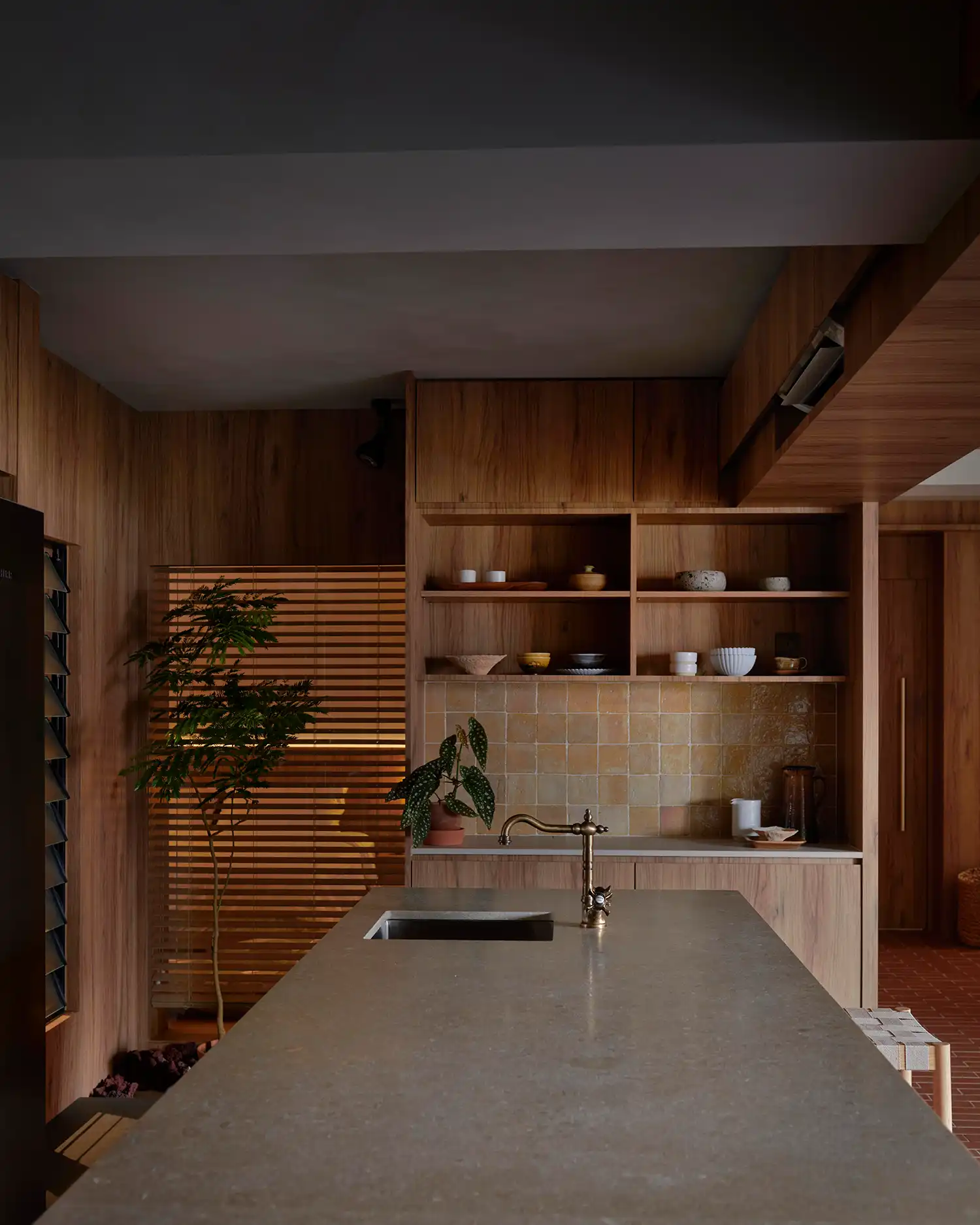
The sensory experience of the interior is one of softness and dappled light. Moving through the apartment feels less like navigating a series of rooms and more like a stroll through a curated clearing. The tactility of the brickwork, cool to the touch and historically resonant, provides a grounded contrast to the delicate textures of the client’s plant collection. Here, the “park” is not a view framed by a window, but a physical presence felt through the soles of the feet and the sweep of a hand across a curved wall. The architecture acts as a scaffold for the greenery, ensuring that the act of “waking up to plants” is an inevitable, daily occurrence.
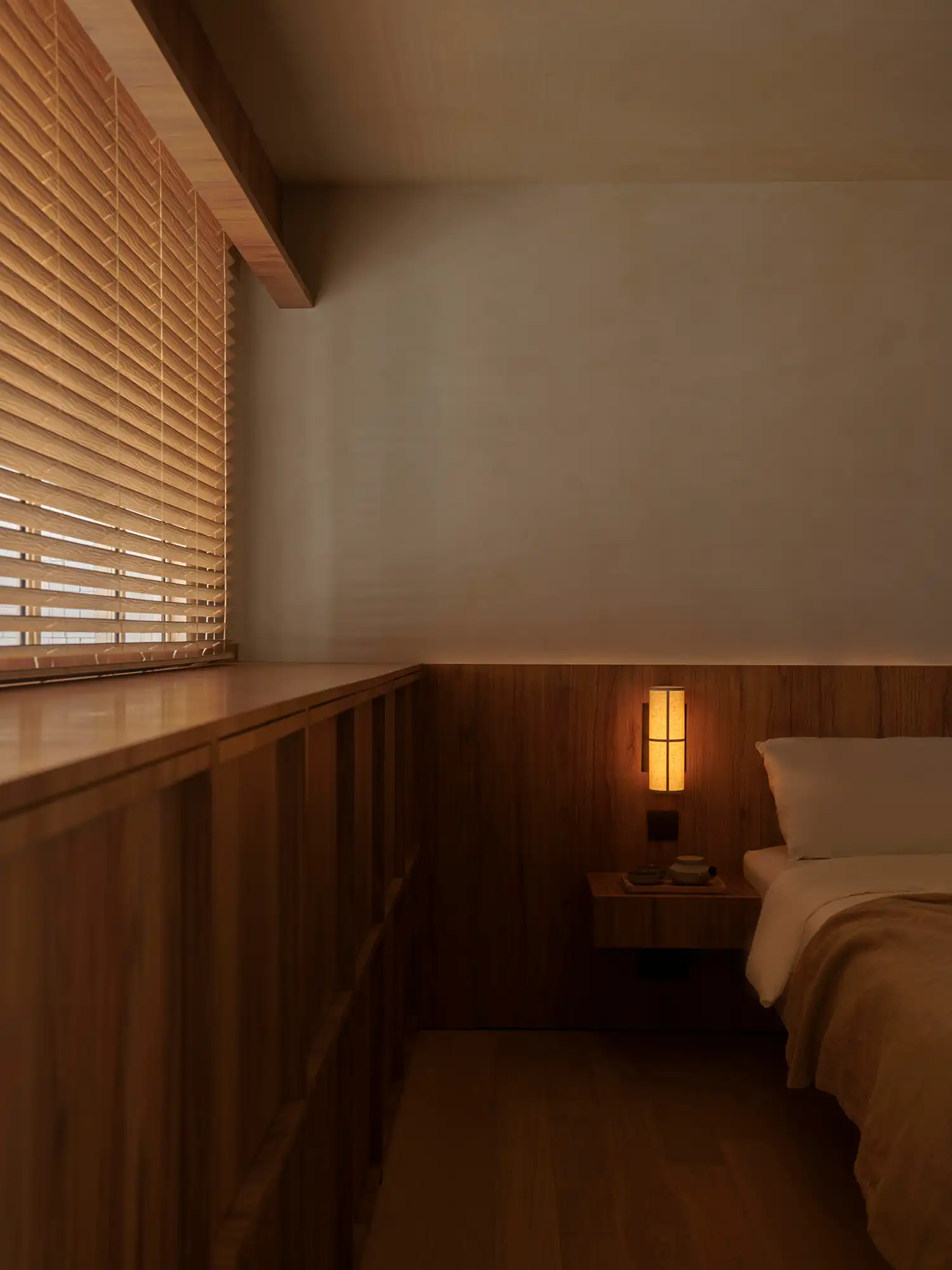
Refining the mundane through restraint, “In a Park” stands as a testament to the power of contextual storytelling. By elevating an ordinary, overlooked material to a status of architectural significance, L Architects has avoided the pitfalls of high-tech overcomplication. The project demonstrates that innovation in Singapore’s residential landscape does not always require new technology; sometimes, it simply requires a better memory. The result is a home that feels both timeless and deeply personal, where the boundary between the living room and the garden has finally, and elegantly, dissolved.