

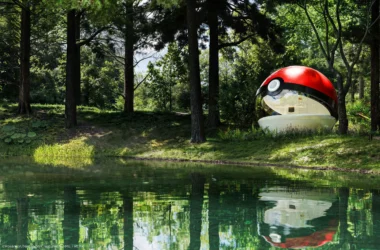



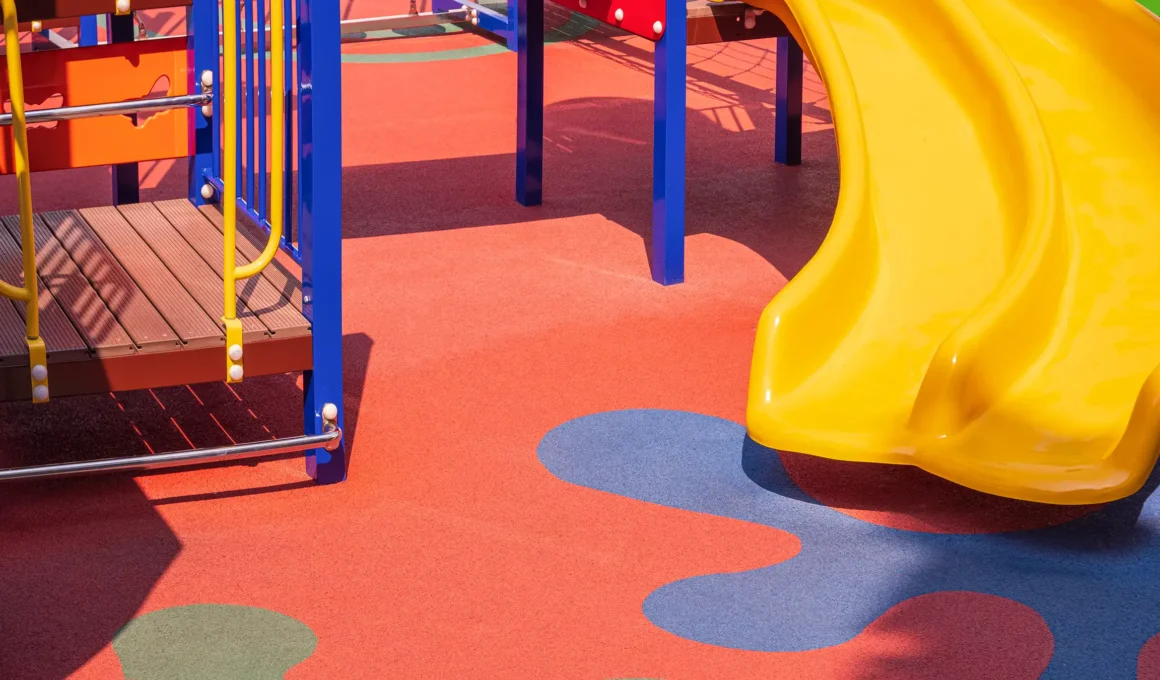
Playgrounds have come a long way. While their purpose of creating play opportunities for children has remained the same over the years, their construction and innovative components have modernized with the times. It’s common to come across a park playground with an integrated design, existing within the vegetation and adding to the natural space. School and daycare playgrounds delight kids with their eccentric colors and whimsical designs.
Modern playgrounds feature a mix of challenging equipment, such as obstacle courses and climbing walls, with imaginary areas and sensory-rich experiences. They are constructed in a way that promotes free play, while also keeping children as safe as possible. As a result, these playgrounds truly become central destinations, places where kids and parents alike want to visit during their free time.
Architecture in Modern Playgrounds
If you think back to the playgrounds of your childhood, you may be reminiscent of a brightly colored design, or maybe you adored the old-school wooden look of your schoolyard play area. While these types of playgrounds served their purpose, modern playgrounds are innovative in their designs and how they engage young children.
New commercial playground equipment encourages creativity and individual expression. Many are centered around fresh, novel ideas with artistic elements and interactive technology components. These designs are also created with inclusivity in mind, ensuring all children, regardless of physical or cognitive abilities, are able to take part in the fun. This looks like adaptable swings and merry-go-rounds, streamlined ramps, ground-level play stations, and sensory panels.
In terms of the actual design, modern playgrounds are intended to accommodate many children at once with different play areas or zones. An activity zone with swings and slides can be separated from a quieter play area with sandboxes and sensory walls. This type of design allows children of different ages and abilities to share the same space and playnext to one another. It can also spark children’s creativity, leading them to conceive their own imaginary games.
Additionally, many of the newer playground designs either incorporate their natural settings or use natural elements. The playground may be built around established trees, creating natural shade for parents and guardians supervising from afar. Water and sand elements can also be incorporated to stimulate children’s senses and add another natural dimension to the design. Together, these various design elements can make for fun, inspiring, and beautiful playgroundsthat also function well for children.
Safety Standards
Safety is always top of mind when it comes to constructing play areas for children. New modern designs focus primarily on installing updated, standardized designs and materials to keep kids safe. For instance, proper spacingbetween equipment can reduce the number of accidental run-ins with other kids on the playground. Guardrails can protect kids from falling from higher surfaces, while also giving children with physical limitations the option to hold onto a wall for additional support.
In terms of materials, shock-absorbing surfacing such as wood chips, mulch, sand, and rubber mats can brace the impact of falls. Many of these surfaces also happen to utilize recycled materials, which is a win for the environment. Surfacing should extend a minimum of six feet beyond the equipment areas. This allows kids to play freely without feeling constrained within a certain area, while also keeping them as safe as possible.
With any playground, maintenance and supervision are required. Regular inspections are needed to fix any broken equipment pieces, tighten any loose screws, and remove the area of any potential hazards. After a major windstorm, for example, someone should be on site to do a thorough inspection and remove any fallen tree branches and debris.
As for supervision, parents (or a designated guardian) should be on standby while their kids are playing at a community playground. At a school or daycare facility, multiple teachers and staff should be actively present to watch children. Having a few benches within a nearby seating area can provide rest for supervisors.
A Communal Destination
Modern playgrounds are intended to be a free, inclusive space for everyone, regardless of their background. They serve as communal destinations, otherwise known as third spaces. These are areas outside of the home, office, and school where everyone can gather and socialize. Children can interact with their peers, while parents can meet new neighbors and form connections with one another.
Playgrounds also do a good job in encouraging intergenerational activity. Children can easily entice a grandparent to push them on the swingset or watch them climb to the top of a rope swing. Not to mention, they also make a great option for community events, which bring together people from various age ranges. Organized picnics, festivals, and birthday parties can be held at the community playground, fostering stronger bonds among neighbors, friends, and family members.
These types of interactions, whether a run-in with another neighborhood family or a planned meetup or party, can instill a sense of community pride. Visitors will take good care of the playground, knowing that it serves an important role within the community. This can lead to community-wide cleanups, gardening clubs, and other activities — all of which will give everyone a chance to contribute to the larger goal of creating a vibrant community.