


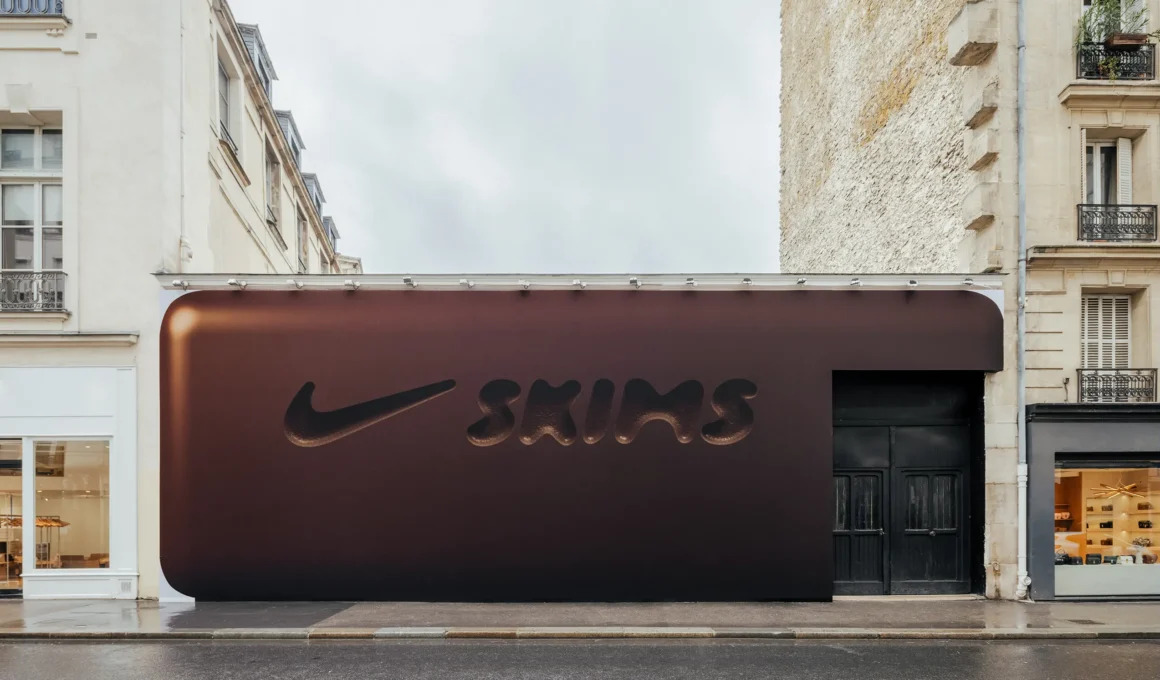
A convergence of athletic performance and anatomical grace has taken shape in the heart of Paris, where the highly anticipated collaboration between Nike and SKIMS found its physical manifestation. Located at 116 Rue de Turenne, the ephemeral space was envisioned by Crosby Studios, a practice known for dismantling the traditional boundaries between retail environments and art installations. Rather than relying on the high-energy tropes of sportswear marketing, the project pivots toward a more profound exploration of the body, creating an environment that feels both grounded and ethereal.
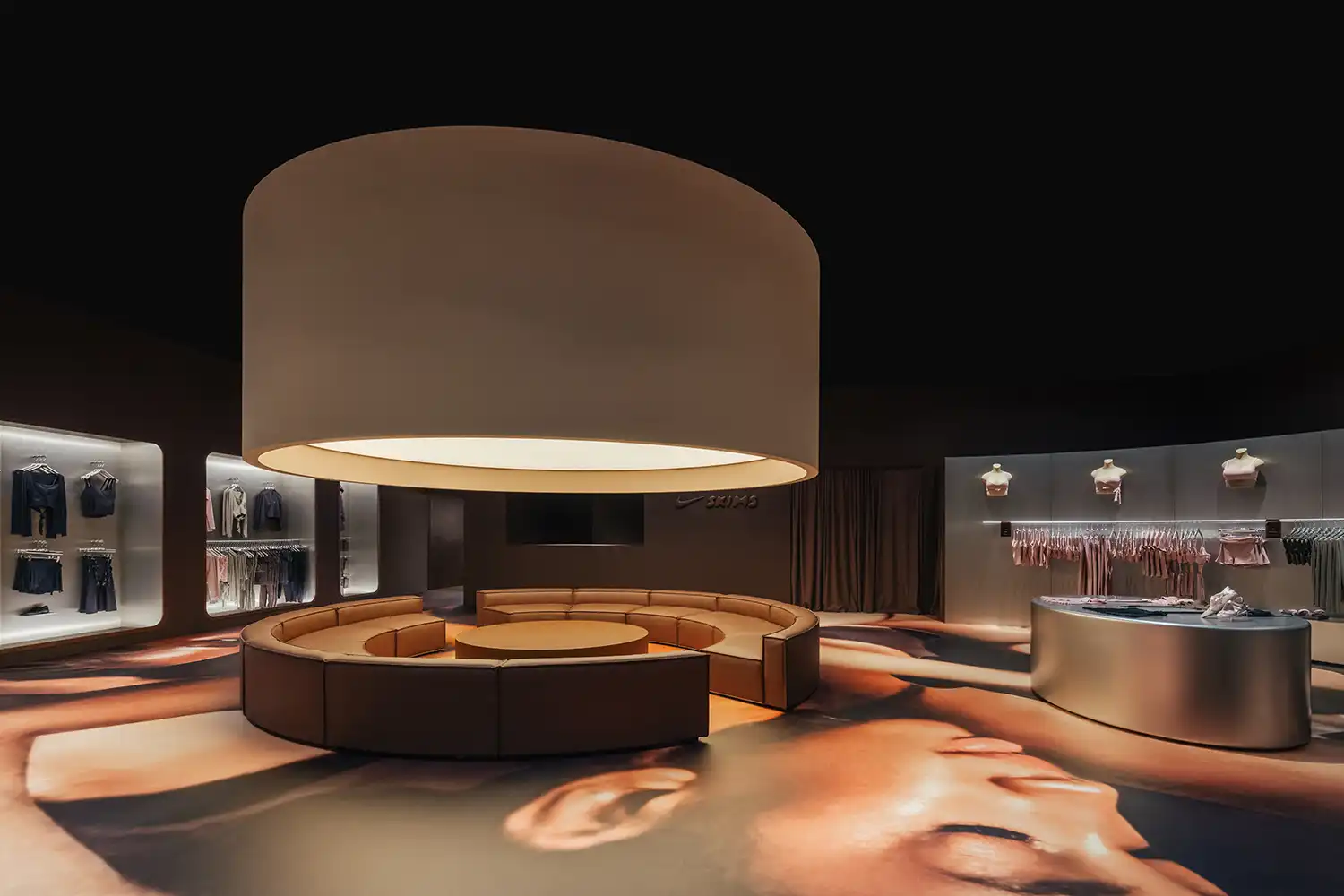
The conceptual foundation began with a study of the female form, focusing on the delicate equilibrium between softness and structural power. Translating the DNA of two global brands into a tangible experience required more than just a display of products; it necessitated a spatial dialogue. “The design process began with a study of its proportions, movement, and the balance between softness and strength,” the team at Crosby Studios told urdesign. This vision was aimed at creating a venue that felt deeply resonant with the human silhouette.
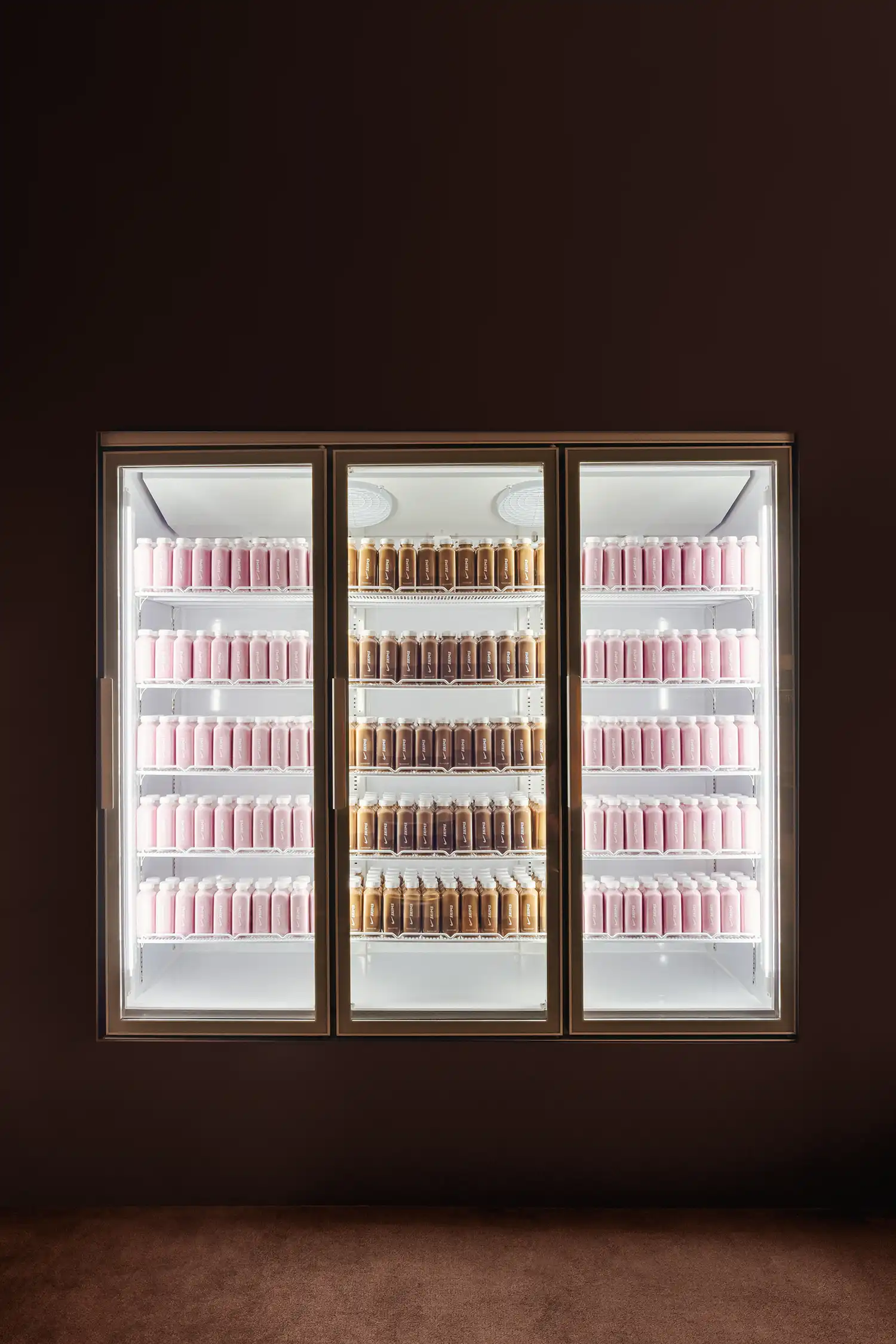
Translating this identity into a physical space meant creating a sense of strength and sensuality from the very first step inside. To achieve this, the studio designed a dark, intimate interior with a confident presence, using curved geometries that reference the body. By pairing these soft lines with simple, strong materials drawn from performance and athletic infrastructure, the design team managed to evoke the core values of both brands without the need for literal or decorative branding.
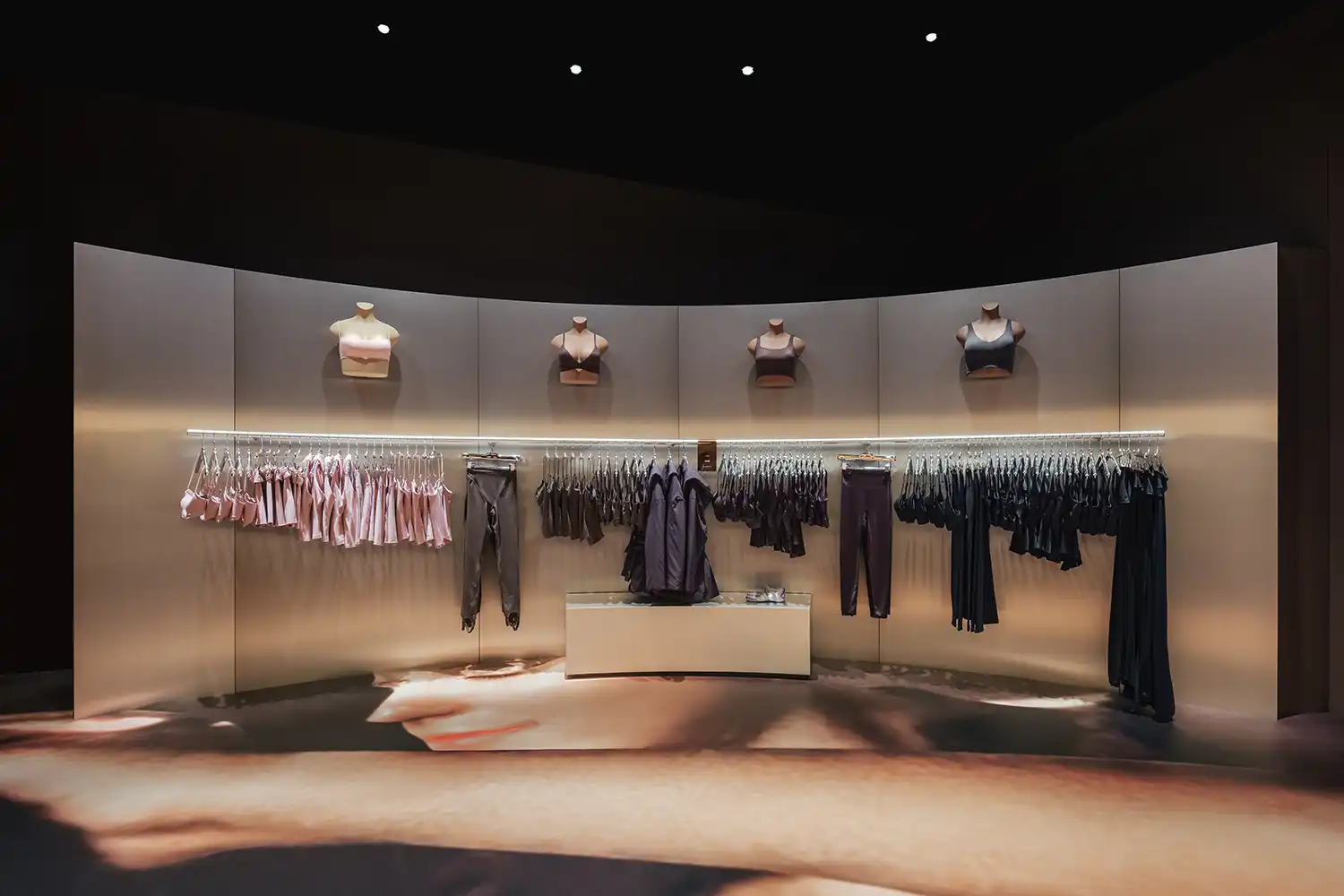
Materiality serves as the primary narrator within the Parisian venue, where every texture was selected to evoke the “second skin” philosophy central to the collection. The palette is intentionally tight, ensuring that the transitions between different surfaces feel fluid rather than disruptive. Materiality is an essential pillar of the concept; every choice was made deliberately to express the idea of femininity in sport that defines the Nike x SKIMS identity, ensuring textures and tones work in harmony.
A sophisticated dialogue between softness and strength is reinforced through the specific juxtaposition of elements. Soft, tactile surfaces such as eco-leather and deep carpeting are balanced with heavier, more architectural components—specifically brushed metal and cylindrical lighting. These industrial references to performance and structure create a space that feels powerful and assured, while keeping the environment intimate and grounded for the visitor.
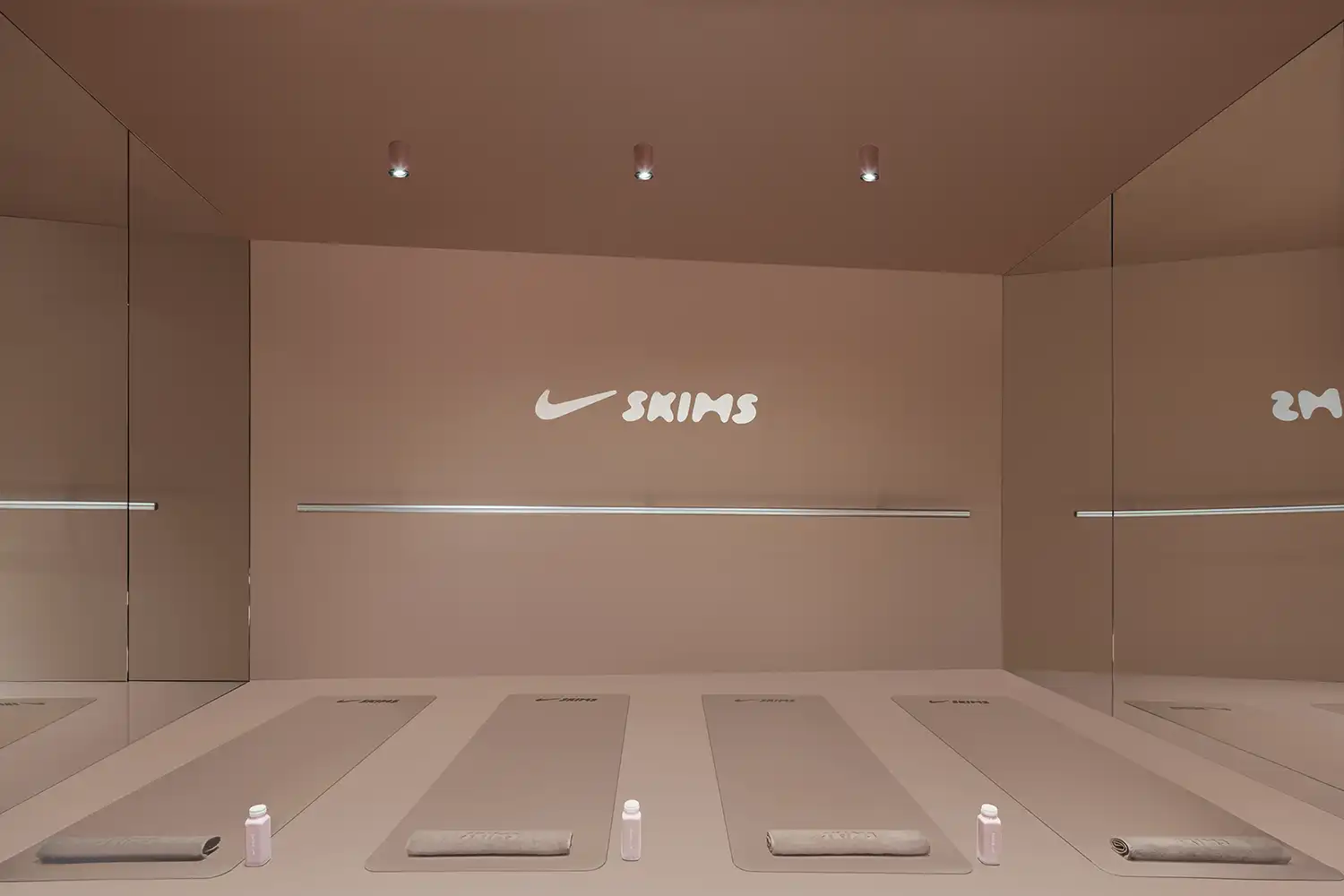
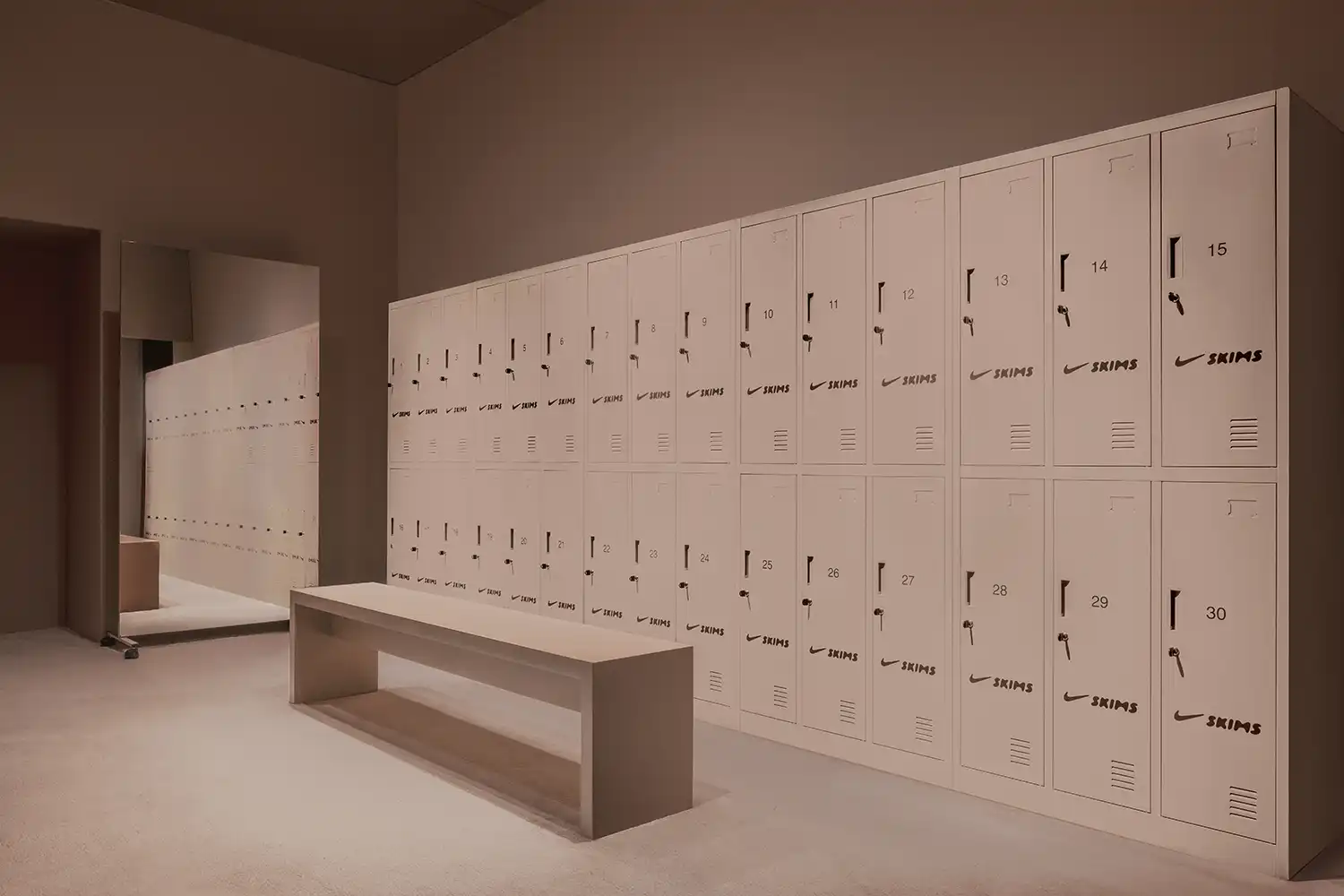
Bespoke modularity defines the interior layout, with every piece of furniture within the Rue de Turenne space having been custom-crafted for this specific intervention. These are not merely racks or shelves, but sculptural extensions of the architectural concept. “All furniture and modular elements were custom-designed,” the studio explains, noting that every detail was developed in direct response to the specific geometry of the building, ensuring a cohesive and intentional environment where the architecture embodies the product.
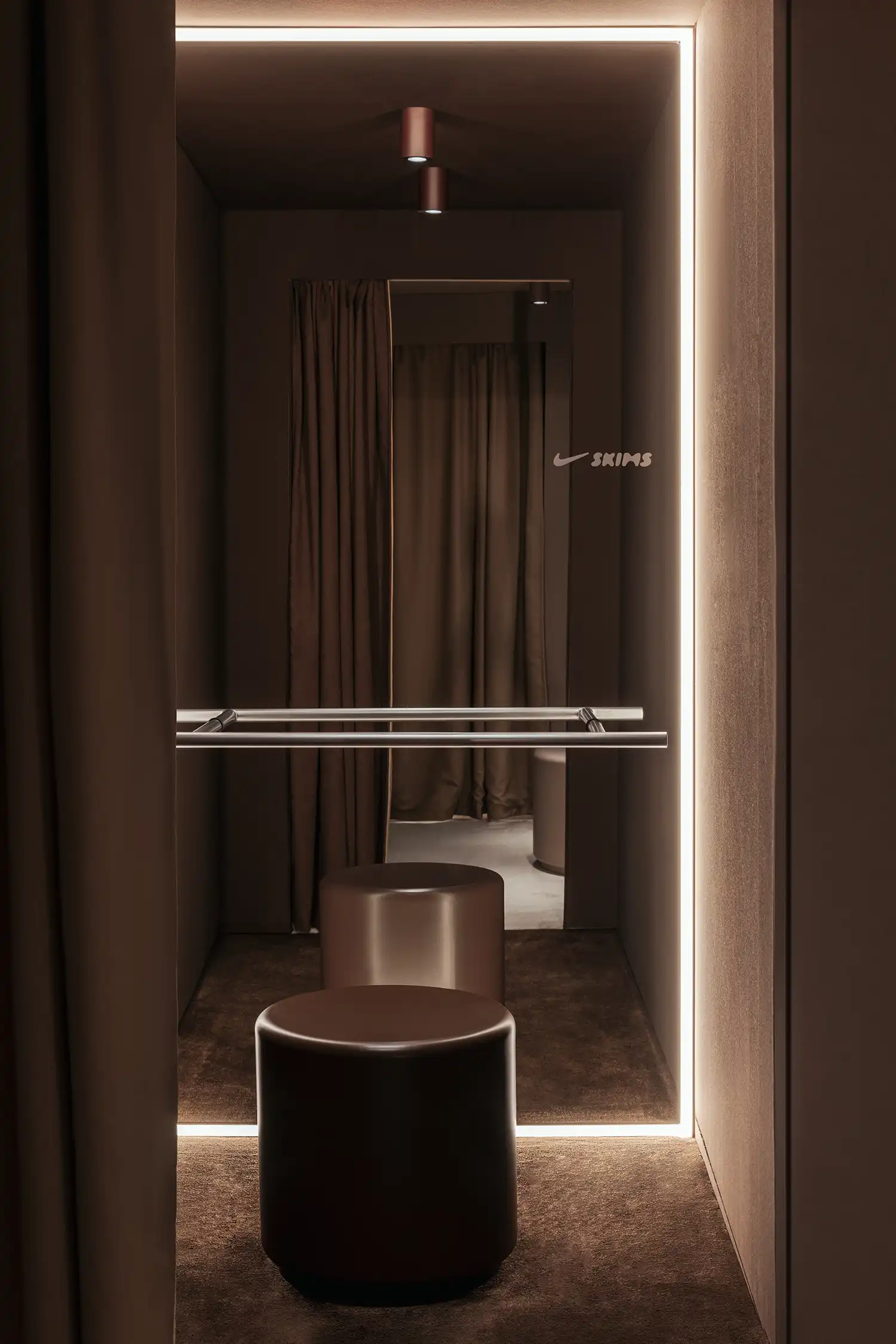
The sensory experience is designed to offer a pause from the relentless pace of the city. Upon entering, visitors are met with a deliberate shift in energy, moving away from the “chaos of the city outside” into a space that demands focus and quietude. The use of curved geometries and enclosed sections creates a sense of privacy, encouraging guests to slow down. By removing distractions, the environment allows visitors to pause, feel comfortable, and fully reconnect with themselves.
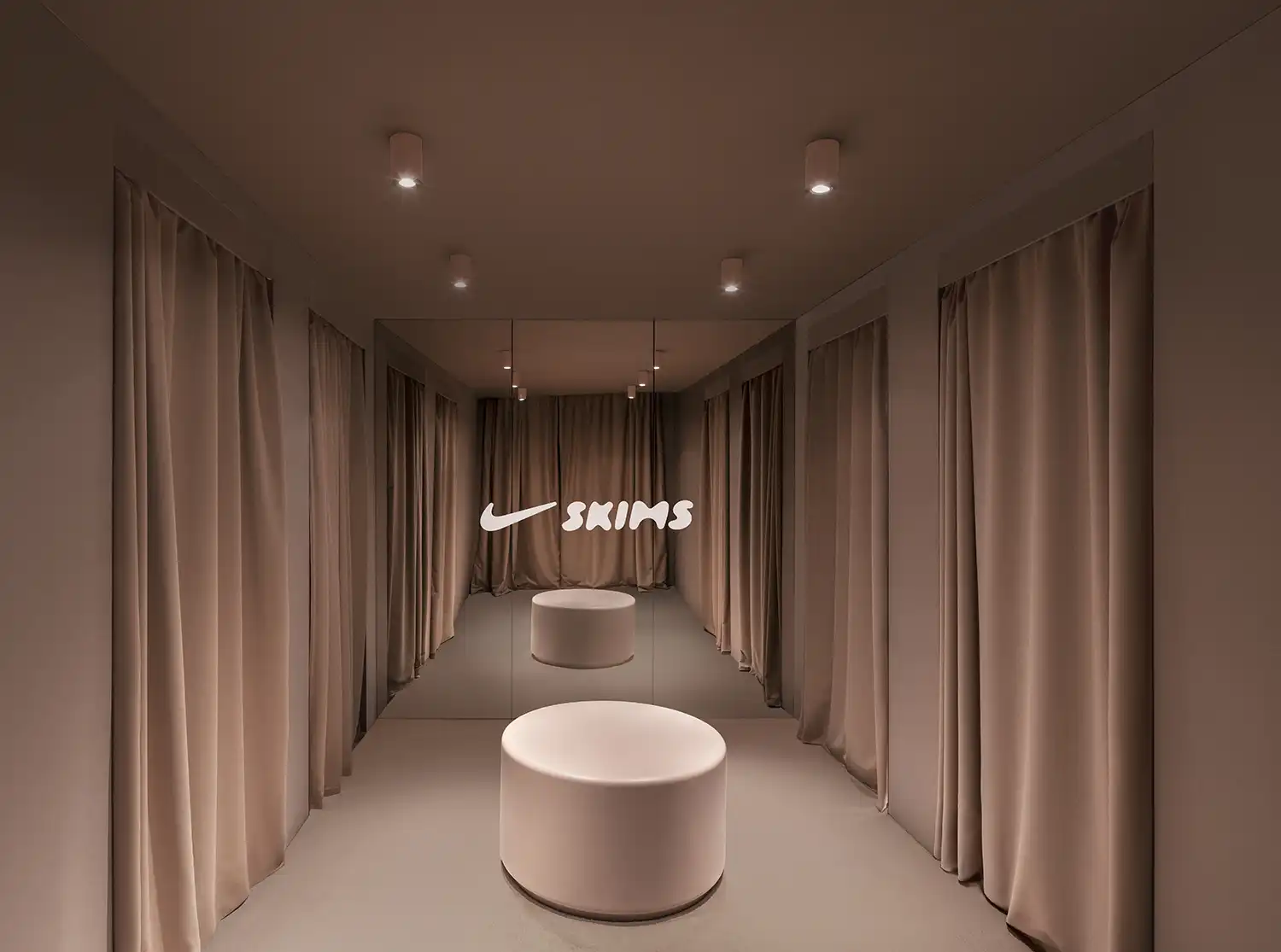
While the physical doors on Rue de Turenne have already closed at the time of this writing, the project’s legacy remains a case study in how spatial design can amplify a brand’s narrative through subtle, high-quality interventions. This intervention follows the studio’s previous success in the city, where Crosby Studios’ bold transformation of Café Nuances similarly challenged traditional aesthetics through a futuristic lens. These ephemeral works collectively prove that the most impactful spaces are often those that prioritize the human experience and the quiet power of materiality over loud, fleeting trends.