



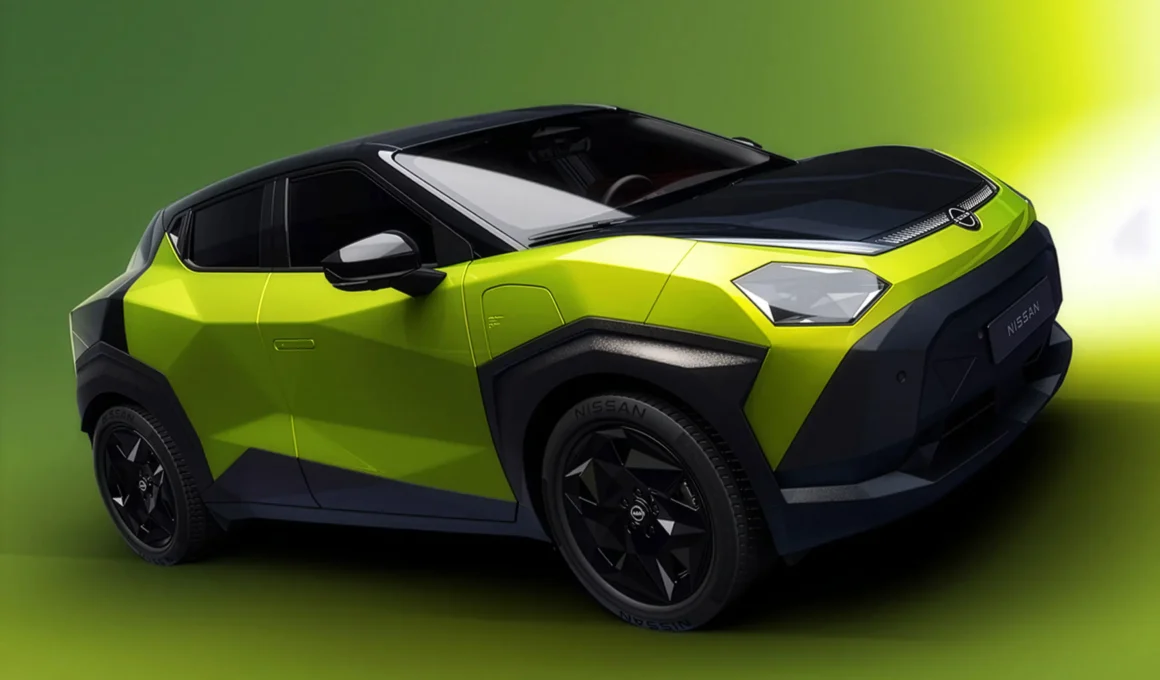
Nissan has officially unveiled the third-generation, all-electric JUKE at its global Vision event in Japan, signaling a defiant pivot toward expressive, non-conformist aesthetics for the European market as the company cements its electrification strategy through its Sunderland manufacturing hub.
The rebellion against aesthetic uniformity marks a significant shift in a landscape where the transition to electric mobility has often resulted in a sterile, homogenized visual language. As automotive manufacturers increasingly share platforms and hardware, the industry has slipped into a period of stylistic plateauing, where silhouettes are dictated more by wind tunnels than by emotional resonance. The all-new JUKE emerges not to please the masses, but to challenge them, positioning itself as a provocative alternative to the “appliance-like” nature of modern crossovers by doubling down on a legacy of polarising form.
A legacy of defiance has always been the heartbeat of this specific model, which has carved out a niche by being intentionally unconventional since 2010. In a market saturated with safe, aerodynamic blobs, Nissan is reinforcing the reputation for bold geometry, a calculated risk that mirrors the recent “retro-futurist” movements seen with the Renault 4, the Renault 5 E-Tech, and the Twingo. This iteration utilizes the freedom of a fully electric powertrain to push the boundaries of traditional vehicle packaging, moving away from “accommodating” lines to offer a sculptural statement that refuses to be ignored.
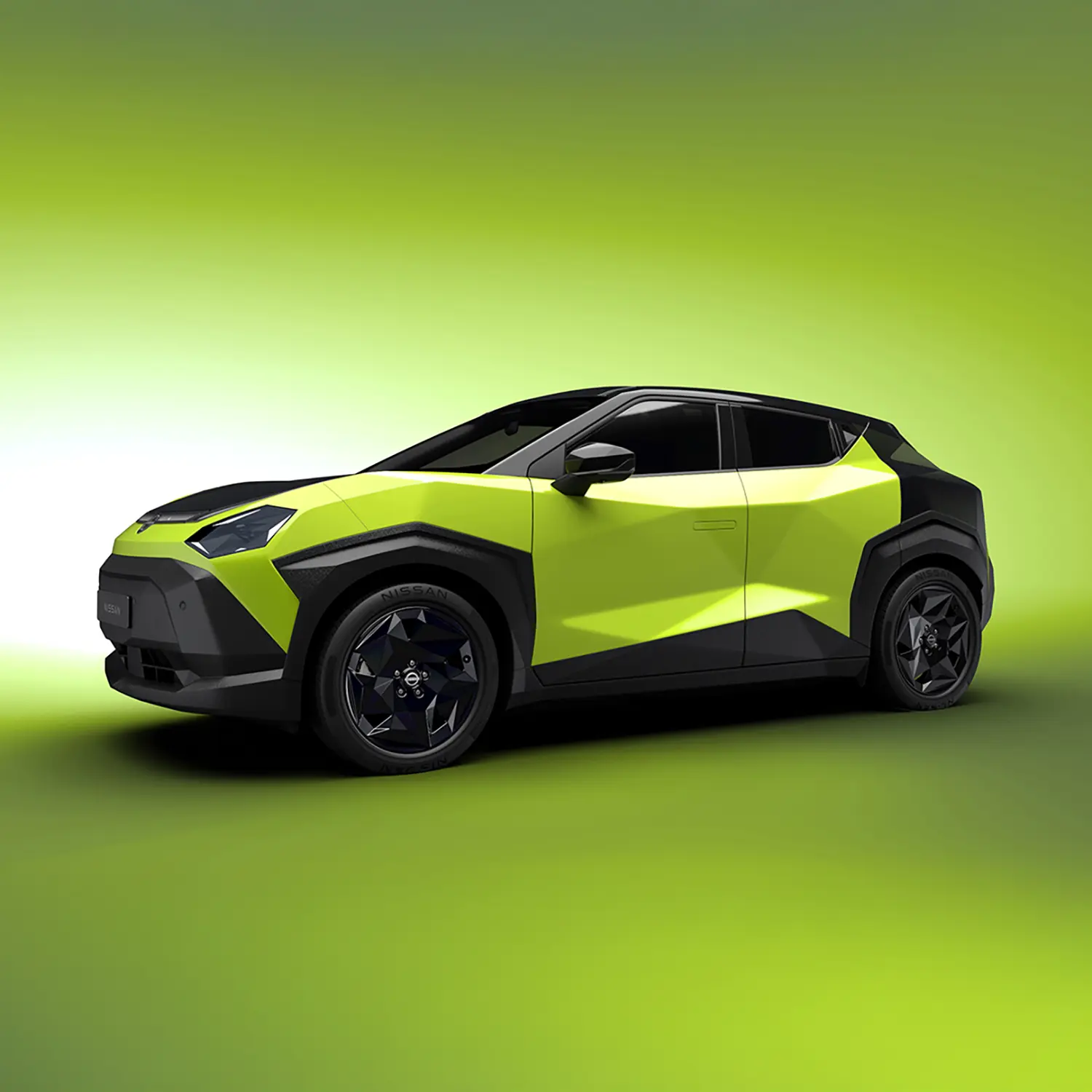
Strategic manufacturing and regional innovation anchor this creative vision within a localized European ecosystem. Produced at the Sunderland Plant in the UK, the vehicle represents a commitment to a zero-emission mobility future grounded in high-quality craftsmanship and technical integration, such as Vehicle-to-Grid (V2G) technology. While the spotlight remains on the all-electric JUKE, Nissan maintains a flexible path through e-POWER hybridization, ensuring that this distinct visual identity is accessible across a spectrum of technological needs without compromising on the brand’s bold technological innovation.
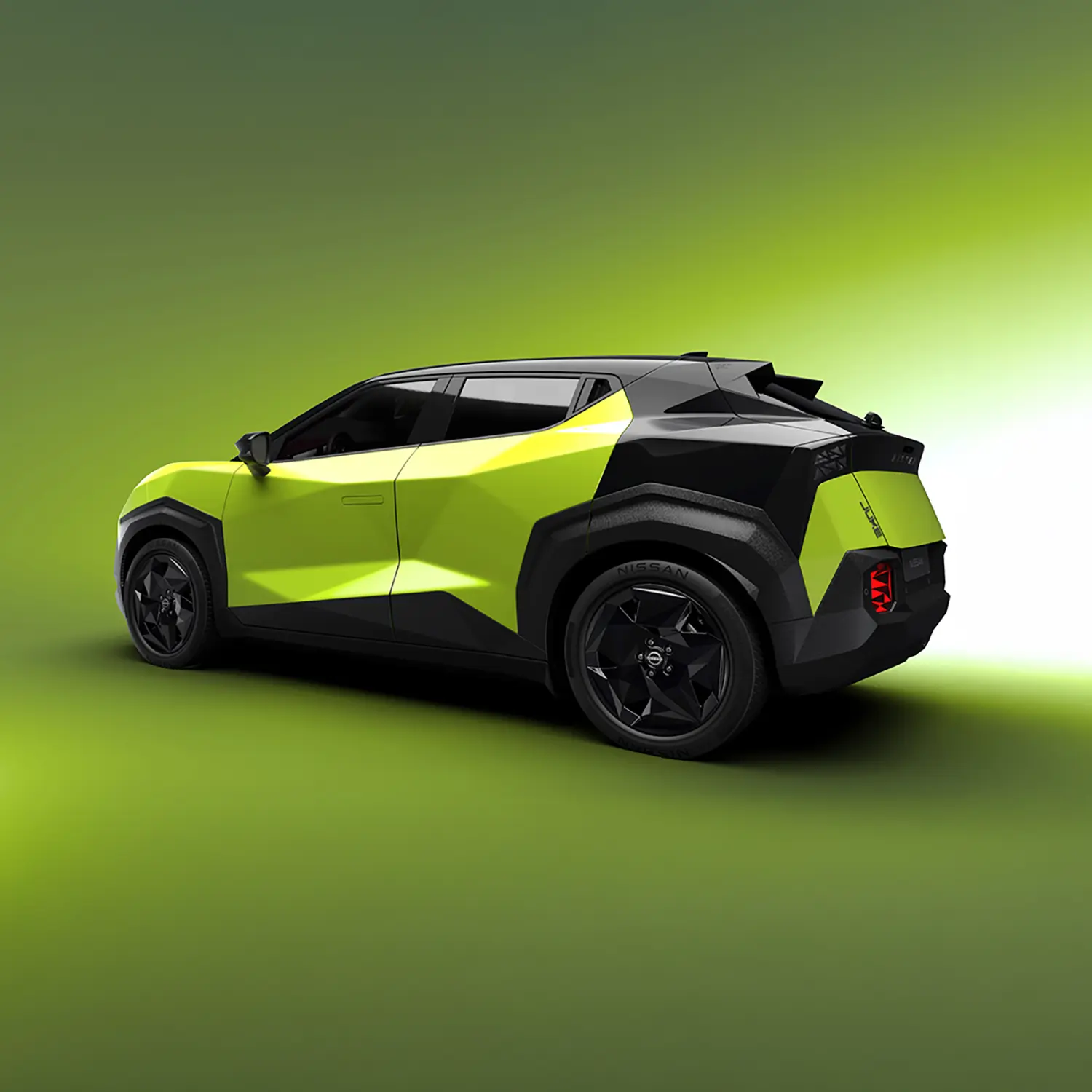
The sensory experience of the cabin has been reimagined to enhance a human-centric focus, moving away from cluttered interfaces toward tactile quality and intuitive layouts. The shift to an electric architecture allows for a more spacious, airy environment despite the compact exterior dimensions, turning the act of driving into a more immersive experience. It is within this interior volume that the brand’s design language meets the ergonomic demands of a modern driver, balancing the provocative exterior with a refined, functional internal logic.
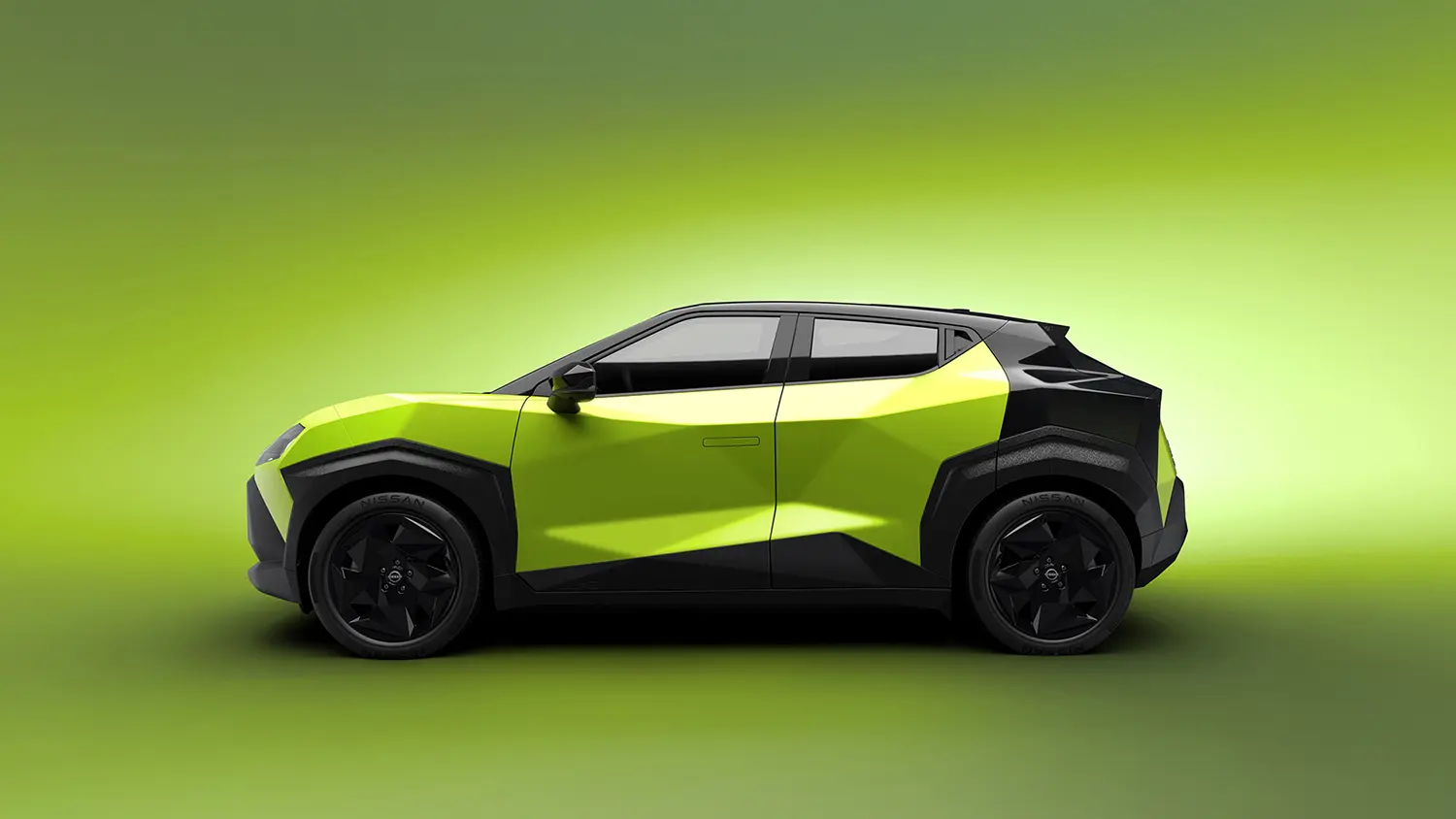
The manifesto of visual character is the ultimate takeaway from this global debut: as EVs become a commodity, character becomes the primary currency. By choosing a path that avoids the stylistic flattening of the 2020s, Nissan is signaling that the future of mobility can—and should—be visually stimulating. Looking toward the 2027 launch, the JUKE stands as a testament to the idea that emotion is as vital as efficiency, offering a bold vision for the next generation of movement that refuses to blend into the background.