

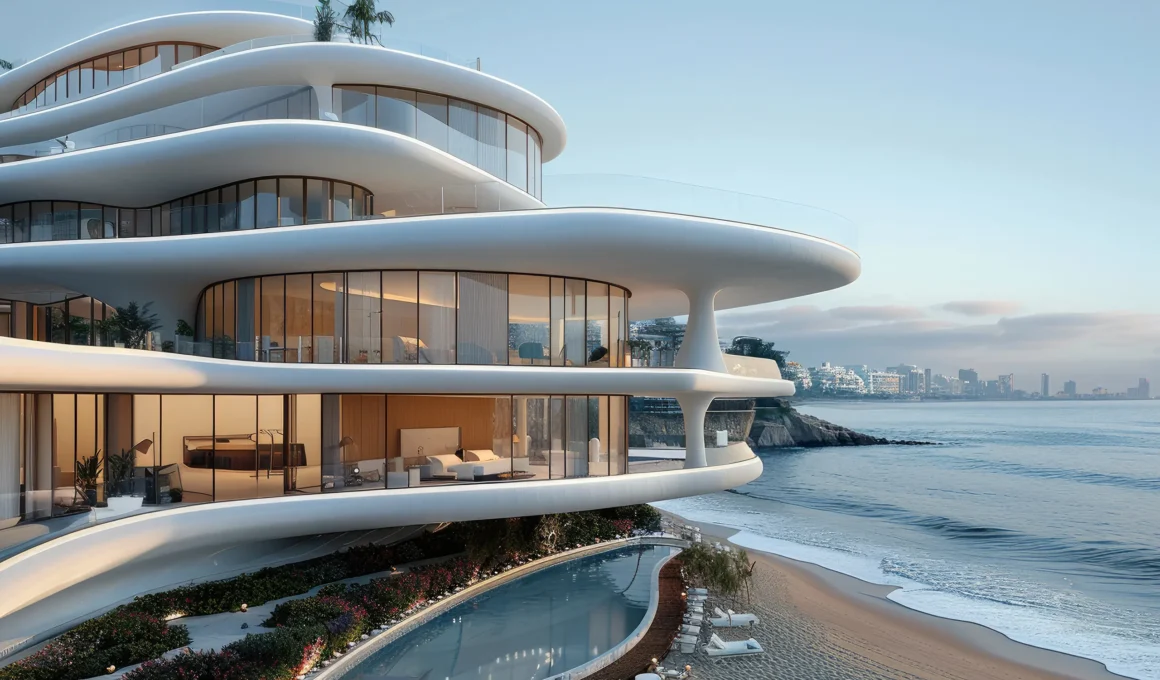
Palm Jumeirah is instantly recognisable, but its character is felt at street level, where architecture meets sea, sky, and promenade life. Because this is a purpose-built waterfront district, many buildings are sculptural, with facades that change as you move past them. If you are researching residences in Palm Jumeirah, the facade is not a finishing touch.
In this article, you will learn how sculptural facades shape Palm Jumeirah’s look, liveability, light, shade, and views.
The Palm as a Canvas for Architectural Expression
Palm Jumeirah is a man-made island shaped like a palm, organised around a trunk, fronds, and a surrounding crescent that shelters the shoreline. Long sea views mean buildings are often read in silhouette, so massing matters as much as materials.
Planned shorelines and open vistas encourage bold, landmark-style building forms.
Silhouettes matter from afar, so massing and proportions stay carefully balanced.
Mixed neighbourhoods demand architecture that feels refined, resort-ready, and cohesive.
What Makes a Facade Feel Sculptural Here
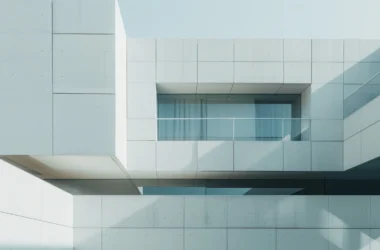
“Sculptural” is not only about curves. It is about depth, shadow, and a sense of movement across the exterior surface, especially in strong coastal light.
Signature Moves You Will Notice Along the Waterfront
As you walk the promenade, the details start to stand out. Facades are designed to feel dynamic, not flat, so balconies, corners, and screens shift in appearance with every change in light.
Wraparound terraces that pull living spaces towards the water
Recessed glazing behind balcony lines, so rooms feel calmer in daylight
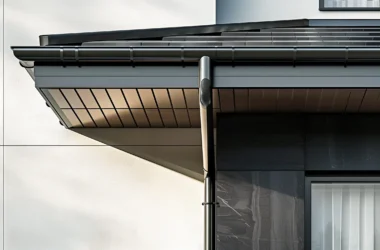
Vertical fins that add rhythm while cutting harsh sun and overlooking
Warm, stone-like textures paired with glass for a refined coastal look
How Facades Change the Way You Live
For buyers accustomed to living in sea-facing homes in their cities, the standout difference is the deliberate planning of outdoor living spaces. A well-shaped facade creates terraces where you can sit with a coffee, enjoy the breeze, and still feel comfortably screened. It also reduces the “fishbowl” feeling that flat, all-glass fronts can create.
Deep balconies allow you to make full use of the outdoor space even in the hot sun.
Smart screening adds privacy without blocking breezes or the sea view.
Layered facades reduce glare indoors and cut down on the fishbowl feeling.
What to Check Before Choosing Residences in Palm Jumeirah
When choosing residences in Palm Jumeirah, look beyond the brochure image and ask how the facade will behave across bright afternoons and humid evenings.
Balcony depth and shading make the outdoor space usable
A balanced mix of glass and solid elements to manage glare
Privacy measures, especially on lower floors and closer-facing stacks
Visual consistency across the building, which often hints at stronger upkeep
Conclusion
Palm Jumeirah does not rely on a single architectural style. Its signature is facades shaped to perform, framing views, tempering sunlight, and creating a sense of arrival every time you come home. That sculptural approach is a big reason the island’s homes feel designed from the outside in. You notice the difference daily, from cooler interiors to more comfortable, private balcony time.