




In Edinburgh’s sought-after Trinity suburb, architecture and design studio Pend has masterfully completed Catalog House, a comprehensive renovation that unifies two former flats into a single, highly functional family home. The project was realised for long-term clients and collaborators, Dixie and Ralf, the owners of independent multi-brand design store Catalog Interiors. The result is a testament to a shared vision, creating an intuitive backdrop for both vibrant hosting and quiet family life.
The project’s trajectory transformed when the couple’s upstairs neighbour decided to sell, presenting a unique opportunity. What began as a plan for a simple rear extension evolved into a whole house renovation, allowing Dixie and Ralf to craft their ideal forever home without the typical compromises of upsizing. This dream scenario enabled Pend to reimagine the entire property with a renewed sense of spatial clarity.
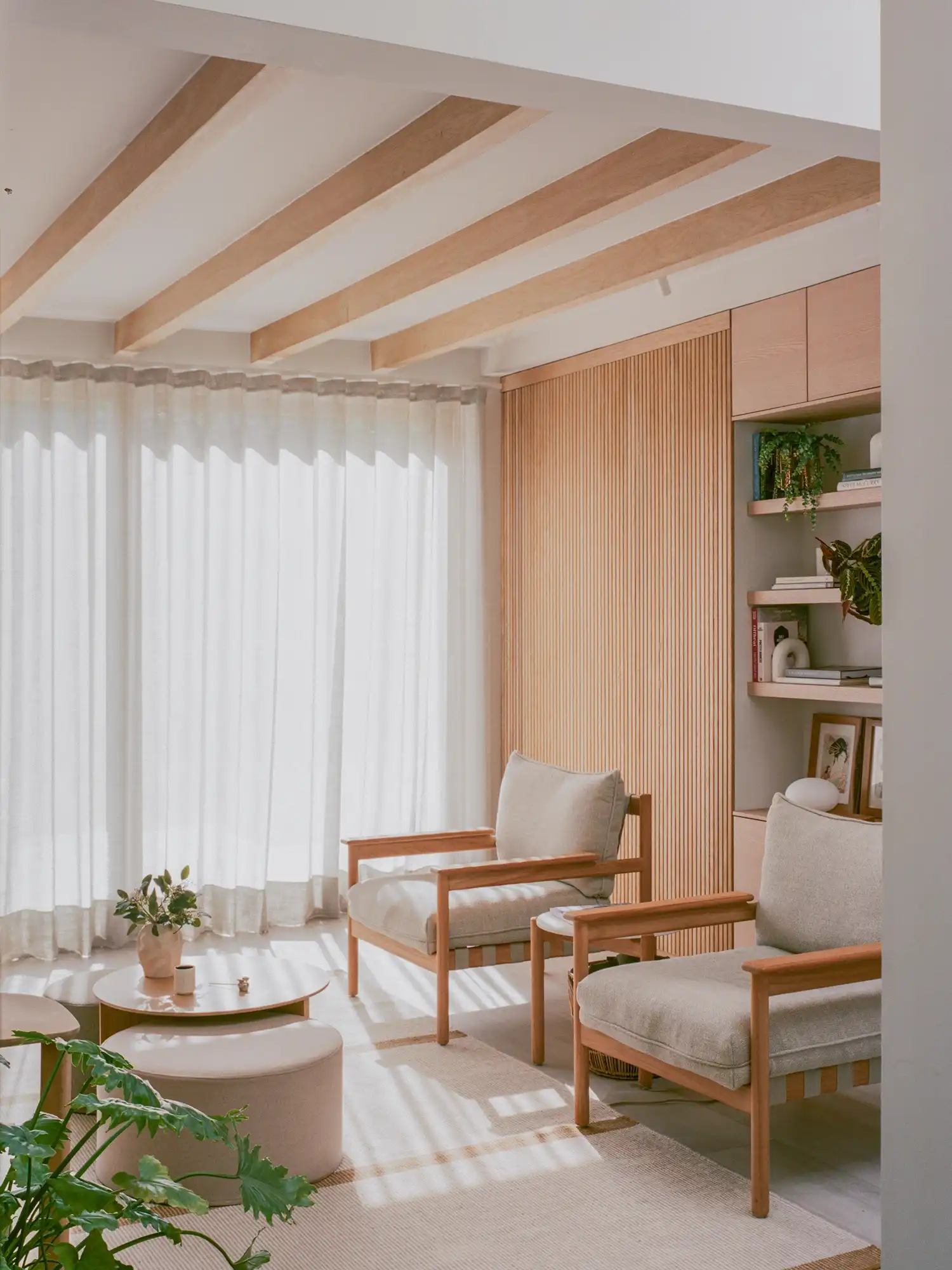
A central element of the transformation is a gently curved 35 square metre rear extension. This elegant intervention replaces a series of poorly constructed additions, finally connecting the home to its west-facing garden. The new extension serves as a sun-drenched lounge, capturing golden afternoon light through large glazed patio doors and a strategically placed rooflight. The design ensures a fluid transition between inside and out, a concept reinforced by a quietly rounded brick wall that softens the external circulation. The choice of neutral-toned Petersen brick complements the original buff sandstone, ensuring the addition feels both contemporary and respectful of its Victorian context.

Spatial planning was paramount. The ground floor is dedicated to fluid living, while the upper level houses more private family spaces. A key, client-led decision was to relocate the kitchen to the front of the house, capitalising on the morning light from an east-facing bay window. This room, traditionally a formal living room, now serves as the vibrant heart of the home—a generous space for family breakfasts and evening entertaining. Here, restored original cornicing sits playfully alongside a clean, flush-fronted contemporary kitchen, celebrating the dialogue between old and new.
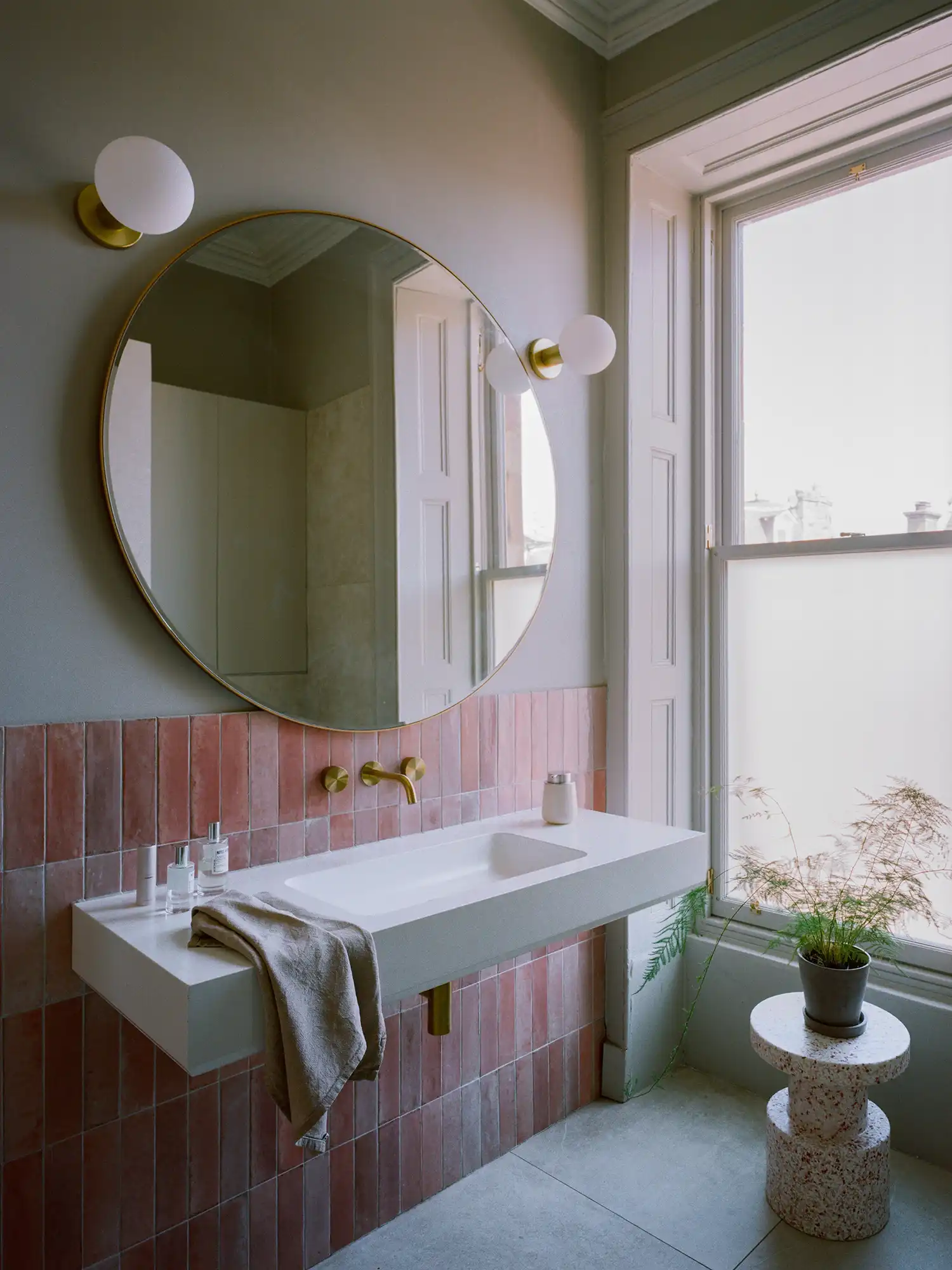
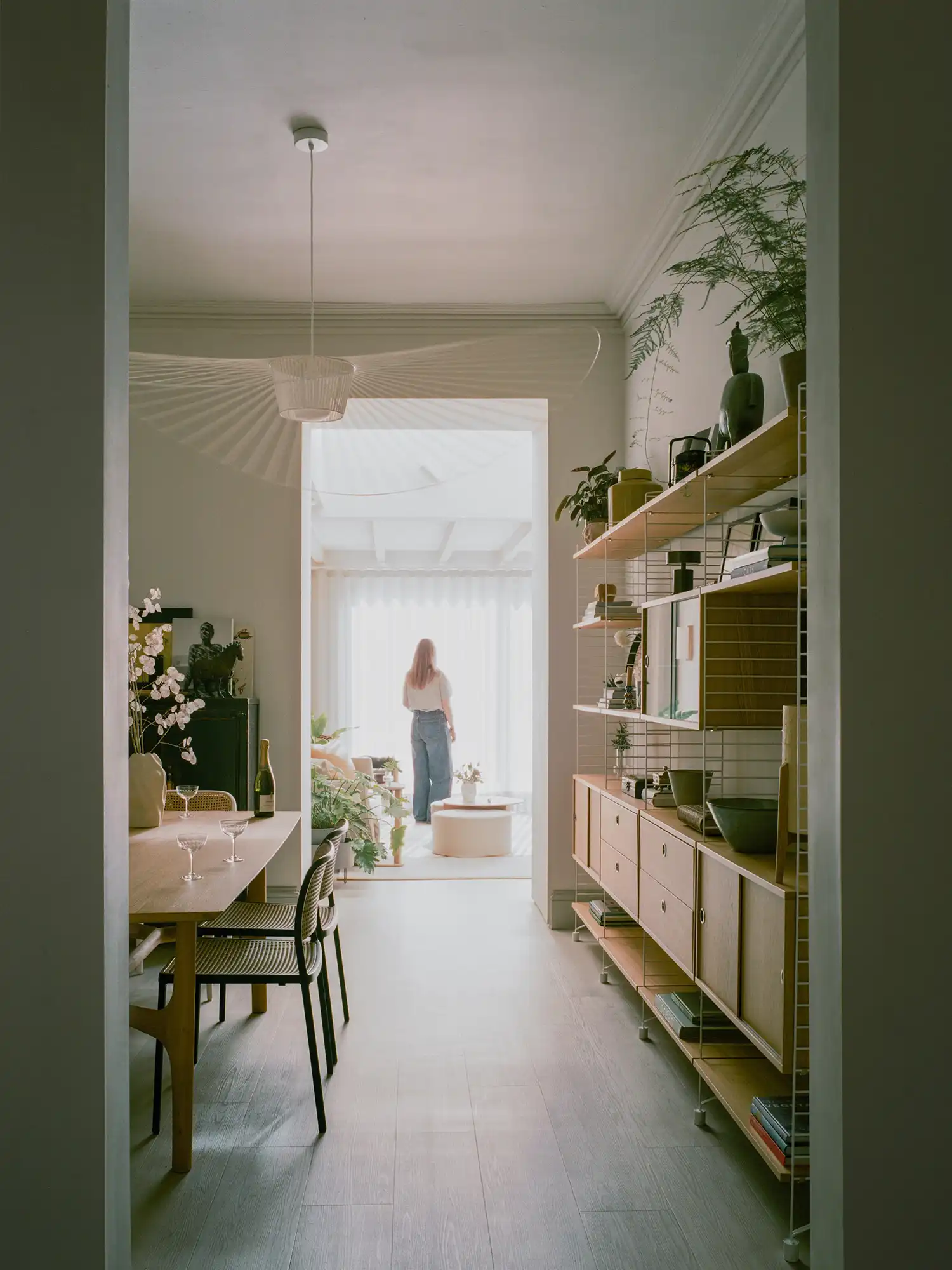
Upon entry, the home’s scale is immediately apparent. Pend introduced significant structural interventions, opening up the hallway to connect the two floors and creating wide, tall openings that establish uninterrupted sightlines from the front door through to the garden. The dining room, bathed in light from a rooflight, acts as a central pivot, bridging the kitchen at the front with the new lounge at the rear. Discreetly tucked away behind secret panelled doors in the lounge are crucial functional spaces: a utility room and a compact home office, demonstrating a thoughtful approach to storage that maintains aesthetic coherence.
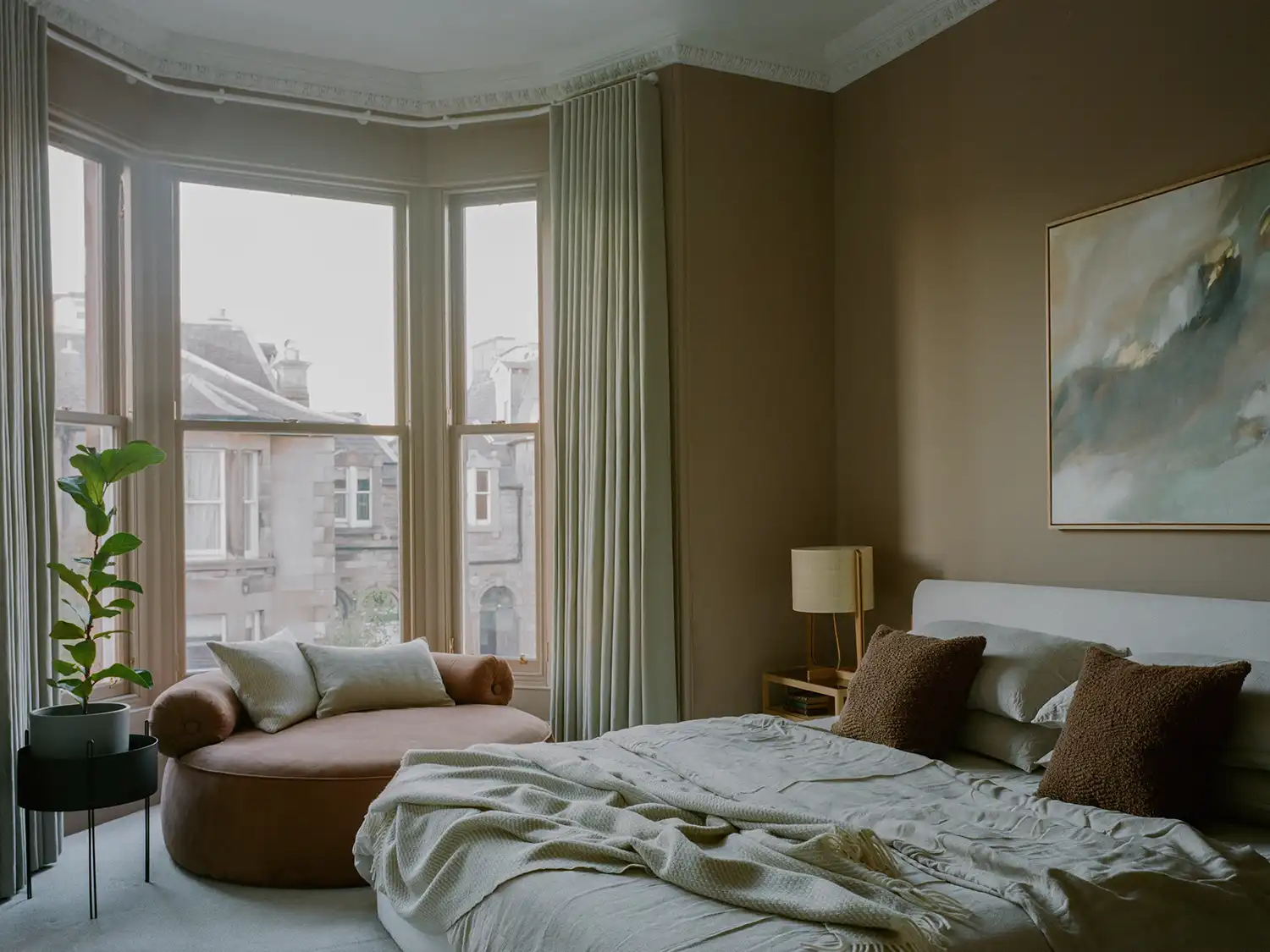
Recognising the need for intimacy within the open plan, Pend designed a TV snug as a private retreat. Decorated in a deep, luxurious green palette and separated by a heavy curtain, this deliberately internal room offers a calming counterpoint to the open, social areas. This attention to the rhythm of daily life and hosting is a hallmark of the design, with the kitchen, dining room, and lounge subtly leaning into each phase of gathering.

Catalog House organically expresses the design-led aesthetic of Catalog Interiors, with Dixie and Ralf’s curated selection of furniture and objects imbuing the space with a personal and sophisticated character. Rooted in Pend’s ethos of curiosity and respect for a building’s history, the project is a masterclass in sensitive intervention. The transformation not only meets the practical needs of a growing family but also elevates the home’s social potential, restoring a once-divided Victorian property into a beautifully cohesive and complete whole.