


In the realm of architecture, as in the theatre of human life, we are often led to believe in the necessity of artifice, of rigid form and imposed order. Yet, as we observe the Imagine Montessori School in Paterna, Spain, designed by Gradolí & Sanz Arquitectes, we are confronted with a different spectacle, one that whispers of a simpler, more natural truth.
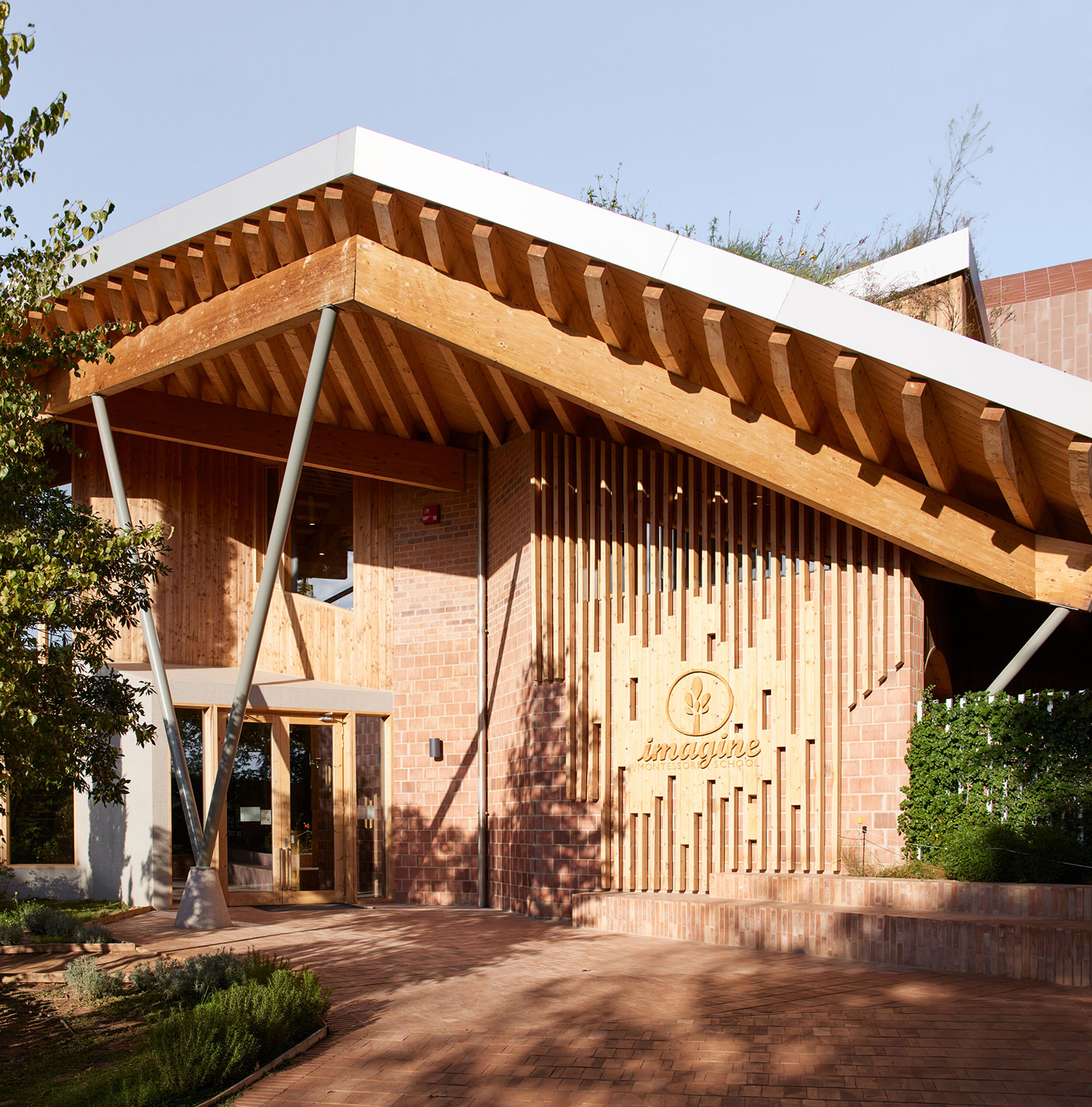
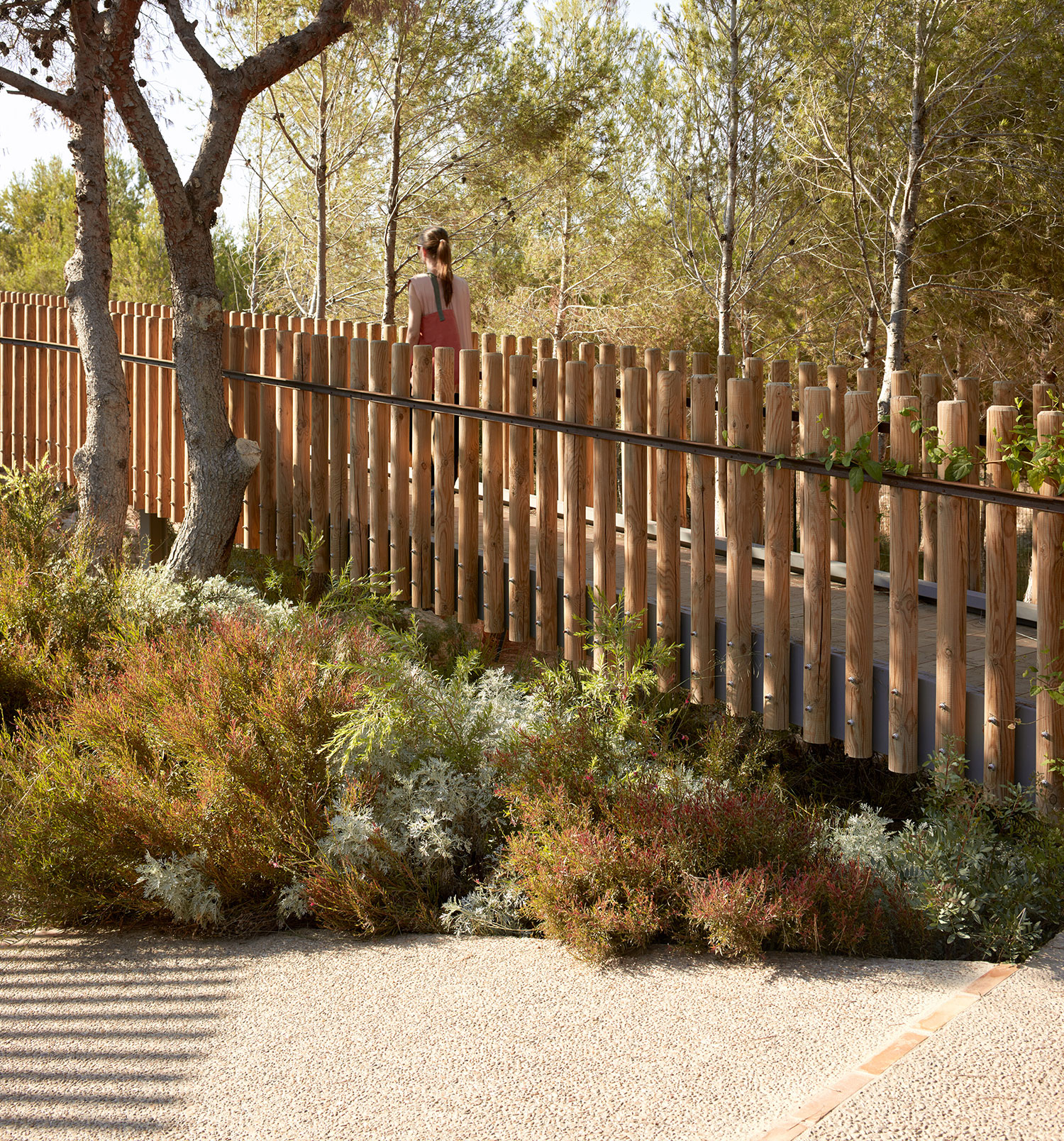
Here, the customary walls that divide and define are softened, yielding to a sinuous embrace of the landscape. The school, rather than asserting itself as a separate entity, becomes a conduit, a gentle passage from the structured world of residential dwellings to the untamed beauty of the En Dolça ravine. The very act of entering, a journey through a pine forest upon elevated wooden walkways, reminds us that transition need not be abrupt, but a gradual unfolding, a gentle persuasion of the senses.
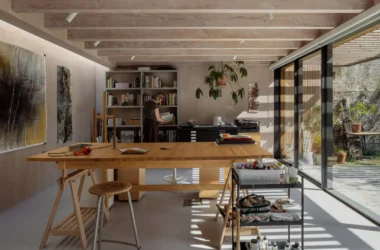
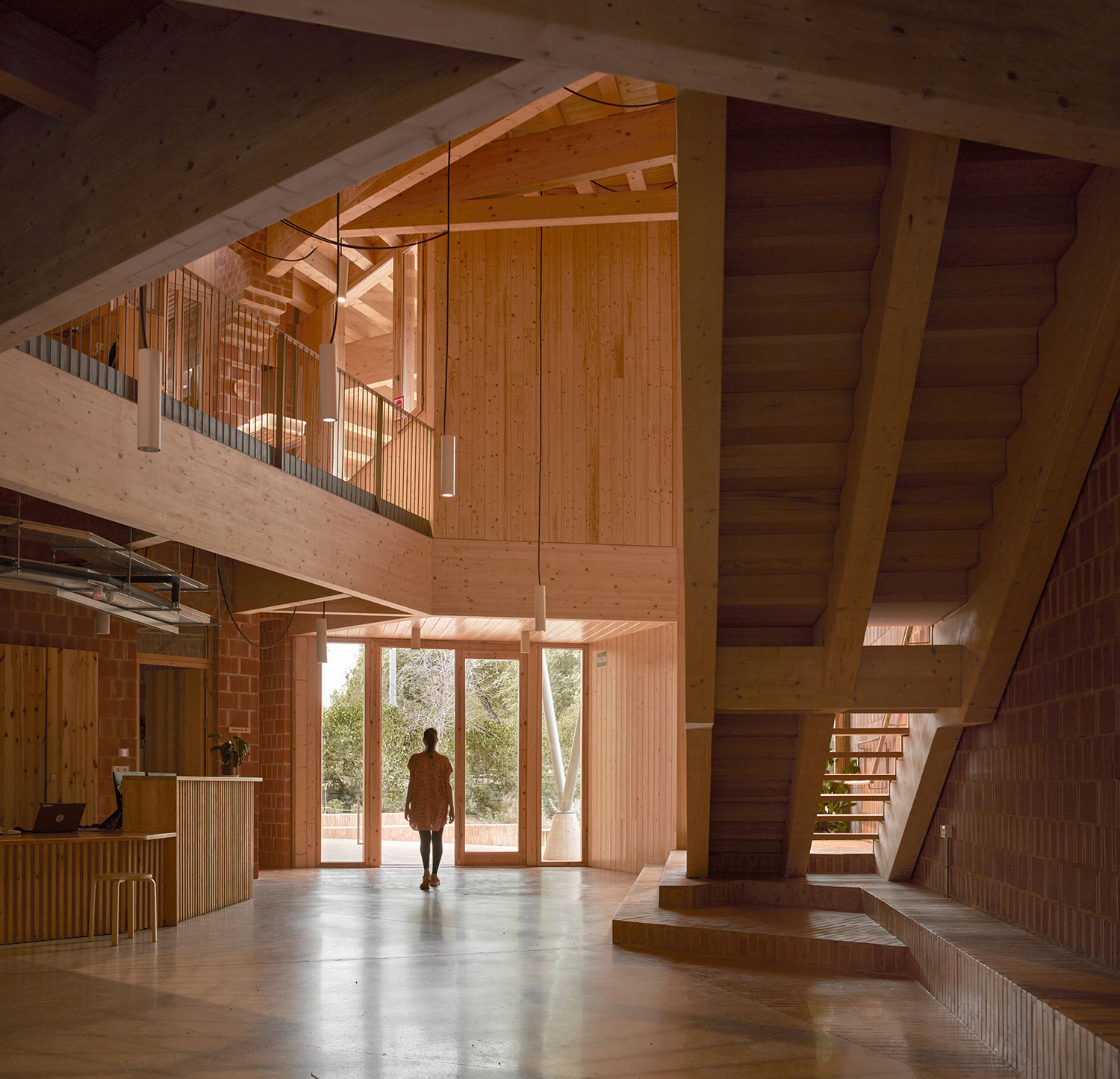
The interiors, bereft of the stern authority of a teacher’s desk or the stark pronouncements of a blackboard, invite a different form of learning. The landscape itself, with its trees, light, and earth, becomes the instructor. The arrangement of classrooms, segmented into sensory, practical, linguistic, mathematical, and cultural domains, allows for a freedom of movement, a liberty that echoes the natural world’s own fluid rhythms.
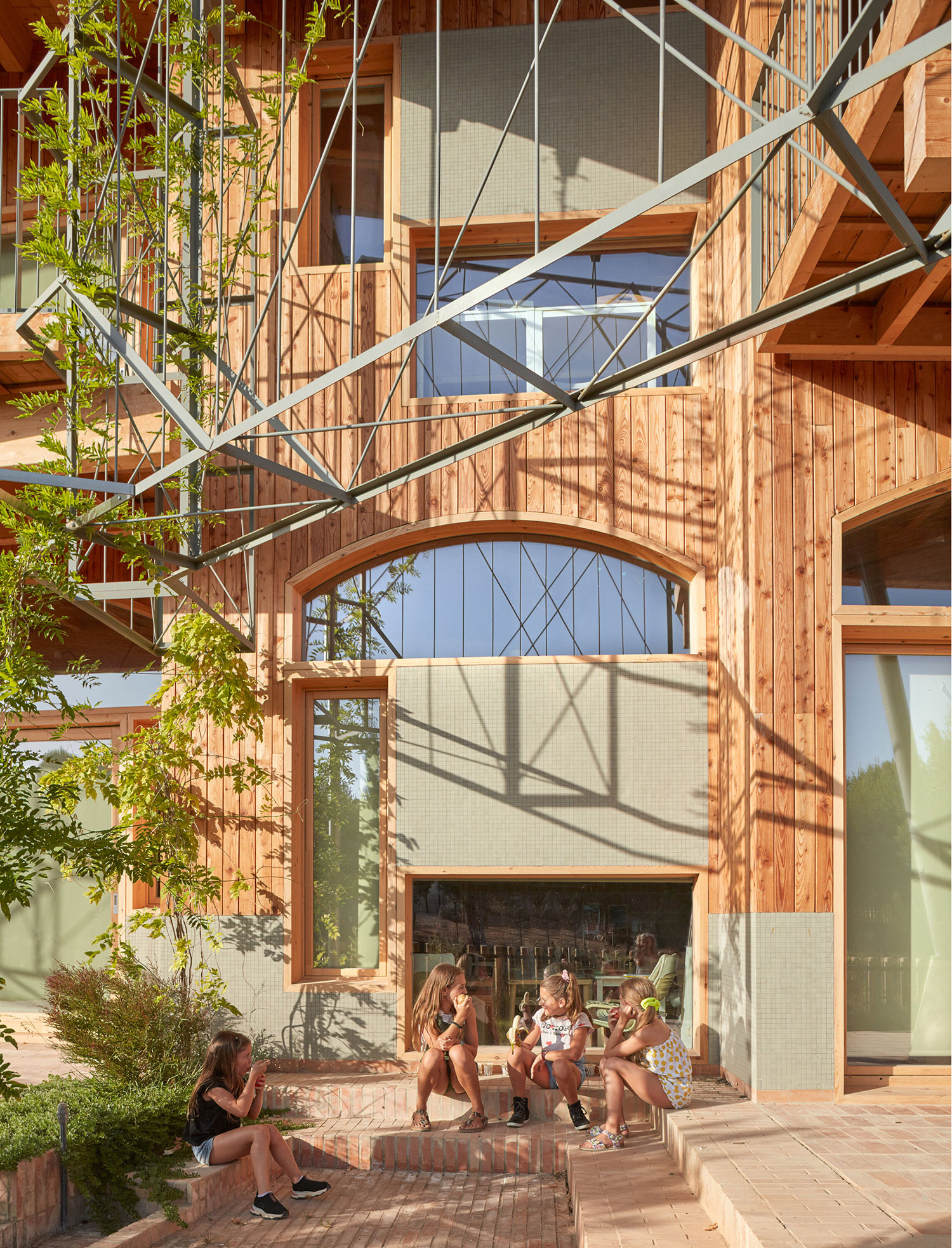
The scaled-down entrances, the low arches, and the hidden sanctuaries beneath stair landings speak to a profound understanding of childhood. These are spaces where the adult form feels incongruous, where the child reigns supreme, discovering the world at their own pace. The central solar chimney, a beacon of natural light and ventilation, reveals a commitment to transparency, a refusal to conceal the building’s inner workings.
The external spaces, far from being manicured gardens, are wild landscapes. Here, roots, branches, and the seasonal offerings of nature replace artificial constructs. The absence of traditional sports fields suggests a rejection of rigid competition, a preference for inclusive, peaceful interaction with the earth. The slopes, transformed into ramps, slides, and hideouts, invite exploration and play, while the ravine, during heavy rains, becomes a dynamic classroom, a stage for nature’s dramatic transformations.
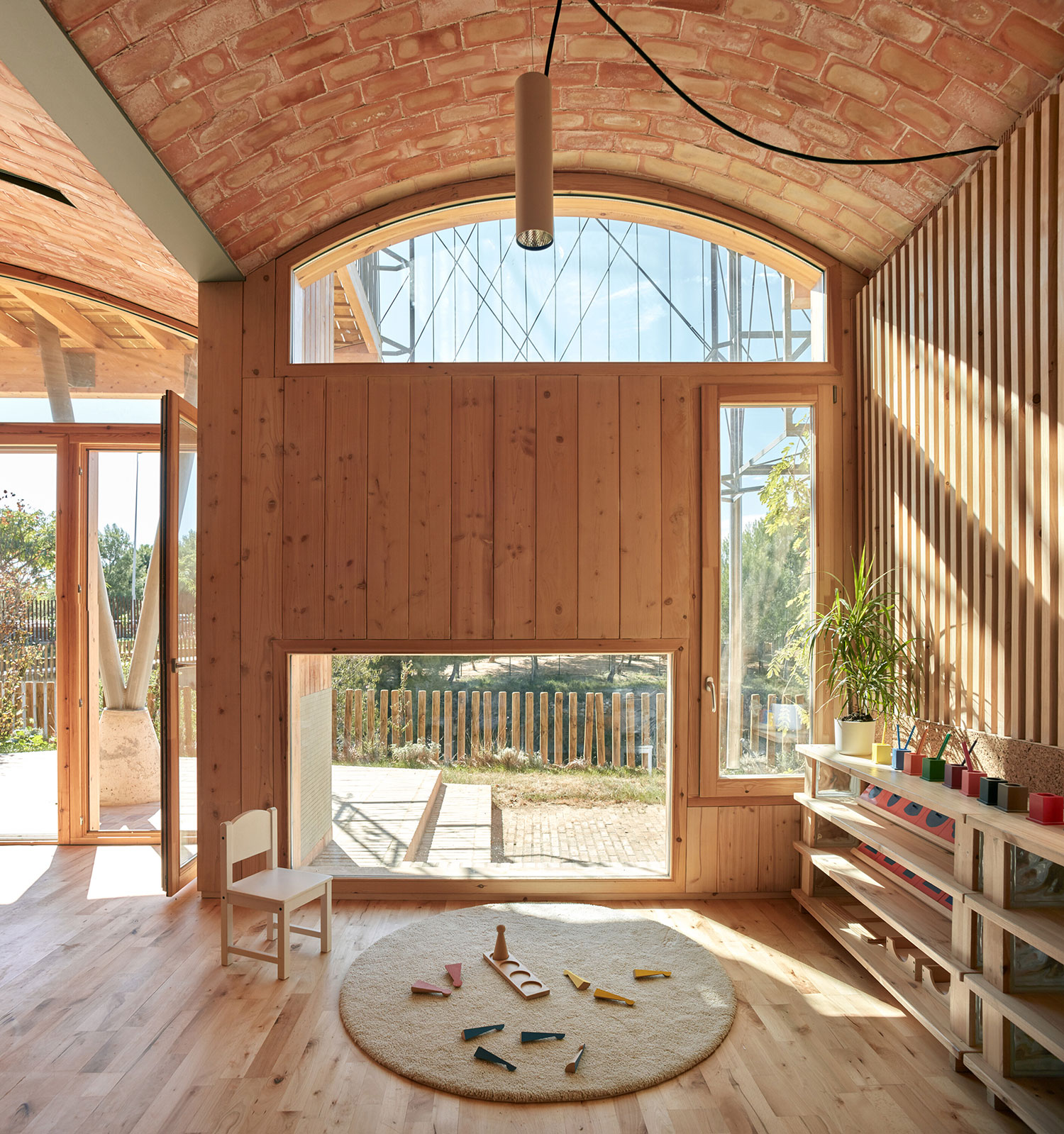
The materials employed—fired clay and wood—speak of permanence and honesty. The thick, load-bearing walls of perforated brick, the solid brick vaults, and the exposed wooden structures reveal a commitment to raw beauty, a rejection of superficial adornment. The visible mechanical and electrical systems, far from being unsightly, serve as educational tools, allowing students to trace the pathways of the school’s functioning.
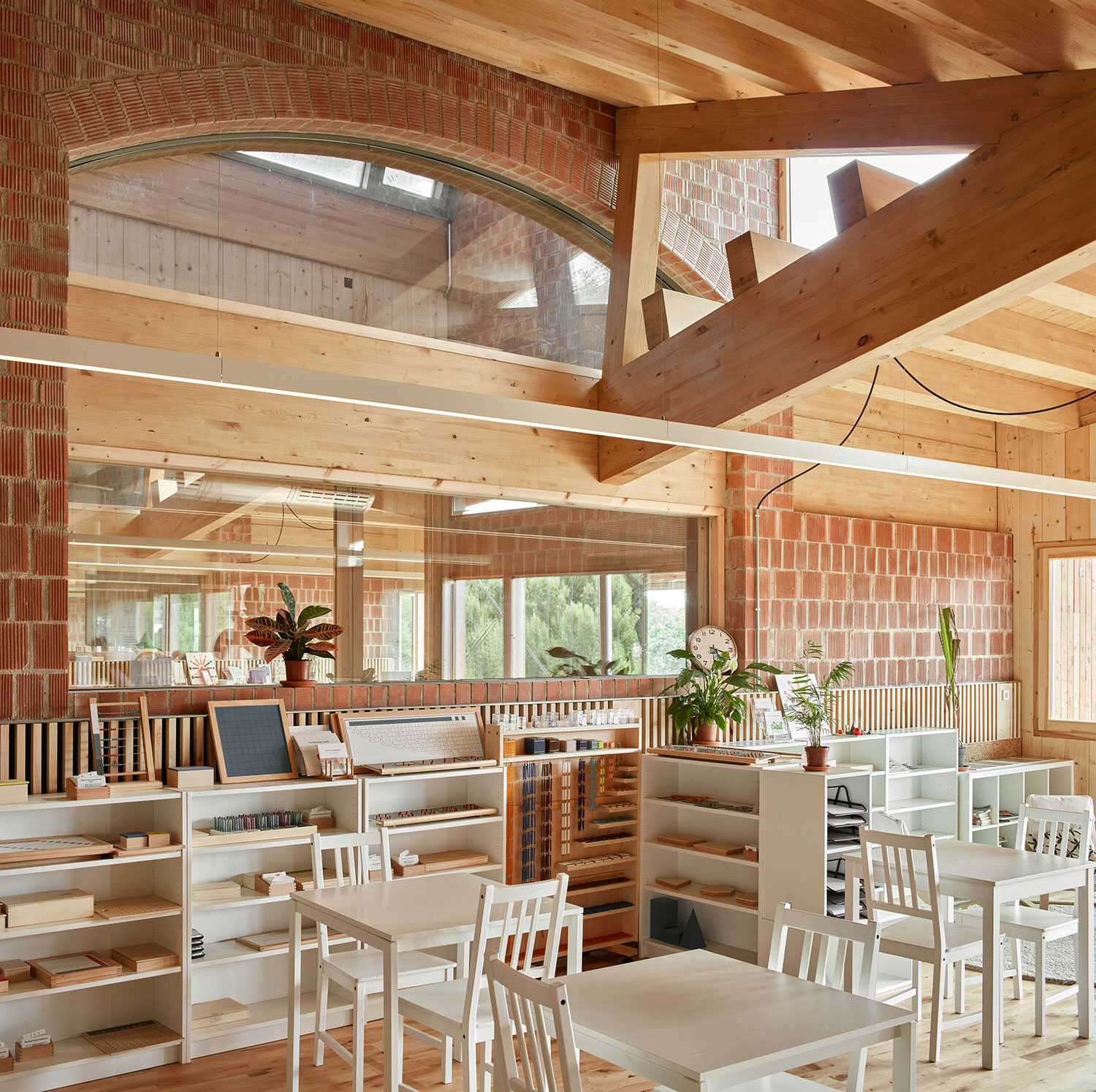
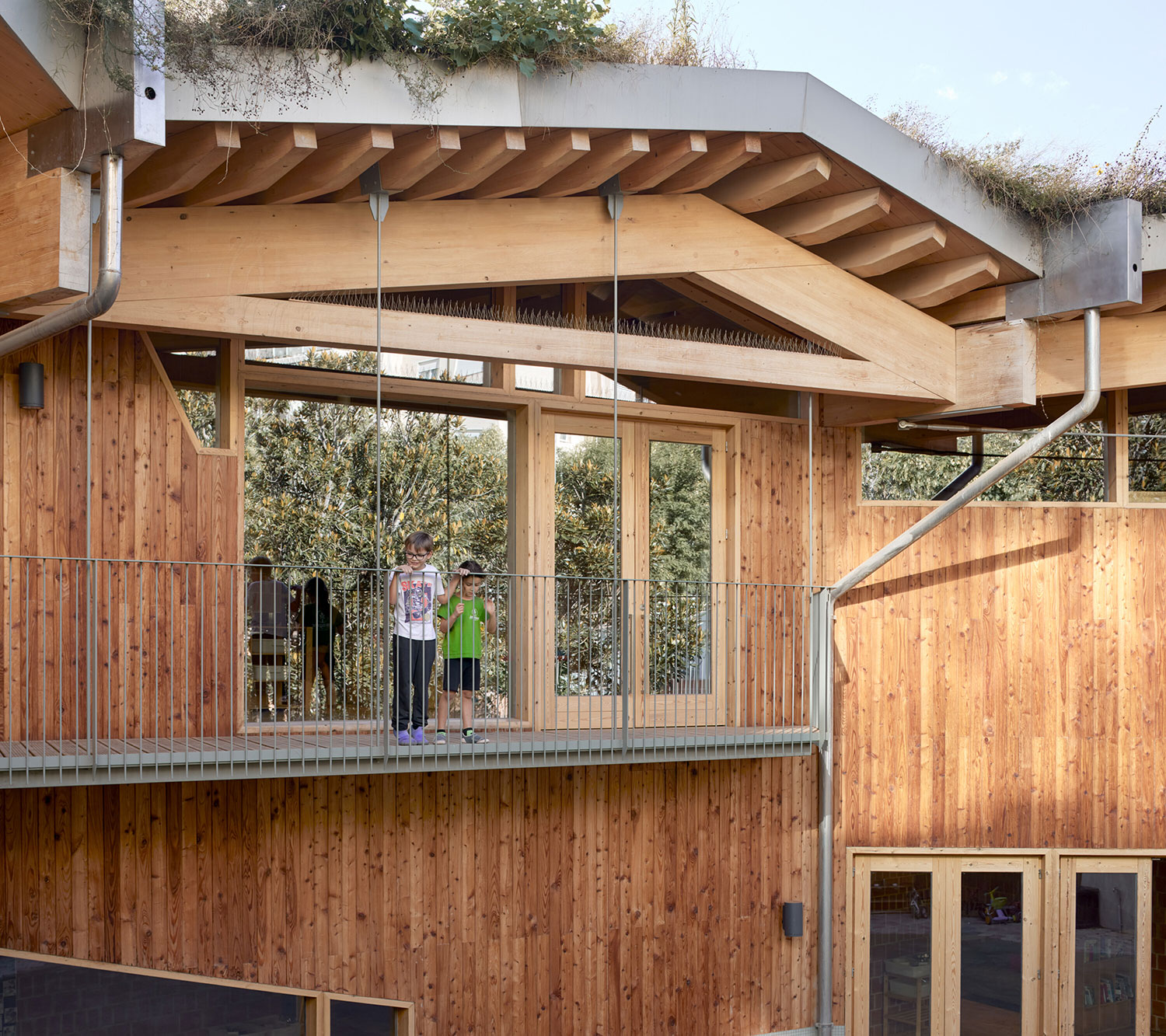
The rolling green roof, a living canopy, blurs the boundaries between architecture and landscape, allowing nature to reclaim its rightful place. In this school, the built environment does not dictate, but frames, a landscape of discovery. The school itself becomes an educational instrument, a testament to the idea that true learning arises from an intimate engagement with the natural world.
Thus, we are reminded that the pursuit of knowledge need not be a rigid, structured affair, but a gentle unfolding, a natural progression guided by observation and experience. The Imagine Montessori School, in its design and philosophy, offers a compelling vision of education, one that honors the innate curiosity of the child and the enduring wisdom of the natural world.