



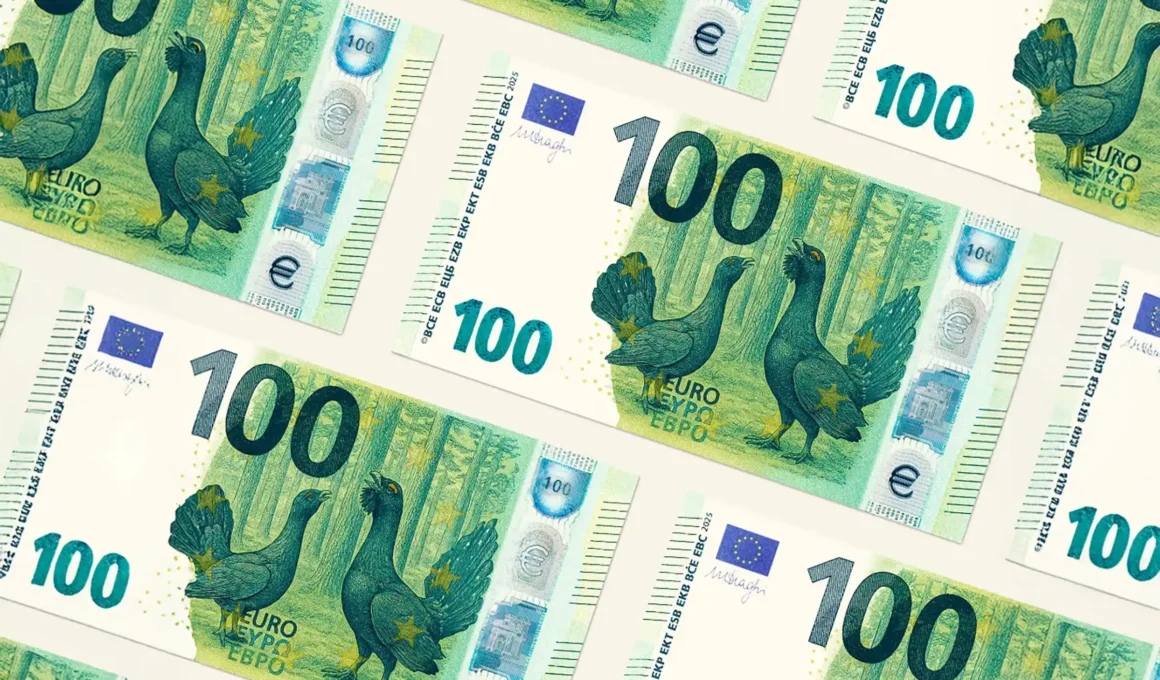
In an era where our connection to the natural world is demonstrably fraying, a bold initiative from a small Baltic nation is leveraging the power of design, finance, and activism to rewild our imaginations and our landscapes. While a recent study showed human connection to nature has declined by more than 60% in the past 200 years, Lithuania is defying the odds. Its latest endeavour? To place the rare and enigmatic birds of its ancient forests onto one of Europe’s most powerful symbols: the 100 euro note.
The opportunity arose with the European Central Bank’s public contest to design a new series of European banknotes. Seizing this unique platform, the Lithuanian non-profit Ancient Woods Foundation submitted an unofficial, visionary proposal. Their concept banknote shifts the focus from abstract architectural motifs to the living, breathing treasures of the continent’s ecosystems, specifically the critically endangered capercaillie bird and its captivating mating dance.
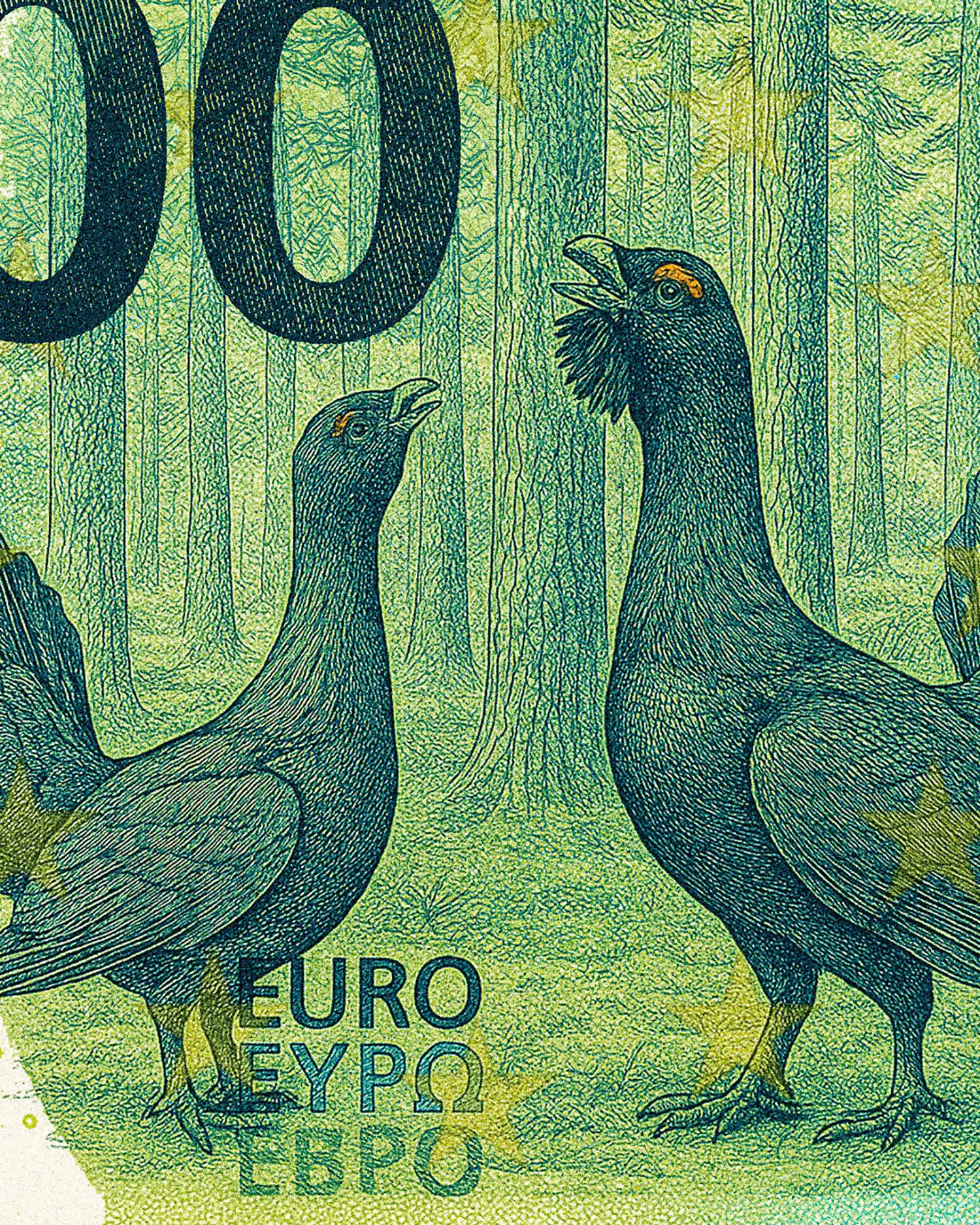
The proposed design is more than just beautiful currency design; it is a poignant statement. The denomination’s value mirrors the species’ precariousness—only a few hundred of these majestic birds remain in Lithuania. The foundation’s proposal argues that European banknotes should celebrate Europe’s natural, not just cultural, heritage. This creative approach aims to spark a continent-wide conversation about biodiversity and the urgent need to protect it, making forest conservation a topic held in every wallet.

This clever campaign is an extension of the Ancient Woods Foundation’s newly launched local initiative, ‘Neįkertamas miškas’ (translating to ‘Untouchable Property’). The project is a witty piece of conceptual juxtaposition, presenting biologically mature and valuable forest areas as coveted real-estate listings. However, this “property” has a unique covenant: all units will be owned exclusively by its ‘local’ residents—nature and all its life forms. The land, once purchased, will be granted permanent protection and left without human intervention to mature into pristine old-growth forests.
Launched in partnership with the Vilnius-based agency Synthesis CG, the initiative has a clear and ambitious goal: to raise 200 thousand euros throughout August to purchase and protect approximately 20 hectares of mature forests. The public response has been overwhelmingly positive, with the campaign having already raised over half of its target, demonstrating a powerful public appetite for tangible conservation efforts.
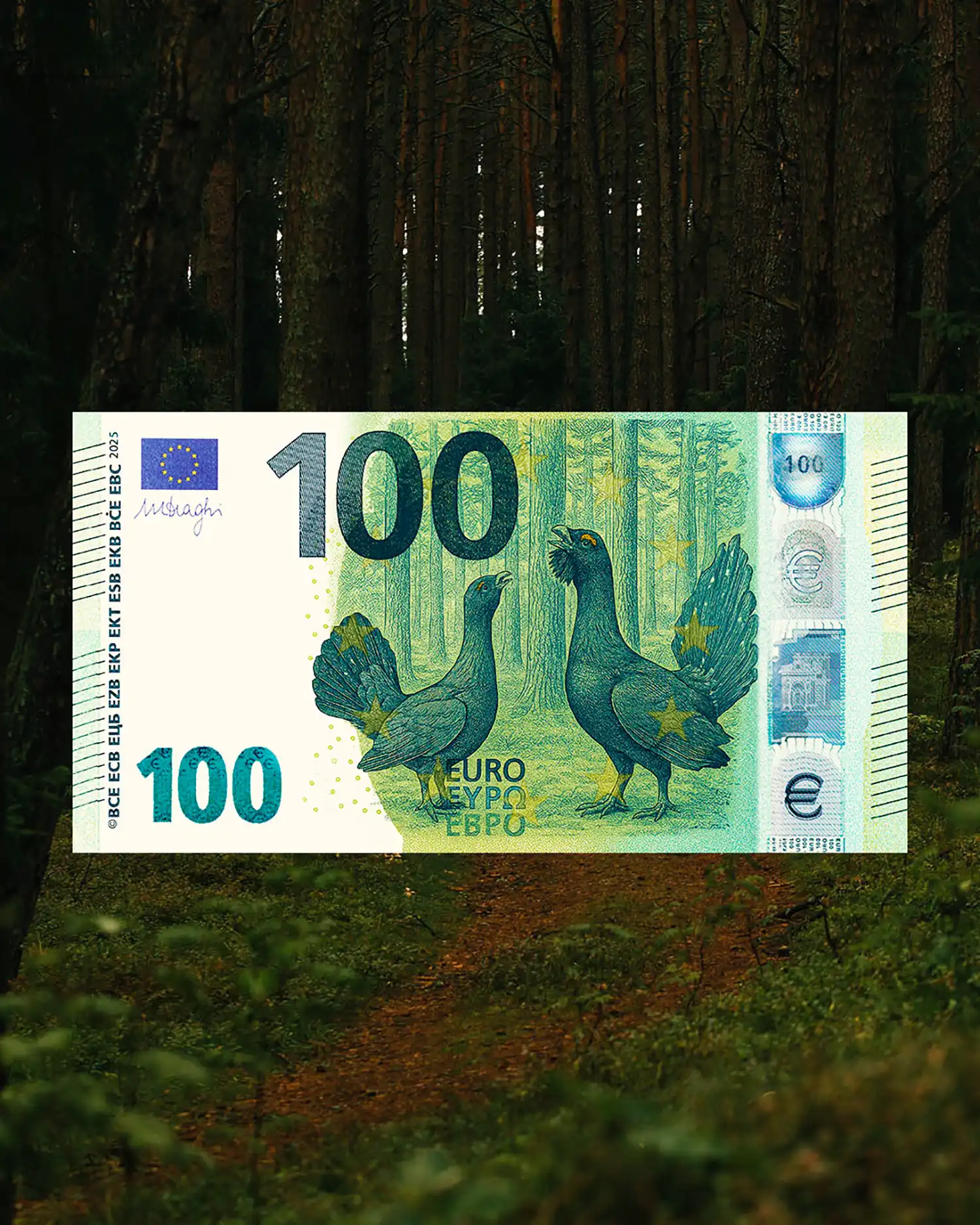
This multifaceted project from Lithuania demonstrates how creative activism can bridge the gap between ecological urgency and public engagement. By framing forest conservation within the familiar contexts of real estate and high finance, the Ancient Woods Foundation is not just raising funds; it is fostering a new cultural narrative. It proposes a future where value is measured not only in euros but in the survival of a species, the whisper of ancient trees, and the exotic dance of a bird in a protected grove—a vision truly worthy of being printed on Europe’s currency.