

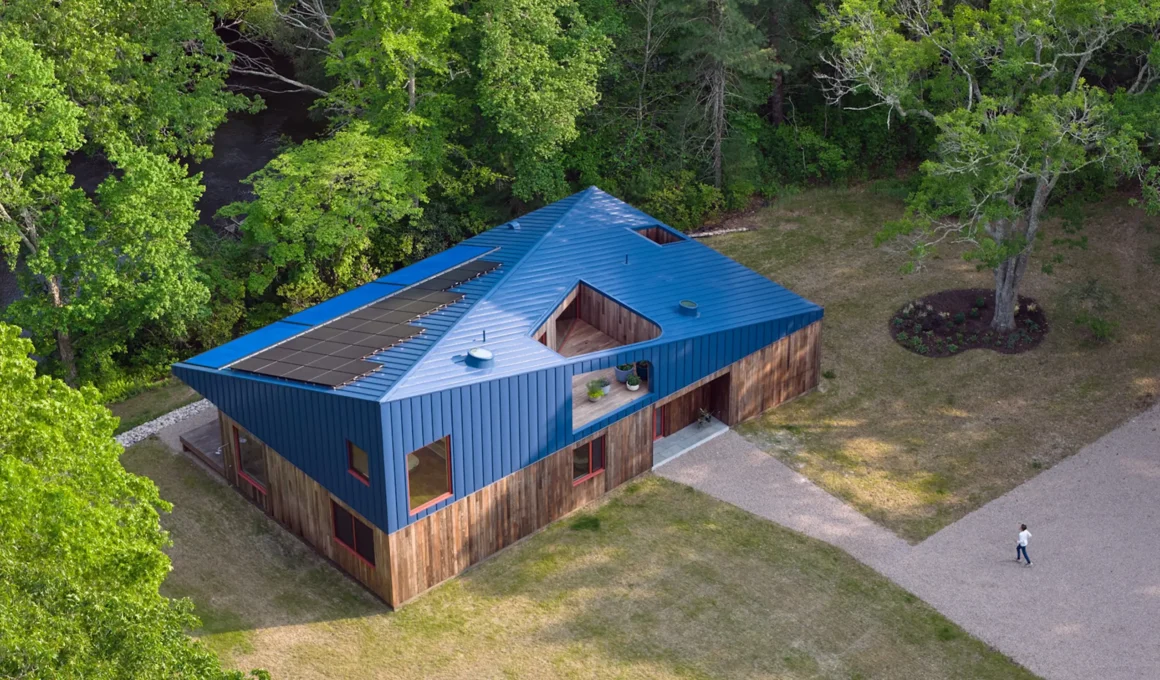
Set against the tranquil banks of the Pawcatuck River in Rhode Island, Riverhouse by WORKac is a masterful synthesis of ecological intelligence, tactile spatial invention, and personal narrative, acting as a functional prototype for contemporary rural living. This compact, net-zero passive house—designed by studio founders Amale Andraos and Dan Wood for their own family—transcends the typical definition of a rural retreat, offering instead a deliberate, high-performance setting for daily life and collaborative exchange.
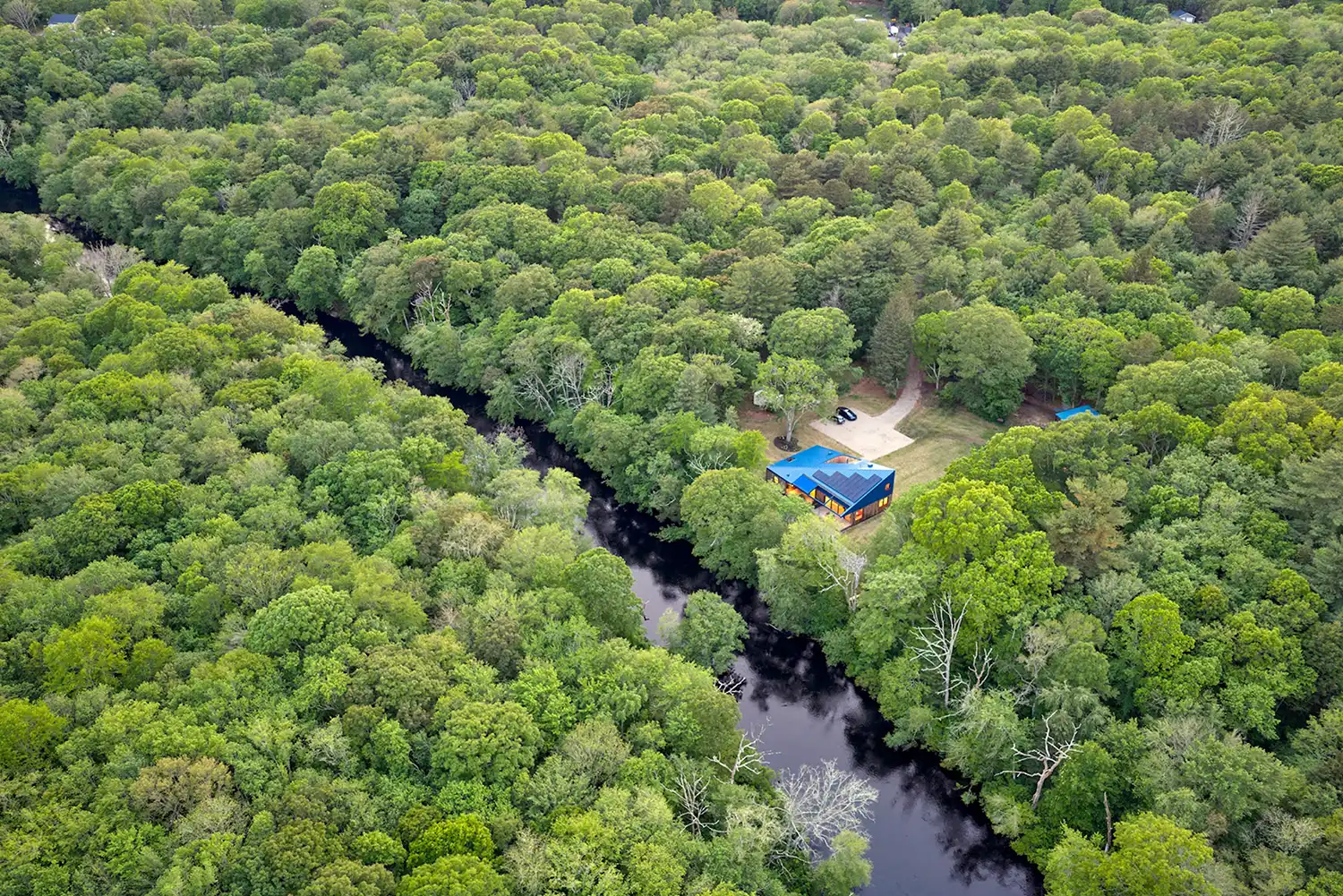
The project’s genesis lies in the abrupt shifts of 2020, yet its foundations were laid years prior. What began as a weather-beaten summer structure used for informal “architecture camps”—communal gatherings designed to foster dialogue among peers—eventually became a full-time residence. When the original structure could no longer withstand the elements, a new vision emerged: building on the existing footprint to honor the site’s history while embracing a more sustainable future. This evolution highlights a broader cultural move toward compact living and deeper engagement with place, shifting from fragmented, individualistic approaches to shared reflection.
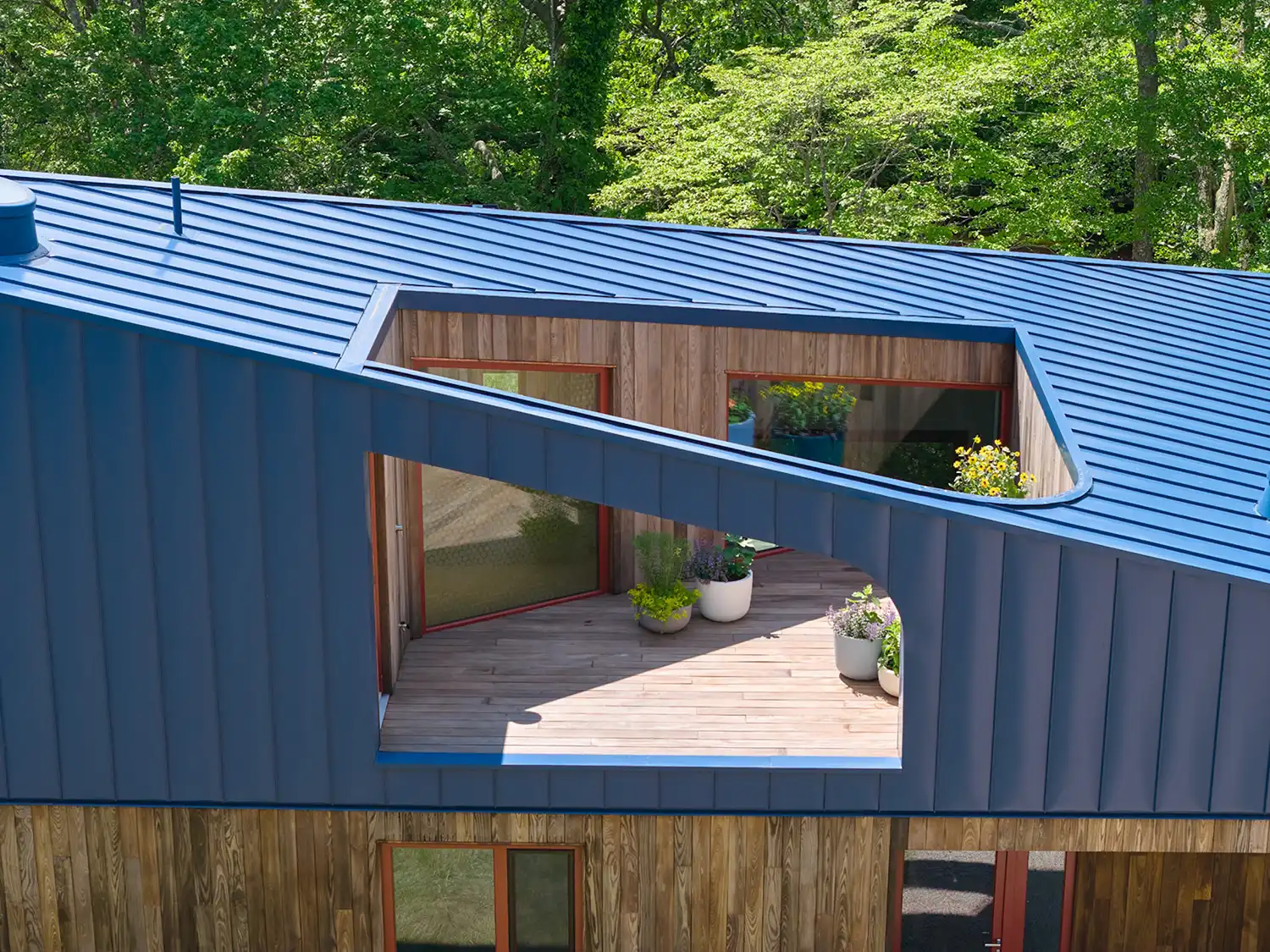
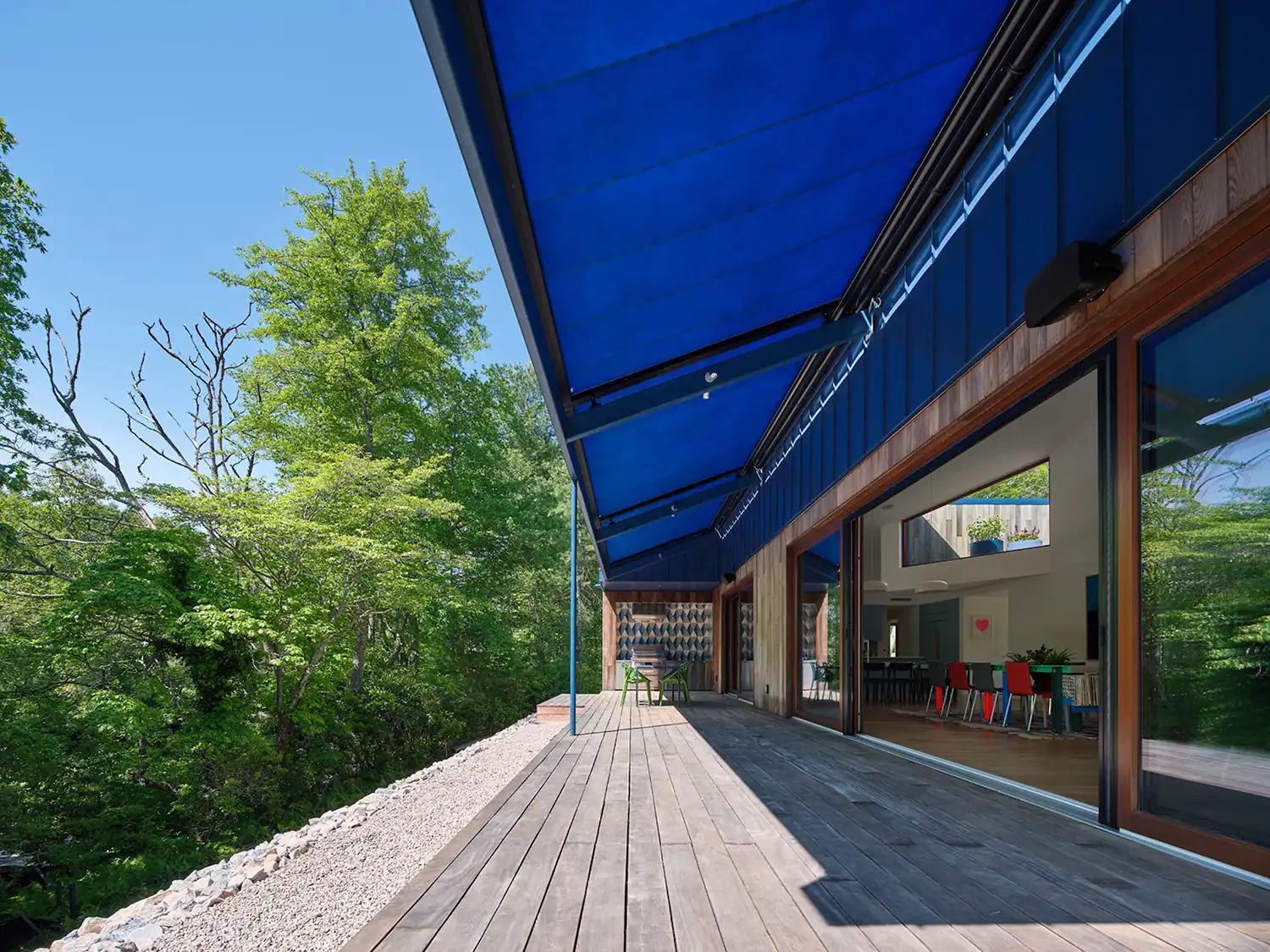
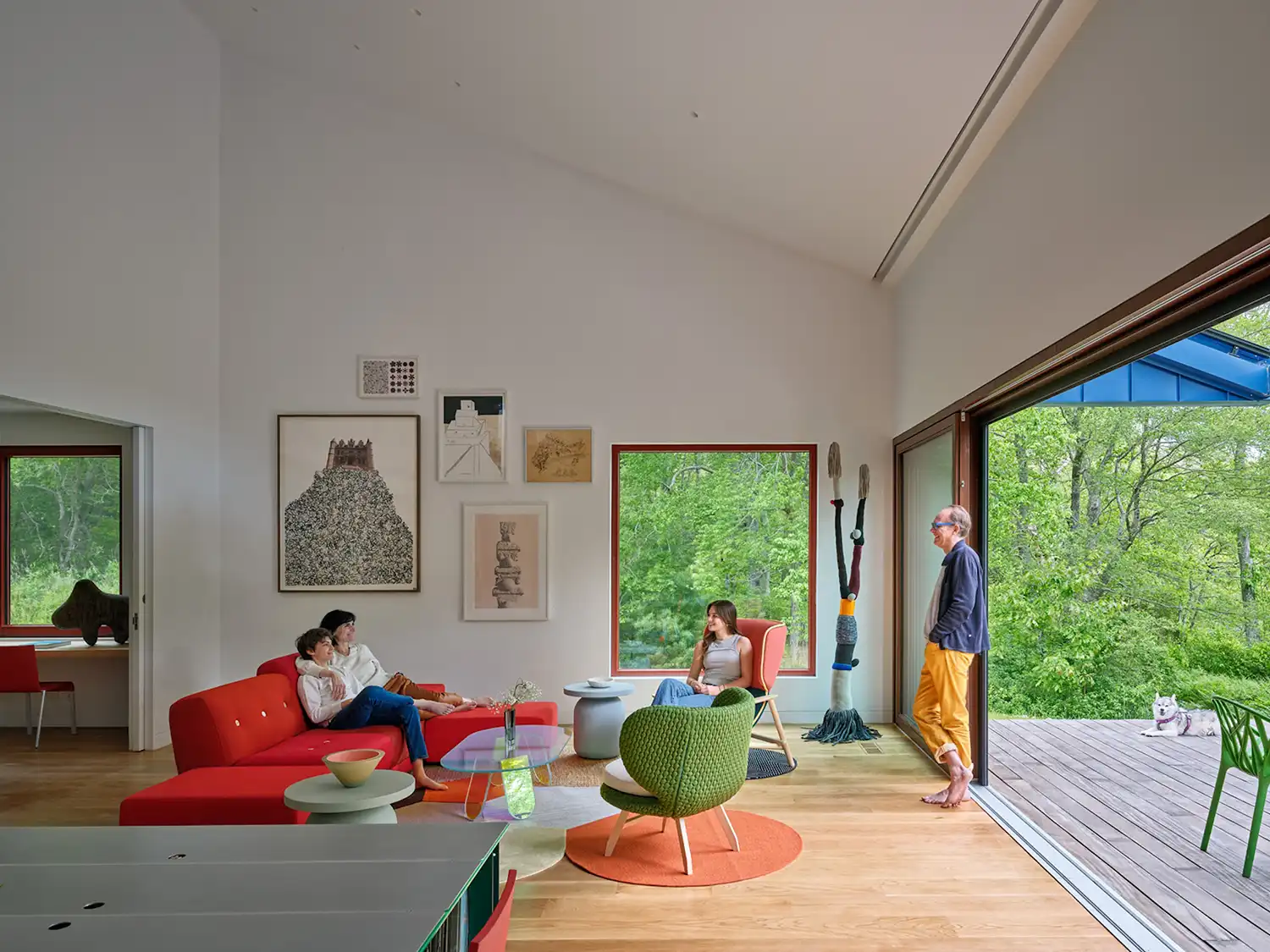
Technical precision defines the home’s envelope, which sits lightly on the land, elevated to meet floodplain requirements. Riverhouse achieves stringent Passive House standards through a meticulously engineered system of 14-inch insulated walls, triple-glazed windows, and a rooftop photovoltaic array with battery storage, allowing it to operate entirely on electricity with minimal impact. Far from being a sealed box, the structure navigates these requirements through clever spatial design, featuring an aperture that opens the majority of the main volume to a deck overlooking the river, ensuring a seamless connection between inside and out.
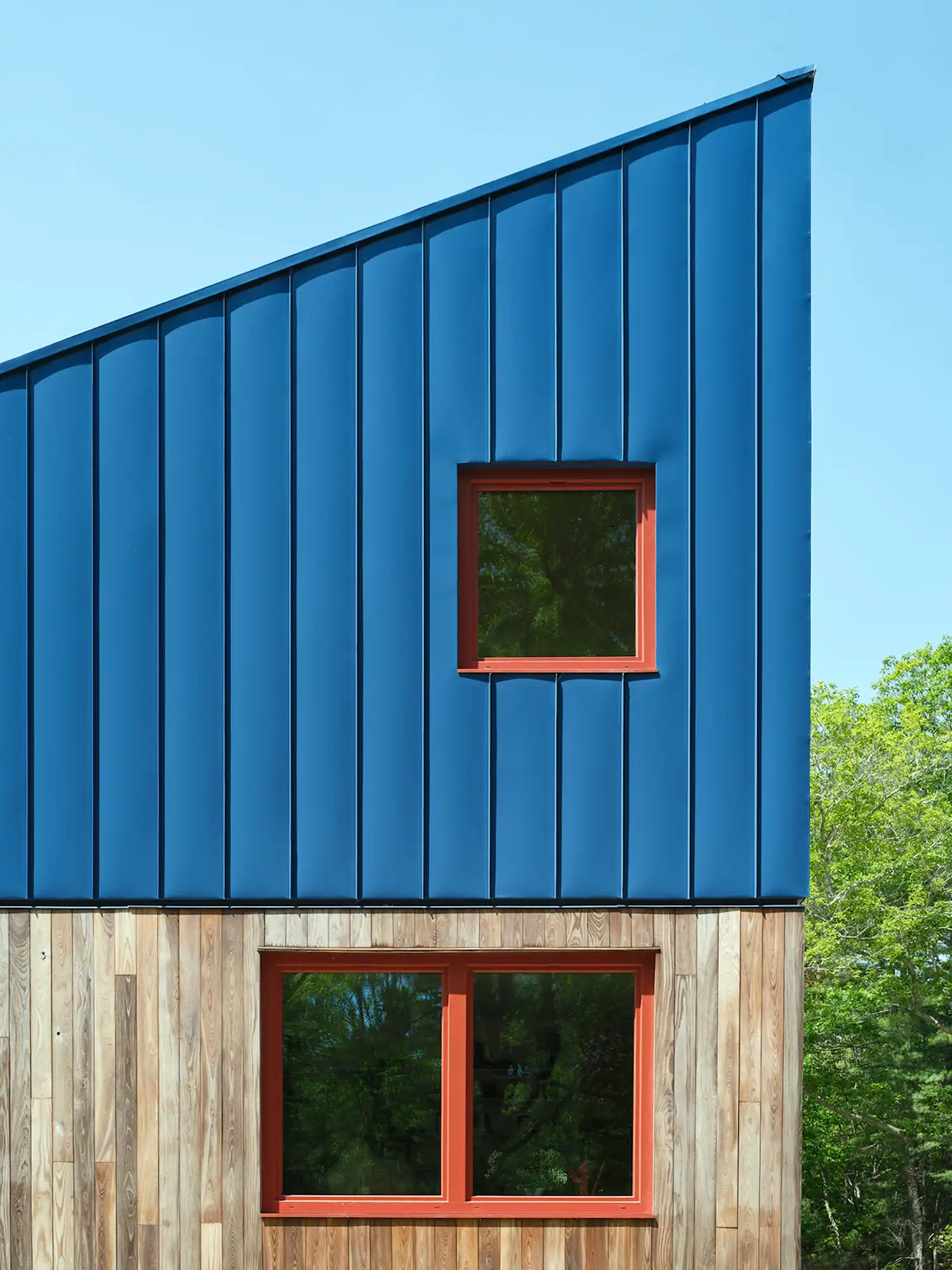
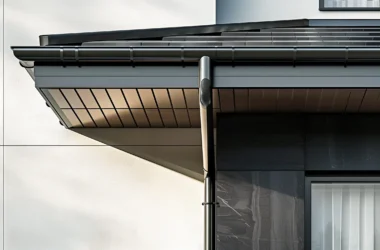
The unconventional profile of the house is the result of an iterative process involving numerous physical models. A striking blue metal roof folds down over the tallest portions of the façades, echoing the color of the sky and creating a dramatic diagonal ridgeline. This geometry not only dictates the home’s distinctive aesthetic but also functionally allows for a mezzanine bedroom and bath, maximizing usable space within a minimal footprint. The visual stability of the rectangular plan is balanced by these sculptural shifts, offering a dynamic interaction with the surrounding landscape.
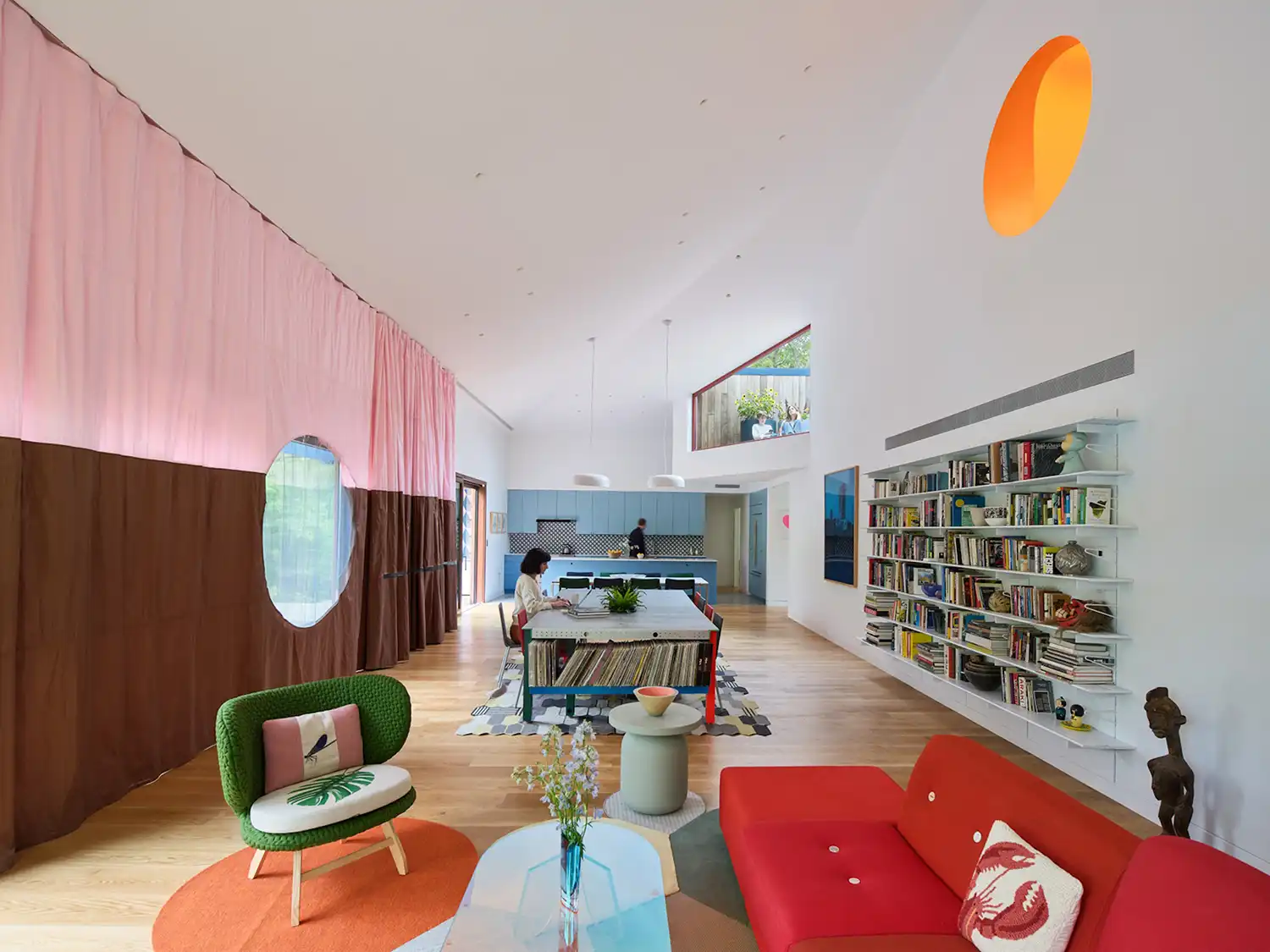
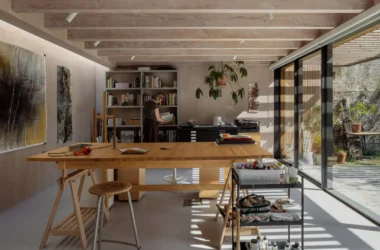
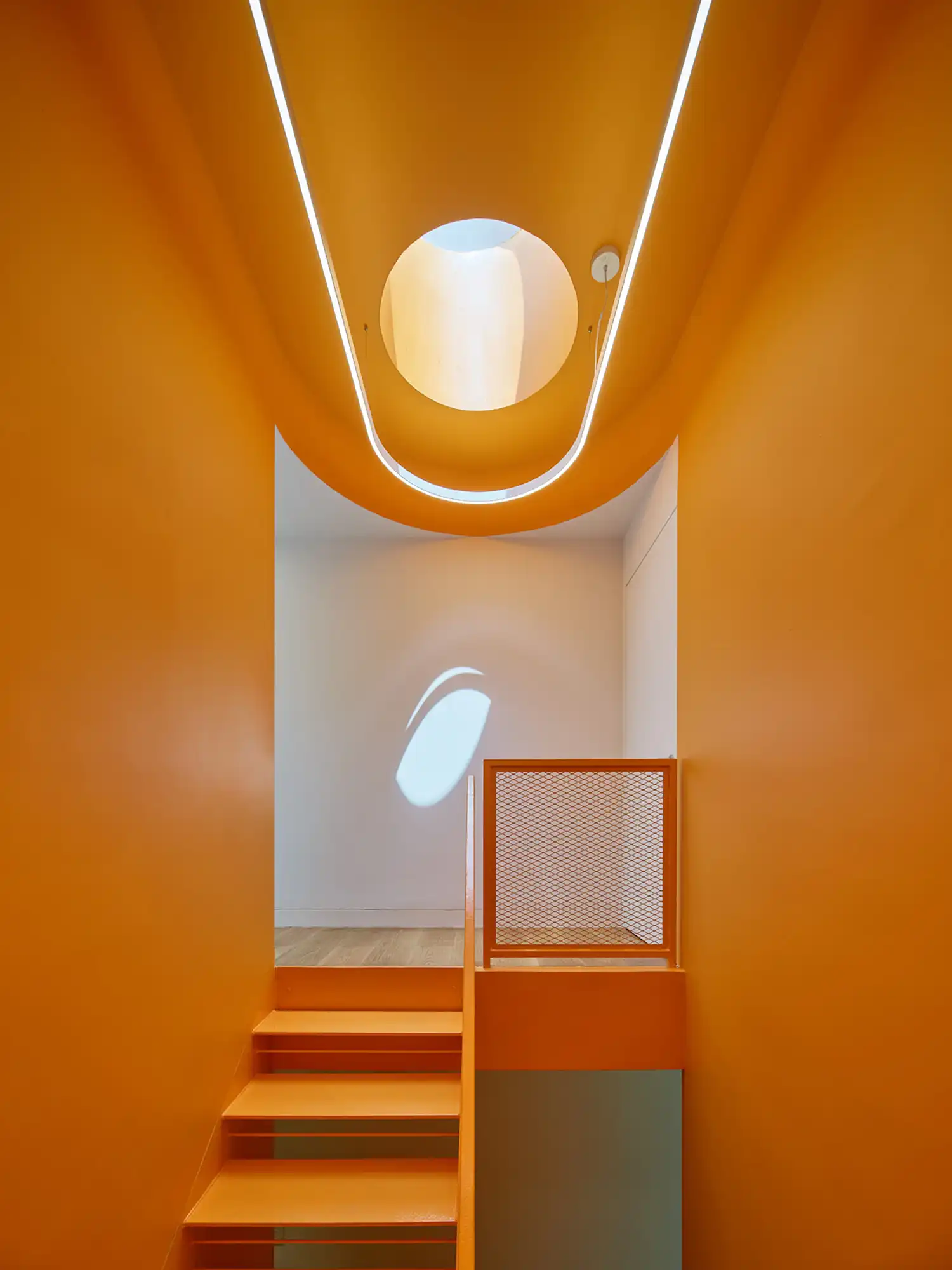
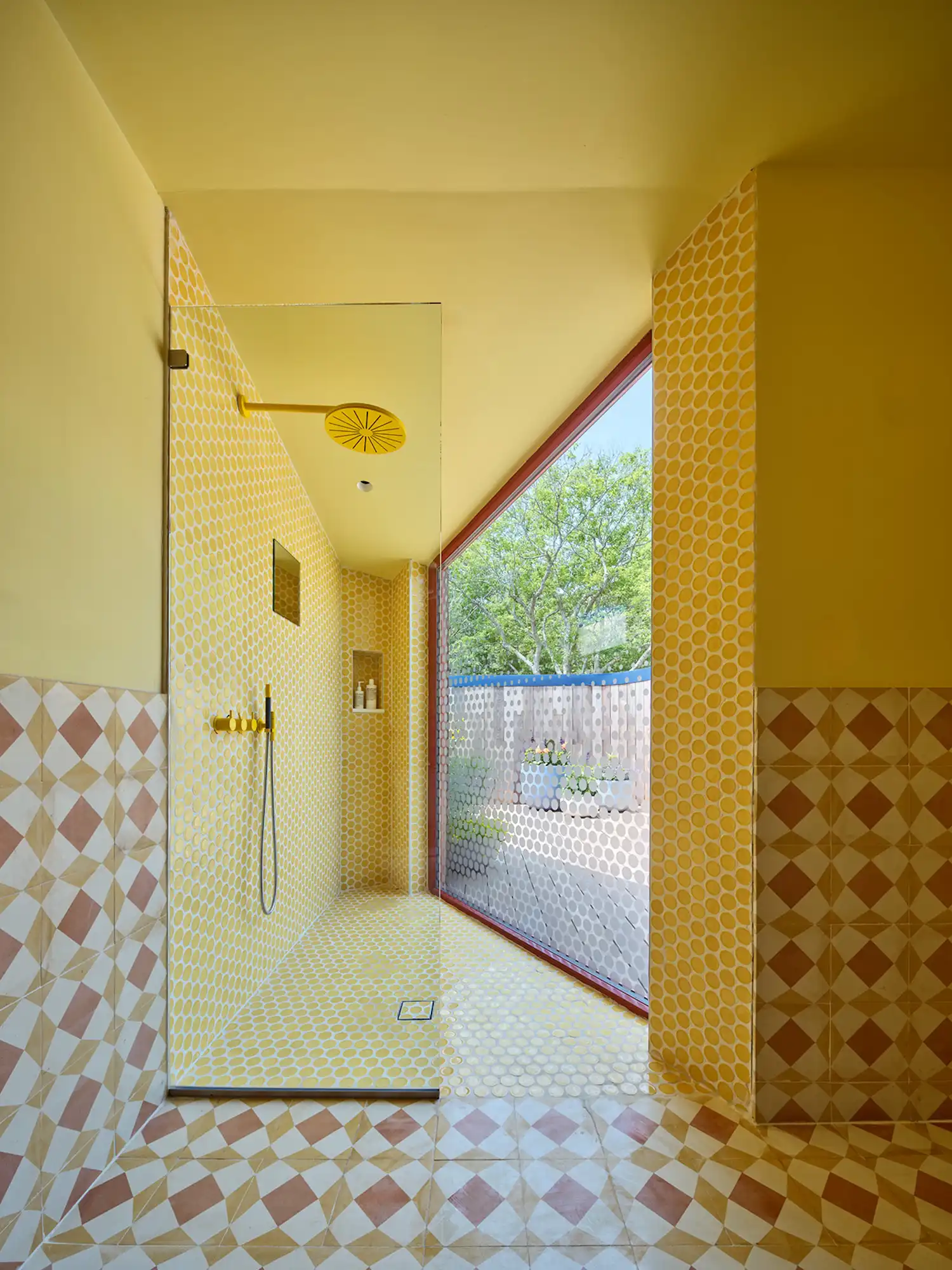
Tactile materials define the interior experience, curated for both their environmental performance and sensory appeal. Unfinished plywood clads select interior volumes, providing a warm, neutral backdrop that contrasts with vibrant “flower pot” colored window frames that punctuate the rooms. The layout is optimized for both daily functioning and entertaining, with raised ceilings and carefully sized rooms fostering a sense of generosity. Every element is refined to reduce visual clutter, emphasizing spatial clarity and allowing natural light to become a primary material within the home.
The house functions as a living platform for collaboration, with friends and colleagues contributing to its conceptual and physical fabric. A large dining table by MOS Architects animates the central gathering space, while dramatic curtains designed by Petra Blaisse explore the dynamic interplay of light and privacy throughout the seasons. The project’s materiality is further enriched by traditional Lebanese tiles sourced through a close friend, adding texture and color that reflect the architects’ heritage.
Construction was a deeply personal endeavor, taking longer than expected due to a modest budget and a commitment to quality. Local contractors worked alongside a longtime friend from New York who completed the interiors while camping on-site, fishing from the river, and becoming part of the home’s evolving story. This unconventional construction process underscores the project’s ethos: that sustainable construction is as much about human relationships and care as it is about energy efficiency.
Situated in a state-protected river corridor, Riverhouse resists the notion of total retreat. Instead, it acts as a site of conversation and generative act. The design maintains a strong connection to its context, with windows strategically placed to encourage cross-ventilation and frame views of the vibrant foliage. The ecological adaptation is evident not only in its energy systems but in how it invites the environment—and community—inside.
Riverhouse aligns with a long lineage of experimental homes where architect-designers test ideas through lived experience. It addresses the intertwined urgencies of climate change and evolving notions of family and labor. A second phase is currently underway, introducing a pavilion and garden designed to host future architecture camps, ensuring the house remains an evolving space for dialogue and exchange, deeply connected to its environment and open to the future.