


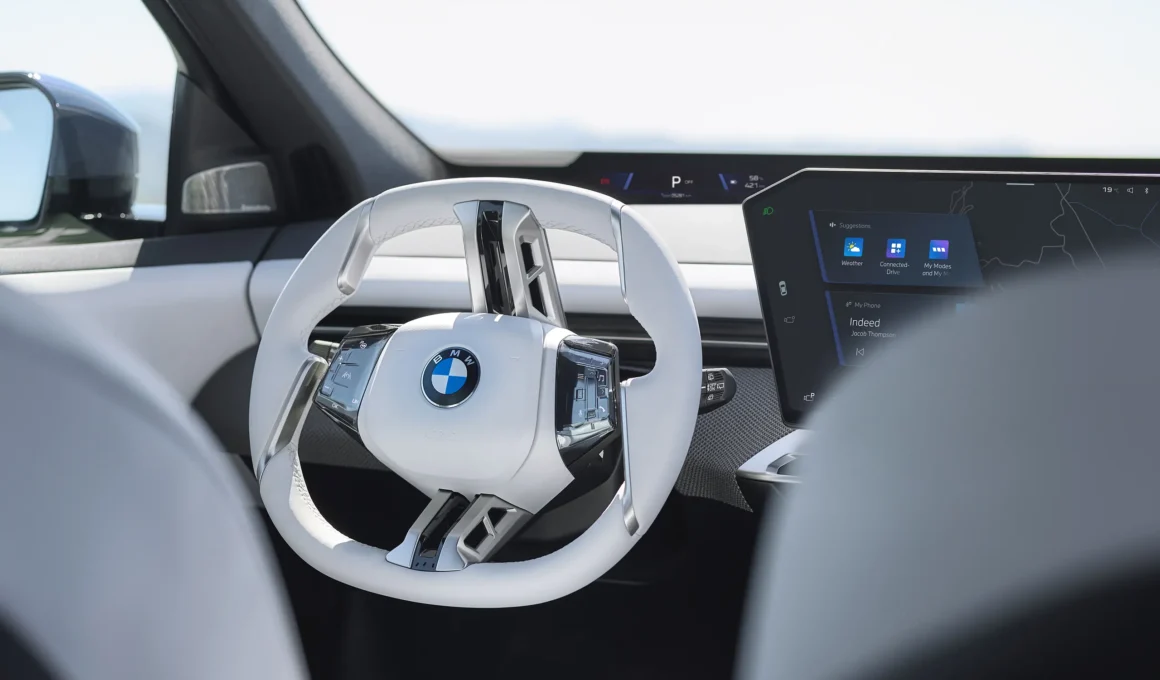
The new BMW iX3, the first production model of the “Neue Klasse” era, officially marks a radical departure from traditional automotive interiors by replacing the conventional instrument cluster with a revolutionary dash-spanning digital interface.
The automotive world is currently witnessing one of the most significant shifts in interior design history. With the 2026 BMW iX3, the Munich-based automaker is not merely launching another electric SUV, but debuting a completely new philosophy defined as “Shy Tech”. This approach ensures that advanced technology remains invisible until specifically required, creating a warm and uncluttered environment that feels more akin to a contemporary living room than a technical cockpit.
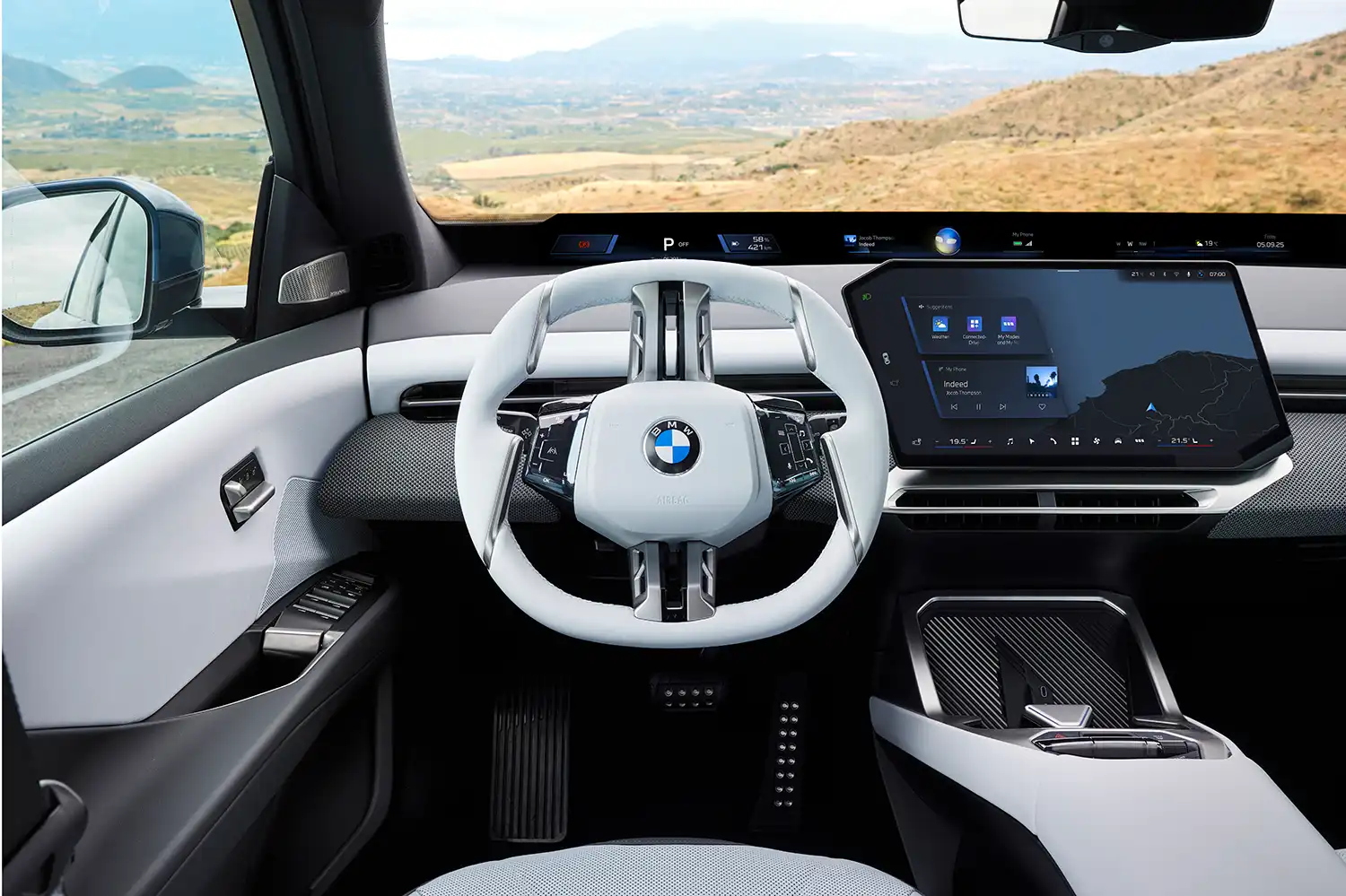
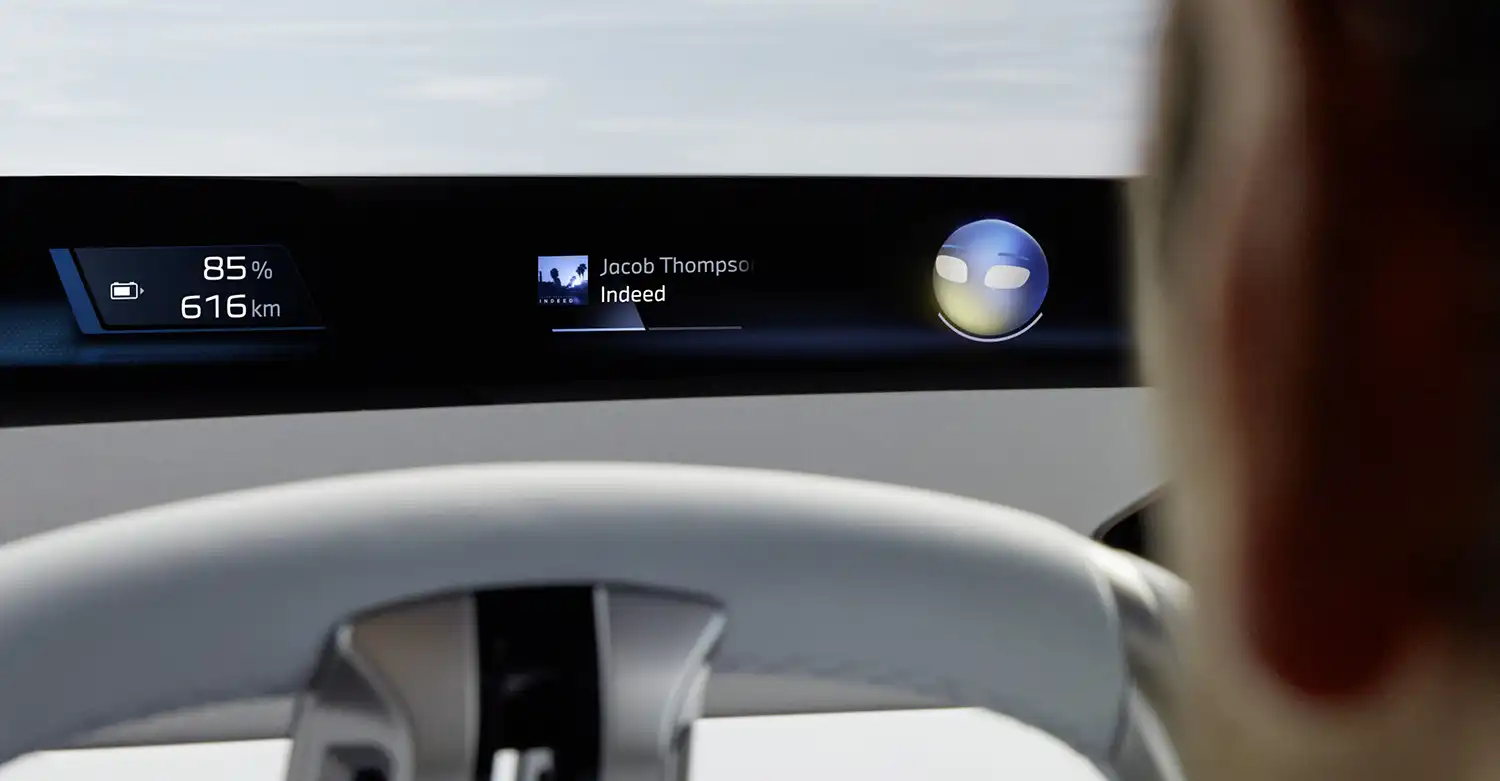
The centerpiece of this revolution is the BMW Panoramic Vision, which fundamentally reimagines how data is presented to the driver. Unlike traditional screens that sit atop the dashboard, this system utilizes a dark-coated area at the lower edge of the windshield to project information across the entire width of the A-pillars. By spanning the full width of the glass, the digital interface allows both the driver and the passenger to interact with data simultaneously. More importantly, it places crucial driving information directly in the driver’s line of sight, effectively eliminating the need for a standard instrument cluster behind the steering wheel and ensuring that the driver’s focus remains entirely on the road.
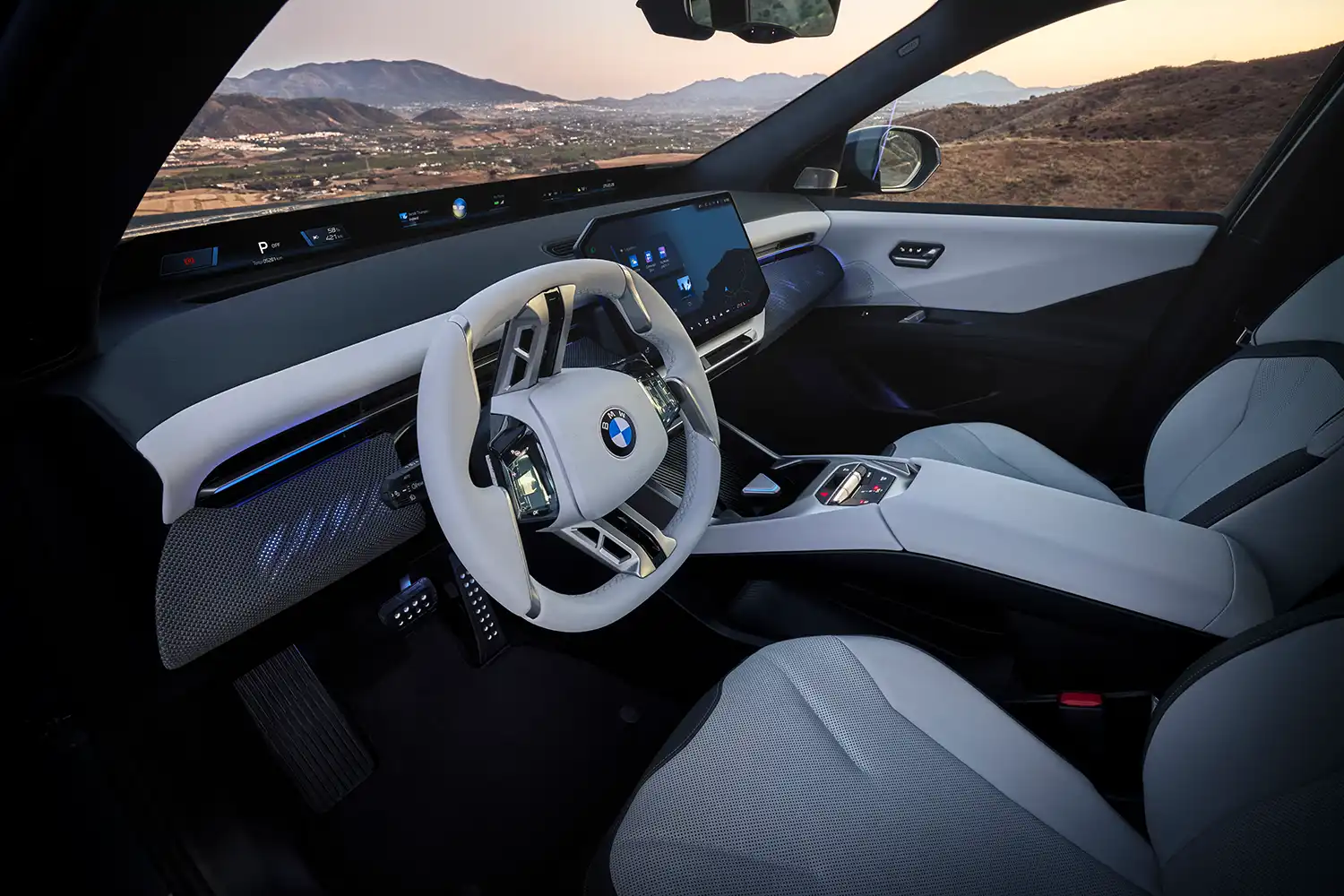
BMW’s approach is part of a broader industry-wide debate regarding the nature of human-machine interaction in the age of autonomous driving and electric mobility. While Munich opts for windshield projection to “dematerialize” the interface, other manufacturers are exploring different extremes. For instance, the Lucid Lunar Robotaxi concept envisions a lounge-like space where traditional driving controls disappear entirely, leaning into a future of mobile living rooms.Conversely, the Volvo EX60 maintains a more structured, Scandinavian human-centric design, prioritizing a clear balance between digital feedback and physical safety over total digital immersion.
A different kind of sophistication is emerging in the luxury car segment, where the digital is often secondary to the material. The design language adopted by Sir Jony Ive and LoveFrom for the Ferrari Luce emphasizes a tactile, almost sacred quality where technology is whispered rather than shouted. This stands in stark contrast to the high-tech, screen-forward logic of German manufacturers. Even within Germany, philosophies vary; the Porsche Cayenne Electric utilizes a folded-display cockpit that flows around the driver to maintain a driver-centric, high-resolution physical presence,whereas the iX3 seeks to push the interface literally into the glass for a more integrated, seamless aesthetic.
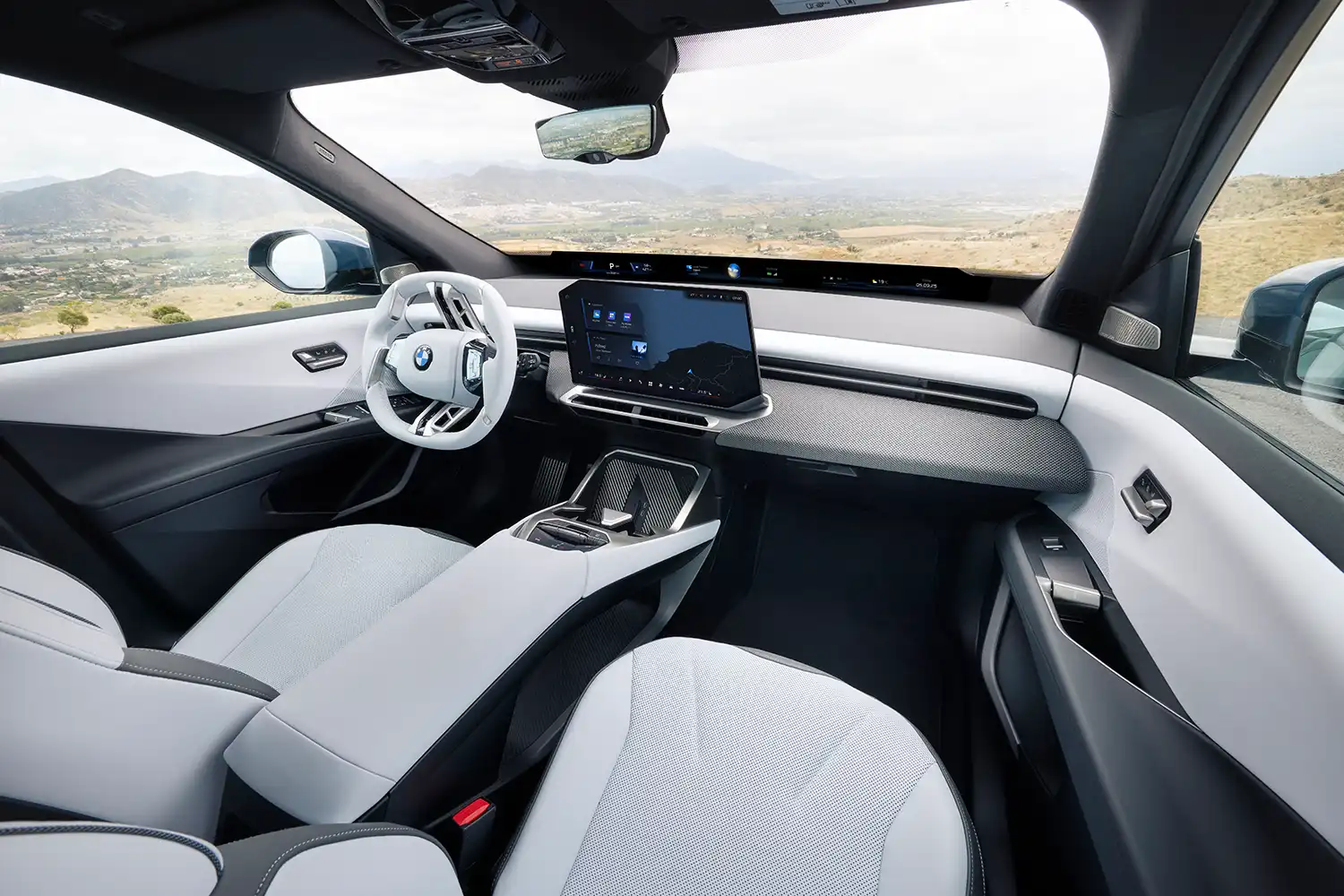
Beyond the pixels and projections, the 2026 iX3 pushes the boundaries of circular design and environmental responsibility. The interior extensively utilizes recycled materials and mono-materials designed for easier processing at the end of the vehicle’s life cycle. By removing chrome and drastically reducing wiring—eliminating over 600 meters of cables through a new zonal architecture—BMW has not only reduced vehicle weight but also defined a new standard of clean luxury. For those seeking a deeper dive into the technical specifications and the exterior evolution of this vehicle, our full first look at the BMW iX3 Neue Klasse provides a comprehensive analysis of its debut.