


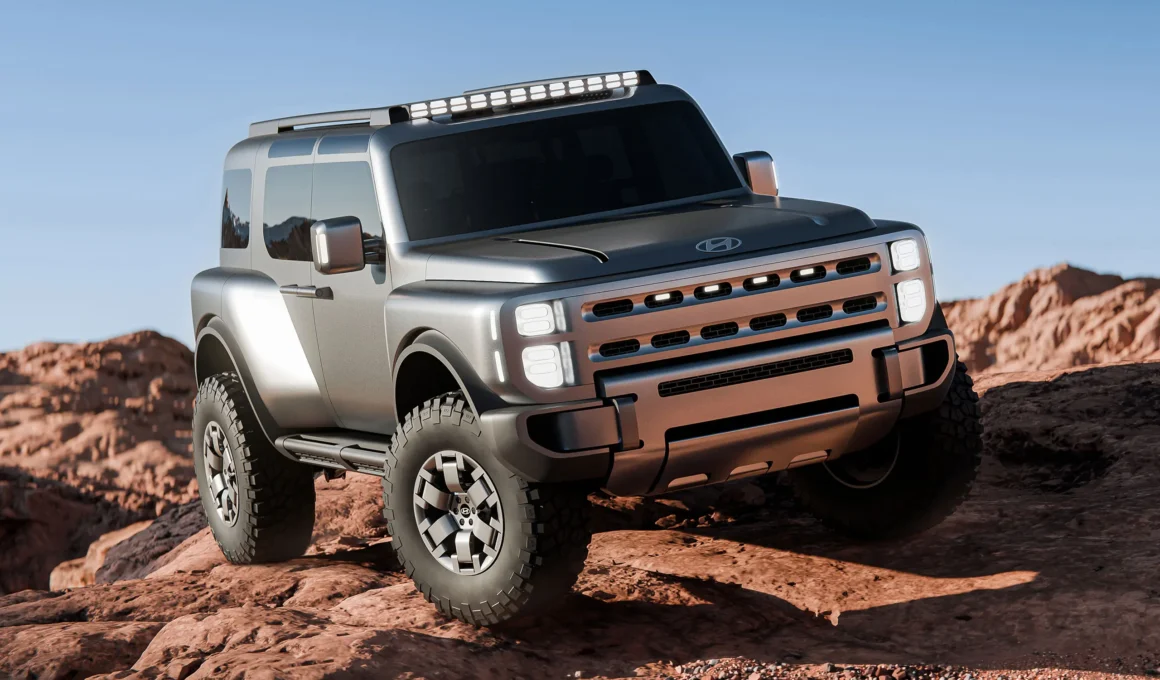
The Hyundai Boulder Concept, a rugged body-on-frame SUV study developed by the Southern California-based Hyundai Design North America team, made its global debut at the 2026 New York International Auto Show as a formidable precursor to the brand’s first American-built midsize pickup.
A departure toward rugged utility marks a pivotal shift for the South Korean automaker. While the brand has spent the last decade perfecting sleek electric silhouettes and urban crossovers, the Boulder Concept is a deliberate pivot toward the visceral, mechanical heart of the American automotive market. By utilizing a fully-boxed body-on-frame architecture, Hyundai is no longer just observing the off-road segment; it is physically grounding itself in the world of towing, hauling, and serious trail-blazing. This design study serves as a high-tensile promise of what is to come by 2030.
The “Art of Steel” philosophy dictates the vehicle’s exterior narrative, moving away from traditional clay-modeling tropes to embrace the raw, sculptural potential of the metal itself. Inspired by the advanced metallurgy of Hyundai Steel, the bodywork features flowing volumes and precise lines that suggest the material was forged by nature rather than just stamped in a factory. The Liquid Titanium finish emphasizes this metallurgical focus, catching the New York sun with a depth that makes the SUV appear as though it were milled from a single, massive ingot.
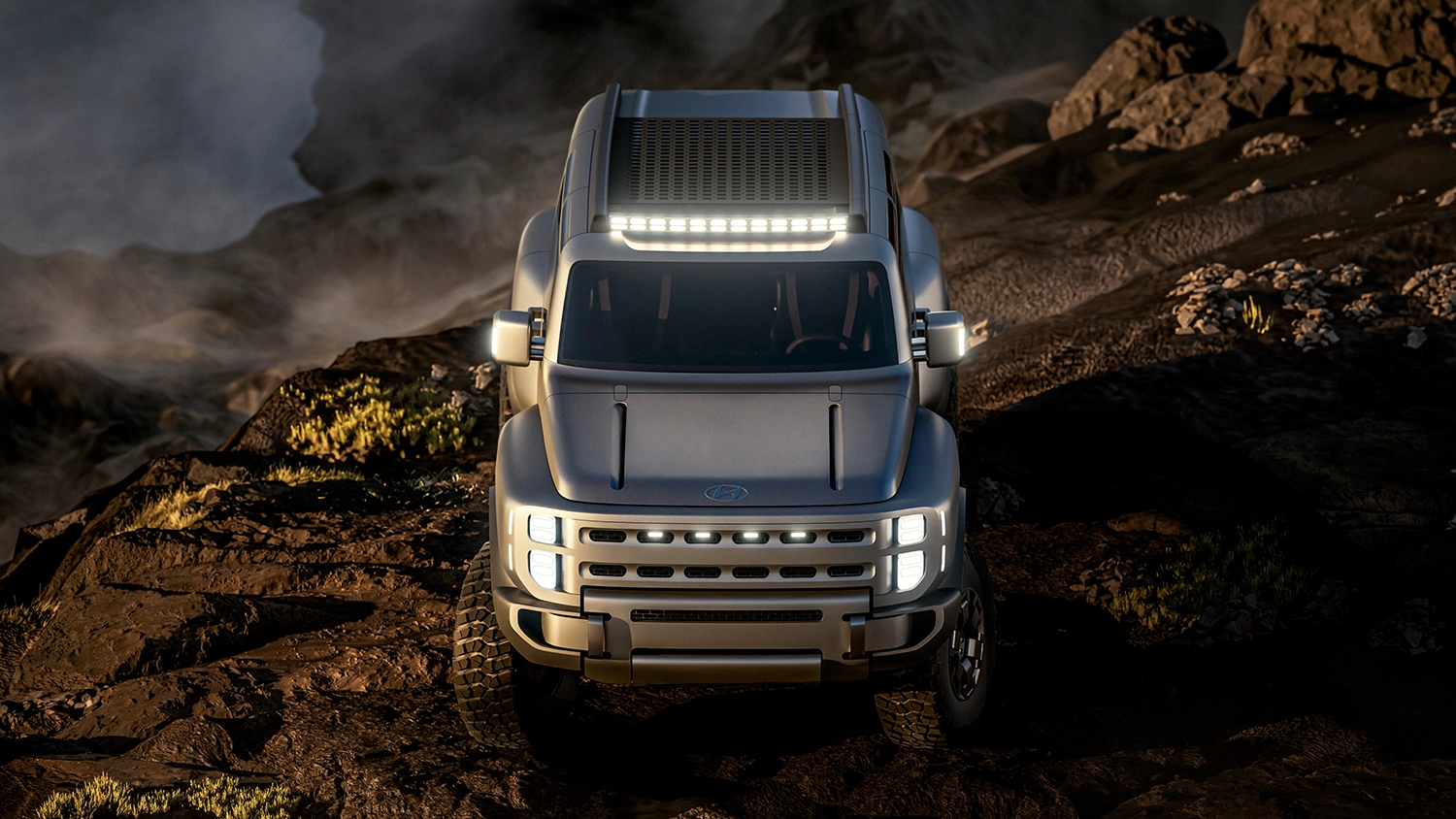
Sensory engagement and visibility define the upright greenhouse. The silhouette is unapologetically vertical, providing a commanding view of the horizon that is essential for technical off-roading. Dual safari-style fixed upper windows wrap into the roofline, flooding the cabin with natural light and ensuring that the environment—whether it be the red rocks of Utah or the dense forests of the Pacific Northwest—is always part of the interior experience. This transparency balances the heavy, muscular stance of the lower body.
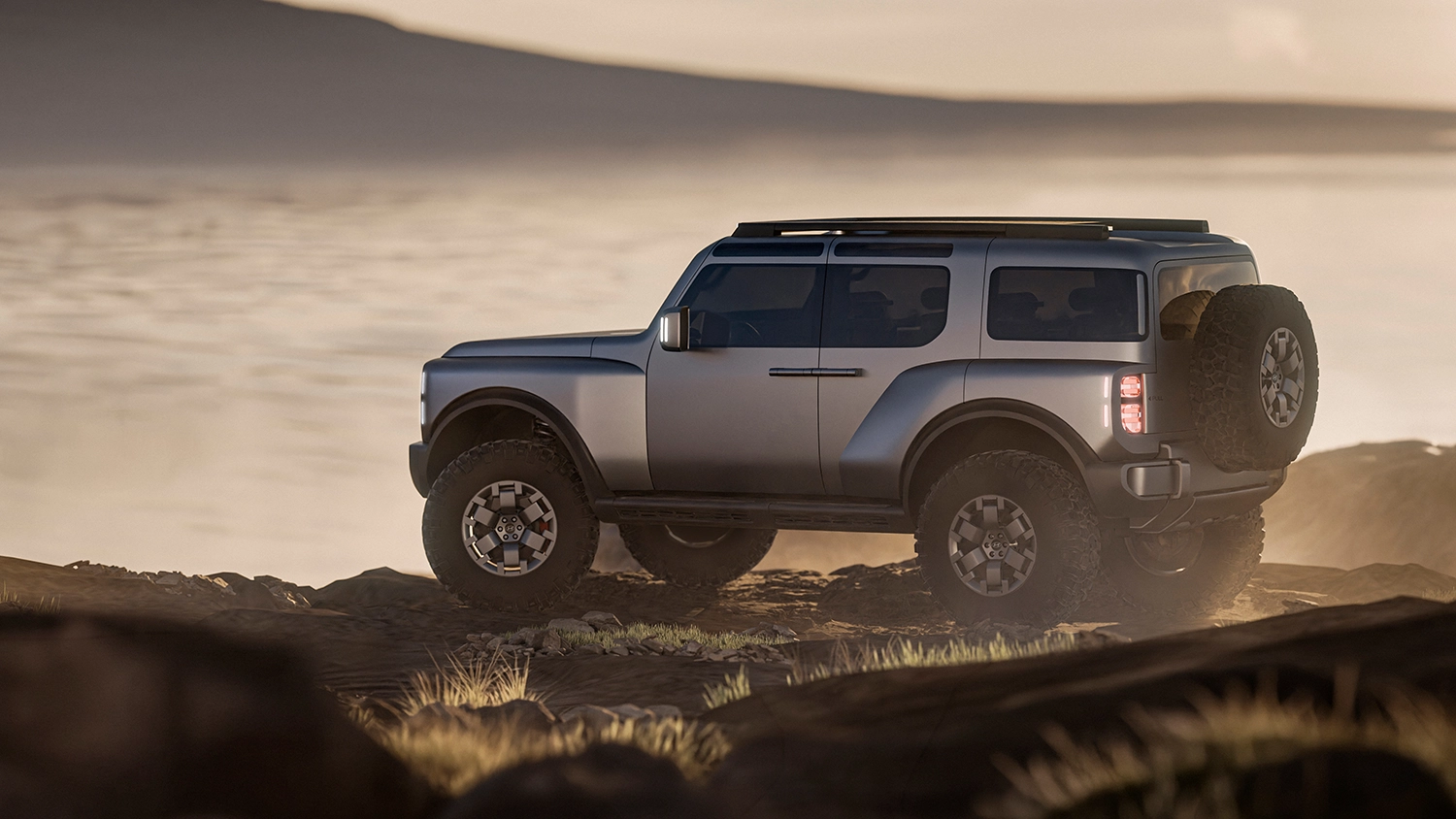
Functional aesthetics meet trail readiness in the Boulder’s specialized hardware. The vehicle sits high on 37-inch mud-terrain tires, wrapped around wheels that anchor the SUV’s aggressive approach and departure angles. Detail-oriented features like the double-hinged rear tailgate and coach-style doors prioritize ease of movement, while the integrated steel webbing on the low-profile roof rack offers a tactile, industrial solution for securing gear. Even the door handles and tow hooks are treated with reflective materials, providing a subtle, functional glow during twilight hours in the wilderness.
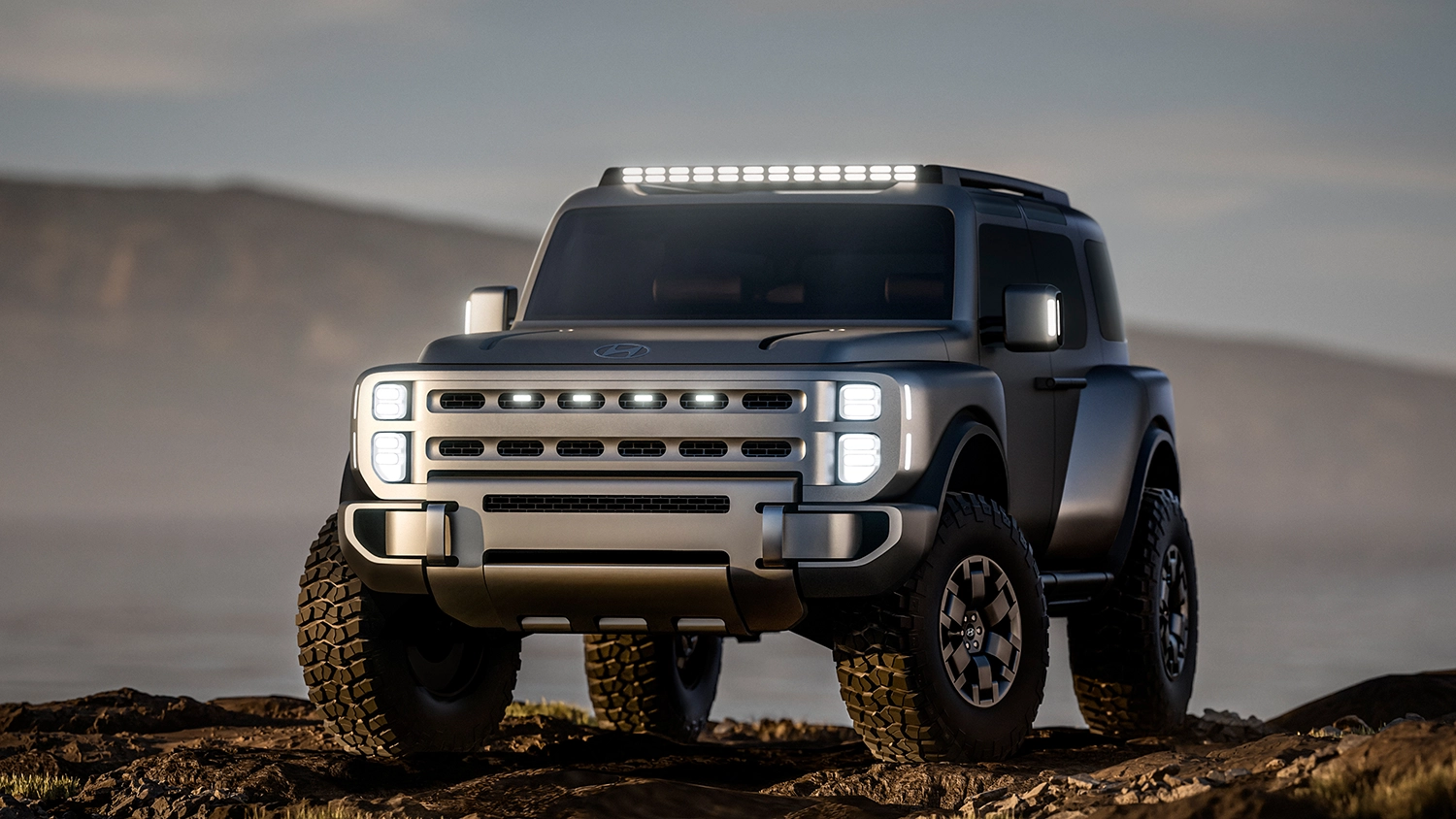
The interior environment rejects the industry’s current obsession with fragile, glass-heavy cockpits in favor of something far more resilient. Touchpoints are defined by robust materials and grab bars that feel substantial in the hand, designed to withstand the grit of an active lifestyle. While a software-driven real-time off-road guidance systemacts as a silent digital spotter, the interface remains grounded by satisfying physical knobs and buttons. This tactile feedback ensures that adjustments can be made with confidence, even when the terrain becomes unpredictable.
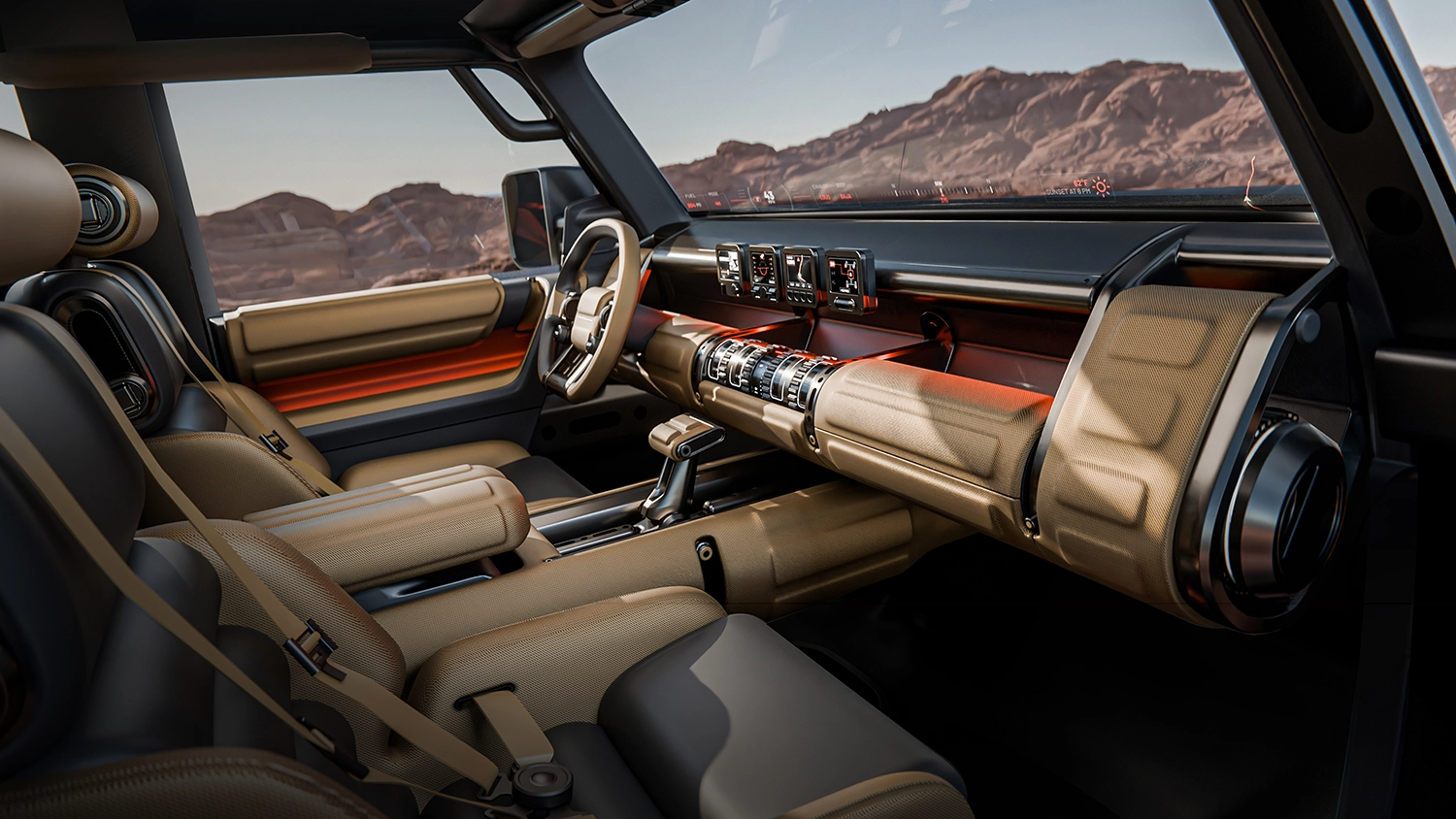
Versatility as a core tenet extends to the cabin’s layout, which is designed to function as a mobile basecamp. Fold-out tray tables transform the rear seating into a workspace or a dining area, acknowledging that the modern explorer often balances remote work with outdoor pursuits. The inclusion of a power drop-down rear window allows for long items—such as surfboards or lumber—to be transported with ease, while simultaneously inviting flow-through ventilation that connects the occupants to the rushing air of the trail.
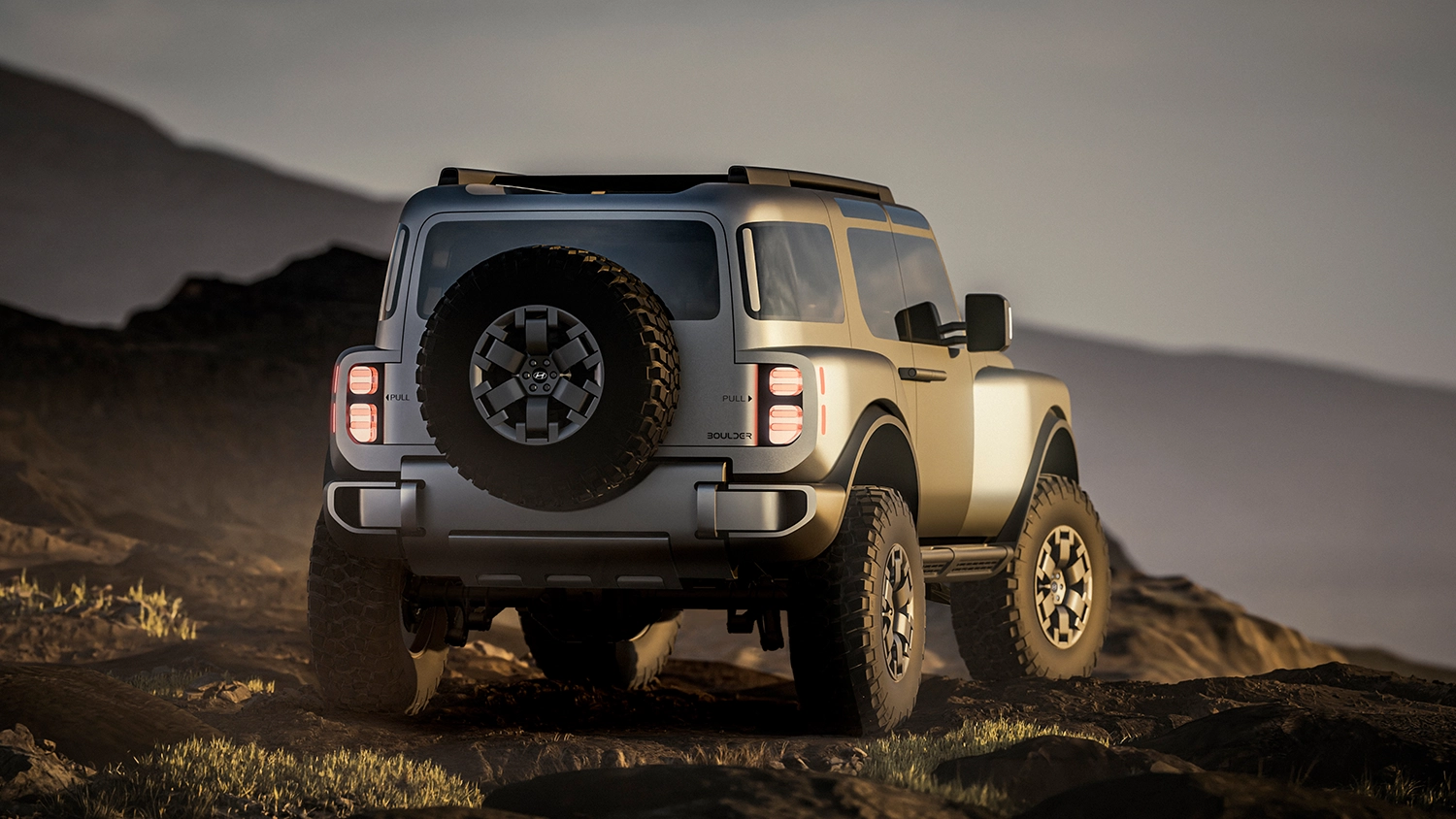
A strategic focus on the American landscape underpins the entire project. This isn’t merely a global car adapted for the US; it is a vehicle designed, developed, and built in America using US-produced steel. By targeting the midsize pickup segment with such a specific, rugged identity, Hyundai is signaling its intent to move beyond the paved suburbs and into the “backbone” of American work and adventure. It is a calculated expansion into a segment where durability is the only currency that matters.
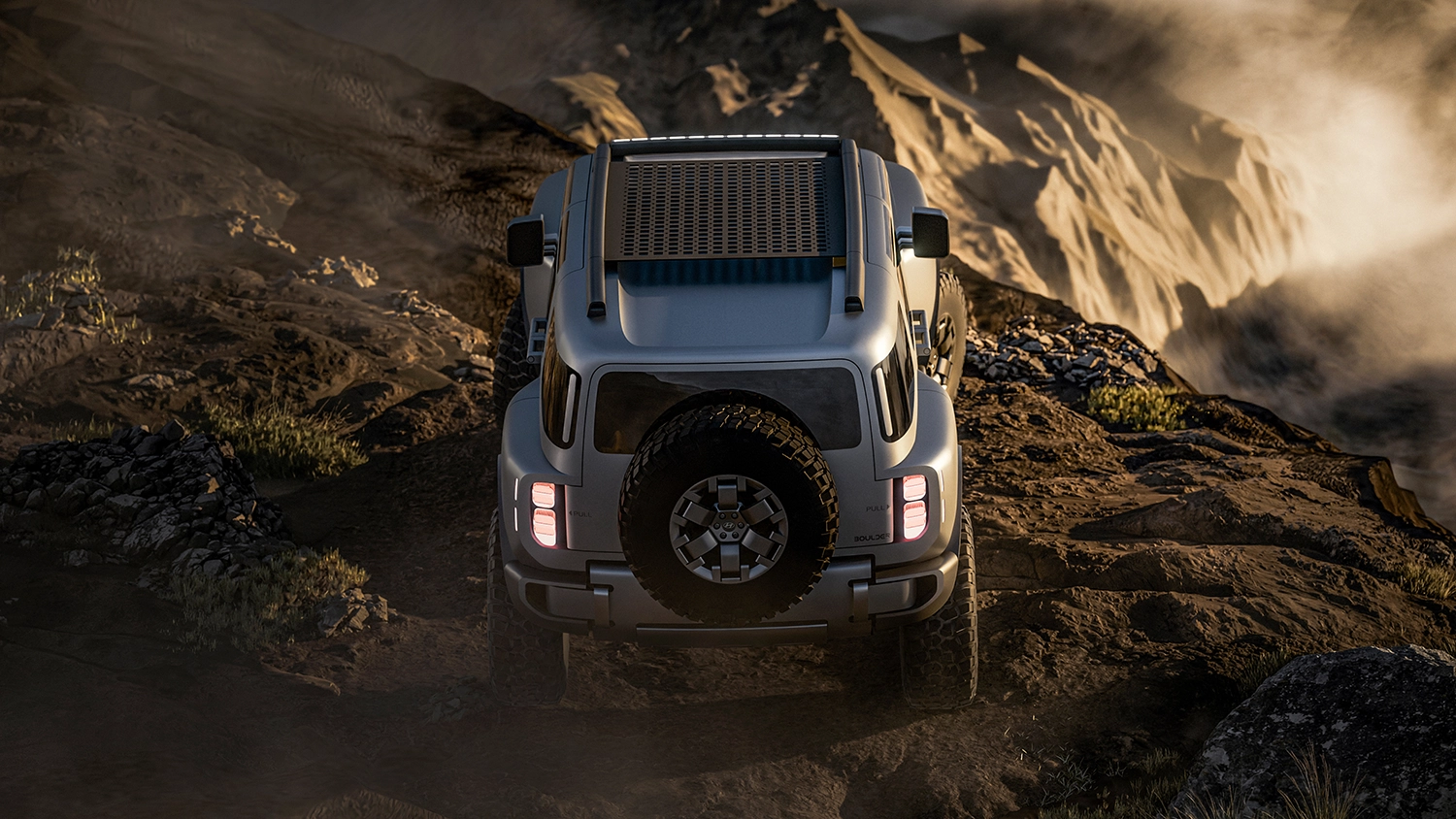
The evolution of a mobility giant is becoming increasingly clear through these diverse explorations. The Boulder Concept is just one facet of a broader vision that sees the brand oscillating between the ruggedness of the Crater Concept and the futuristic versatility of electric recreational vehicles. From the industrial strength of body-on-frame trucks to the sophisticated robotics of Boston Dynamics and autonomous platforms like Mobile Eccentric Droid, the company is constructing a multi-disciplinary ecosystem. Following this trajectory reveals a brand no longer content with being a car manufacturer, but one striving to define the very mechanics of movement, whether on four wheels or via robotic limbs.