


In the ever-evolving landscape of automotive coachbuilding, few silhouettes command as much reverence as the Volvo P1800 ES. With its distinctive glass tailgate and elongated roofline, the 1970s shooting brake established a visual language that balanced utilitarian honesty with a sleek, almost delicate grace. Now, the Netherlands-based Autoforma—a restomod-focused offshoot of Niels van Roij Design—in collaboration with specialists Volvo Lotte, has unveiled Norrsken. Named after the Swedish term for the Northern Lights, the project is a meticulous reinterpretation that seeks to amplify the car’s “calm intensity” while grounding its iconic proportions in contemporary performance.
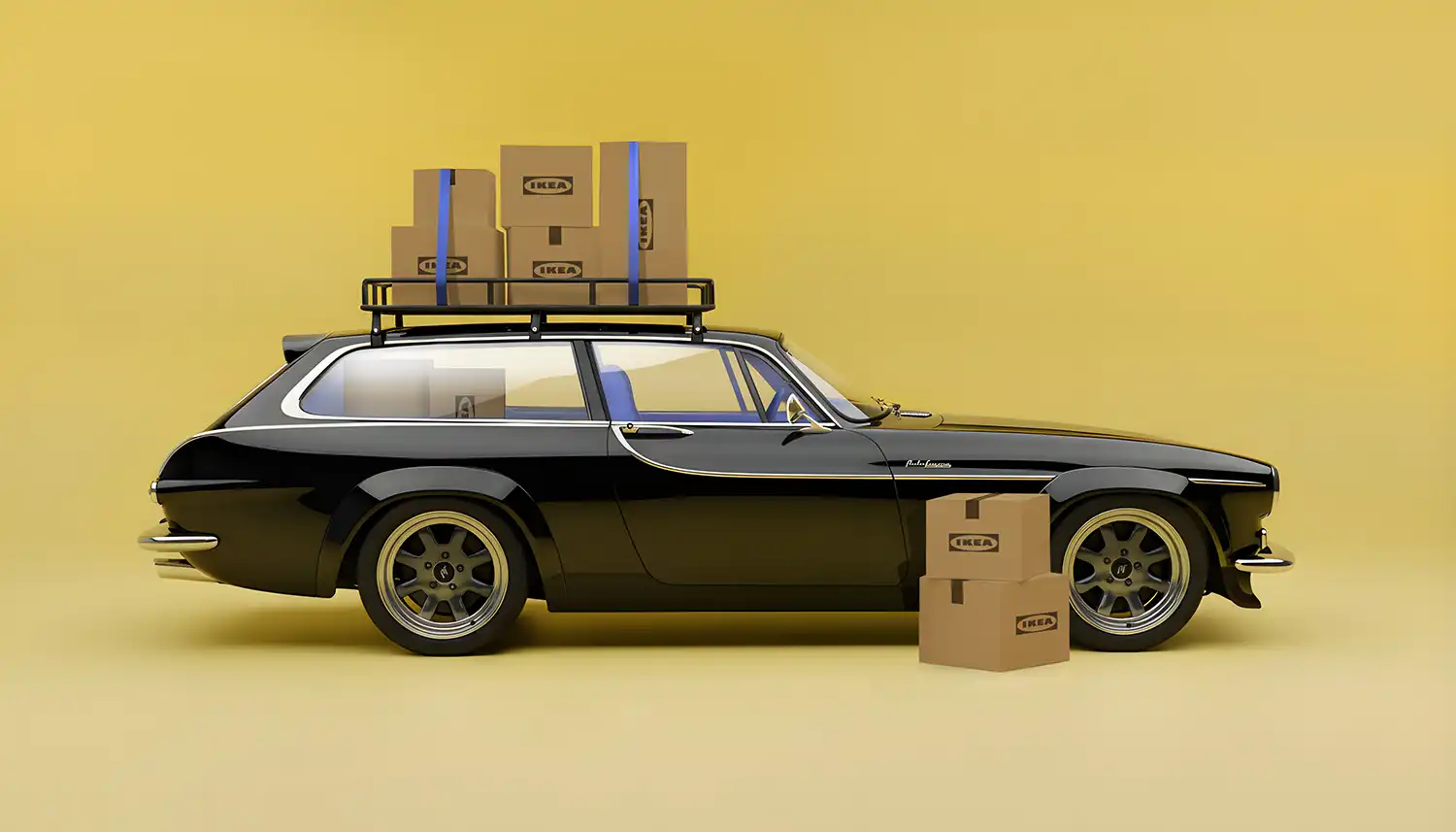
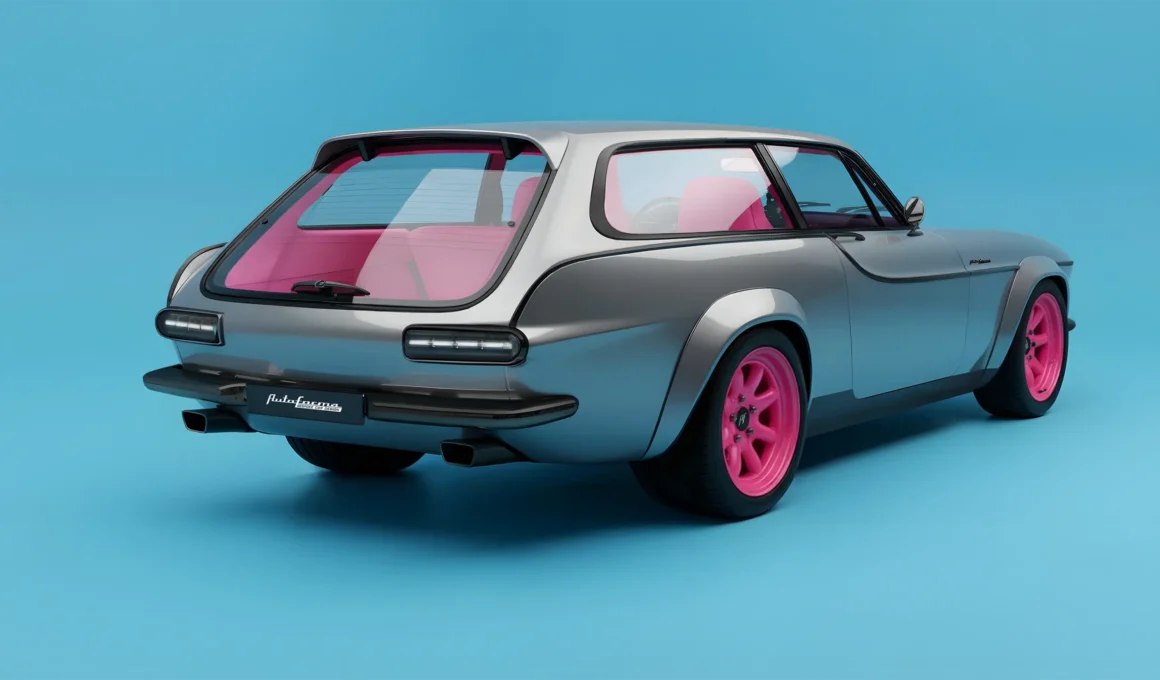
A sculptural approach to heritage and stance defines the exterior philosophy of the Norrsken. Rather than a radical departure from the original, the design team focused on “tightening” the visual tension of the body. The most striking departure is the widened stance, where carbon-fiber wheel arches now house larger, forged alloy wheels, lending the car a muscular, planted posture that the original’s slim tires could never achieve. The ride height has been lowered to close the gap between the rubber and the body, while modern LED lighting graphics are integrated seamlessly into the original housings, ensuring that the nocturnal signature remains unmistakably Volvo yet crisp and functional for the 2020s.
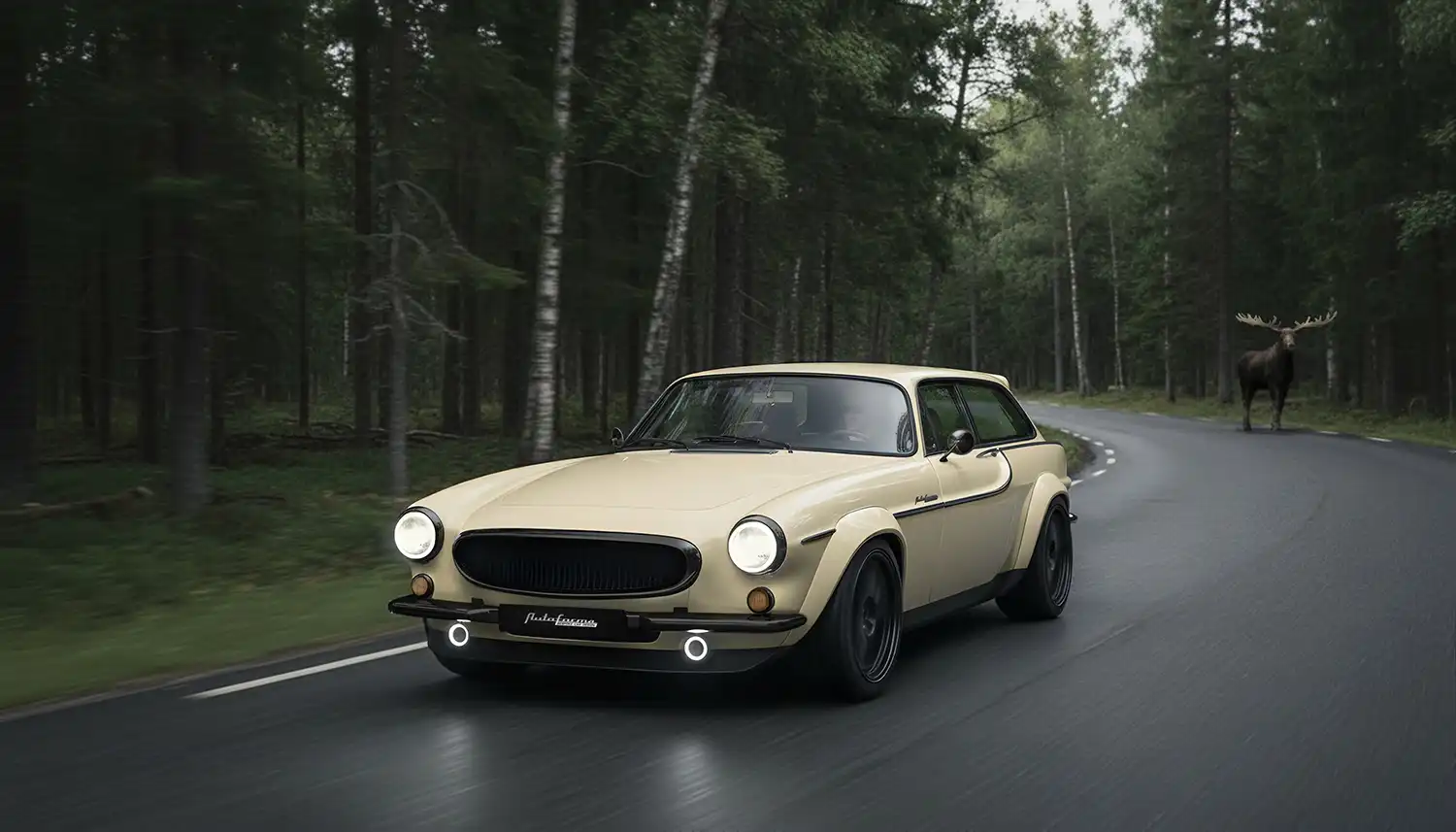
Engineering a narrative of analogue precision, the partnership between Autoforma and Volvo Lotte moves beyond aesthetics to address the visceral experience of the drive. Under the long, tapering hood, the traditional powerplant makes way for a turbocharged Volvo T-5 five-cylinder engine in the flagship “Forward Fashionista” specification. This choice preserves the “family” lineage while introducing a sonorous, characterful exhaust note and a significant leap in usability. The mechanical overhaul extends to a reworked chassis geometry, quicker steering, and an upgraded braking system, transforming the vintage cruiser into a capable grand tourer that responds with modern urgency without sacrificing its soulful, mechanical connection.
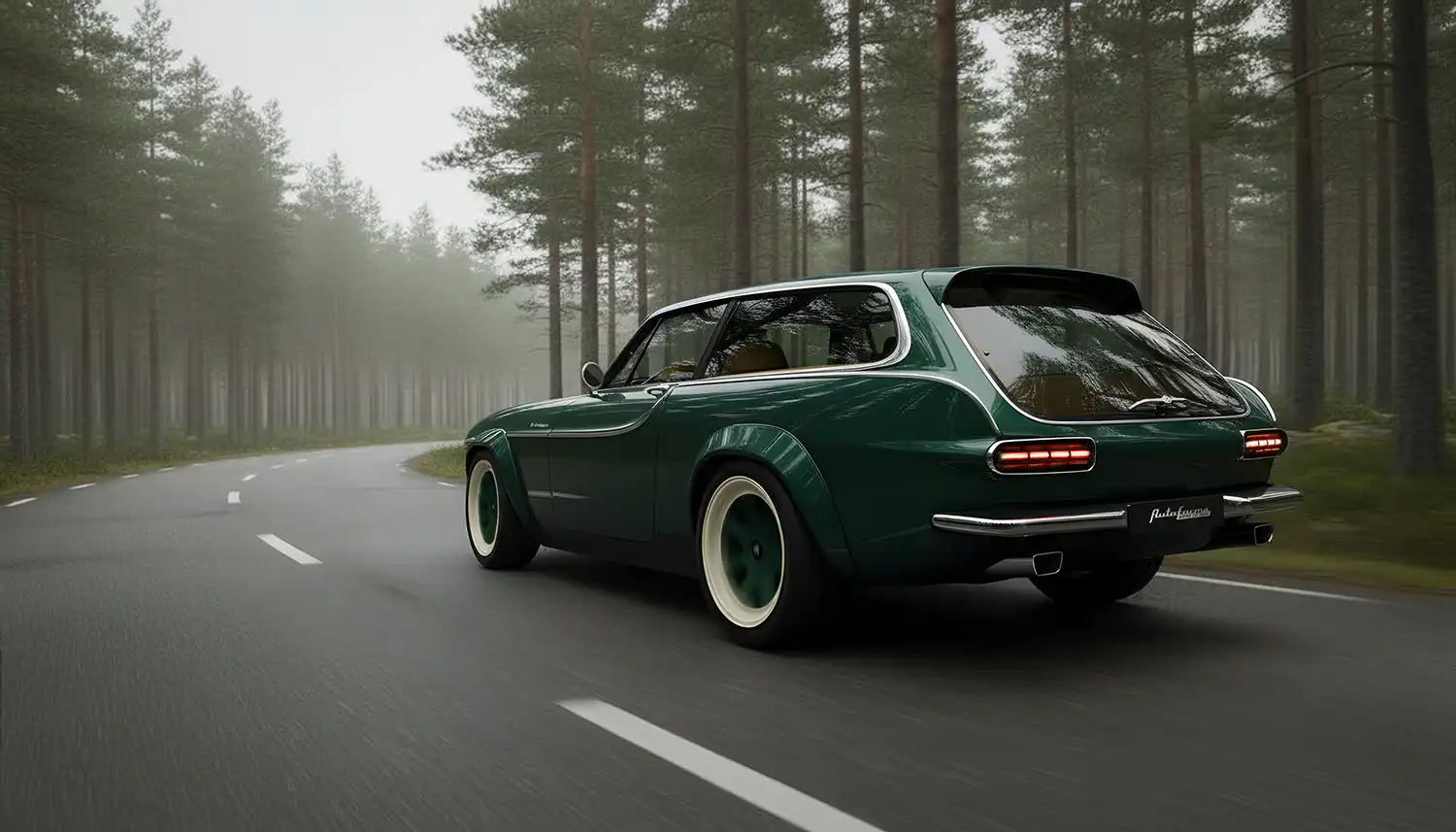
The interior atmosphere as a sensory sanctuary prioritizes material honesty and tactile refinement. Inside the cabin, the architectural clarity of the original dashboard remains the centerpiece, but every surface has been elevated. Occupants are enveloped in a curated palette of Scandinavian wool blends, Alcantara, and bridge-of-weir leather, accented by brushed aluminum or warm wood veneers. The seats have been entirely re-engineered to offer the ergonomic support required for long-distance travel, while the luggage compartment—the defining feature of the shooting brake archetype—can be outfitted with polished metal rails and bespoke leather straps, turning the act of packing for a journey into a ritual of craftsmanship.
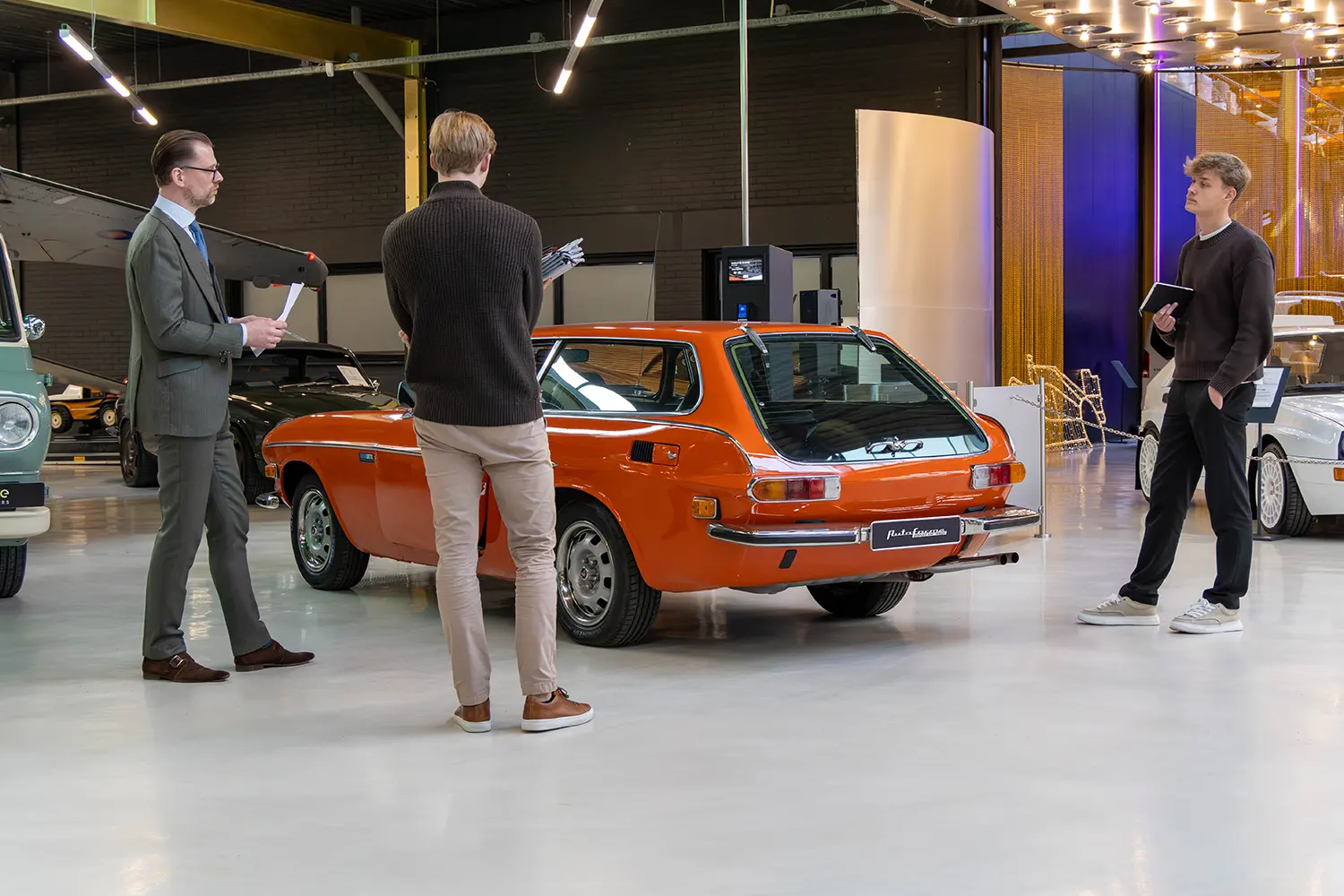
Three distinct design directions allow for a highly personalized dialogue between the collector and the coachbuilder. “Heritage Heaven” serves as a love letter to the 1972 original, focusing on period-correct colors and subtle reliability upgrades. “Modern Marvel” introduces a more disciplined, tech-forward aesthetic with cooler metallic tones and simplified trim. Finally, the “Forward Fashionista” represents the most assertive expression of the Norrsken, pushing the boundaries of the restomod genre with bold colorways and the full weight of the carbon-fiber and T-5 performance package. This tiered approach ensures that while the foundation is a classic Swedish icon, the final execution is a unique reflection of the owner’s perspective.
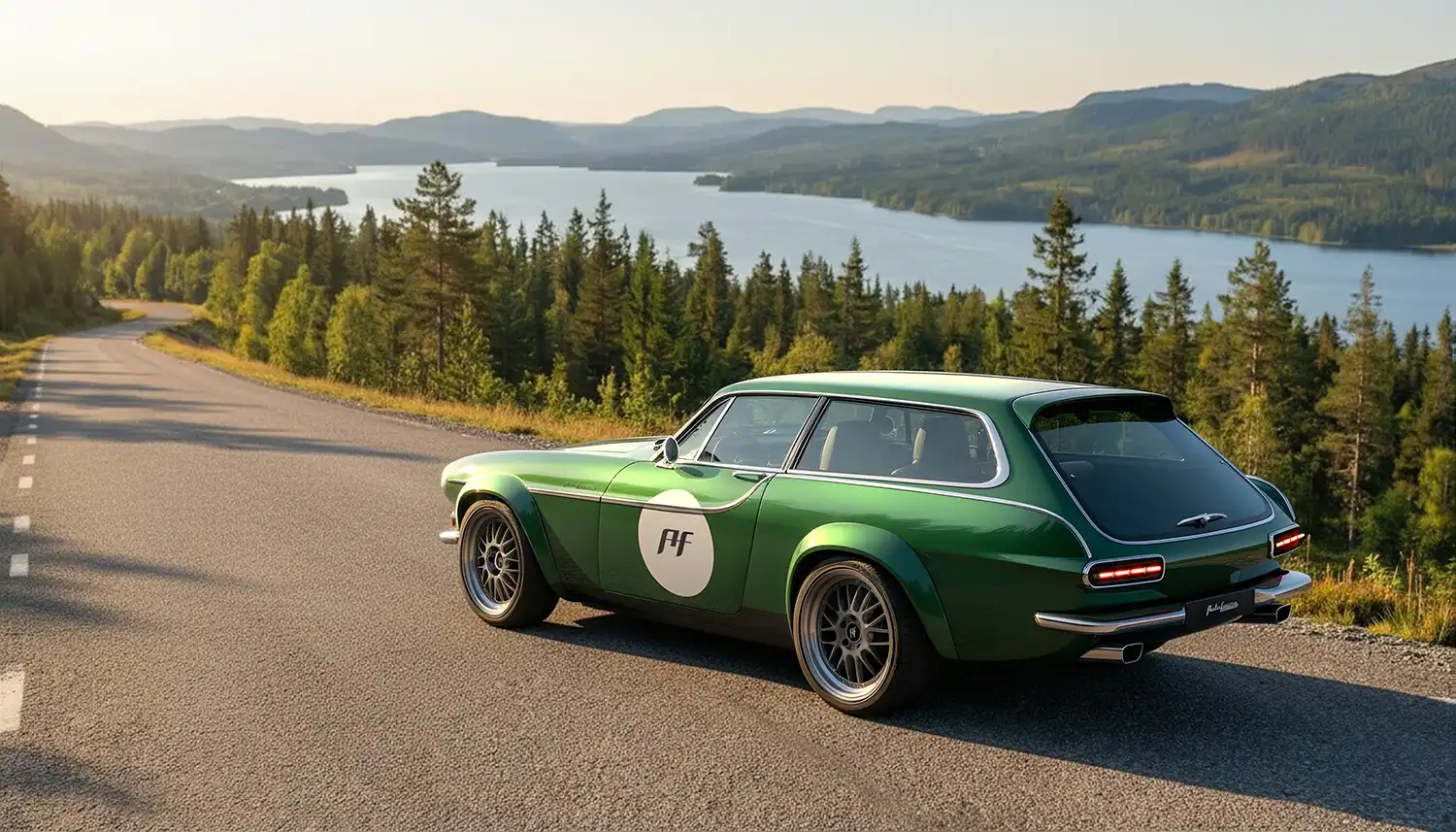
Contextualizing the future of the shooting brake, Autoforma’s commitment to producing only five units per year highlights the shift toward “slow” luxury and collector-grade exclusivity. Starting at approximately €300,000, the Norrsken occupies a space where automotive design meets industrial art. It does not attempt to compete with the raw, track-focused aggression of other high-profile Volvo restomods; instead, it celebrates the P1800 ES as a lifestyle statement—a vehicle designed for the romanticism of the open road and the rational beauty of Scandinavian restraint. In doing so, it ensures that one of the 20th century’s most intelligent designs remains a relevant, moving part of the modern landscape.