



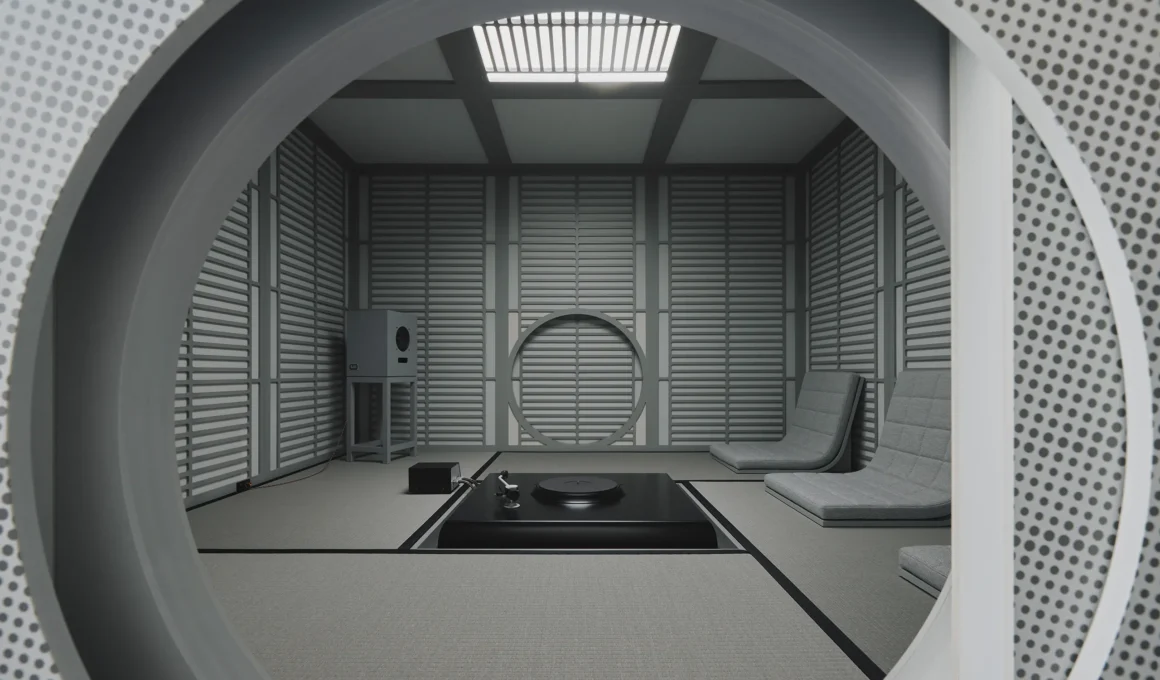
In a compelling fusion of high-fidelity audio philosophy and traditional Japanese craftsmanship, the Karimoku Research Center in Tokyo presents Survey 03: Form Follows Feelings, a collaborative exhibition featuring bespoke speaker systems designed by New York-based artist Devon Turnbull of OJAS and produced by Japanese manufacturer Karimoku Furniture.
The conceptual vision driving this collaboration challenges the conventional boundaries of industrial manufacturing, asking a fundamental question: what is function, and how does it relate to feeling? Turnbull, whose work often explores the intersection of sound and space, sought to move beyond purely utilitarian objects. Instead, he envisioned speaker systems that act as emotional catalysts, stirring memory and enhancing daily life through their physical presence and acoustic capabilities. This ethos aligns seamlessly with Karimoku’s dedication to bringing products to life only when they exist alongside people, emphasizing a sensory experience over mere observation.

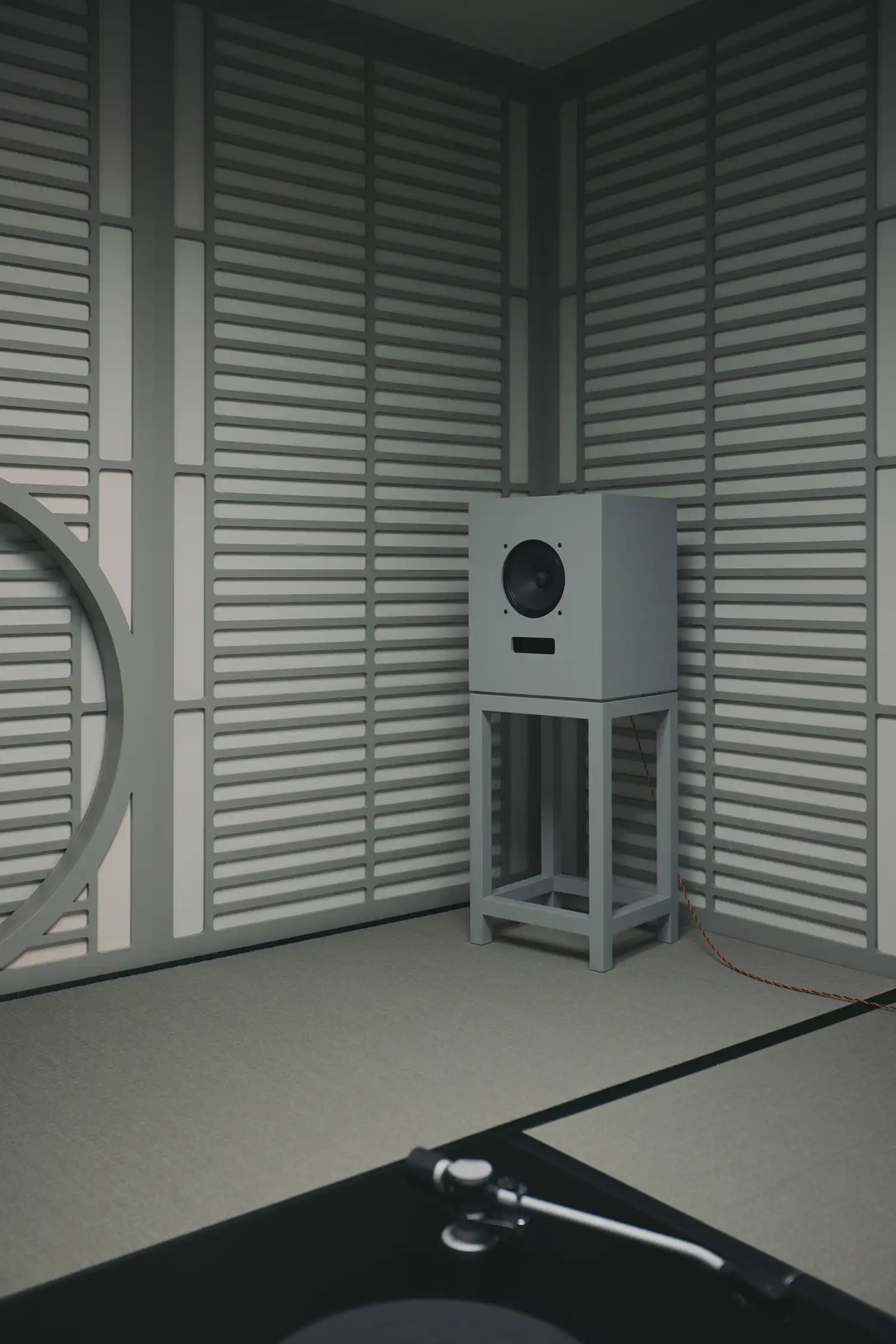
Technical details reveal a sophisticated interaction between intricate acoustic design and advanced woodworking techniques. While OJAS speakers have historically relied on plywood, this partnership allowed Turnbull to translate his complex curvatures into high-quality wooden forms. The Karimoku factory in Aichi utilized precision 3D-machining and meticulous veneering techniques to realize these shapes, celebrating the inherent variations in the wood grain rather than masking them. A specialized Pewter Gray coating, mixed by artisans, was applied to the veneer, preserving the organic expression of the timber while achieving a matte, contemporary finish.
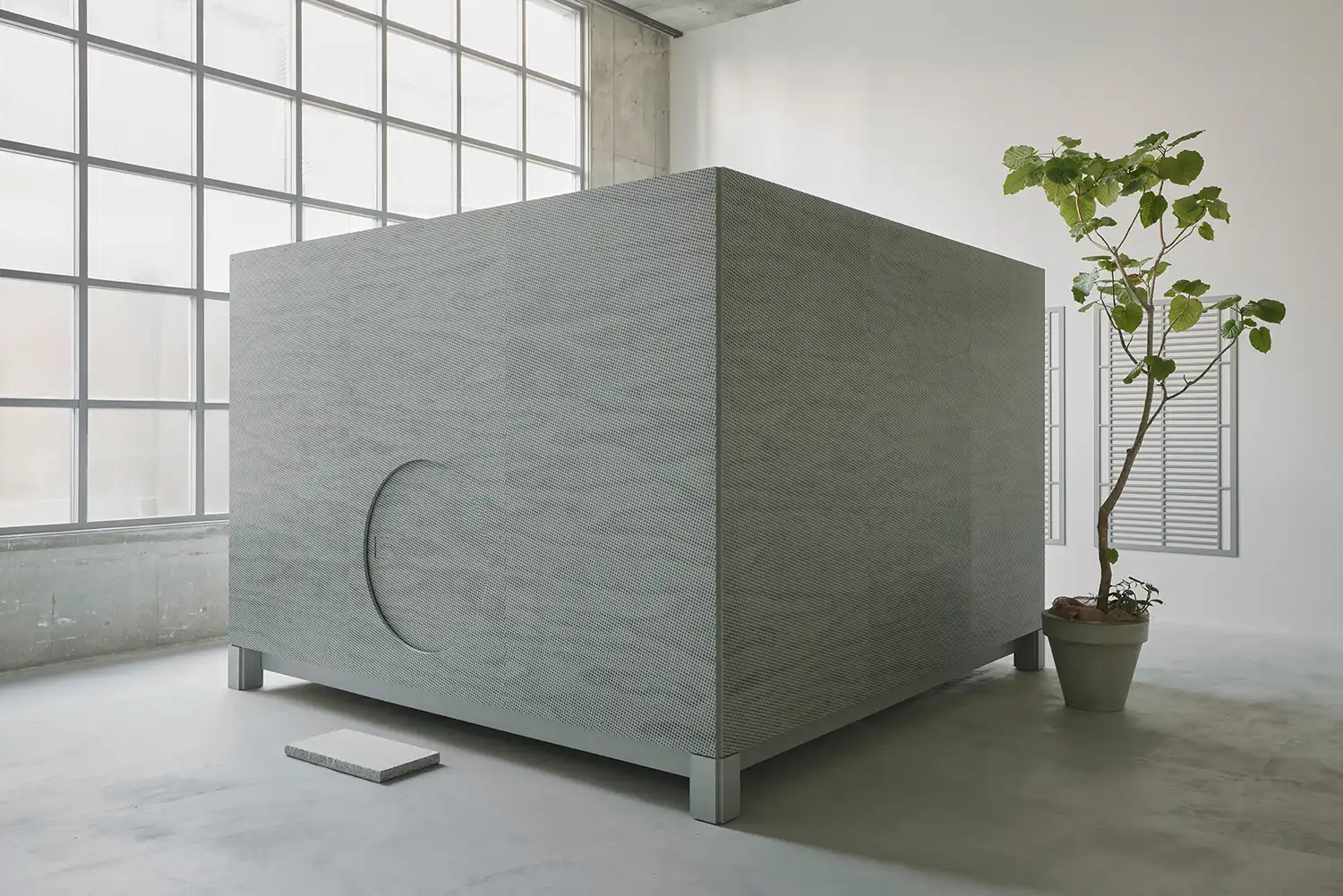
Contextual impact is explored through the Japanese concept of Ma (間)—the tension and harmony found in the spaces between entities. The exhibition, titled Between Space & Sound, is structured across three floors of the Karimoku Research Center, each offering a distinct perspective on this relationship. On the first floor, a detached “Sound House,” inspired by a traditional tea room and adorned in Turnbull’s signature half-tone pattern, offers a meditative listening environment. The second floor breaks this tranquility with an expansive, communal space featuring massive wooden horn speakers designed for dynamic resonance.
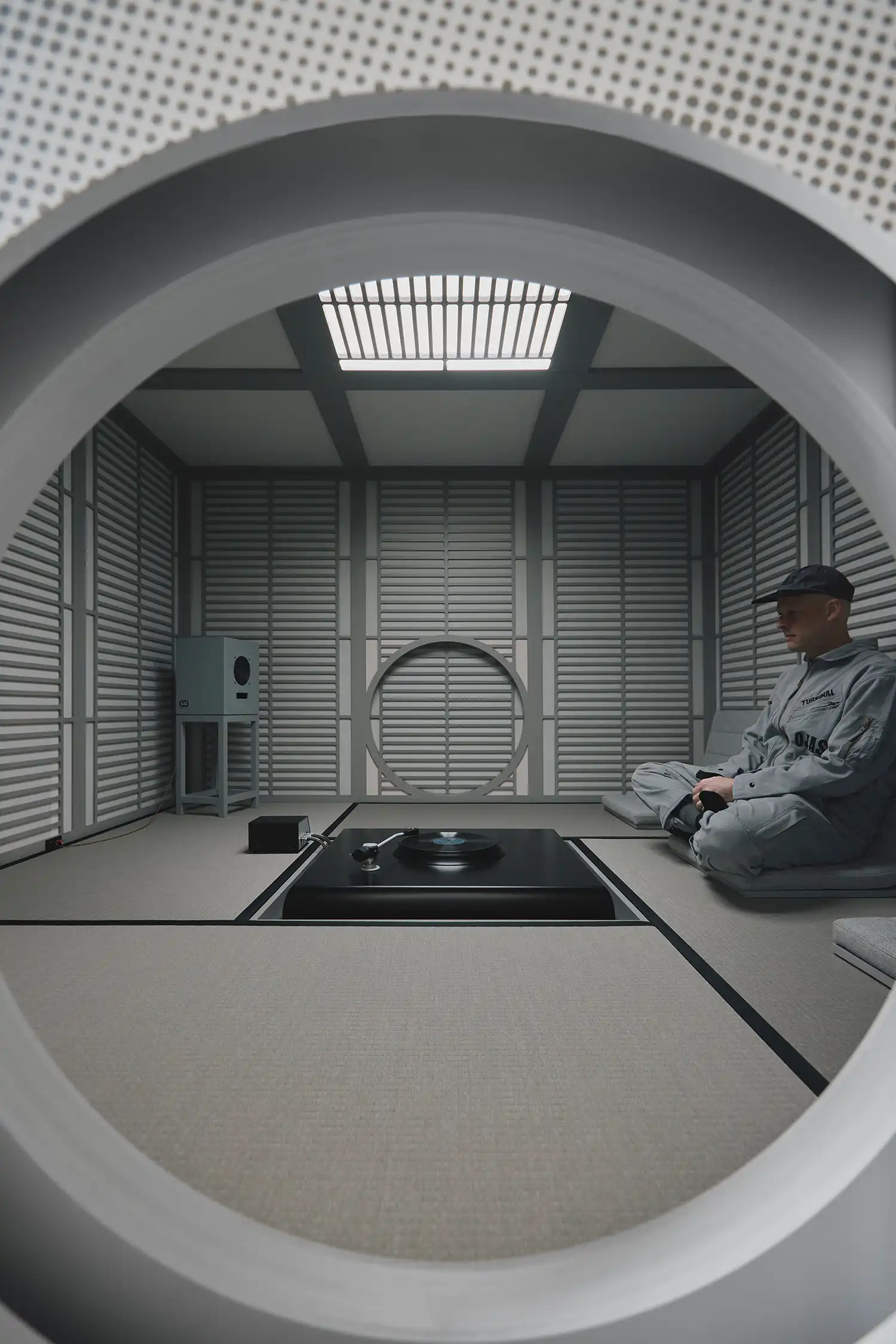
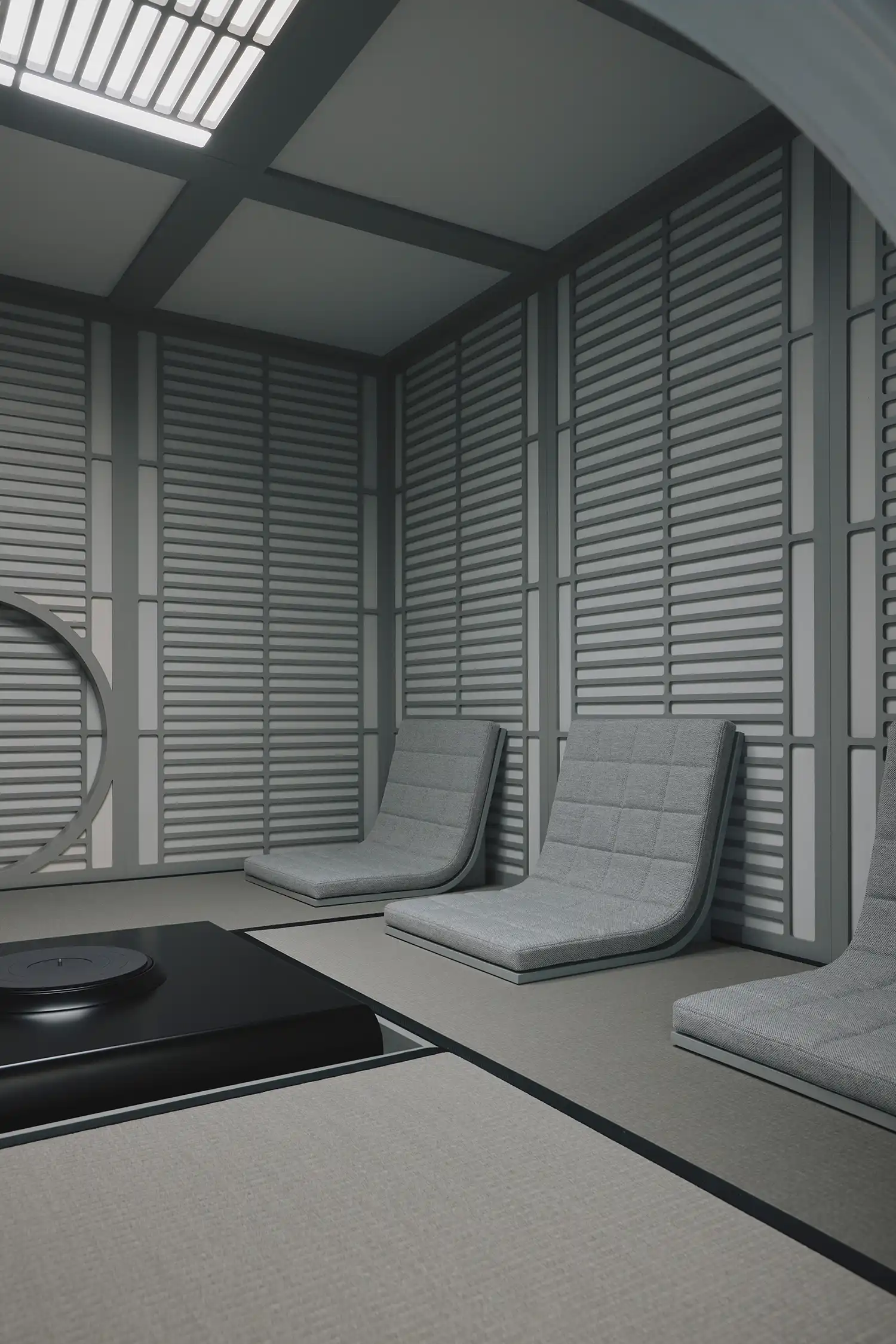
The functional objects on display include three specific speaker models—Sanjo, Rokujo, and Nurikabe—alongside a bespoke seating system also designed by Turnbull. These pieces are not merely equipment but are curated to stir the emotions of the user, much like other immersive installations that redefine acoustic ecology in public spaces. The deliberate harmonization of craft and technology ensures that these speakers behave as sculptural elements within a room, enhancing the atmosphere even when silent.
Material research plays a pivotal role in the basement level, titled The Study, where the full collection is showcased alongside archival materials. Here, visitors can compare variations in finishes, such as the Pewter Gray and iconic Pure Oak, understanding how material choices transform both the visual expression and the acoustic output. The inclusion of acoustic panels inspired by traditional byobu (folding screens) further demonstrates a commitment to bridging historical techniques with modern requirements for sound control.
An enduring resonance is promised by this collaboration, which seeks to enrich everyday living through the pinnacle of material and craft. By pushing the boundaries of what furniture can be, the research center has created a space where sound, space, and emotion intersect, mirroring the meticulous attention to detail found in other immersive sound art installations. The project successfully highlights how thoughtful acoustic ecology can profoundly alter our perception of environment and daily routine. Survey 03: Form Follows Feelings remains open at the Karimoku Research Center in Minato-ku, Tokyo, until June 5, 2026.