



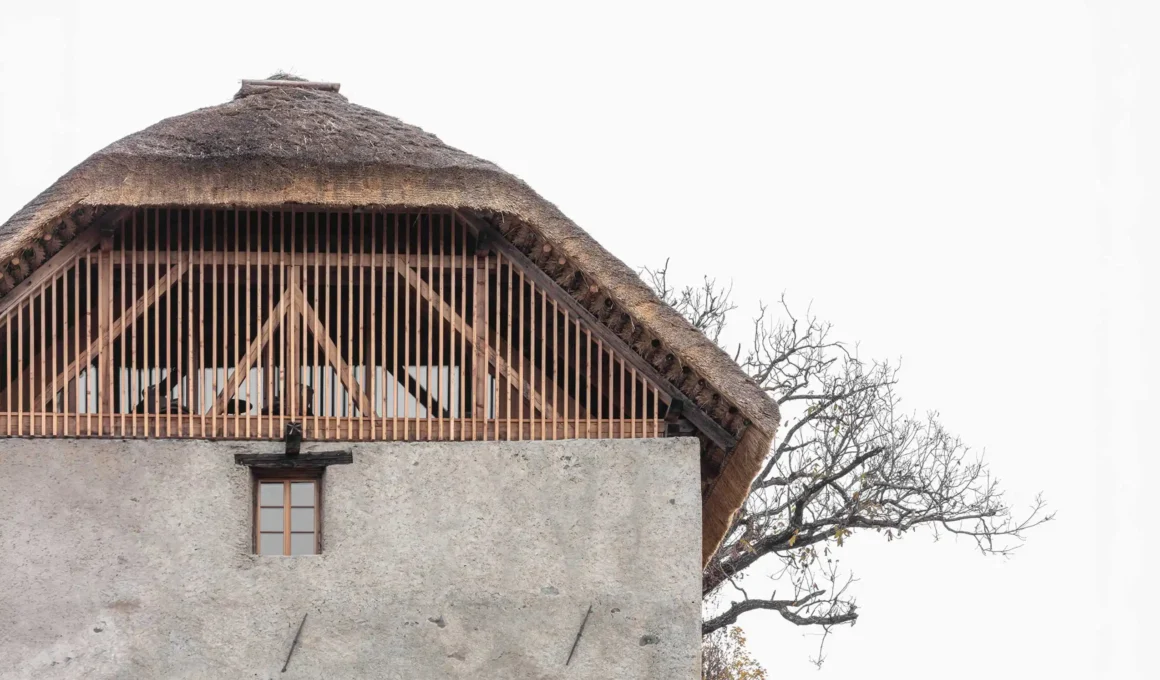
A profound dialogue between rural history and contemporary living unfolds in Laion, Italy, where Raumdrei Architekten has completed the adaptive reuse of Oberbuchfelder, transforming a protected 16th-century alpine farmstead into high-end holiday apartments that respect the raw, textured legacy of the past.
A Dialogue with Time. The project centers on the Oberbuchfelder, a structure rooted in a period when building was an intuitive response to topography and climate. By utilizing natural lime, locally sourced timber, stone, and thatch, the original builders created a residence that belonged entirely to its environment. Raumdrei Architekten approached this legacy not as a museum piece, but as a living entity, opting to reveal the honest, visible history of manual labor rather than masking it behind modern finishes.
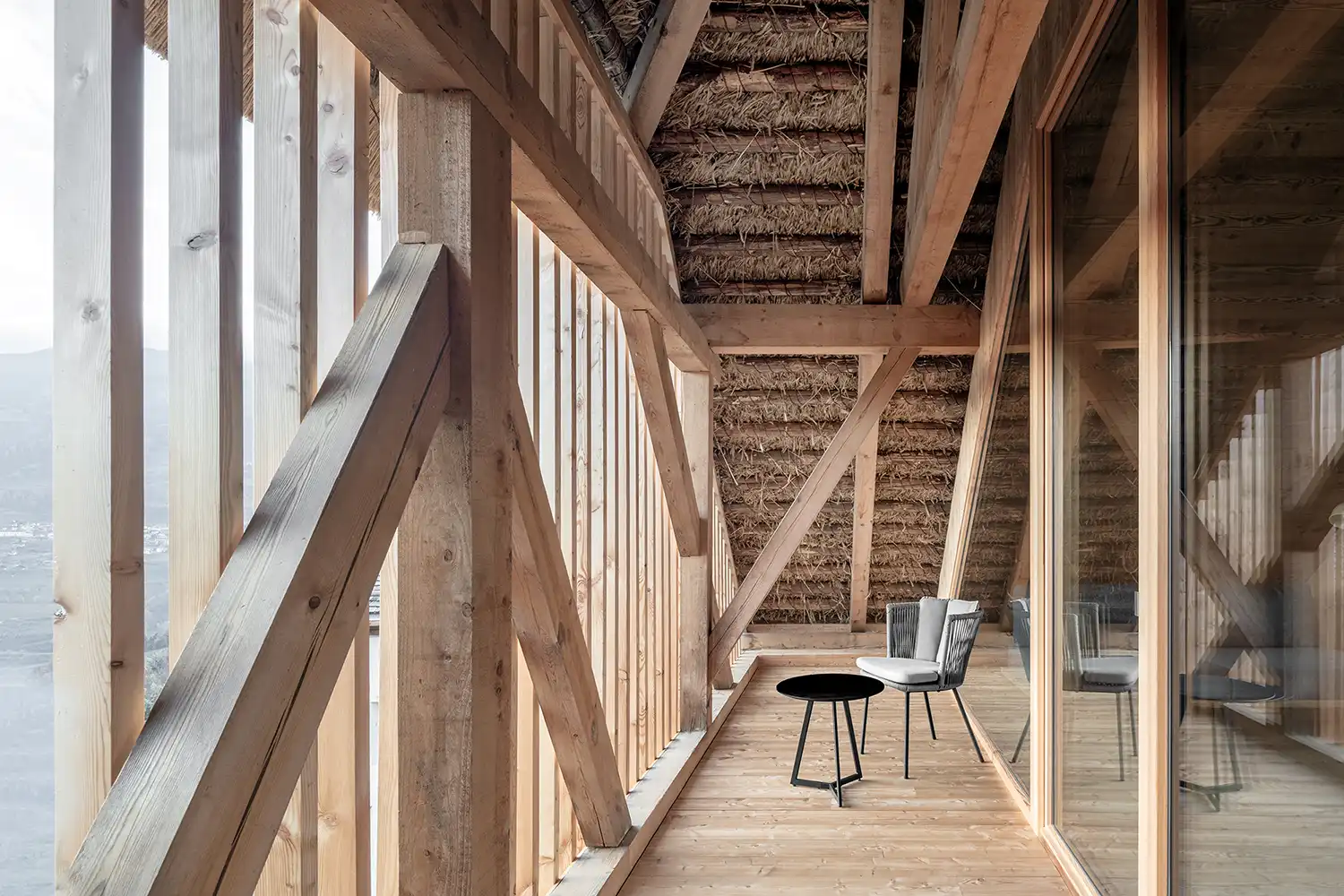
The Conceptual Vision. The architectural intervention is defined by a sensory preservation of the original atmosphere. Instead of a standard renovation, the studio focused on “uncovering” the building’s soul. The historic masonry has been stabilized and left exposed, allowing the tactile quality of the ancient stone to dictate the interior mood. This approach emphasizes continuity and change, where every new addition is clearly legible as modern, yet shares a material DNA with the 16th-century shell.
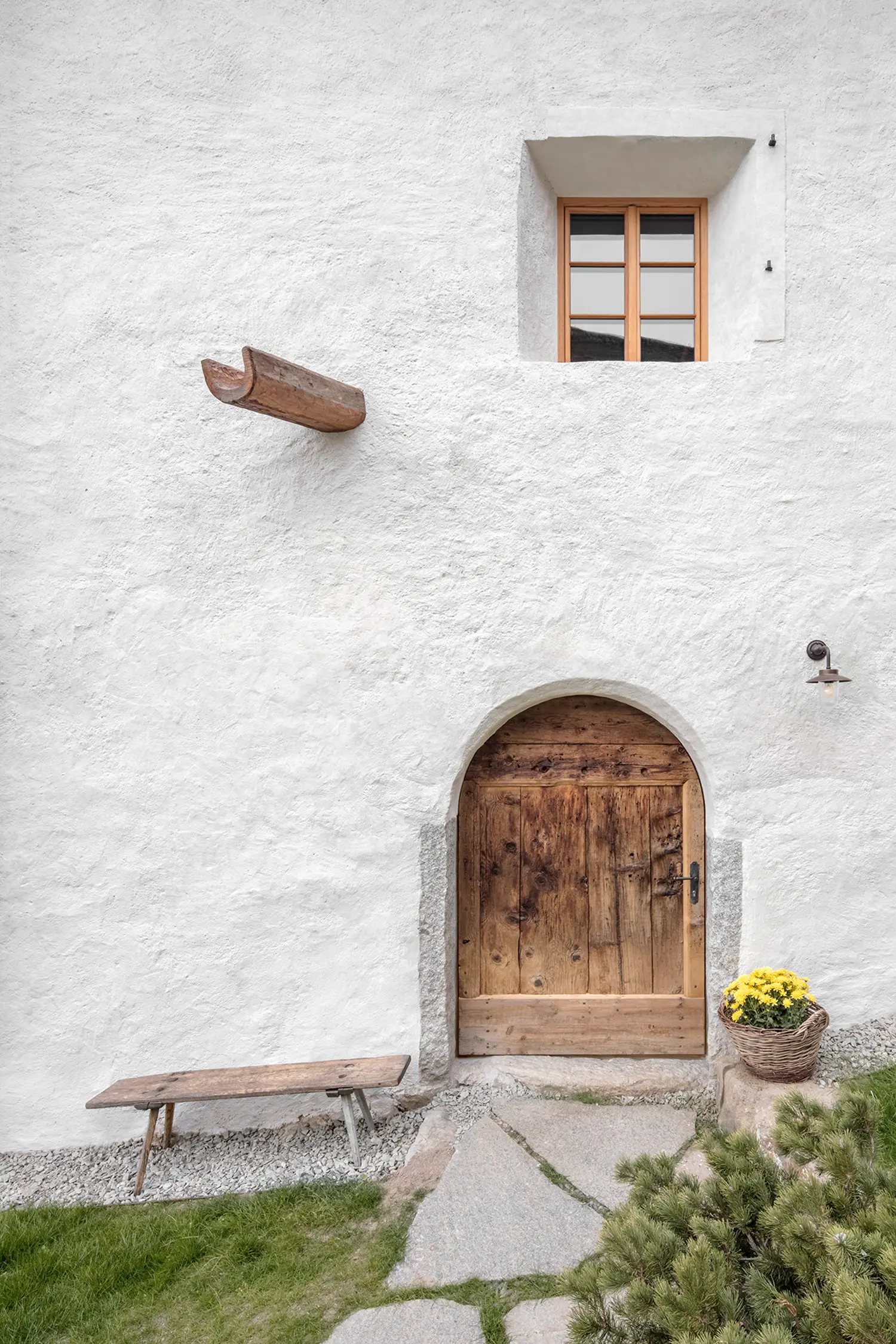
Material Resonance. To harmonize with the existing lime and stone, the architects introduced warm larch wood and minimalist steel details. These materials provide a rhythmic contrast to the irregular, textured surfaces of the past. The sensory experience is one of groundedness; the scent of aged wood mixes with the cool, static presence of stone, creating an environment that feels both protective and expansive. The alpine climate is managed through these traditional materials, which naturally regulate temperature and humidity.
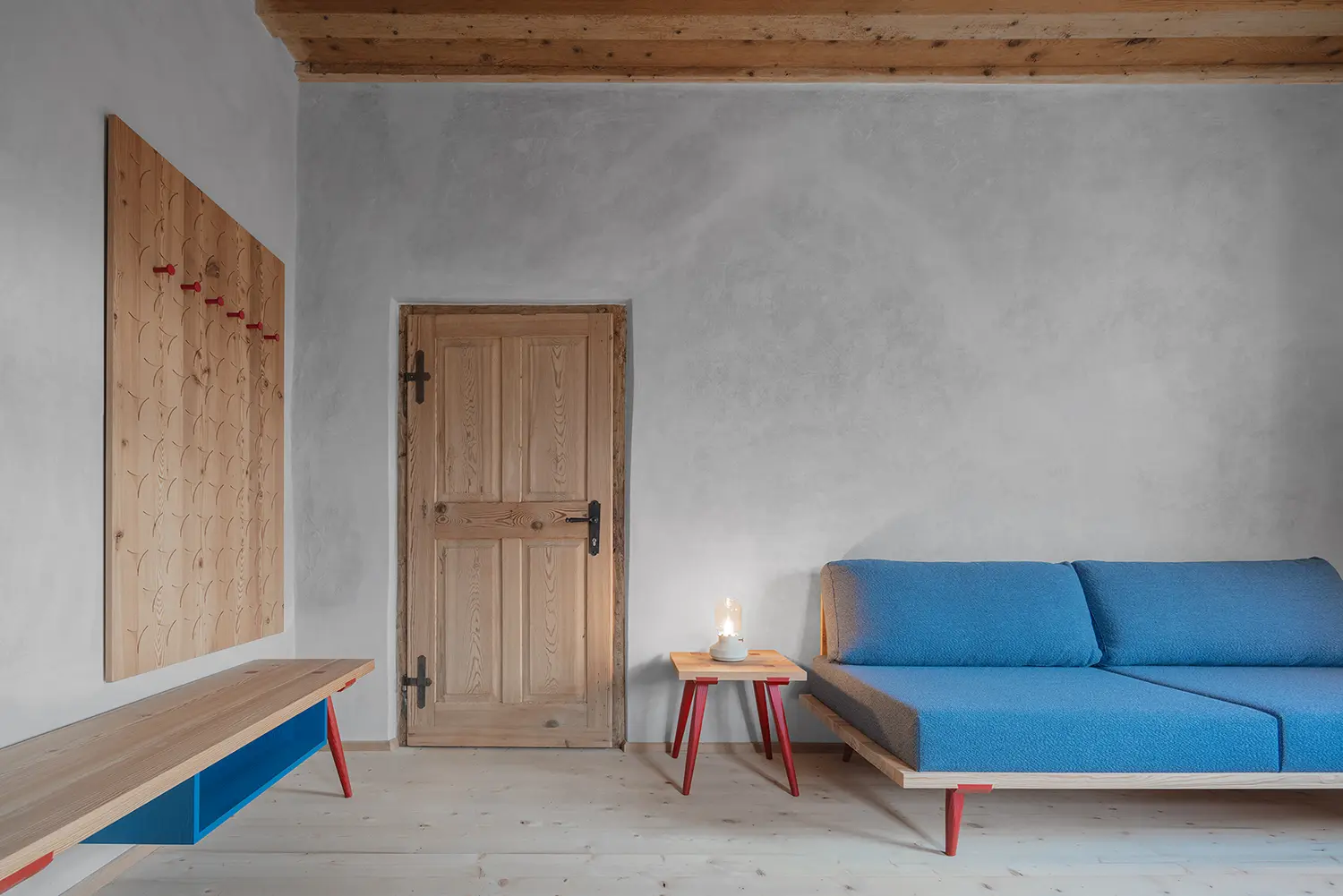
Technical Integration. Within the historic Paarhof, the challenge was to integrate modern amenities without disrupting the architectural integrity. New functional elements—kitchens, bathrooms, and heating systems—were inserted as discrete volumes. These “boxes within a box” ensure that the original floor plan and timber structures remain the primary protagonists of the space. The result is a highly functional living environment that respects the vernacular heritage of the Dolomites.
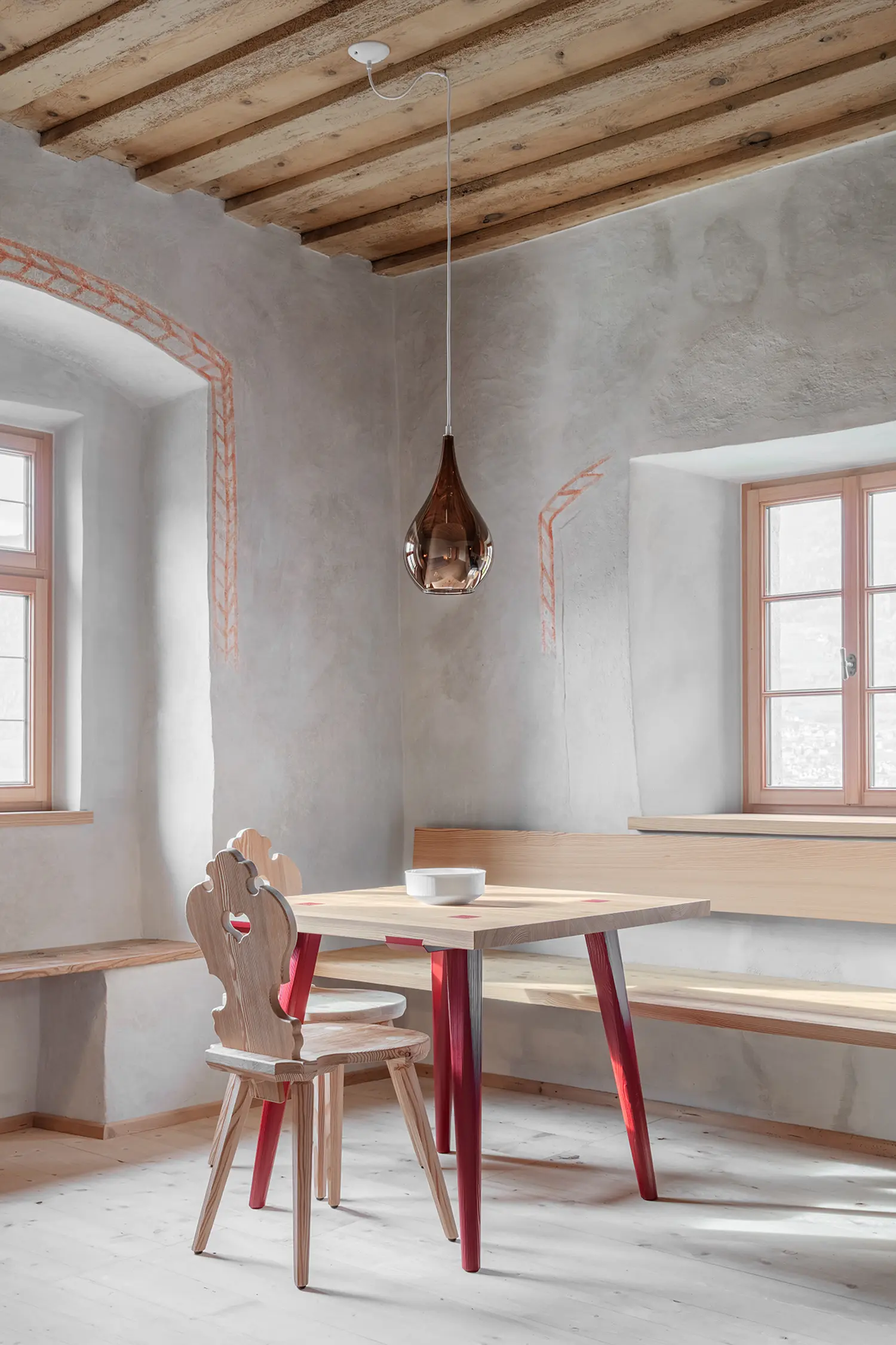
The Stadel Transformation. The barn, once a space for agricultural utility, now serves as a light-filled retreat. By working within the original timber framework, the architects created voids and apertures that frame specific views of the Laion valley. This conversion highlights the sustainable adaptive reuse of rural structures, proving that agricultural heritage can meet the demands of modern tourism while preserving the cultural landscape of the region.
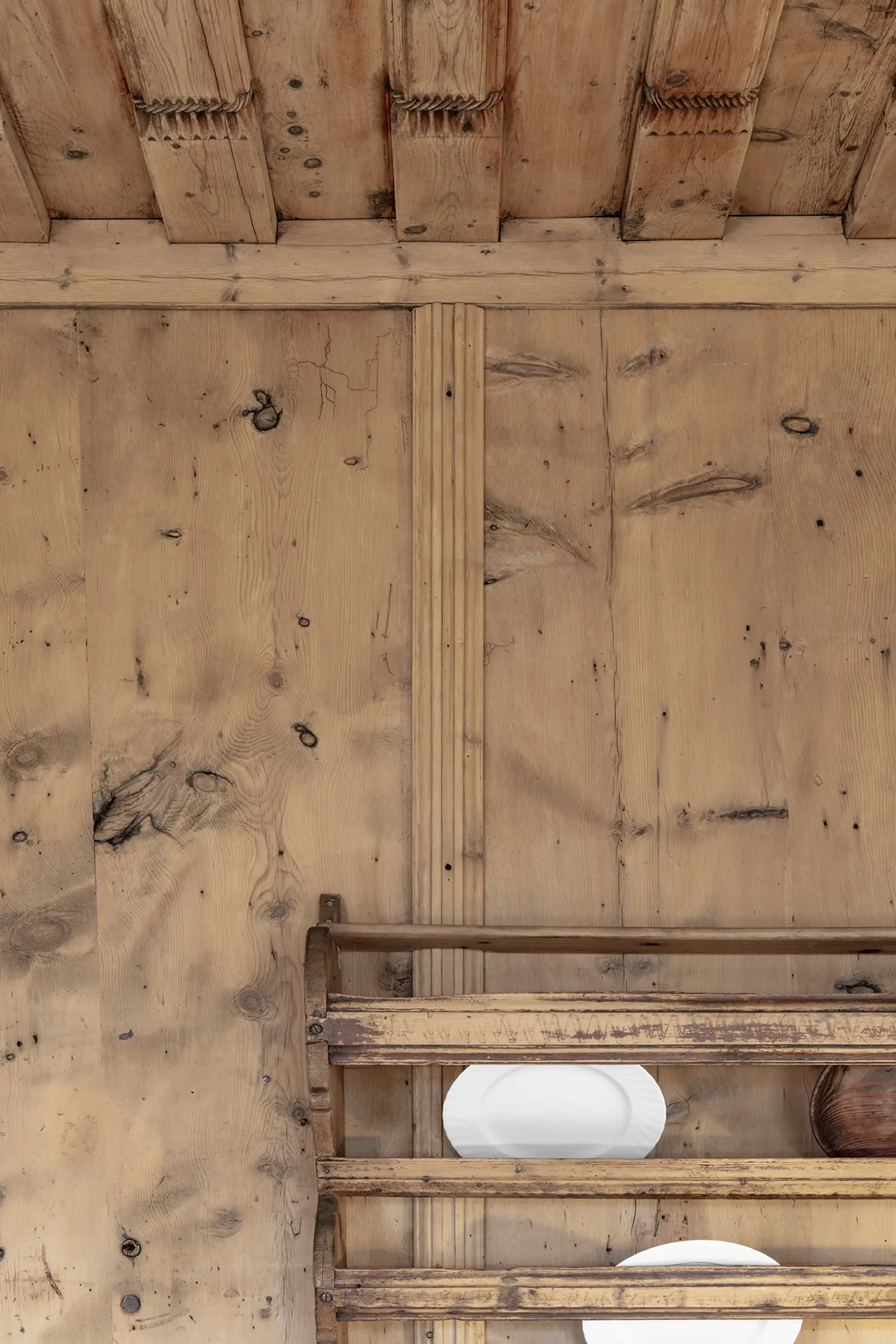
Atmospheric Encounters. Moving through Oberbuchfelder is a lesson in rural minimalism. The transition from the heavy, shadowed masonry of the lower floors to the light, skeletal wood structures of the upper levels creates a narrative of ascent. There is a deliberate lack of ornamentation; the beauty of the project lies in the craftsmanship of the joints, the grain of the wood, and the way light grazes the uneven plaster. It is a quiet encounter with history that avoids nostalgia in favor of authentic experience.
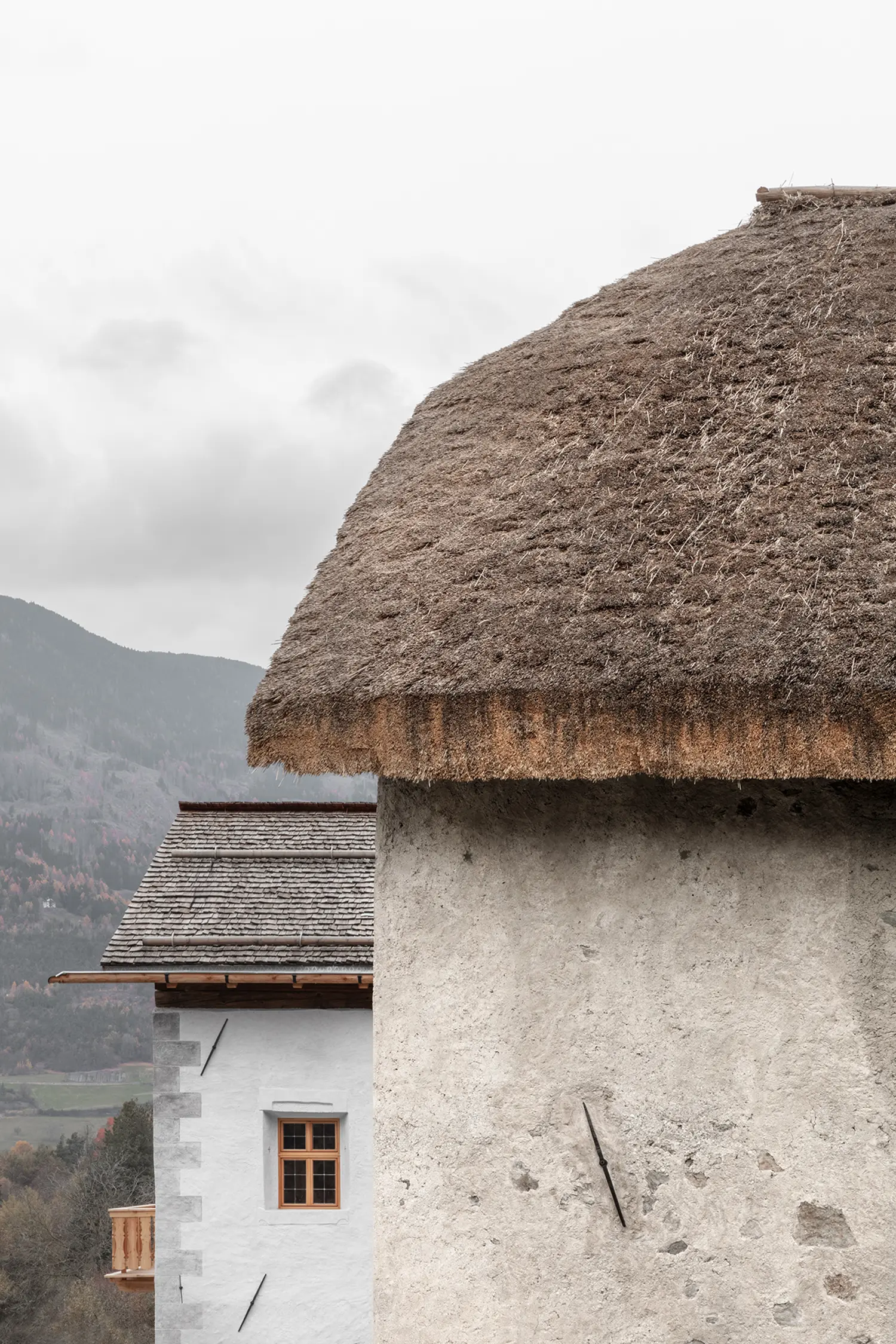
Contextual Impact. Beyond the walls of the farmhouse, the project serves as a manifesto for conscious building. In an era of rapid construction, Oberbuchfelder stands as an example of how heritage conservation can contribute to a modern identity. Raumdrei Architekten has not only saved a structure from decay but has enriched the South Tyrolean architectural discourse by demonstrating that the most innovative path forward often involves looking deeply into the past.
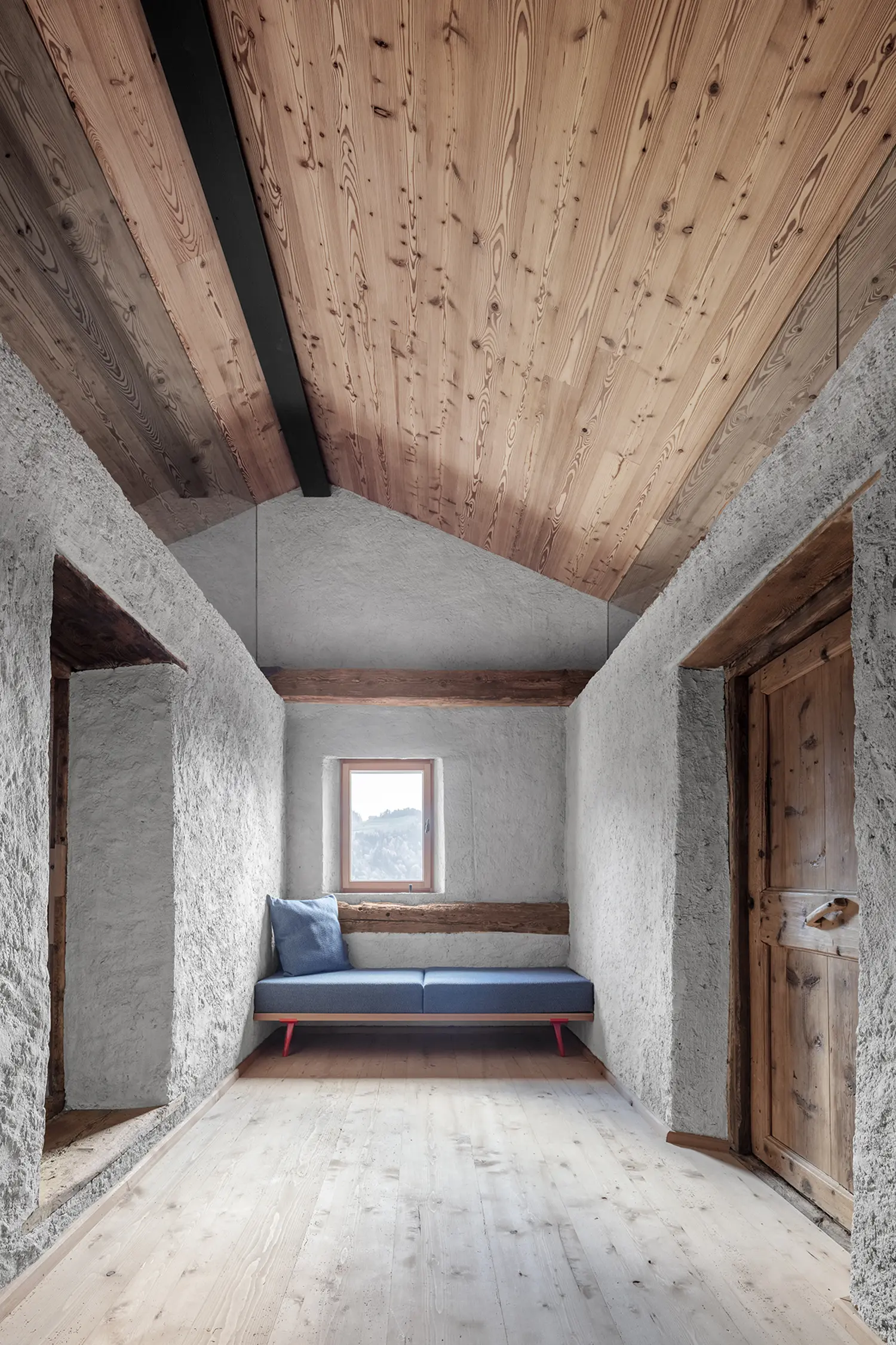
Global Perspectives on Heritage. The sensitive revitalization seen at Oberbuchfelder reflects a growing international movement toward reclaiming rural identities. Similar explorations in adaptive reuse can be found in the Strazne Cottageby Mimosa Architects in the Czech Republic, or the Pyrenees Workshop Renovation by Mesnil Architectures, which both share this commitment to material honesty. In Poland, the Red House by Aleksandra Hyz showcases a different tonal approach to history, while Atelier FCA’s Winemaker House in Burgundy and Studio Plys’s Borova Lada Cottage further illustrate the diverse ways studios are currently negotiating the delicate balance between preservation and modern habitability.