



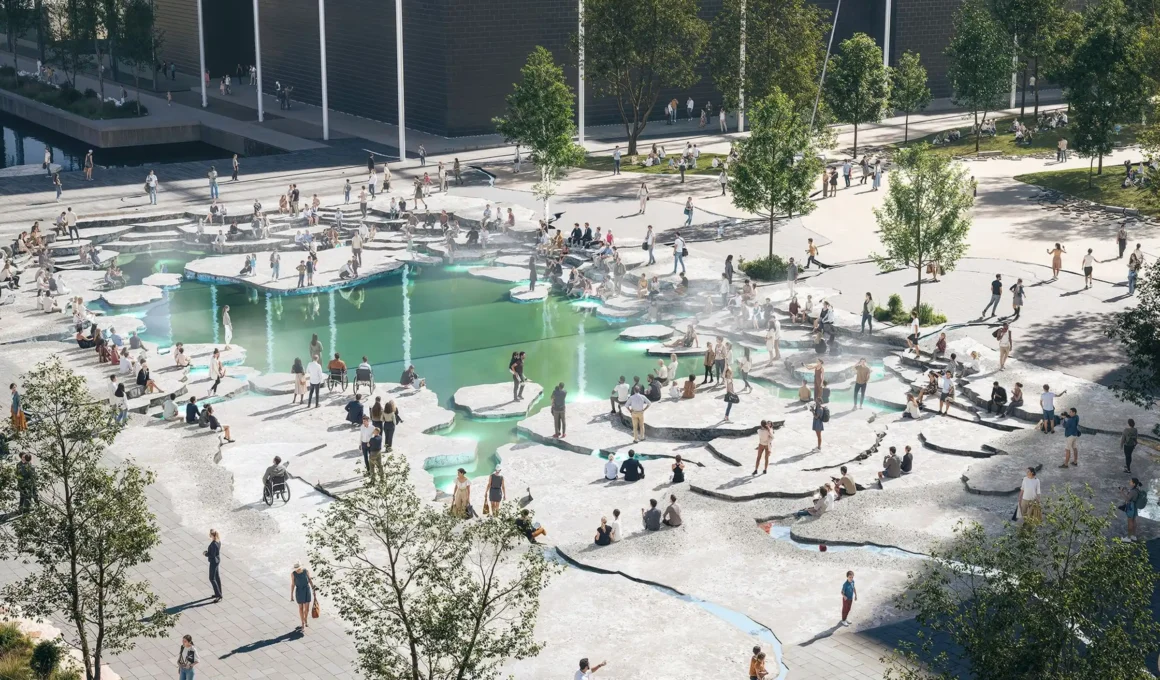
Copenhagen’s Ørestad district, a canvas for bold urban experimentation, is witnessing a profound transformation. Spearheaded by the visionary BIG Architects, a trio of interconnected public plazas is emerging as a dynamic heart, challenging conventional notions of urban design and injecting vibrant life into the master-planned area. This ambitious intervention, conceived as “urban acupuncture,”demonstrates how strategic architectural gestures can fundamentally reshape a city’s experience, fostering community engagement and celebrating sustainable urban development.
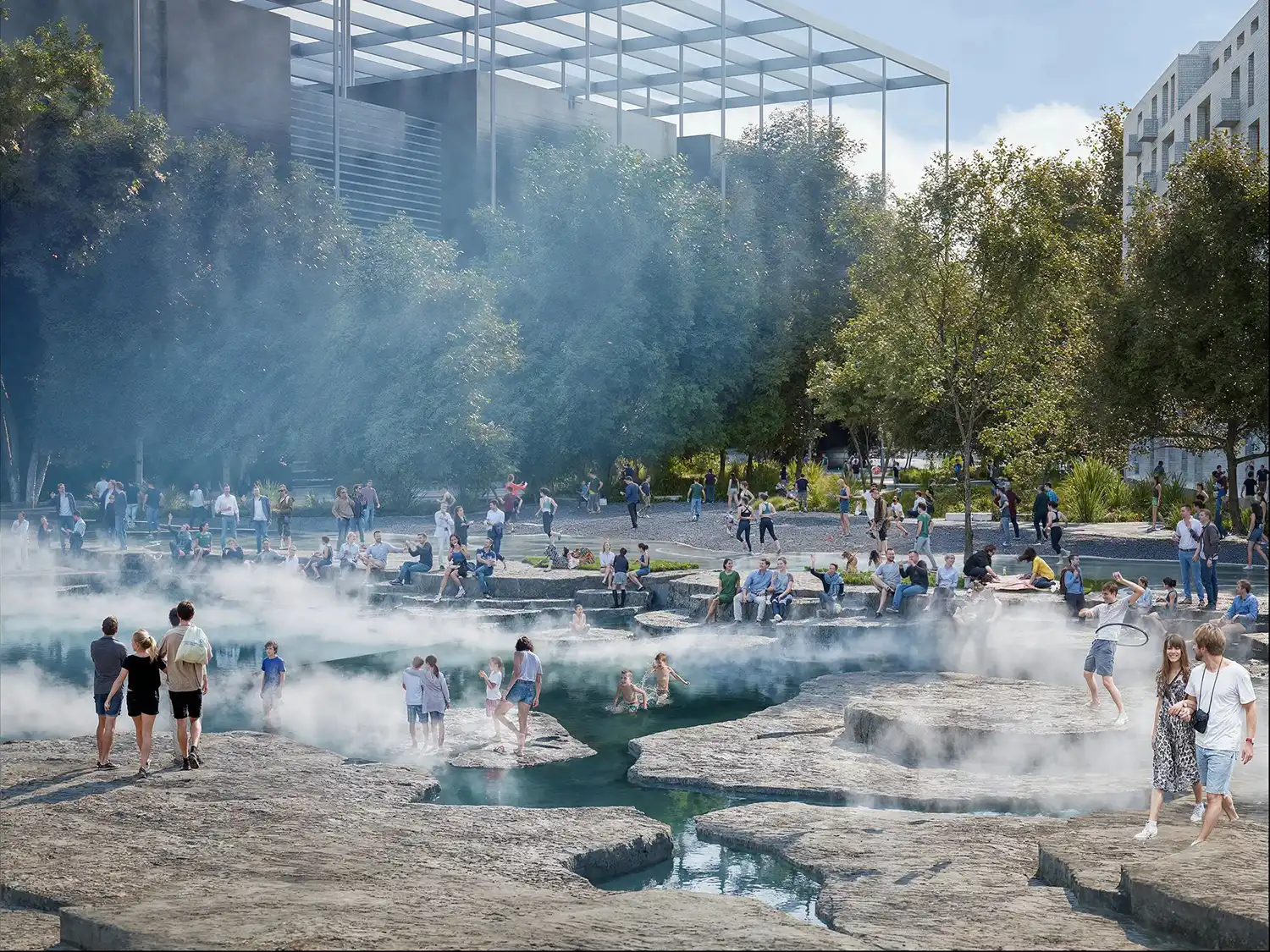
Moving beyond flat expanses of paving, BIG has masterfully sculpted the ground plane itself. Their concept of “cracked terrain” introduces dramatic folds, slopes, and fissures into the landscape. These aren’t merely aesthetic choices; they create diverse micro-environments – sheltered nooks, elevated vantage points, sunken gathering spots – inviting exploration and spontaneous interaction. This tactile urbanism encourages visitors to physically engage with the space, turning passive observation into active participation.
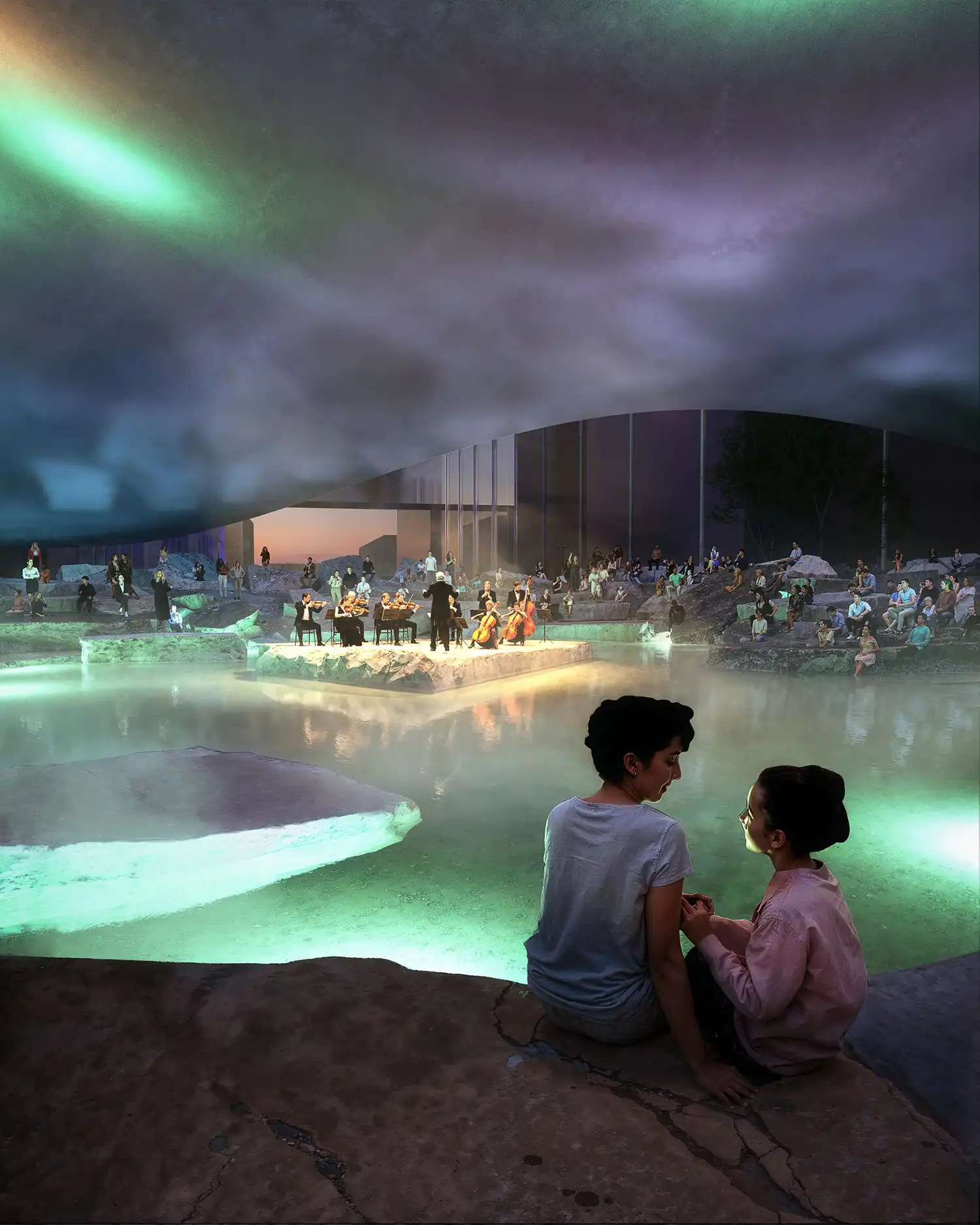
Integral to this cracked terrain is the element of water. Reflective pools and subtle channels trace the lines of the fissures, mirroring the sky and surrounding architecture. This integration of water features does more than provide visual serenity; it actively contributes to climate-resilient public spaces. The water manages rainfall, cools the microclimate during warmer months, and creates ever-changing reflections, particularly magical as daylight fades. The result is a seamless blend of landscape architecture and hardscape, softening the urban edge.
As daylight recedes, the plazas undergo a captivating metamorphosis. A sophisticated lighting design scheme, developed in collaboration with artist Doug Aitken Workshop, comes alive. Integrated lighting follows the contours of the cracked terrain, highlighting the sculpted landforms and illuminating pathways. This isn’t just functional illumination; it’s an immersive art installation, transforming the space into a glowing, dynamic landscape after dark. The interplay of light and shadow accentuates the unique topography, ensuring the plazas remain vibrant destinations around the clock.
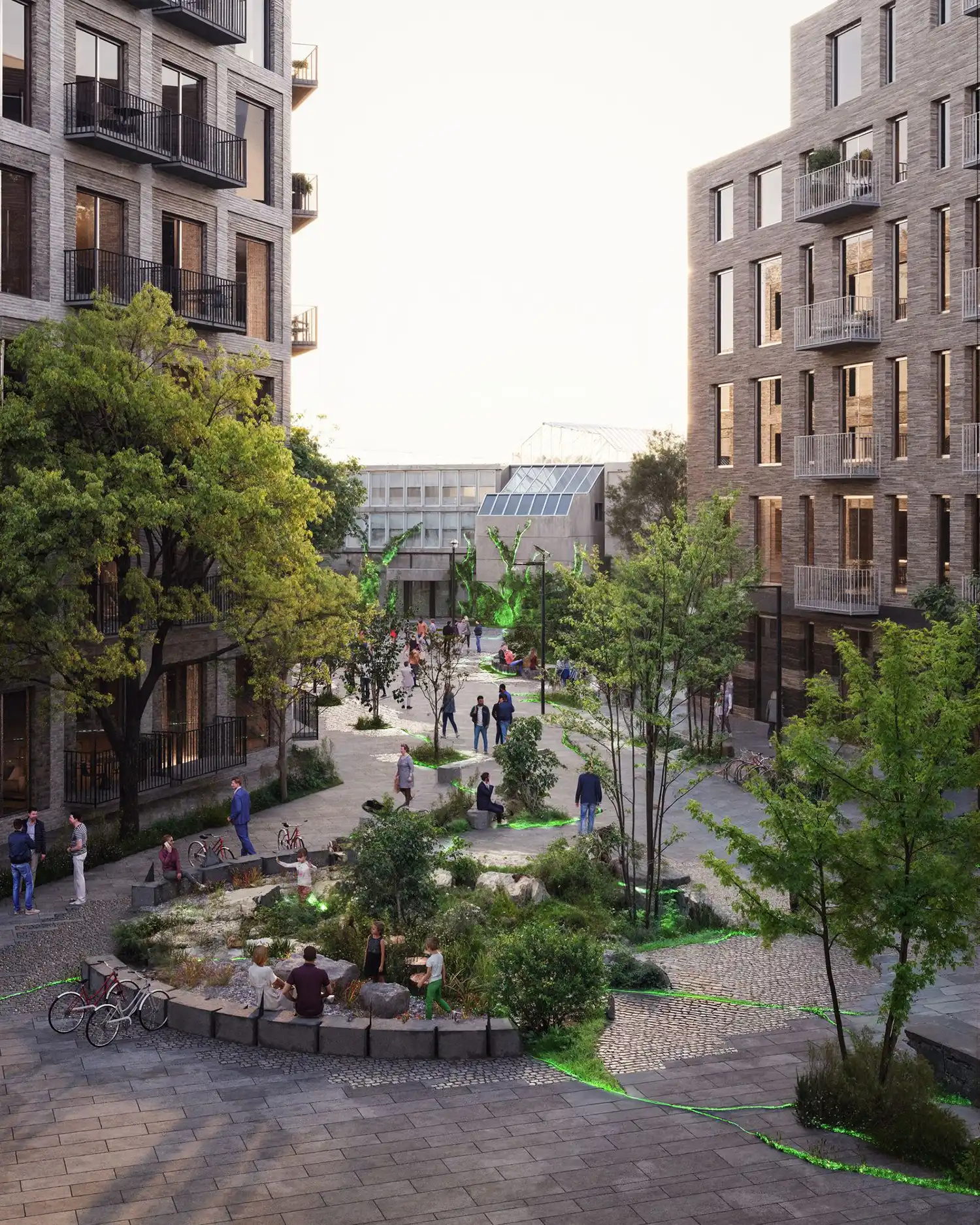
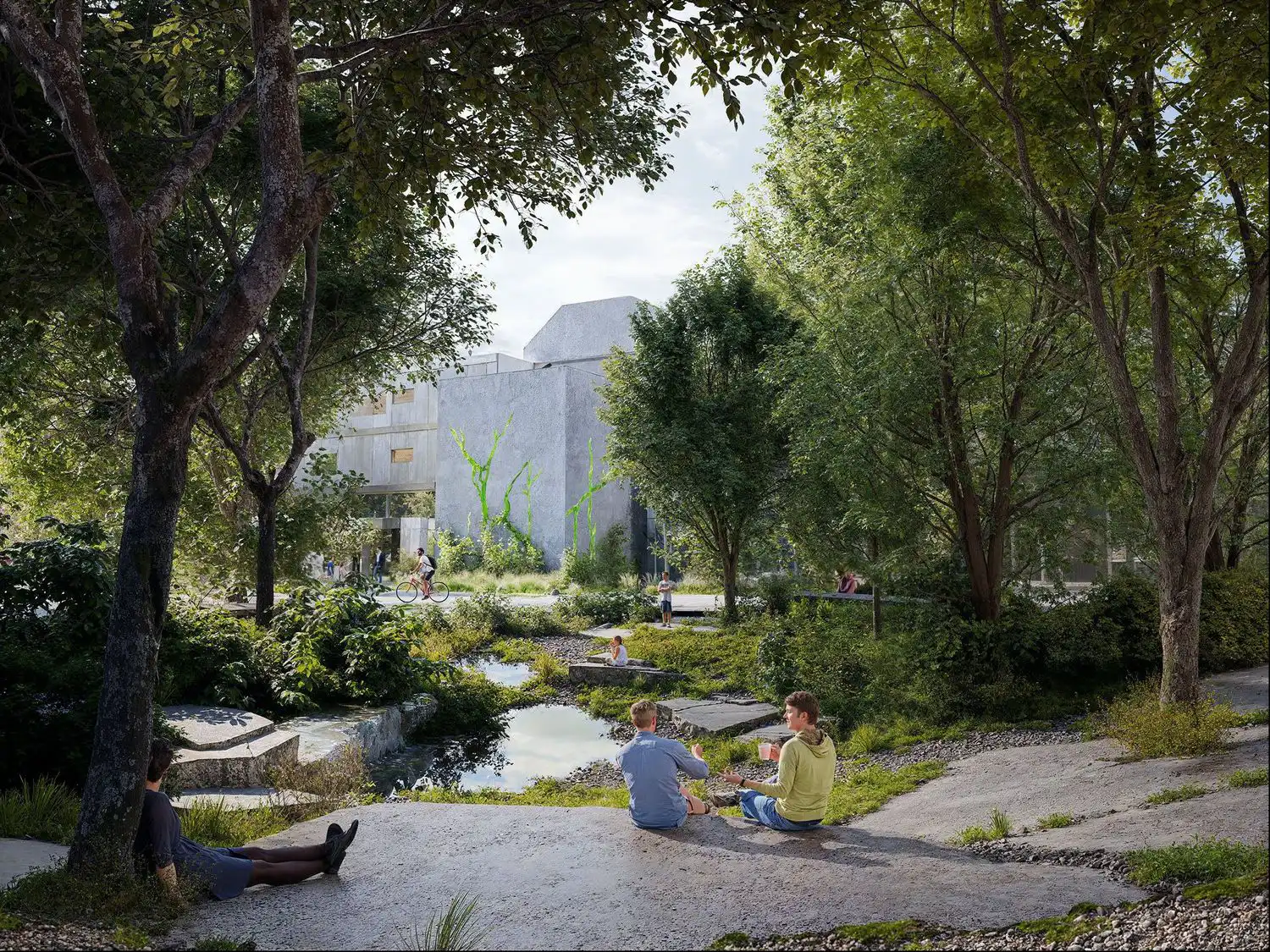
Lush greenery is not an afterthought but a foundational layer. Strategically placed trees, shrubs, and ground cover emerge from the cracks and line the plazas’ edges. This commitment to urban biodiversity provides essential shade, improves air quality, absorbs noise, and creates pockets of natural tranquility amidst the urban energy. The integration of nature reinforces the project’s core principles of sustainable urban development and enhances the overall well-being of users.
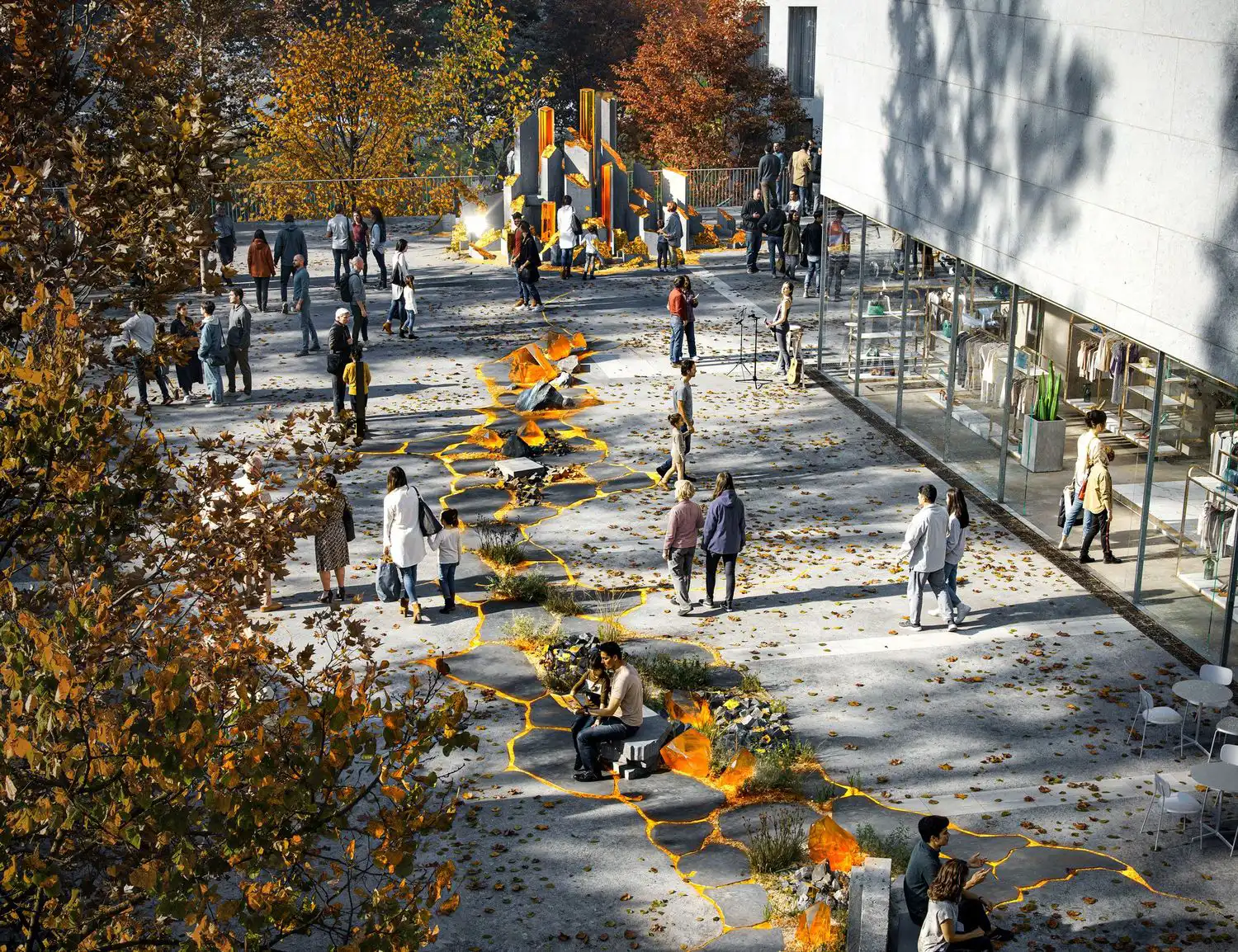
The impact of BIG Architects’ work in Ørestad extends far beyond aesthetics. These interconnected plazas are powerful catalysts for community engagement. By offering a rich tapestry of spaces – from quiet contemplation zones near water to active social hubs on elevated platforms – they attract diverse users: residents, workers, students, and visitors. They foster chance encounters, provide venues for events, and establish a vital sense of place. This project exemplifies how innovative public space design can transform underutilized urban areas into thriving, human-centric environments.
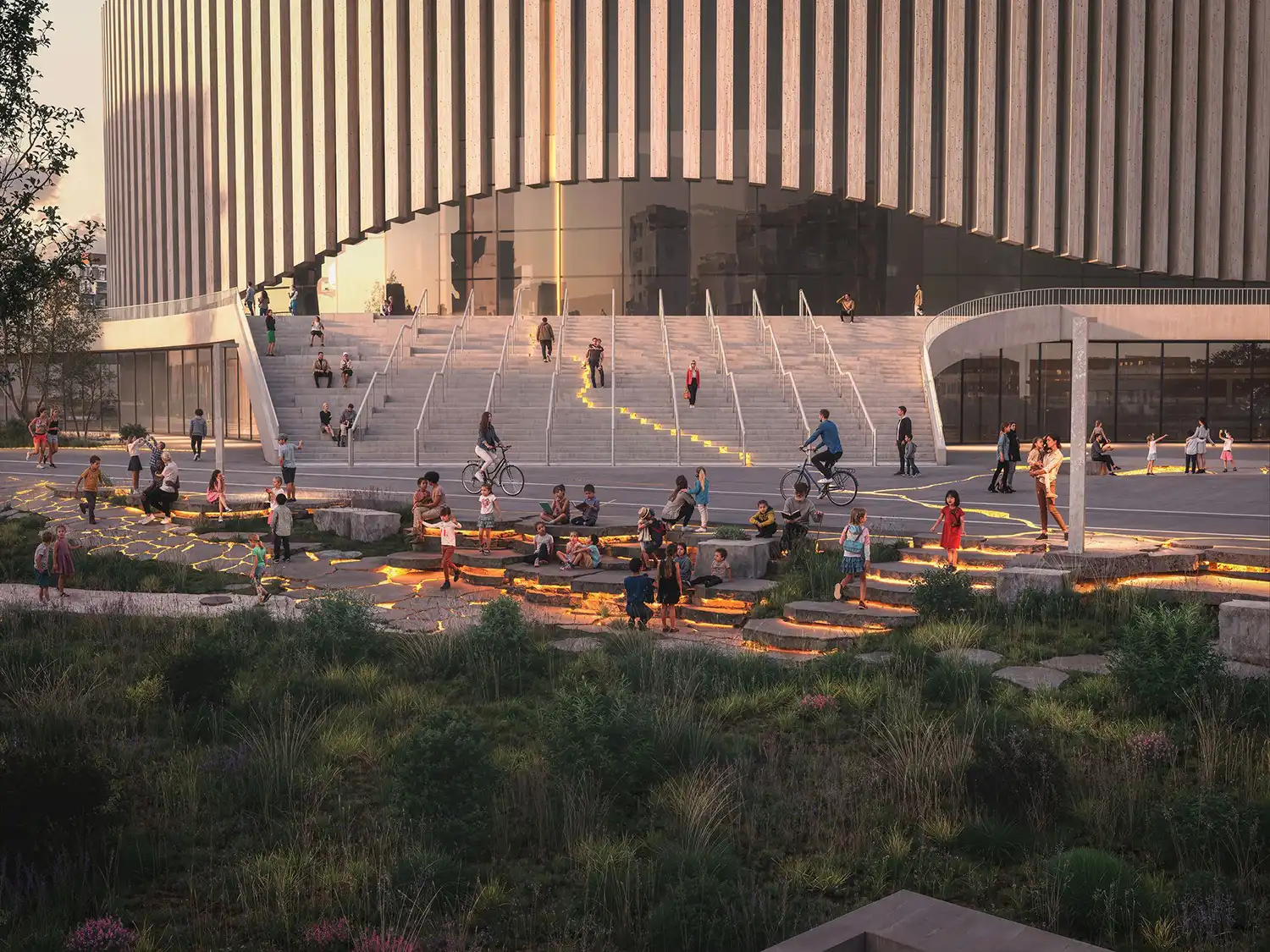
Ørestad’s new plazas stand as a testament to BIG Architects’ ability to envision and deliver future-forward urban spaces. By masterfully blending sculpted landforms, reflective water, dynamic light, and essential greenery, they haven’t just designed plazas; they’ve created a multi-sensory, resilient, and deeply engaging urban ecosystem. This project sets a compelling benchmark for sustainable, people-focused urban development globally, proving that even within a structured masterplan, the unexpected crack can become the source of the greatest vitality.