



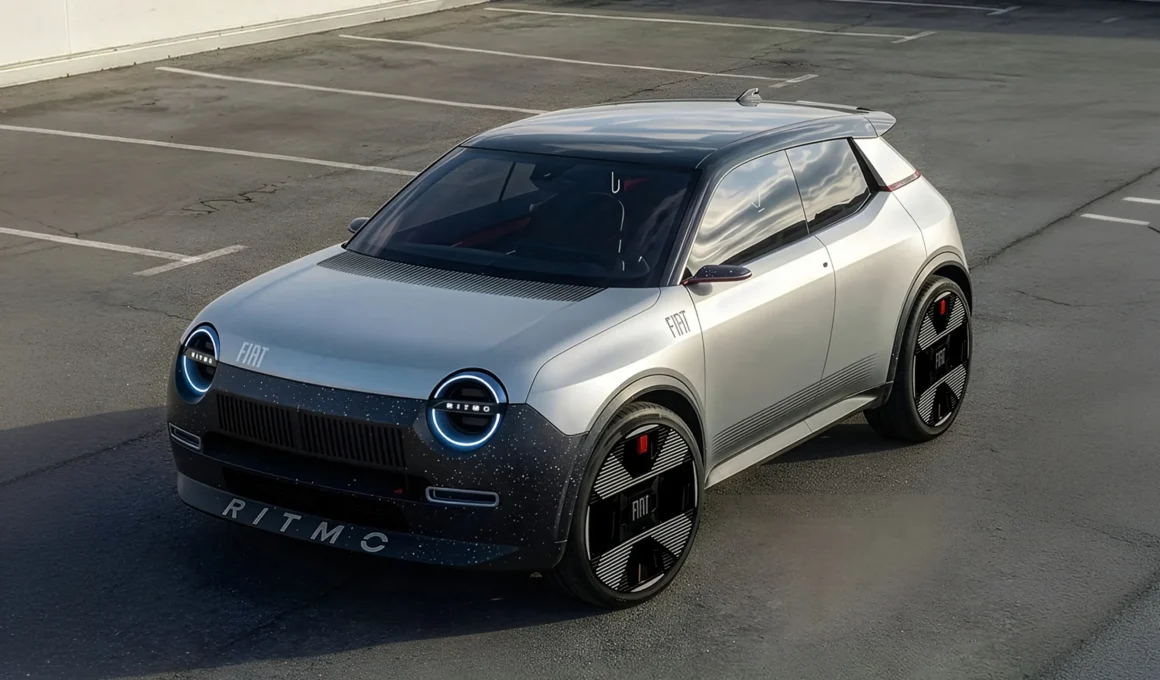
A nostalgic return to Italian roots. The 1970s marked a radical shift in the automotive industry, characterized by a move away from soft curves toward the sharp, utilitarian geometry of the “wedge” era. Among these icons, the Fiat Ritmo stood out as a bold experiment in merging car design with the principles of pure product design. Today, young designer Antonino Barone has revisited this legacy, crafting a contemporary styling exercise that translates the original’s unconventional spirit into a futuristic, high-performance silhouette. For Barone, this project is more than a digital render; it is a response to an era of increasing component standardization, where the emotional weight of a vehicle often risks being lost.
The genesis of a designer’s vision. Barone’s journey into the world of transportation design began long before he mastered complex 3D software. He traces his passion back to his earliest childhood memories: “When I was just a few months old, I would only sleep if my grandmother took me for a ride in her beige 1969 Fiat 500L.” This early immersion in Italian automotive culture evolved from schoolbook sketches into a professional pursuit. His path mirrors that of many aspiring creatives who find their calling through prestigious institutions like the IED Torino Transportation Design course, where the technical foundation for such ambitious projects is laid.
Inspiration for the next generation. For those inspired by this career path, Barone’s work serves as a reminder that a deep-seated emotional connection to the subject is often the most critical ingredient in innovation. While technical skills are essential, the ability to reinterpret a historical legacy requires a specific sensitivity. By sharing his process, Barone contributes to a growing dialogue about how young designers can leverage heritage to find their unique voice in a competitive global market, much like other breakthrough styling exercises we have featured on urdesign.

Bridging product design and automotive form. While many designers gravitate toward the aggressive curves of supercars, Barone chose the Fiat Ritmo specifically for its unique position in the design landscape. Unlike the “roar of an engine” typical of a Ferrari, the Ritmo’s appeal lies in its functionalist roots. Barone notes that the original model “represents a link between Product Design and Car Design, which is more relevant today than ever before.” By focusing on a car that was historically accessible and practical, he explores how a vehicle can arouse emotion through clever geometric proportions rather than sheer speed.
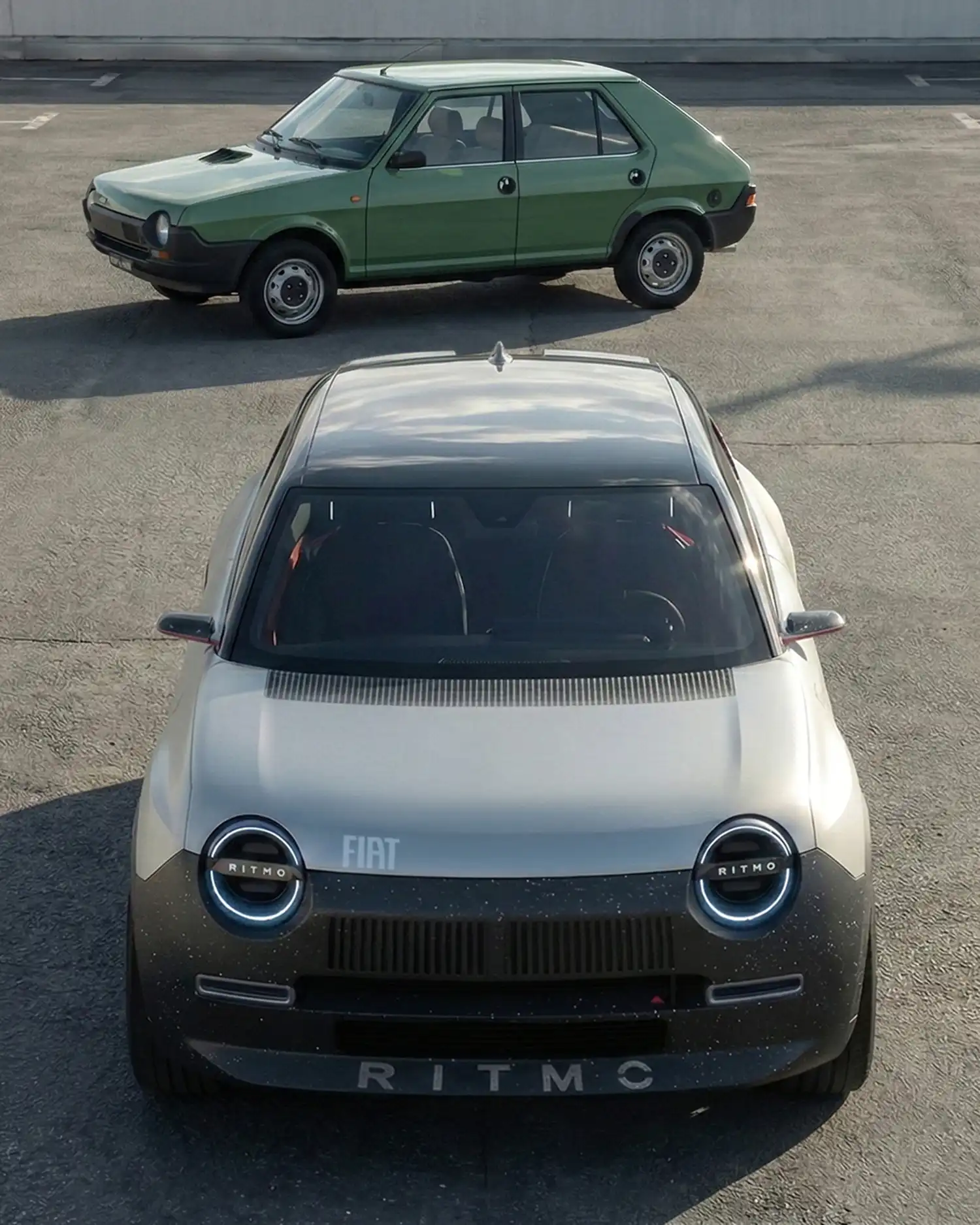
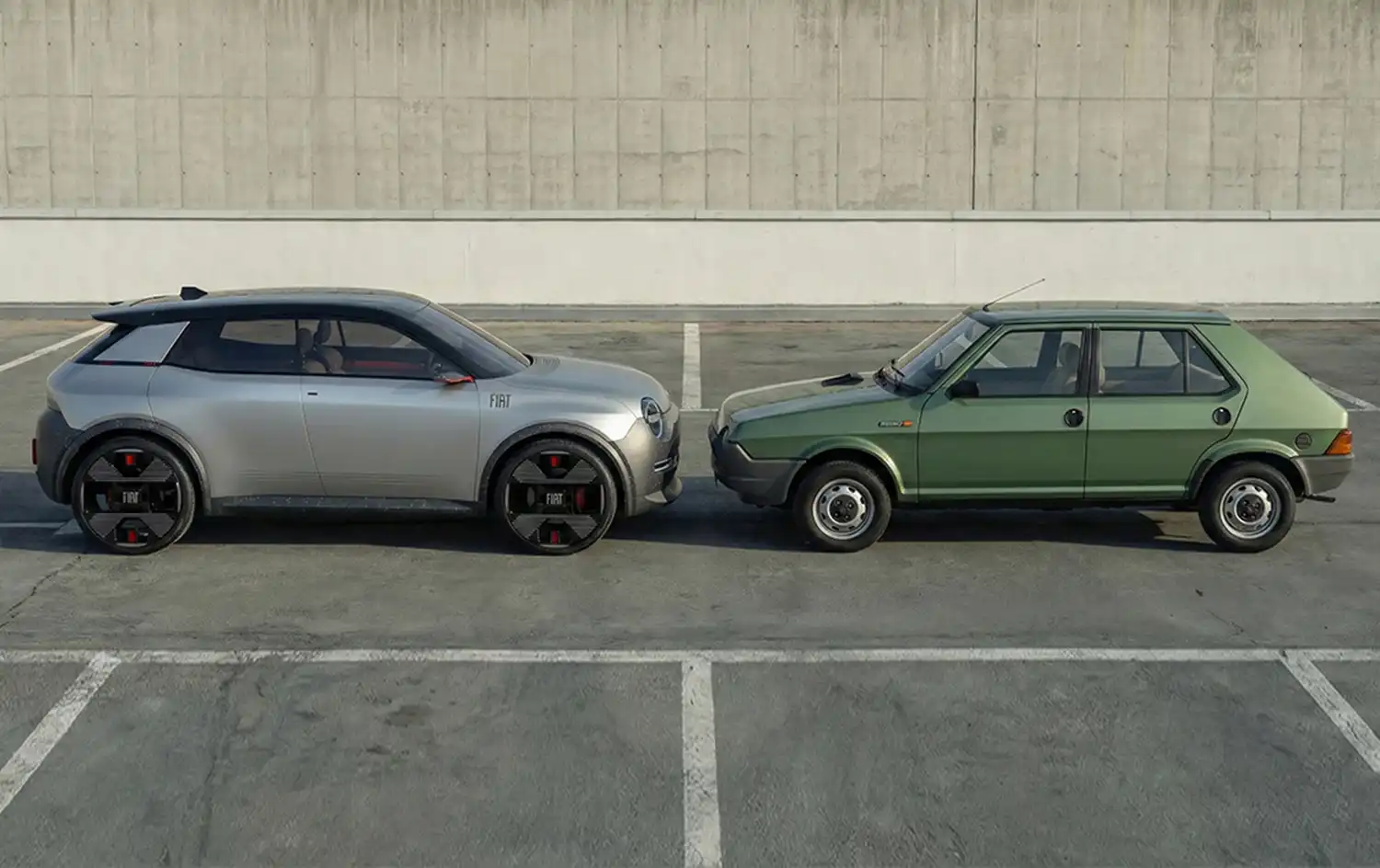
Reinterpreting the iconic silhouette. In modernizing the 1978 original, Barone focused on maintaining the solid volumes that defined the first generation Fiat while injecting a sense of raw power. One of the most striking departures is the stance: as a self-proclaimed perfectionist, he chose to “occasionally break the rules of feasibility and emphasize proportions,” most notably through exaggerated wheel diameters and a lowered roofline. A side-by-side comparison with the original green 1978 Ritmo reveals how Barone has transformed the compact hatchback into a muscular, wide-bodied concept that commands attention on the road.
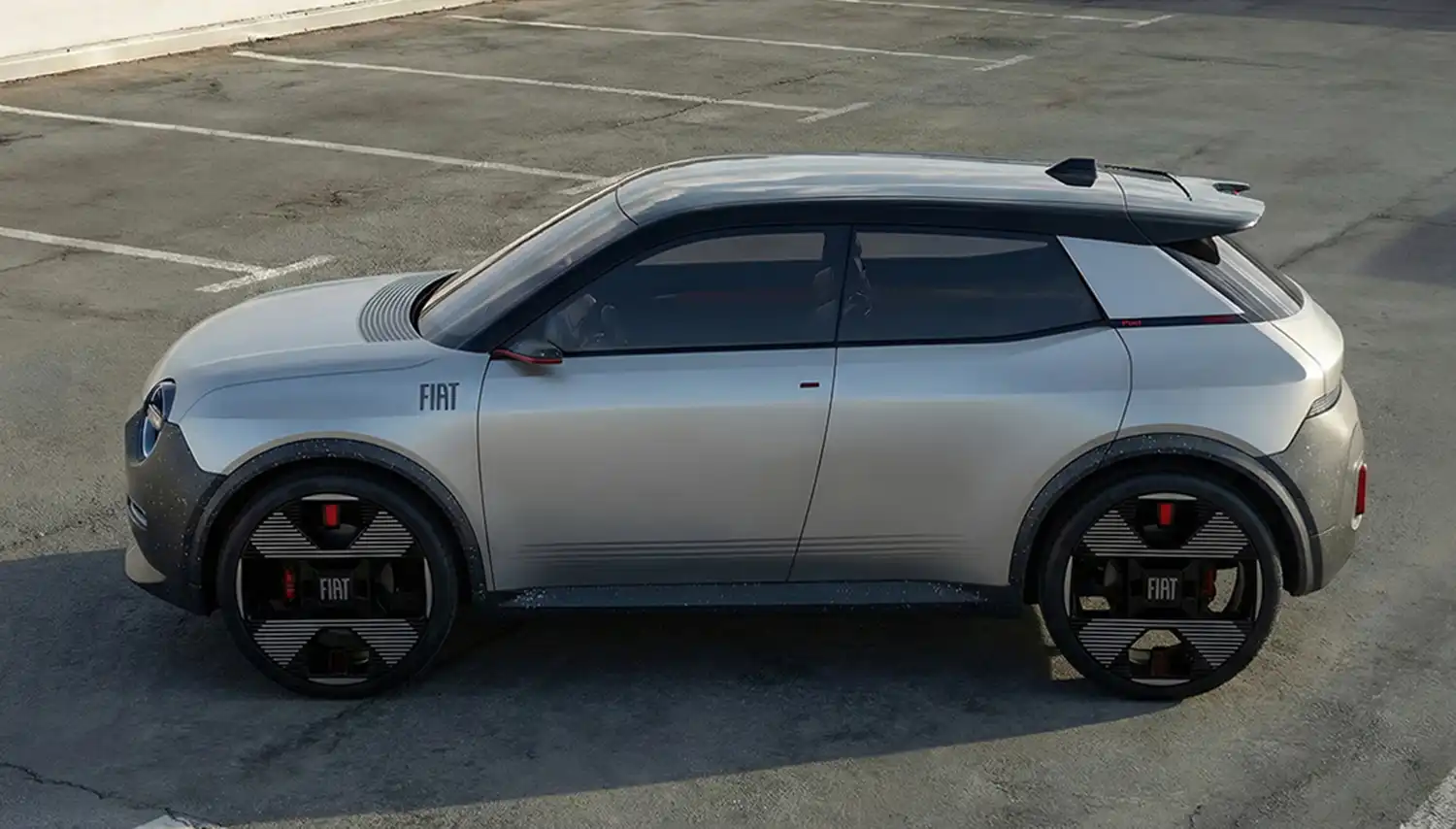
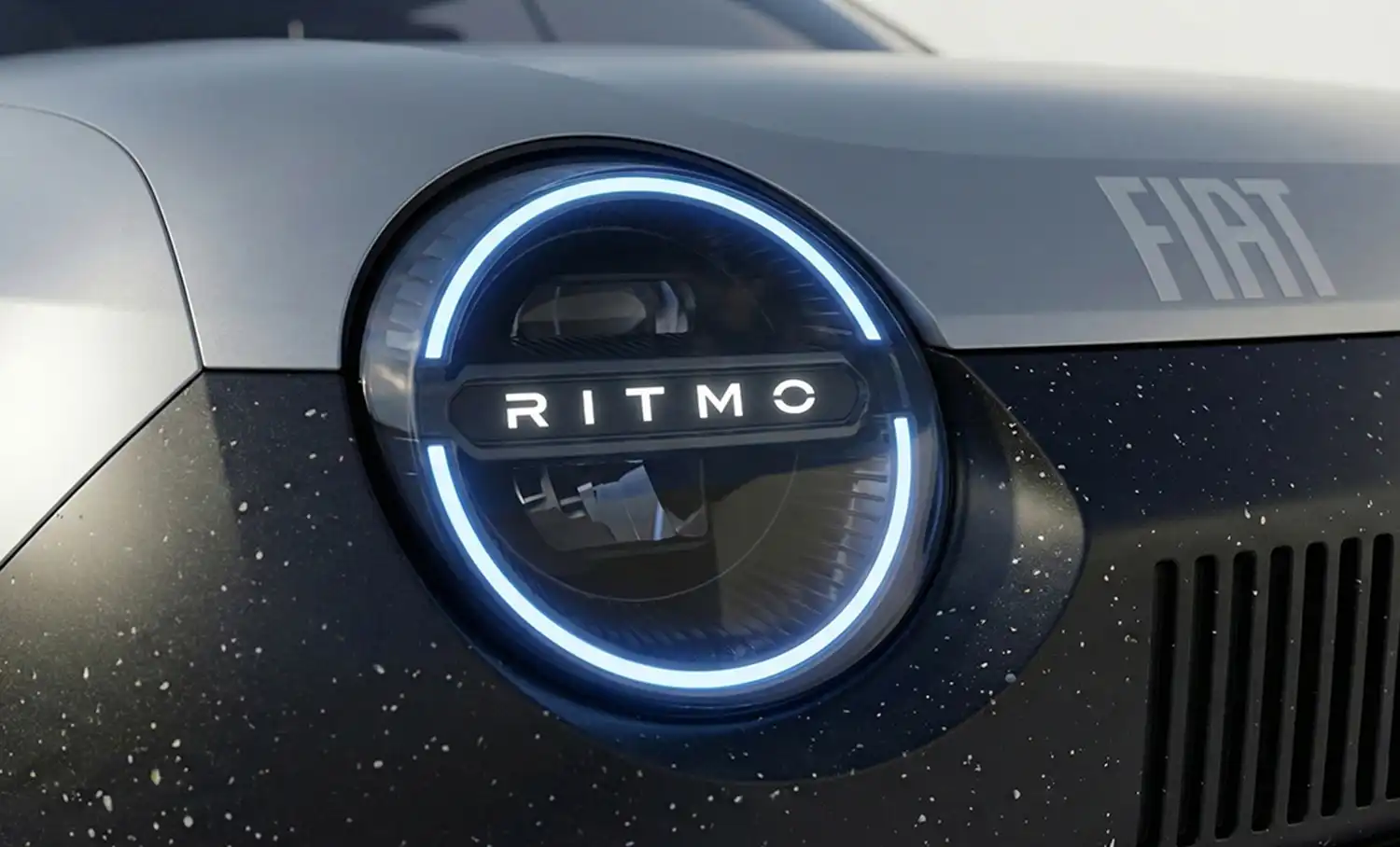
Materiality and the DNA of functionality. The most recognizable elements of the original Ritmo were its integrated circular headlights and plastic bumpers—a radical departure for its time. Barone’s redesign honors this by utilizing darker speckled recycled plastic for the lower body cladding, creating a sharp, tactical contrast with the sleek silver bodywork. “In my opinion, the thing that made this model most iconic are the front and rear lights, included in the bumpers,” Barone explains. By reimagining the headlights as high-tech LED rings and the rear lights as a minimalist pixelated bar, the project moves beyond a simple retro-tribute and becomes a commentary on the future of circular manufacturing.
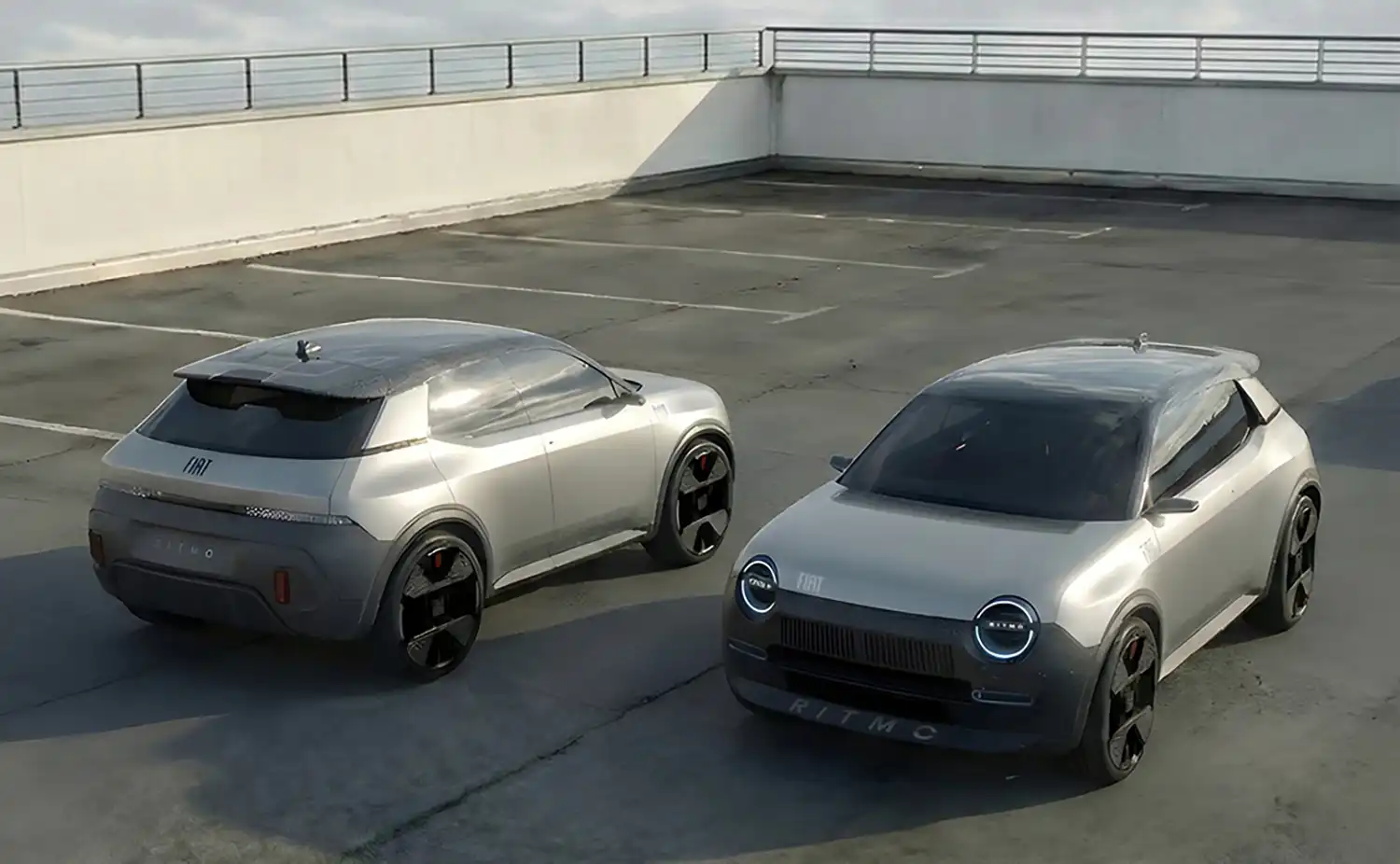
The human touch in an automated future. Beyond the technical execution, Barone’s Ritmo concept serves as a manifesto for the importance of the designer’s intuition. As AI-driven design tools become more prevalent, he argues that the essence of “taste” remains a uniquely human quality. For Barone, this styling exercise is a “tribute to the great ingenuity of Italian industry” and a plea for the future of the craft. He remains hopeful that, despite the help of the latest technologies, the human element will remain central. In an increasingly digital world, his work stands as a testament to the power of memory and the enduring relevance of Italian style.