



The rapid professionalization of digital forgery has turned the principles of high-end User Experience (UX) into a double-edged sword, where the very “seamlessness” we strive for in modern design is now being weaponized to facilitate sophisticated phishing attacks. By examining the aesthetic of trust—much like the regulatory visual language of pharmaceutical packaging—this editorial deconstructs how cyber-criminals hijack brand equity to bypass human intuition. From the ethical obligations of the design community to the critical eye required by the modern consumer, we explore why security must evolve from a technical back-end requirement into a fundamental pillar of visual storytelling and identity.
The Weaponization of Seamlessness: Why “Good Design” Fails the User
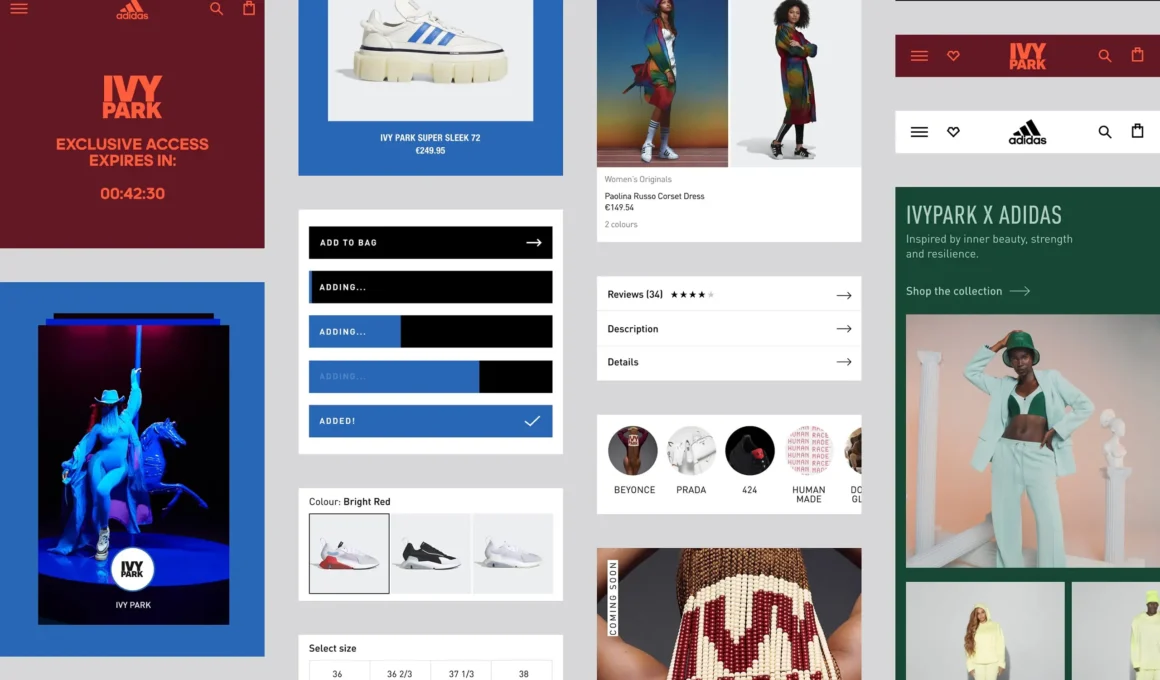
In the contemporary digital landscape, frictionless design is the gold standard. We spend thousands of hours refining User Interfaces (UI) to be so intuitive that they become invisible. However, this hegemony of minimalism has inadvertently created a massive security vacuum. When every banking app and retail platform follows the same clean, sans-serif aesthetic, the “visual ergonomics” of a legitimate site become perilously easy to replicate.
This vulnerability is exacerbated by the current trend of e-commerce sameness. As digital platforms sacrifice their unique DNA for standardized templates, they are essentially providing a “blueprint for fraud.” When brands blend into a sea of identical grids and navigation patterns, the user loses the ability to recognize the authentic brand signature that should distinguish a legitimate site from a malicious imitation.
The Designer’s Dilemma: Defensive UX and Ethical Integrity
For the creative professional, the rise of “design-led” cyber-attacks necessitates a shift toward defensive UX. We can no longer afford to prioritize speed over verification. The industry must move toward a model where brand authenticity is baked into the interaction itself.
Counter-Signature Design: Just as physical currency uses holograms and micro-printing, digital interfaces must implement “hard-to-clone” markers. This could involve personalized UI components that are unique to the user’s session or high-fidelity micro-animations that are computationally expensive to replicate in a bulk phishing kit.
The End of Dark Patterns: Integrity in design starts with the rejection of dark patterns. When legitimate brands use deceptive UI to force subscriptions or hide data settings, they train users to accept “suspicious” behavior as normal. A transparent, ethical UX is the strongest defense against external manipulation.
Contextual Friction: Sometimes, the best design is the one that slows the user down. Implementing “meaningful friction” during high-risk actions—like a visual prompt that changes color based on SSL certificate verification—can force the cognitive re-engagement necessary to spot a fraud.
Decoding the Aesthetic of Deceit: A User’s Critical Audit
To navigate this landscape, the user must adopt the mindset of a design critic. The “vibe” of a website is no longer a metric for its safety. Instead, the focus must shift to technical and structural inconsistencies that reveal the counterfeit.
The URL remains the only “unhackable” element of the brand. While a hacker can clone a CSS file in seconds, they cannot clone a domain. Beyond the browser, this vigilance must extend to the hardware level. As we analyzed in our deep dive into IoT security risks, the proliferation of connected devices has expanded the “attack surface” of our lives. A smart fridge or a connected doorbell uses the same cloud-based interfaces that are vulnerable to visual spoofing.
The modern consumer must recognize that digital identity is not just a password—it is the sum of their interactions within a trusted visual ecosystem. When that ecosystem is mimicked, the only defense is a sharp, analytical eye for the “aesthetic glitch.”
Security & Design FAQ: Navigating the New Threat Landscape
How has phishing evolved from a design perspective? Phishing has transitioned from technical exploits to psychological engineering. Criminals now use high-quality brand assets and CSS frameworks to create pixel-perfect replicas of trusted sites, making it nearly impossible to distinguish them based on looks alone.
What is the role of “Brand Equity” in cyber-attacks? Cyber-criminals hijack the trust and familiarity that a brand has built over years. By using the same visual language as a trusted company, they leverage the user’s positive emotional connection to that brand to facilitate a data breach.
Can AI-driven design help prevent phishing? Yes. Modern browsers use AI and Machine Learning to analyze page structures in real-time. Organizations like Google Safe Browsing provide automated layers of defense that identify malicious patterns before they reach the user.
Why are IoT devices particularly vulnerable to these scams? Many Internet of Things devices lack robust visual interfaces, often relying on simplified mobile apps or web portals that are easier for hackers to spoof. This makes the “entry point” for a home network significantly more exposed.
For industry-standard insights on protecting digital infrastructure, the Cybersecurity & Infrastructure Security Agency (CISA) offers extensive resources on defending against the next generation of social engineering.