



The design world often fixates on the young and the tech-savvy, overlooking a vast reservoir of experience and wisdom: our elders. A recent project, “Elders as Creatives: Directing the Design of New Mobility,” challenges this paradigm, demonstrating how generative AI can empower senior citizens to actively shape the future of autonomous transportation. Led by Donn Koh, this initiative explores the potential of co-creation between seniors aged 63-90 and cutting-edge technology.

The project’s premise is simple yet profound: who better to design for the needs of an aging population than the elders themselves? Five participants, guided by design facilitators, embarked on a journey of exploration, leveraging generative AI tools like Hypersketch, Magnific, Luma Dream Machine, and Suno. These tools served not as replacements for creativity, but as catalysts, sparking memories and conversations that fueled the design process.

Instead of focusing on technical specifications or futuristic aesthetics, the participants were encouraged to envision spaces and functionalities that resonated with their personal experiences and the needs of their loved ones. This human-centered approach yielded remarkable results. One participant, reflecting on the loss of a dear friend, designed a mobile “nature sanctuary,” a space for quiet contemplation and connection with the natural world. Another, inspired by a son’s love of the wind, conceived a “wind-chaser” vehicle, designed to capture and amplify the sensory experience of moving through the landscape. A “training pod” for a grandson, focused on playful learning and exploration, highlighted the importance of intergenerational connection.
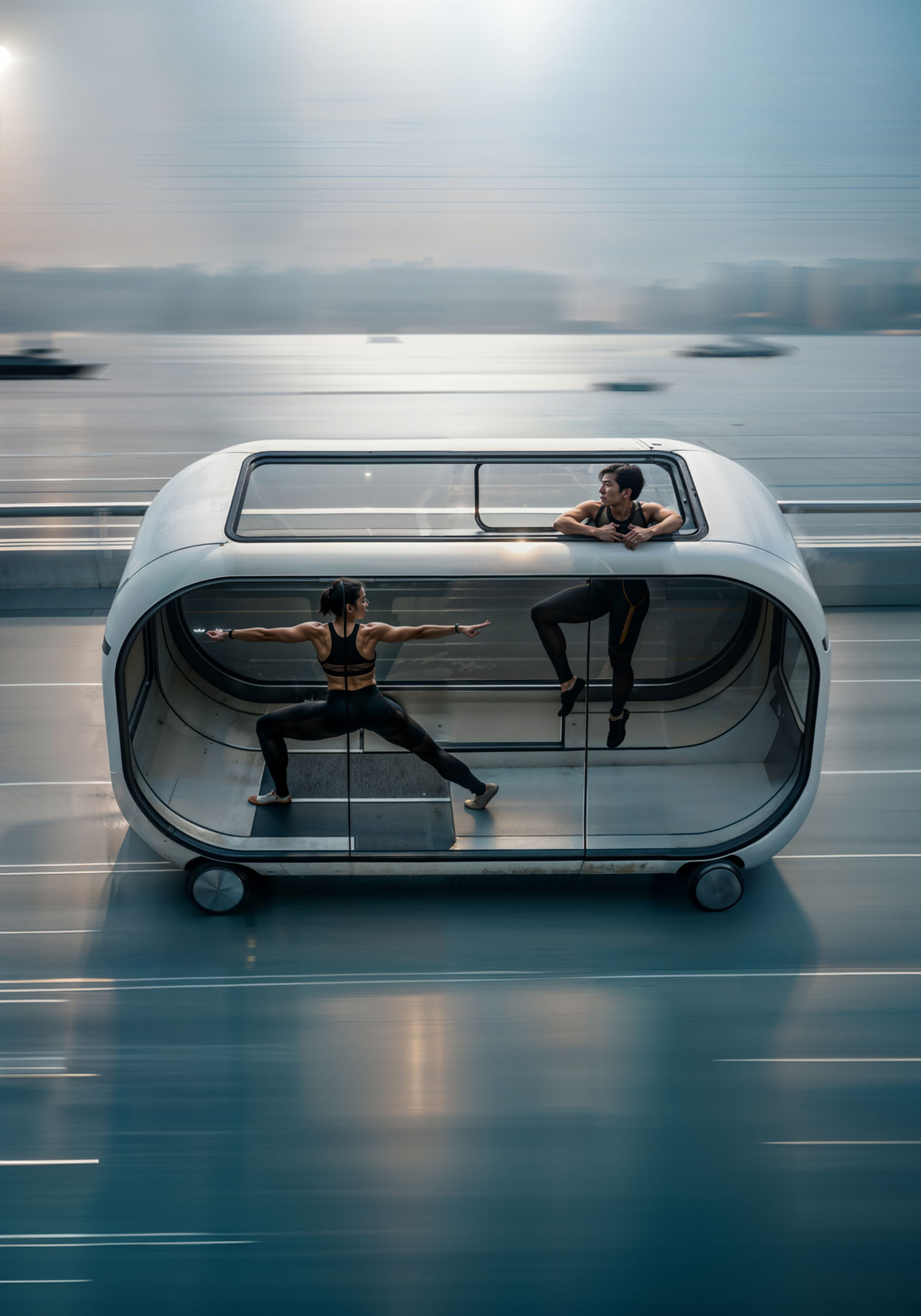
These designs weren’t just abstract concepts; they were imbued with personal meaning and emotional resonance. The generative AI tools facilitated this process, allowing participants to translate their thoughts and feelings into tangible visual representations. By interacting with AI-generated content, the elders were able to articulate their needs and desires in a way that traditional design processes might have overlooked.

“Elders as Creatives” offers a valuable lesson for the design community: technology, when used thoughtfully, can bridge the generation gap and empower marginalized voices. It demonstrates that creativity isn’t confined to the young; it’s a human capacity that flourishes with experience and perspective. This project isn’t just about designing autonomous vehicles; it’s about designing a future where technology serves humanity, regardless of age or background. It’s a testament to the power of co-creation and a reminder that the wisdom of our elders is a vital resource in shaping the world we inhabit.

The implications of this project extend beyond the realm of transportation. The methodology employed – using AI as a tool for eliciting memories, sparking conversations, and translating personal narratives into design concepts – can be applied to a wide range of fields, from healthcare to urban planning. By embracing the principles of inclusive design and leveraging the power of AI, we can create a future that is not only technologically advanced, but also deeply human.