






Furnishing a home is an exciting undertaking, a chance to sculpt a space that reflects your personality and caters to your lifestyle. However, this creative process can easily become overwhelming, leading to costly mistakes and a home that feels less like a sanctuary and more like a collection of mismatched pieces. This comprehensive guide delves into the most common pitfalls of home furnishing, offering expert interior design tips and practical solutions to help you avoid these decorating blunders and create a haven you truly love.
1. The Fatal Flaw: Neglecting the Floor Plan
Before a single piece of furniture enters your home, a well-defined floor plan is paramount. Skipping this crucial step is a cardinal decorating mistake, often resulting in cramped spaces, awkward traffic flow, and furniture that simply doesn’t fit.
The Solution: Treat your space like an architect would. Meticulously measure each room, noting window and door placements. Use graph paper or online room planning tools to create a scaled layout. Consider the function of each room and how you intend to use the space. This visualization process will prevent costly impulse buys and ensure that furniture proportions are harmonious with the room’s dimensions.
2. The Siren Song of Instant Gratification: Rushing the Process
The allure of immediate gratification can be strong, but rushing into furniture purchases without a clear vision is a recipe for disaster. Impulse buys often lead to a disjointed aesthetic and a collection of pieces that don’t complement each other.
The Solution: Cultivate patience. Develop a cohesive design vision by creating a mood board. Gather images of furniture, fabrics, and color palettes that resonate with you. This visual representation will serve as your guide, preventing you from straying from your intended style. Take your time to research different brands, compare prices, and don’t hesitate to wait for the perfect piece.
3. The Proportional Puzzle: Mastering Scale and Balance
A tiny loveseat adrift in a cavernous living room looks as out of place as an oversized armchair crammed into a small bedroom. Understanding scale and proportion is fundamental to creating a balanced and visually appealing space.
The Solution: Pay close attention to the dimensions of both your room and the furniture you’re considering. Ensure that the height, width, and depth of each piece complement the surrounding space. Consider the overall visual weight of the furniture as well. A large, dark piece will have more visual weight than a smaller, lighter-colored one.
4. The Beauty Trap: Prioritizing Aesthetics Over Functionality
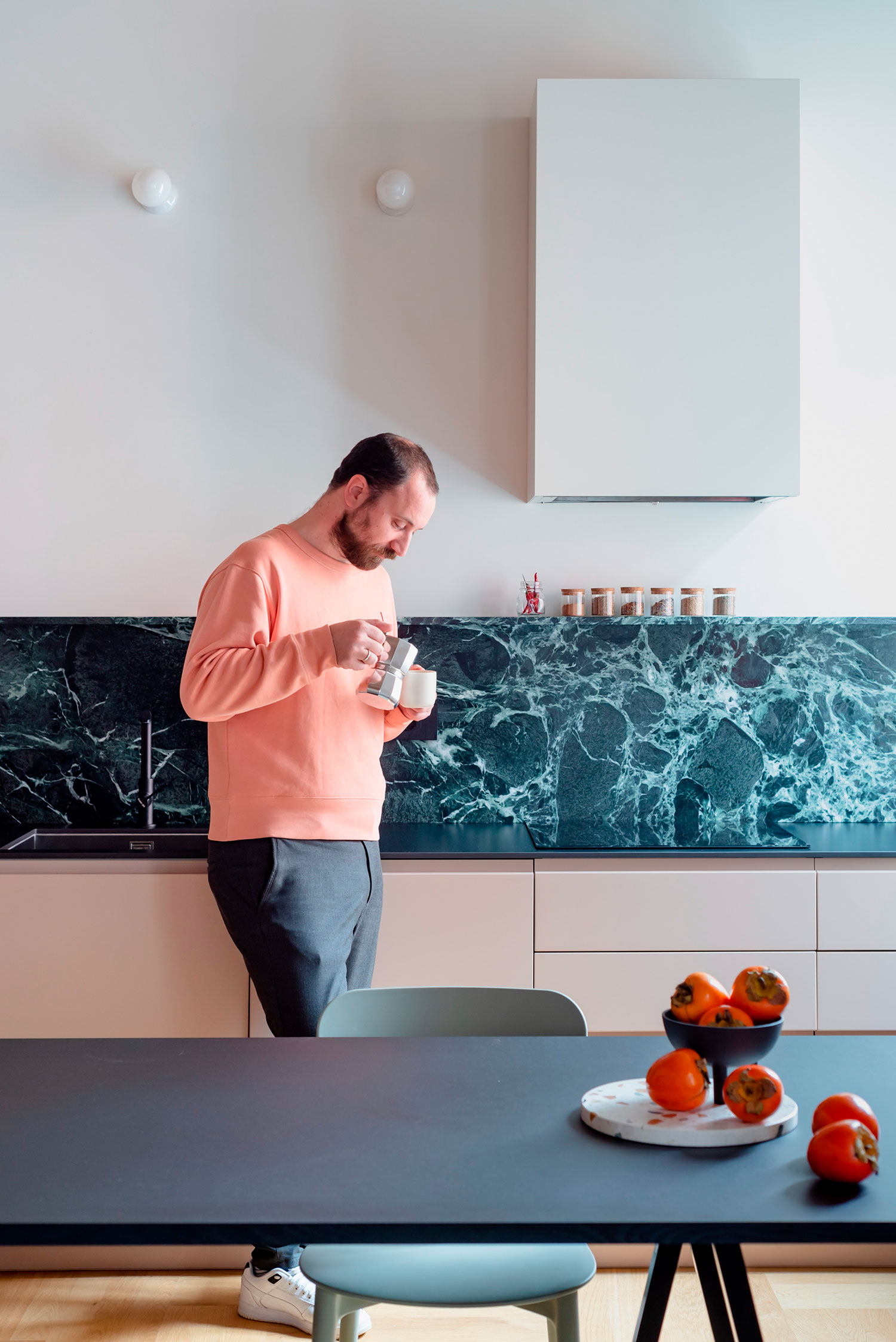
While aesthetics are undoubtedly important, they should never overshadow functionality. A stunning sofa that’s uncomfortable to sit on is a poor investment. Your home should not only look good but also serve your needs.
The Solution: Consider your lifestyle and daily routines. Do you have children or pets? Do you frequently entertain guests? Choose durable, easy-to-clean fabrics and furniture that can withstand the rigors of everyday life. Prioritize comfort and practicality alongside style.
5. The Rug Riddle: Choosing the Right Size and Placement
Rugs can define spaces, add warmth, and introduce texture. However, selecting the wrong size is a common decorating misstep that can disrupt the entire room’s composition.
The Solution: In living rooms, the rug should ideally be large enough for the front legs of all the furniture to rest on it. In dining rooms, the rug should extend beyond the edges of the table when chairs are pulled out. Don’t be afraid to use painter’s tape to visualize different rug sizes in your space before making a purchase.
6. The Illumination Illusion: Mastering the Art of Lighting
Lighting is the unsung hero of interior design. It sets the mood, highlights architectural features, and creates a warm and inviting atmosphere. Relying solely on overhead lighting can make a room feel cold and sterile.
The Solution: Layer your lighting. Combine ambient lighting (general illumination) with task lighting (focused light for specific activities) and accent lighting (decorative light to highlight specific objects). Use a combination of lamps, sconces, pendants, and dimmer switches to create a dynamic and functional lighting scheme.
7. The Blank Canvas Syndrome: Embracing Wall Decor
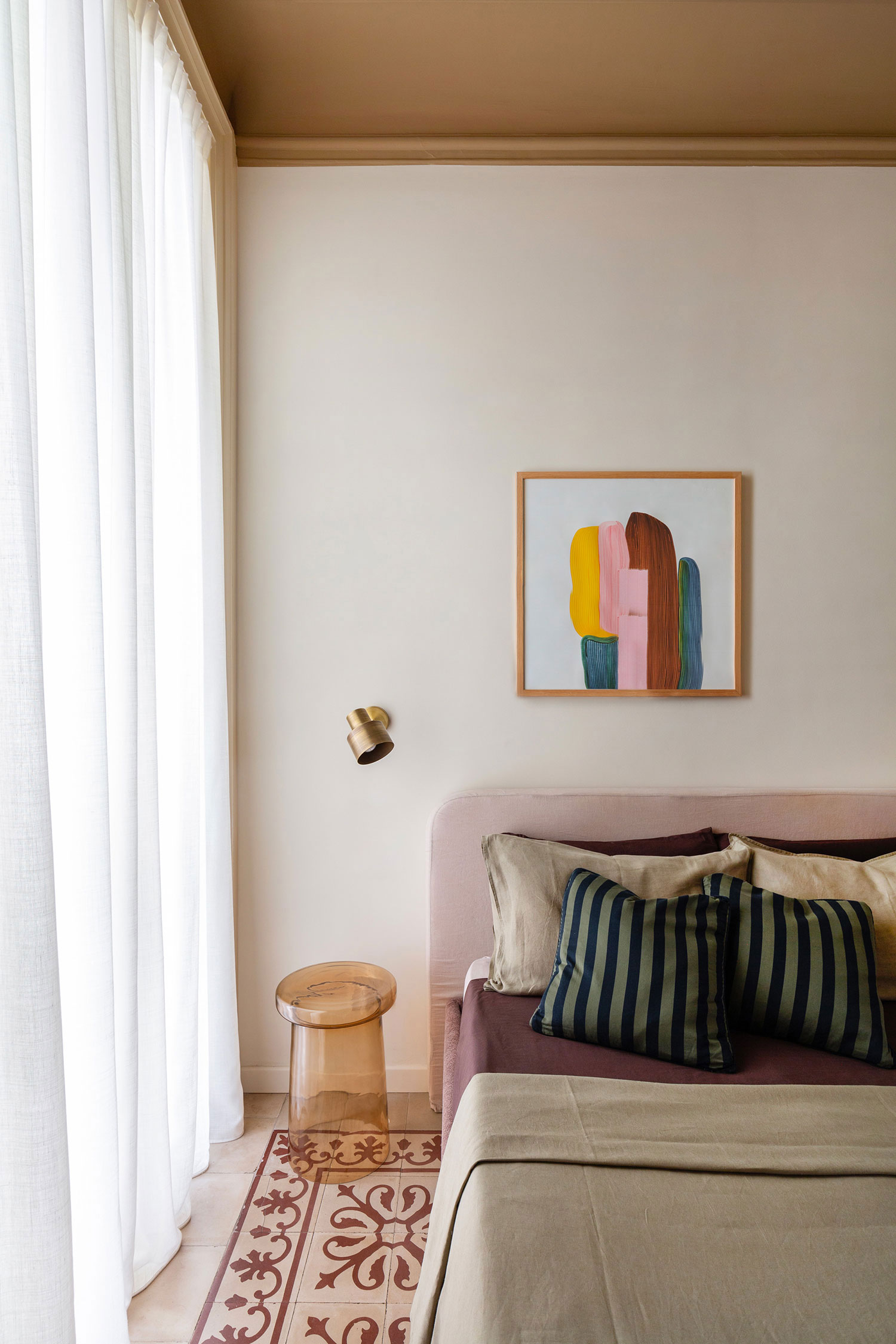
Walls are more than just structural elements; they are opportunities to express your style and add personality to your home. Neglecting them can make a room feel unfinished and impersonal.
The Solution: Explore a variety of wall decor options. Artwork, photographs, mirrors, wallpaper, and even decorative shelving can add visual interest and create focal points. Consider the scale and placement of your wall decor to ensure it complements the furniture and overall design.
8. The Style Smorgasbord: Creating Cohesion Through Design
Mixing design styles can be done beautifully, but it requires a discerning eye and a clear understanding of design principles. Simply throwing together disparate pieces without a unifying theme can result in a chaotic and jarring aesthetic.
The Solution: Choose a dominant style as your foundation and incorporate elements from other styles sparingly. Look for common threads, such as color palettes, textures, or materials, to create a sense of harmony and prevent the space from feeling disjointed.
9. The Texture Tango: Adding Depth and Interest
Texture is essential for adding depth and visual interest to a space. A room filled with only smooth, flat surfaces can feel bland and uninviting.
The Solution: Introduce a variety of textures through fabrics, rugs, throws, pillows, and decorative accessories. Consider incorporating natural materials like wood, stone, and wool. A mix of smooth and rough, soft and hard textures will create a more dynamic and engaging space.
10. The Personal Touch: Infusing Your Home with Your Story
Your home should be a reflection of you, your passions, and your experiences. Filling it with generic furniture and décor can make it feel impersonal and lifeless.
The Solution: Don’t be afraid to infuse your home with personal touches. Display artwork you love, showcase travel souvenirs, and incorporate family photos. These personal touches will transform your house from a collection of furniture into a home filled with meaning and memories.
By avoiding these common furnishing mistakes and embracing these interior design tips, you can create a home that is not only beautiful and functional but also a true reflection of your unique style and personality. Remember, the key is to plan carefully, take your time, and choose pieces that you love and that resonate with your vision. Your home should be your sanctuary, a place where you feel comfortable, inspired, and truly at home.