



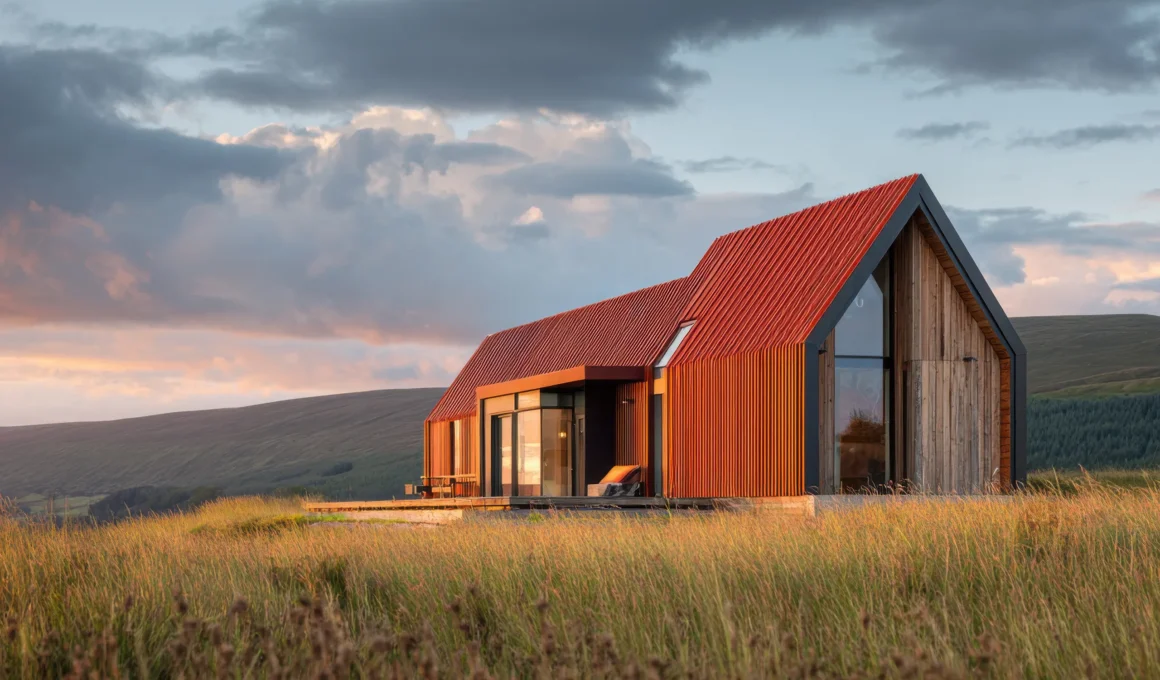
The transition toward low-carbon materials is no longer a niche architectural experiment but a practical necessity for anyone looking to build resilient, high-performance homes.
Understanding the embodied carbon of a structure requires a shift in perspective, moving from seeing materials as static components to viewing them as active participants in a global ecosystem. For both the industry professional and the private self-builder, the choice of a low-carbon material is a decision that balances regional availability, climatic performance, and the specific demands of the building’s typology.
A Global Atlas of Construction Methods
The approach to sustainable architecture varies significantly across the globe, dictated by heritage and local supply chains. In North America, where light-frame construction is the standard, the evolution focuses on Mass Timber and advanced wood composites that replace carbon-intensive steel studs. These systems offer high seismic resilience and rapid assembly, making them ideal for the fast-paced residential markets of the Pacific Northwest or the East Coast.
Conversely, in Europe, the focus remains on durability and thermal inertia. Here, we see a sophisticated revival of low-carbon materials like hempcrete and clay-based blocks. These materials are particularly suited to the temperate and Mediterranean climates, where managing humidity and heat gain is more critical than mere insulation. In these regions, the “bio-home” is a heavy, breathable structure that interacts with the sun and the wind.
Residential vs. Commercial: The Material Divergence
The selection of low-carbon materials also diverges based on the building’s scale and use. In private residences, the priority is often indoor air quality and tactile comfort. Natural plasters, cork insulation, and rammed earth provide a “soft” infrastructure that regulates the micro-climate of a home without mechanical intervention. For the individual homeowner, these materials represent a long-term investment in health and well-being.
In the commercial sector, however, the criteria shift toward structural efficiency and fire safety. High-traffic buildings, such as the Malpensa Hospital project by Zaha Hadid Architects, require materials that can handle immense loads while minimizing their environmental footprint. This is where low-carbon concrete (LC3) and recycled steel play a crucial role, providing the necessary strength for public infrastructure while adhering to modern circular constructionprinciples.
Climatic Adaptation: Building for the Environment
A material that performs excellently in a dry, arid region may fail in a high-humidity tropical zone. Low-carbon materials like bamboo and engineered grasses are revolutionizing construction in Southeast Asia and parts of South America due to their rapid growth cycles and natural resistance to moisture. These bio-based systems allow for lightweight, ventilated structures that significantly reduce the “heat island” effect in dense urban areas.
In colder, northern latitudes, the strategy shifts toward carbon sequestration through high-performance timber envelopes. Using wood as a primary structure not only locks away carbon for decades but also provides a naturally warm aesthetic that complements bioclimatic design and passive strategies. By aligning material choice with the specific challenges of the local weather, architecture moves from being a barrier against nature to being a part of it.
The Future of Material Intelligence
Whether you are managing a large-scale development or overseeing your own home renovation, the tools for transparency are now within reach. Resources like the Carbon Leadership Forum offer the technical depth needed to navigate the lifecycle assessment of these new systems.
The most successful projects of this era will be those that integrate local wisdom with global innovation. Investing in low-carbon materials is not just about meeting a regulatory quota; it is about reclaiming the craft of building. It is about creating spaces that are technically advanced, environmentally restorative, and, above all, a pleasure to inhabit.