



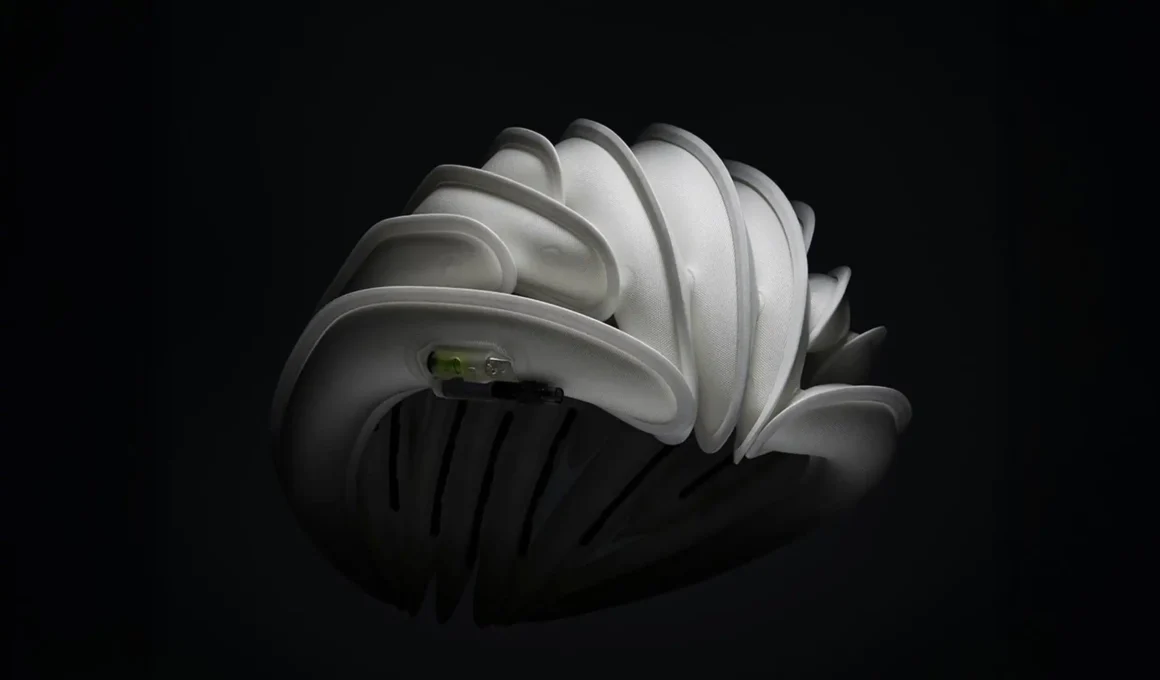
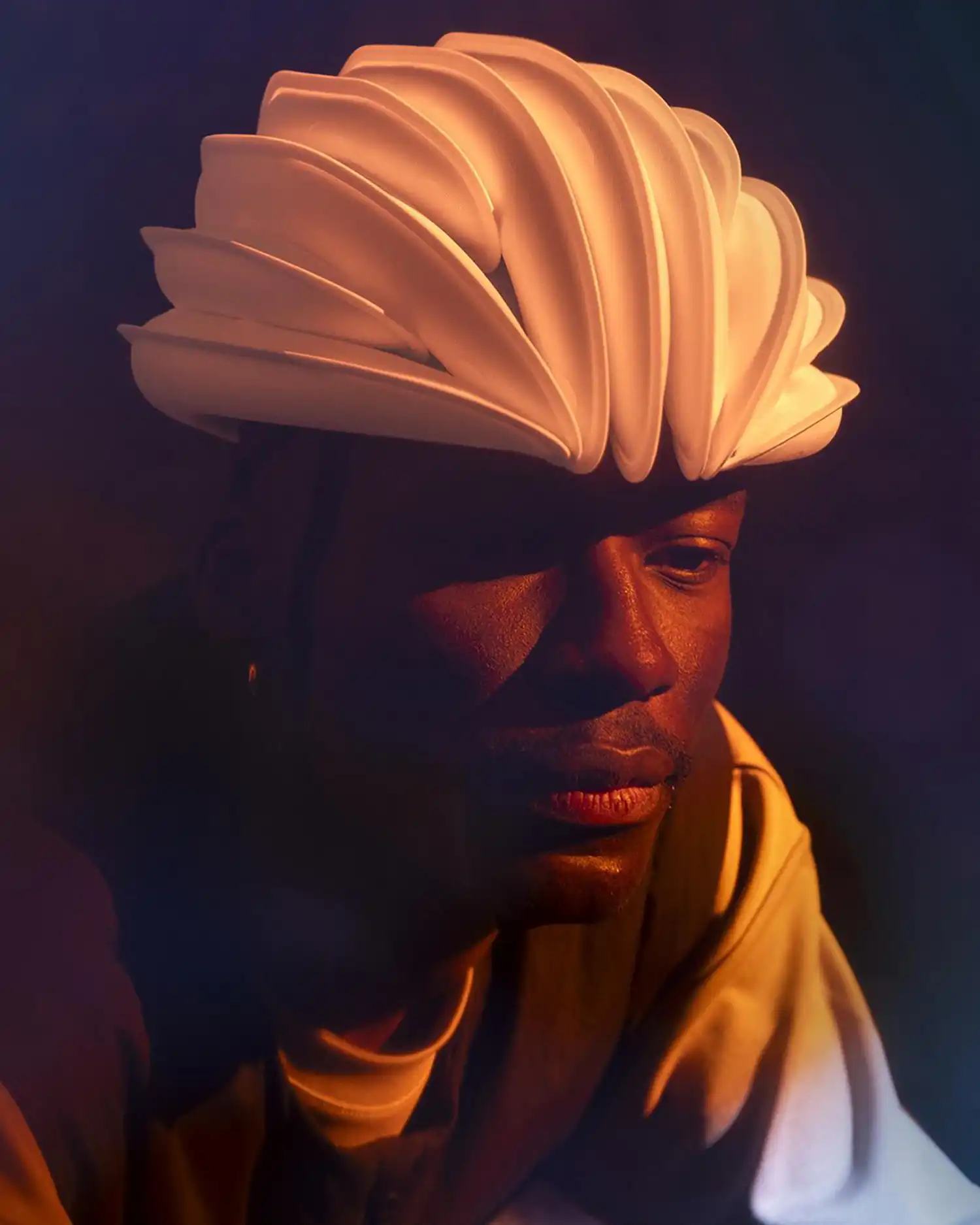
The Evolution of Urban Protection marks a definitive shift in how we perceive the intersection of safety and personal mobility. For over a decade, the silhouette of the cyclist has been defined by the bulky geometry of expanded polystyrene (EPS) foam—a material that, while effective, has remained largely stagnant for decades. However, as the global landscape witnesses a radical transformation through e-mobility and spontaneous transit, the infrastructure of personal safety is finally catching up. Ventete, an innovation company dedicated to contemporary movement, has spent ten years deconstructing the very idea of a helmet, moving away from rigid solids toward the ethereal efficiency of air.
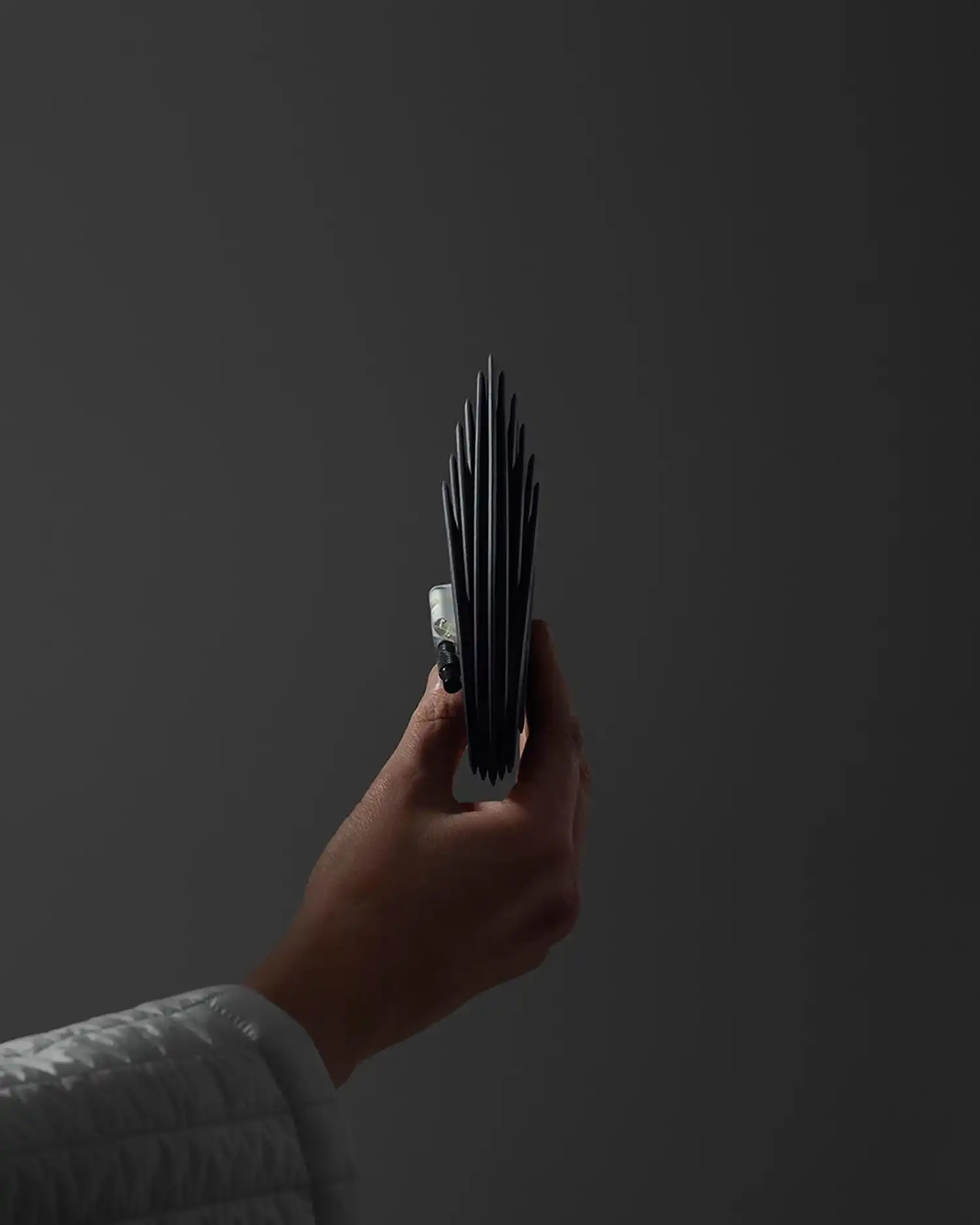
A conceptual vision of origami-inspired mobility drives the soul of the Ventete aH-1. Born from a simple, almost radical question posed by co-founder Colin Herperger—whether a helmet could fold like paper and fit into a pocket—the project transcends mere utility. It addresses the friction of modern commuting, where the deterrent to safety is often the sheer inconvenience of carrying a cumbersome object once the journey ends. By synthesizing architectural principles of 2D and 3D space, the team has developed a micro-collapsible form factor that reduces by 90% when not in use. At less than 4cm thick, it mirrors the profile of a laptop, sliding into a bag or a sleeve with a grace previously unknown to the active transportation sector.
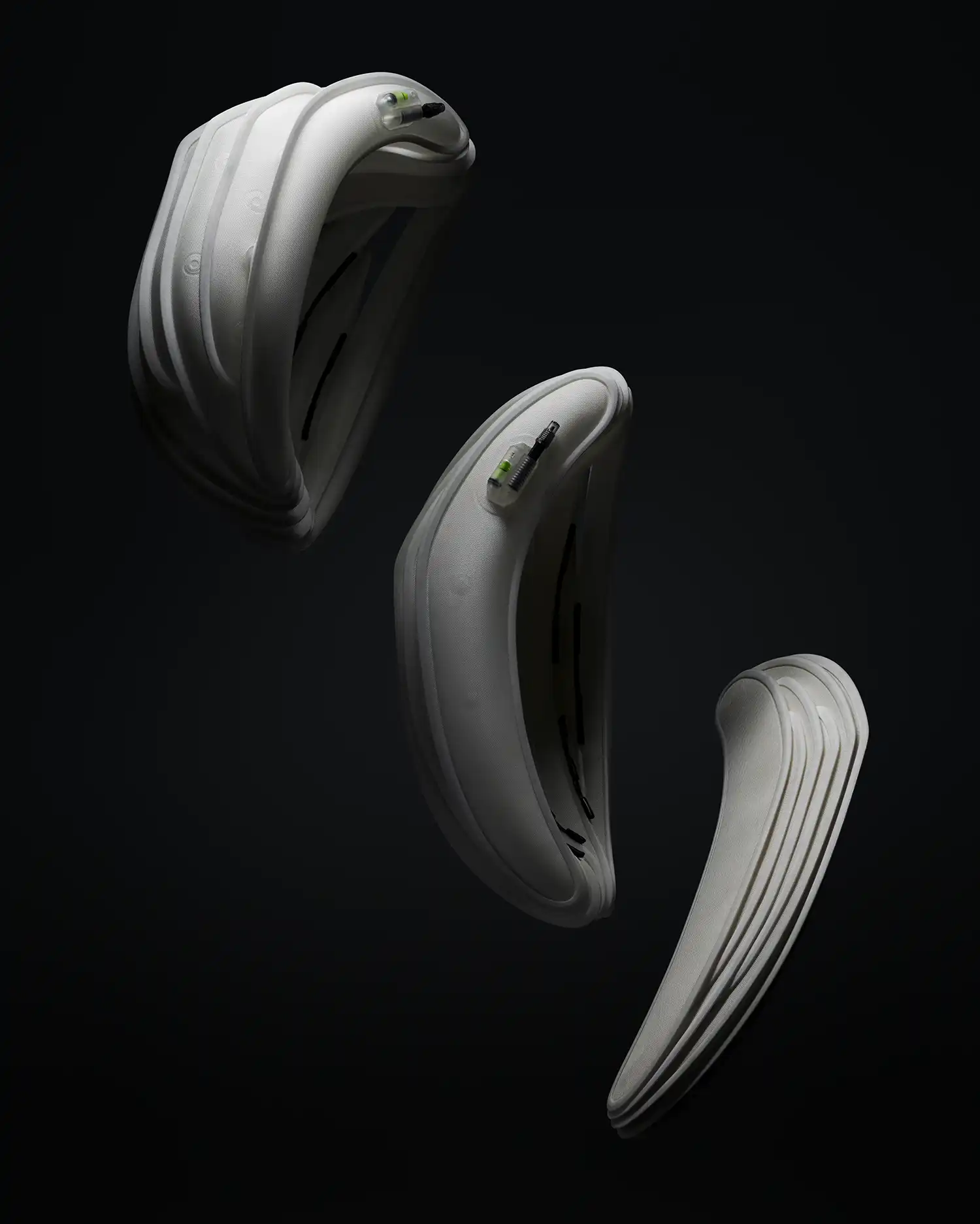
Technical mastery meets rigorous engineering in the realization of the pneumatic structural system. Moving the industry forward—from leather to foam and now to air—required a decade of material science exploration and high-frequency fabric welding. The aH-1 utilizes eleven interconnected air chambers reinforced with fiberglass ribs and layers of custom impact-resistant nylon. The sensory experience of the helmet is transformative; it lacks the insulative heat of traditional foam. Instead, its chambered design allows for continuous, unbroken airflow, achieving cooling values that empirical testing suggests are equivalent to riding with a bare head, making the experience feel light and unencumbered.
Uncompromising safety performance is at the core of this inflatable revolution. While the “pop-up” nature of the device might suggest a compromise, the data suggests the opposite. Independent testing reveals that the aH-1’s pneumatic system offers greater structural compression depth than its foam counterparts, significantly bettering the mitigation of linear and rotational impacts—the primary causes of traumatic brain injury. Integration with a custom RHEON™ polymer padding further enhances this shield. For the considered commuter, this represents a shift from “mandatory” protection to “desirable” technology, reinforcing the idea that choosing the best helmet is no longer a trade-off between style and survival.
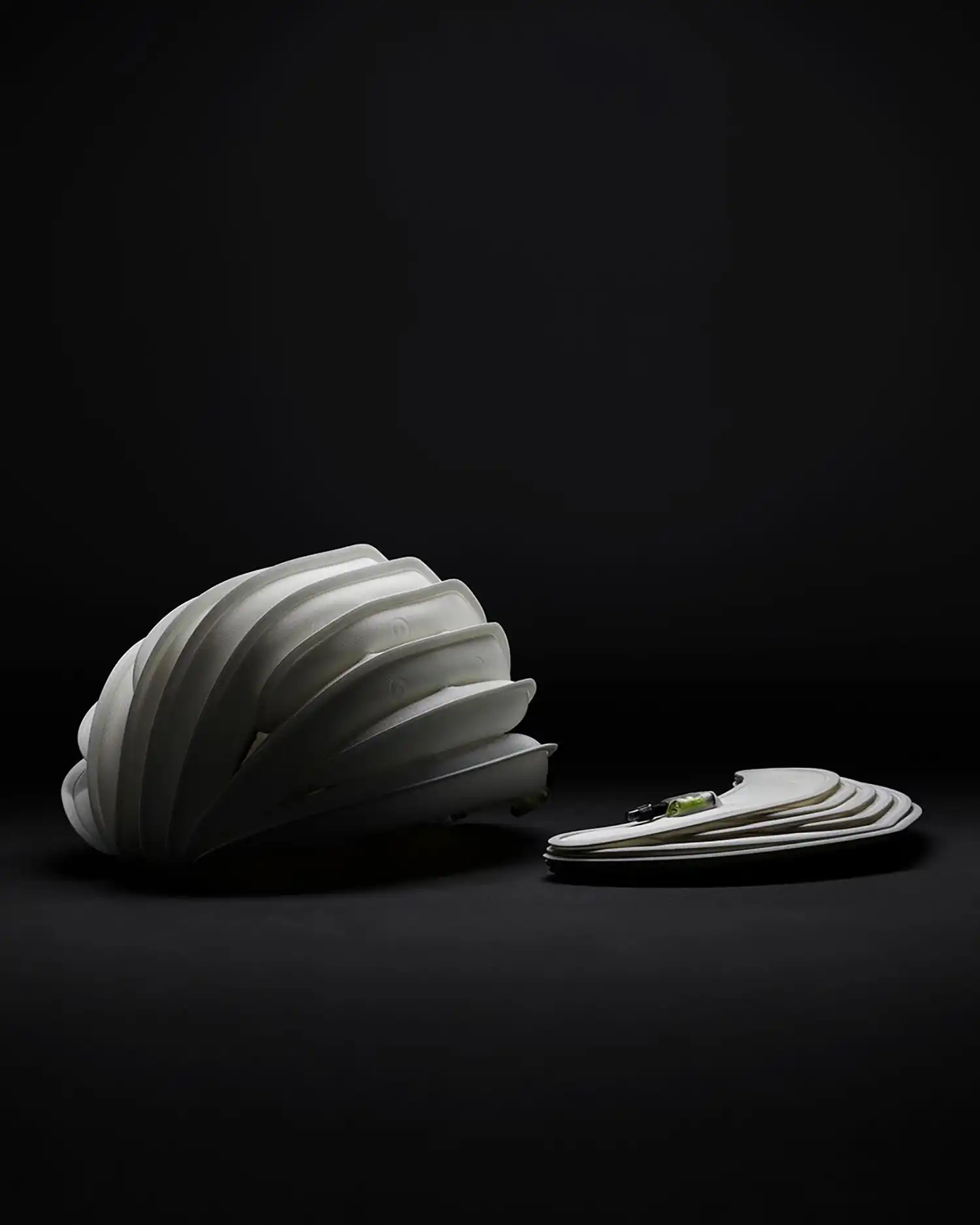
Seamless interaction through integrated design ensures that the aH-1 fits effortlessly into the daily ritual of movement. The inflation process is a study in tactile efficiency; each unit includes a USB-C rechargeable mini-pump that brings the structure to life in just 30 seconds via an integrated Clik valve. A mechanical pressure indicator provides the user with a definitive “all-clear,” fostering a sense of confidence in the equipment. When the journey concludes, a quick deflation returns the helmet to its 3.5cm-thick state, disappearing as quickly as the ride itself.
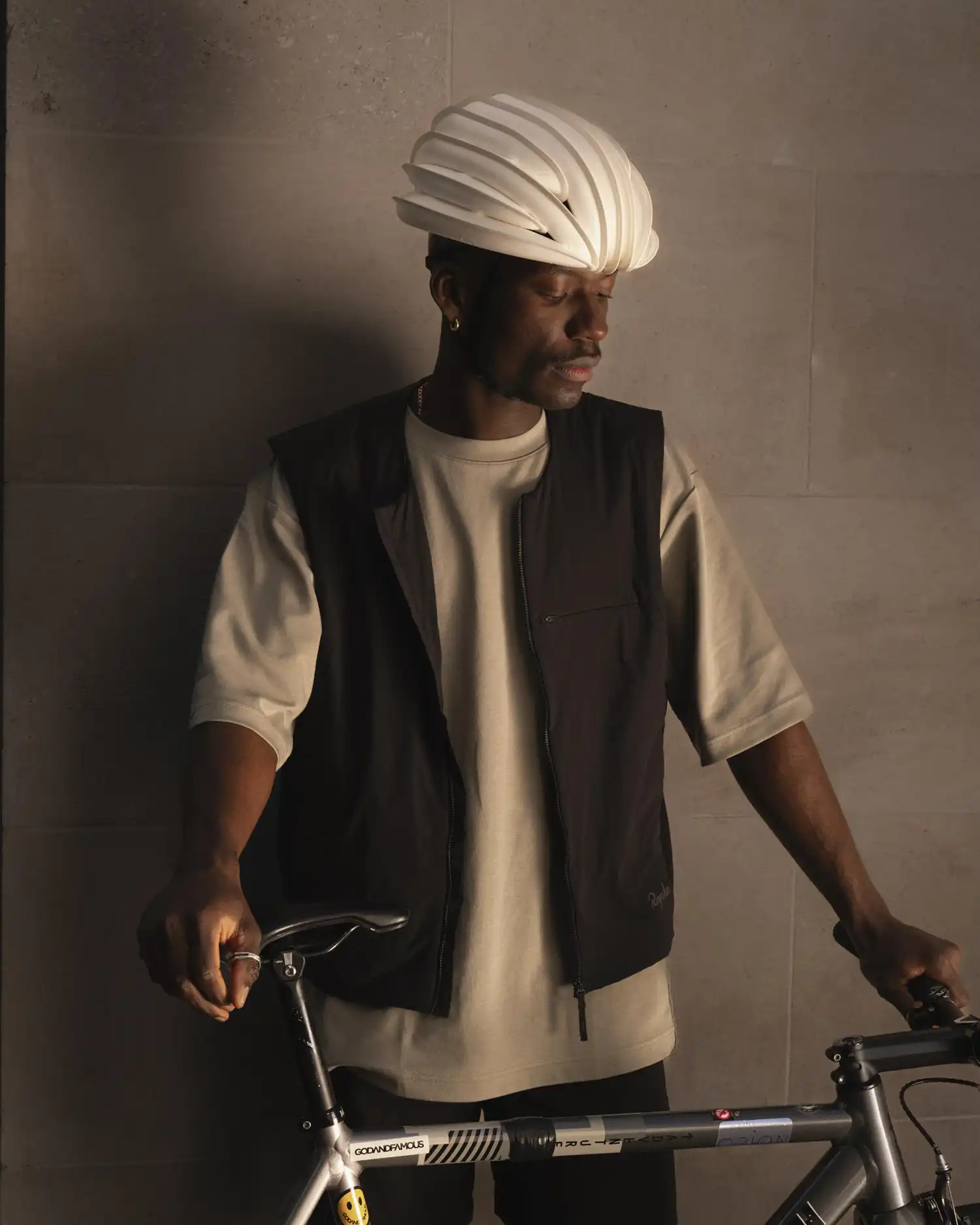
The contextual impact of Ventete’s innovation reaches far beyond the individual rider. By lowering the barrier to entry for spontaneous movement, the aH-1 acts as a catalyst for more sustainable habits. It acknowledges that the modern citizen is a multi-modal creature—one who might jump from a train to an e-bike and then into a professional environment. This is an honest pursuit of excellence that fuses precision engineering with an artistic understanding of human behavior. It is an invitation to move freely, unburdened by the physical constraints of traditional gear, signaling a future where safety is as fluid and adaptive as the environments we inhabit.