



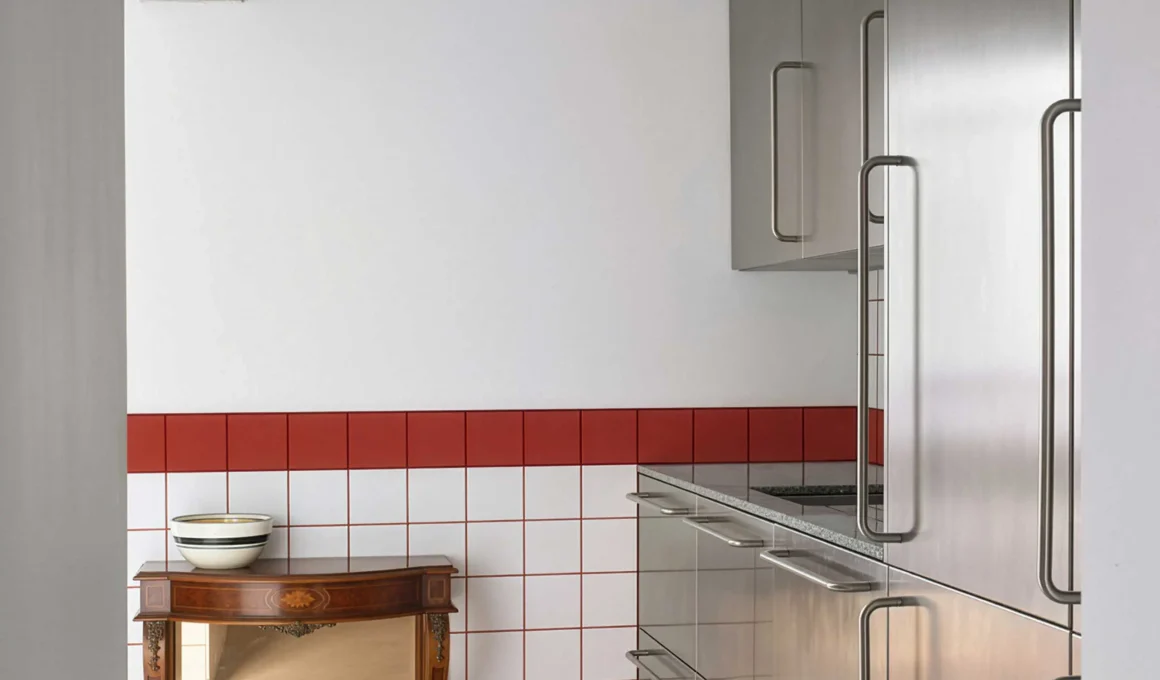
Located in the vibrant Carabanchel district of Madrid, CASA GNR, a collaborative project by MOCA Estudio and Gádor Potenciano, represents a thoughtful refurbishment of a 1970s apartment that harmonizes contemporary functionality with the neighborhood’s distinct mid-century material identity.
A dialogue with the periphery. Rather than erasing the building’s historical context, the intervention by MOCA and Gádor Potenciano leans into the specific aesthetic of Madrid‘s residential blocks. The renovation serves as a narrative bridge between the functional rigor of the seventies and the fluid needs of modern urban living. By reinterpreting local building traditions, the studio avoids the generic minimalism often found in modern home renovations, opting instead for a soulful connection to the surrounding streetscape.
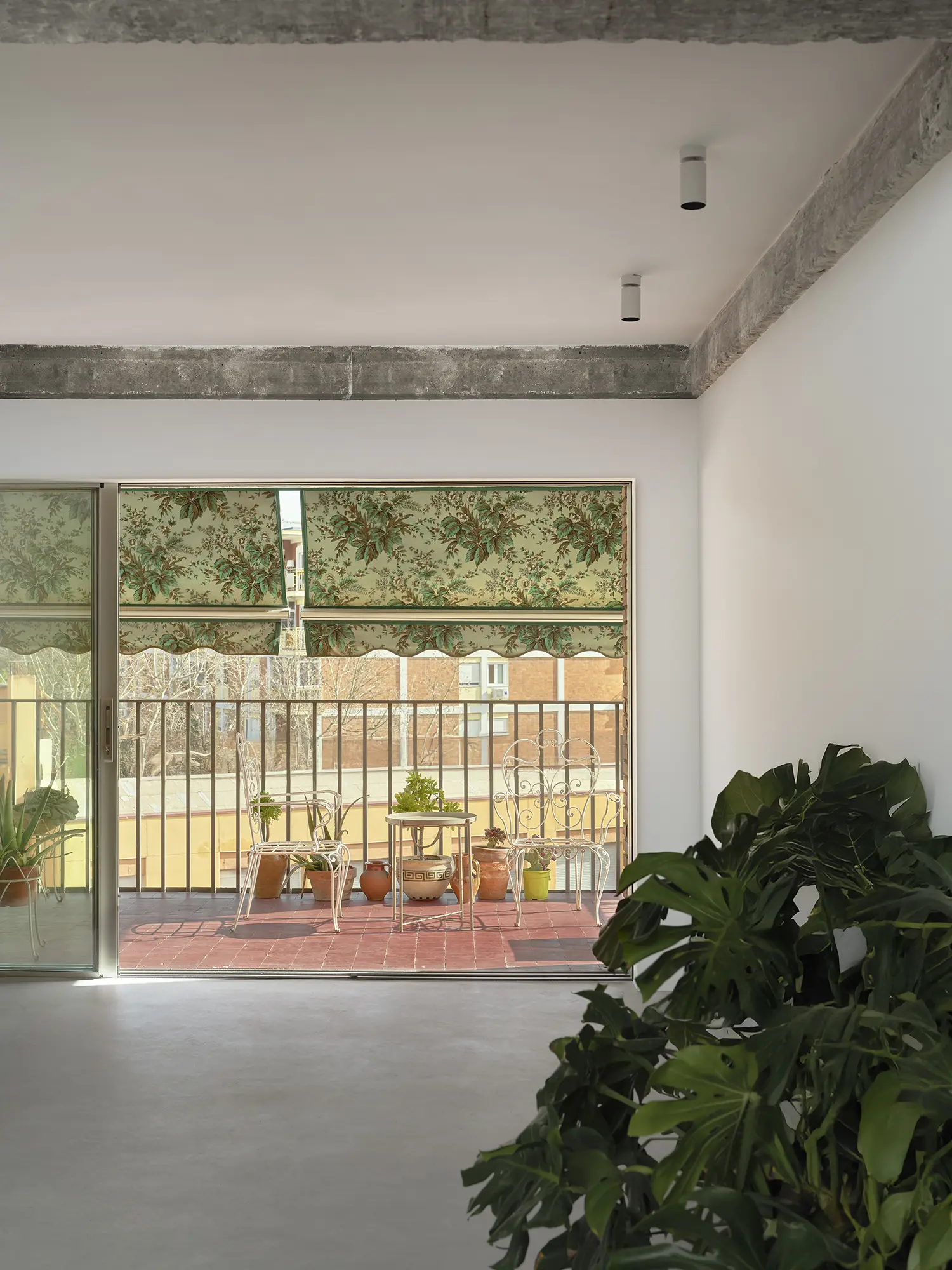
Reimagining the material palette. The backbone of the project is a continuous background of terrazzo flooring, aluminum window frames, and ceramic tiling. These elements, once considered purely utilitarian in the Madrid of fifty years ago, are elevated here through precise application and clean lines. This unified surface serves as a neutral yet textured stage, allowing the light to bounce softly across the rooms and providing a cohesive visual language that flows uninterrupted through the entire living space.
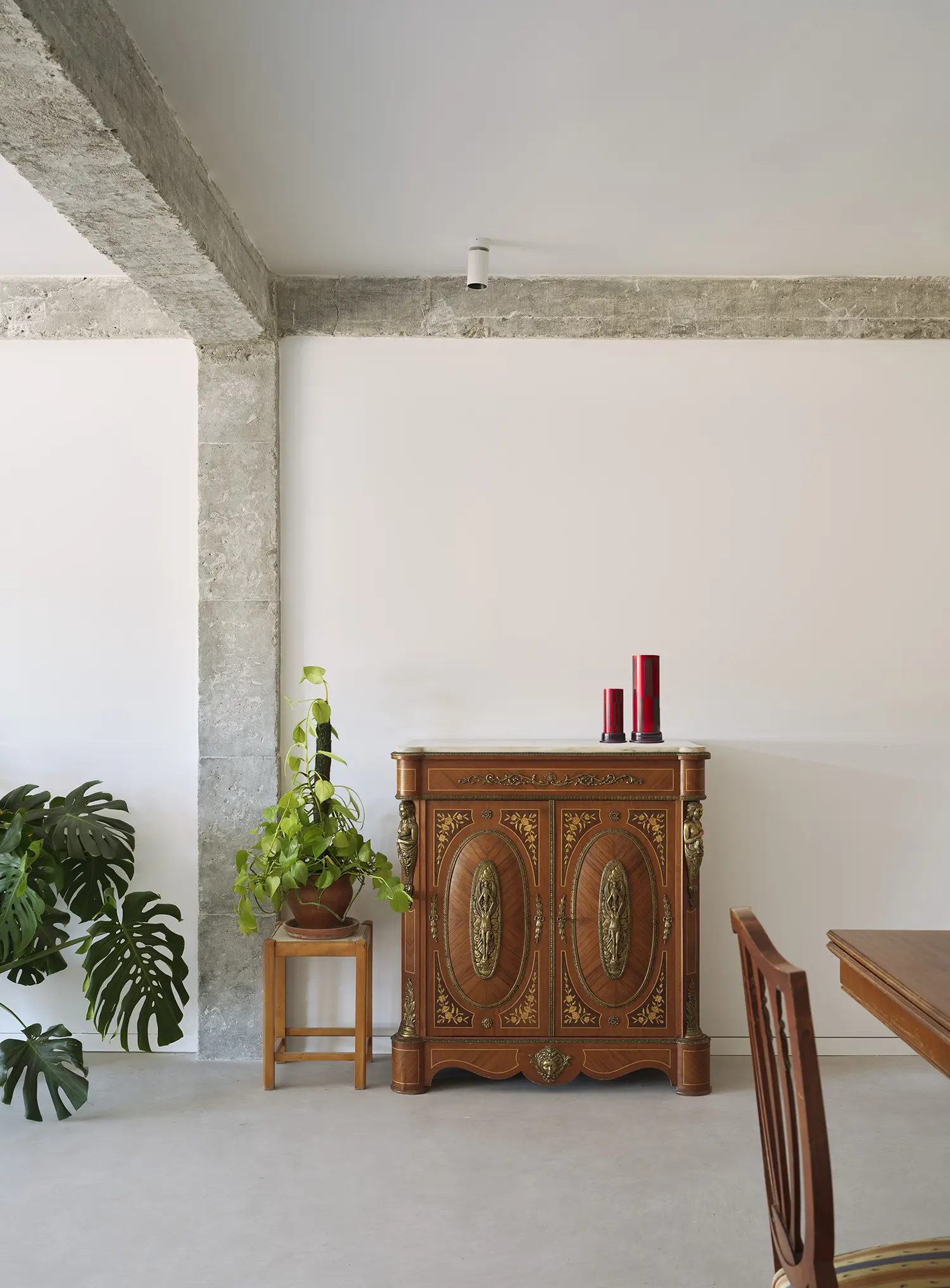
The poetry of the object. Against this contemporary backdrop, a curated selection of original elements is given a second life. Cast iron radiators, green fabric awnings, and heavy marble tables are not merely decorative afterthoughts; they are the protagonists of the interior. The design team intentionally avoided over-restoring these pieces, allowing the small imperfections and the patina of time to remain visible. This approach ensures that the history of the dwelling is felt physically, grounding the apartment in a sense of permanence.
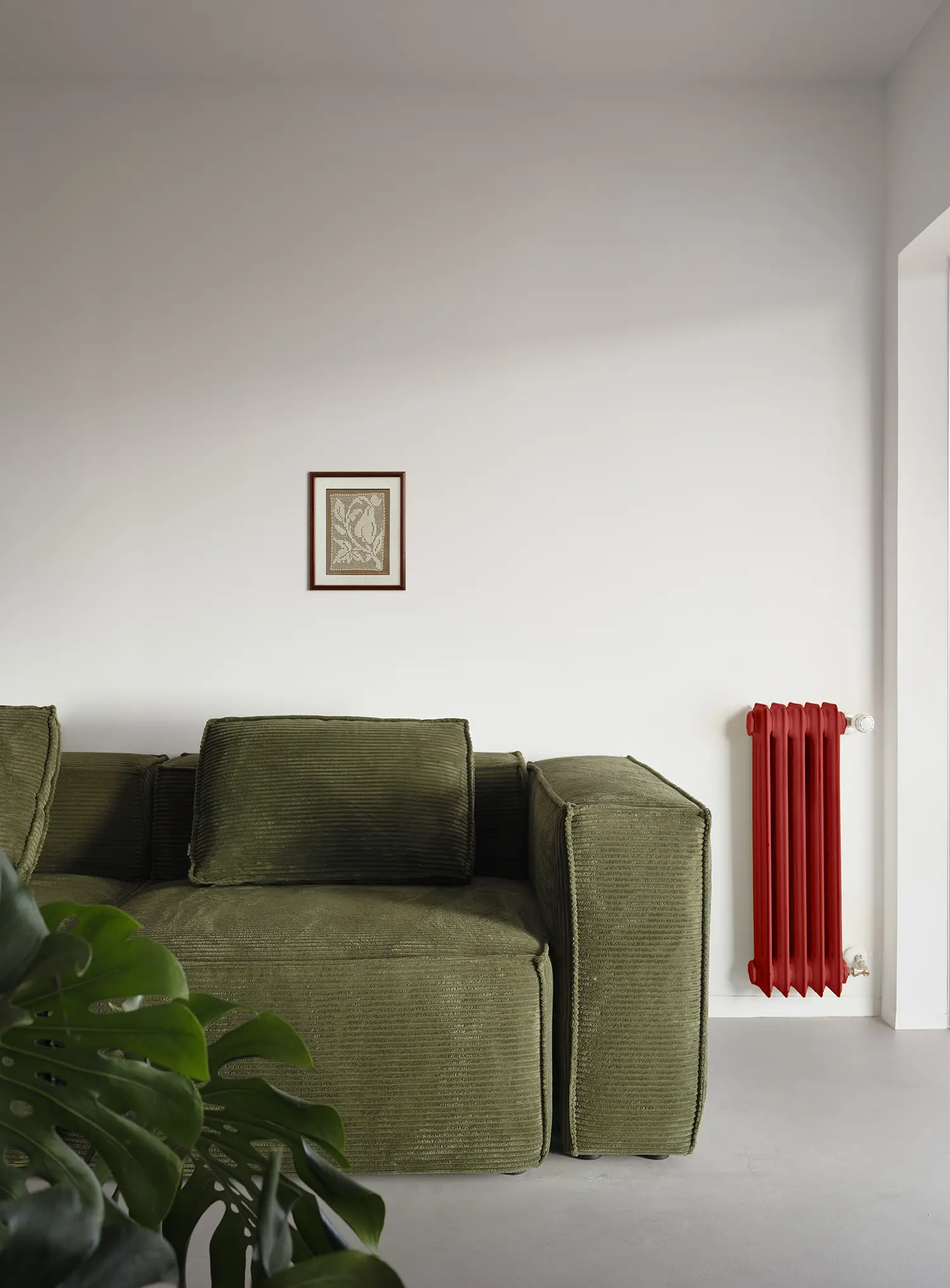
Sensory and spatial clarity. Walking through the apartment, the experience is defined by a sense of rhythmic balance. The cool touch of the ceramic tiles and the industrial feel of the aluminum contrast with the warmth of antique wooden furniture. There is an acoustic softness to the layout, where the open-plan areas feel expansive yet intimate. The green shadows cast by the exterior awnings during the afternoon sun create a shifting, leafy atmosphere that connects the interior to the traditional balconies of the Carabanchel district.
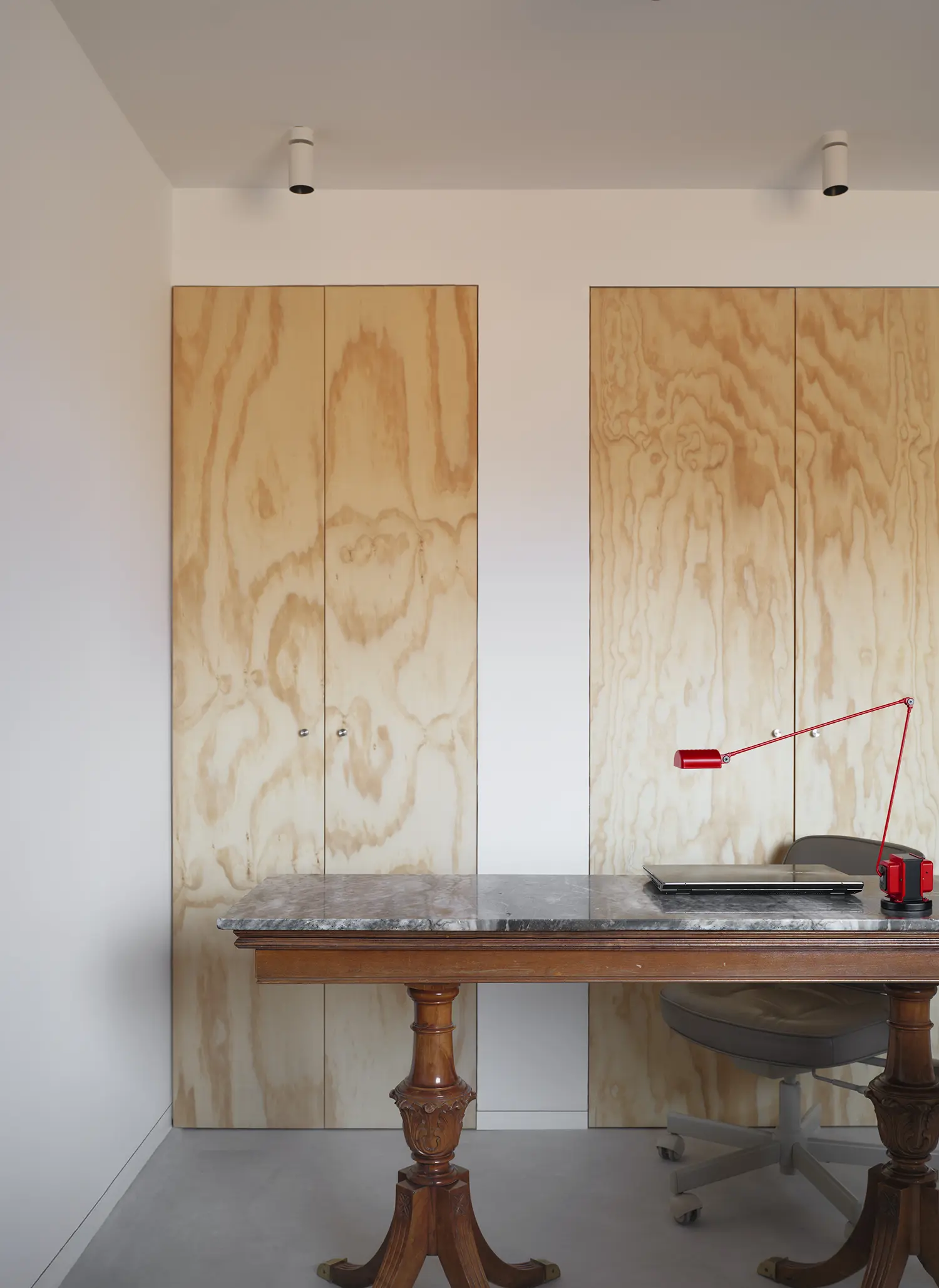
Functional evolution. The floor plan has been subtly recalibrated to prioritize natural light and air circulation, essential for the Spanish climate. By stripping away unnecessary partitions, the architects have created a versatile interior that adapts to the rituals of daily life. The new interventions provide the necessary clarity and efficiency for a contemporary lifestyle, yet they never overshadow the domestic memory inherent in the building’s shell.
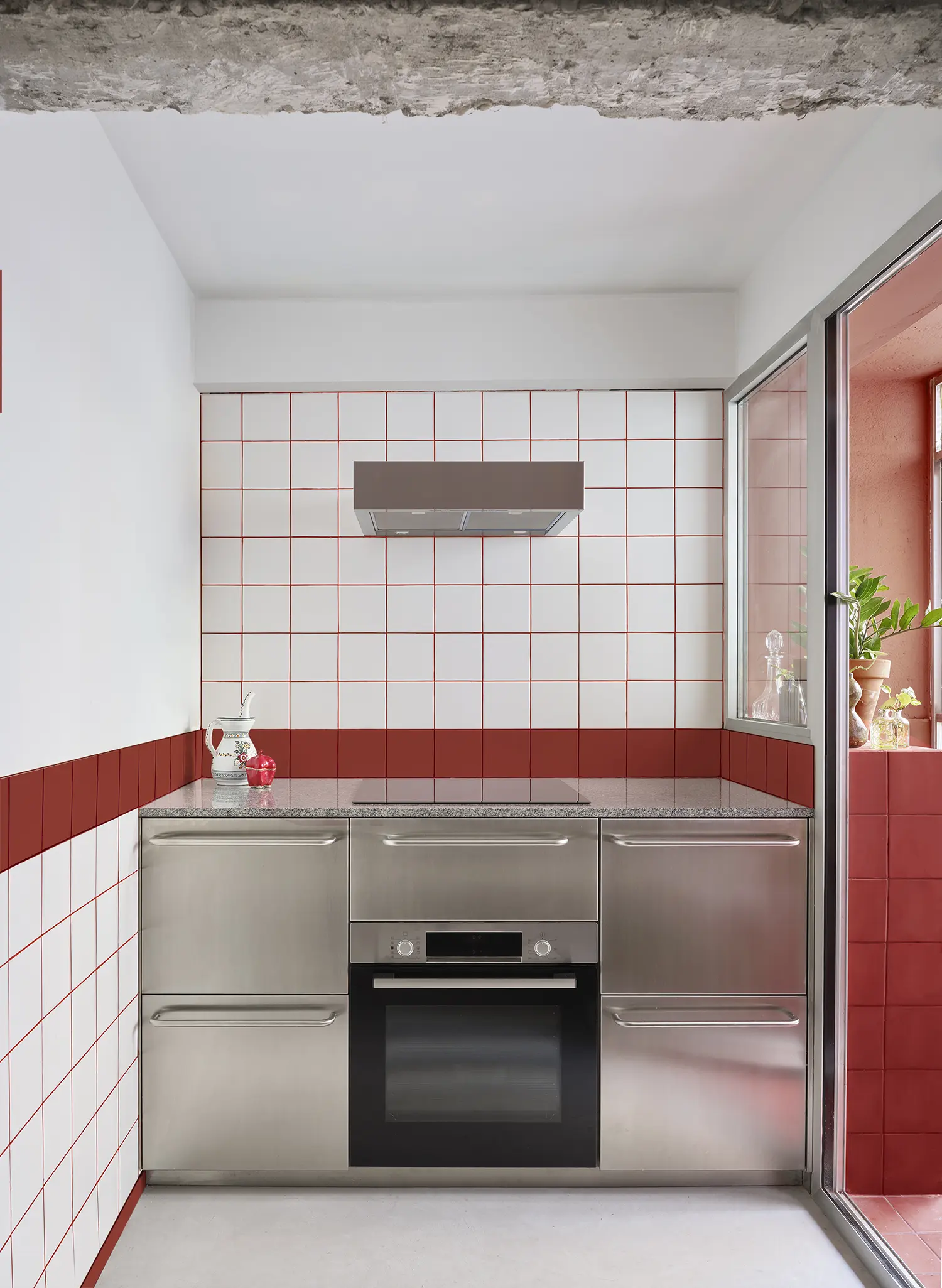
Memory as a construction material. For MOCA and Gádor Potenciano, the project is less about a “start from scratch” philosophy and more about natural evolution. The integration of recovered elements introduces a character that is impossible to manufacture in a showroom. It is a space designed for new stories to be written, yet it remains deeply respectful of the lives that have already passed through its doors. The result is a balance between two eras that feels both fresh and profoundly established.
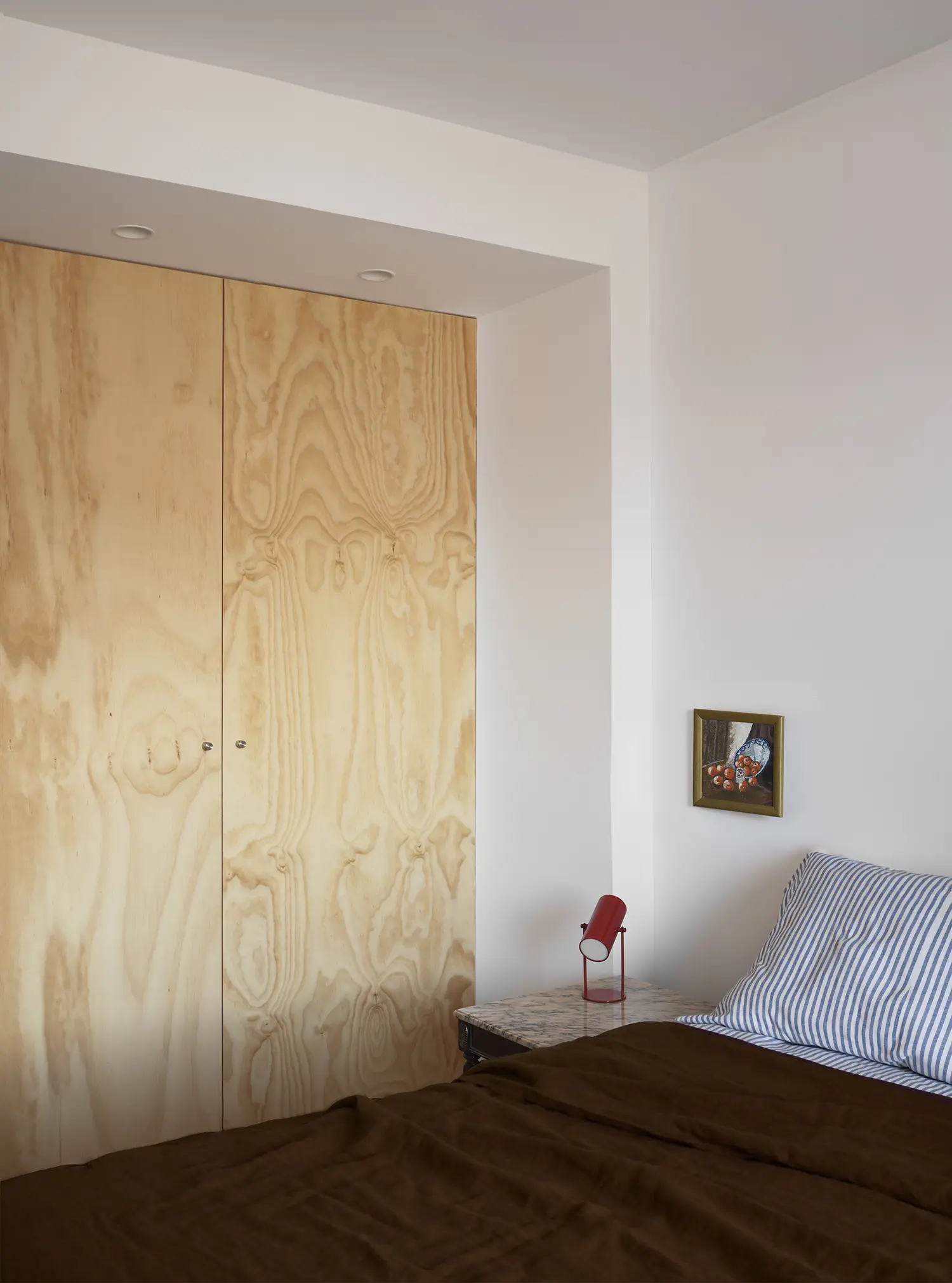
The Madrid renovation movement. This project joins a sophisticated wave of urban interventions in the Spanish capital that prioritize local character over global trends. While CASA GNR finds beauty in 70s vernacular, other recent projects like the PDLL70 House by Plutarco explore the revival of modernist villas with a sophisticated eye for historical geometry. Similarly, the timber-centric approach of Casa Eme by GON Architects and the moody, textured environments created by Corrigan Estudio demonstrate a shared commitment among Madrid-based designers to treat atmospheric architecture as a tool for storytelling.
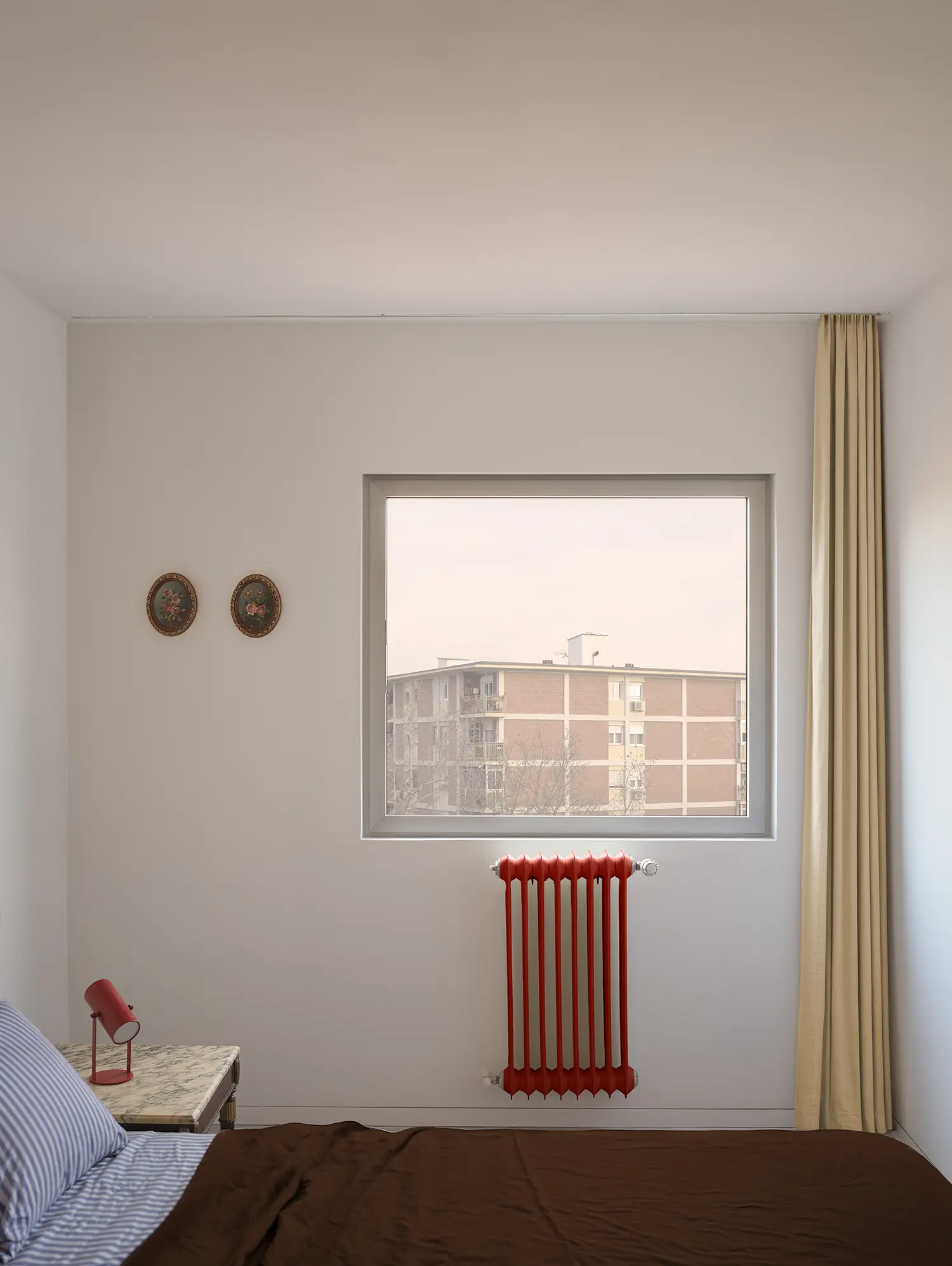
Crafting a new domesticity. CASA GNR proves that the future of urban living does not require the abandonment of the past. Through the careful selection of industrial materials and a reverence for the found object, the project offers a blueprint for how we might inhabit our cities more sustainably and emotionally. It is a quiet celebration of the ordinary, transformed into something extraordinary through the lens of thoughtful spatial design.